Which Country Has The Most Official Languages In Africa

BSC Insights Admin
October 01, 2026
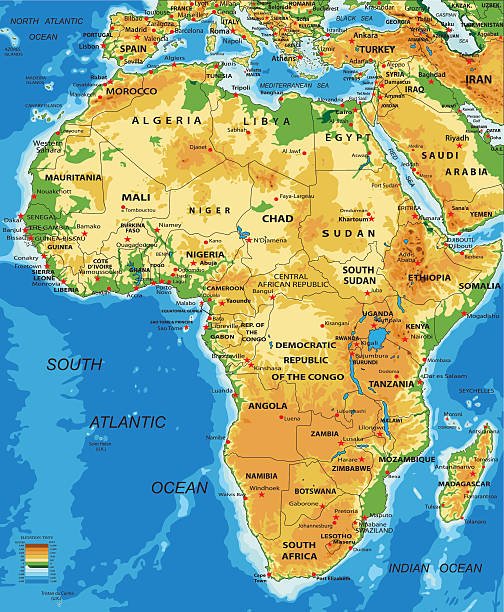
Identifying which country that has the most official languages in Africa leads us directly to Zimbabwe, a nation that recognizes sixteen different tongues in its constitution to provide national inclusivity and cultural heritage preservation. This legal framework was established to ensure that diverse ethnic groups have equal access to government services and judicial proceedings in their native speech rather than relying solely on colonial imports. By granting official status to these languages, the government aims to facilitate better communication and reflect the true demographic identity of the population.
The selection of official languages on the continent is often a complex balancing act between colonial legacies and the need to empower indigenous voices in a modern administrative context. To understand the linguistic landscape of the region, it is necessary to examine how specific nations have codified these tongues into their supreme laws to foster unity.
These are the Countries that have the most official languages in Africa
The following nations have distinguished themselves by adopting multiple tongues as official vehicles for administration, education, and legal proceedings. While many African countries utilize a single European language for government business, these specific territories have recognized the importance of indigenous speech in the formal state structure. This move is often seen as a significant step toward decolonization and the promotion of human rights for linguistic minorities. We will explore the specific countries in Africa that have the most official languages and how they manage such diverse communication requirements within their borders.
1. Zimbabwe
Zimbabwe holds the record as the primary country in Africa with the most official languages, having recognized sixteen distinct tongues in its 2013 Constitution. These languages include Chewa, Chibarwe, English, Kalanga, Koisan, Nambya, Ndau, Ndebele, Shangani, Shona, Sign Language, Sotho, Tonga, Tswana, Venda, and Xhosa. Before this constitutional reform, English, Shona, and Ndebele were the dominant modes of communication, but the inclusion of the other thirteen was a deliberate effort to protect minority rights. This policy means that the state must ensure all sixteen languages are treated equitably and that the public has access to services in their preferred medium. In practice, this requires a massive effort in translation for government documents and the training of multilingual staff in the civil service. Zimbabwe’s approach serves as a unique case study in how a nation can use its supreme law to validate the cultural identity of every significant ethnic group within its territory. The implementation of this policy continues to evolve as the educational sector works to develop curricula for some of the newly recognized minority languages.
2. South Africa
South Africa is widely recognized for its diverse linguistic landscape, which was formally structured under the 1996 Constitution to include eleven official languages. These were Afrikaans, English, isiNdebele, isiXhosa, isiZulu, Sepedi, Sesotho, Setswana, siSwati, Tshivenda, and Xitsonga, designed to replace the bilingual English-Afrikaans system of the apartheid era. In a historic move in 2023, South African Sign Language was officially added as the twelfth official language to enhance the rights of the deaf community. The state is mandated by Section 6 of the Constitution to take practical and positive measures to elevate the status and advance the use of these indigenous tongues. This results in a vibrant media landscape where the South African Broadcasting Corporation provides news and programming in all major tongues. Despite the dominance of English in the corporate and urban sectors, the legal recognition of these twelve languages remains a cornerstone of South Africa’s "Rainbow Nation" identity. The Pan South African Language Board was specifically created to monitor and promote this linguistic plurality across all nine provinces.
3. Ethiopia
Ethiopia recently made a significant shift in its linguistic policy to better reflect its ethnic federalism, expanding from a single official working language to five. For decades, Amharic was the sole working language of the federal government, but in 2020, the Council of Ministers approved the inclusion of Afaan Oromo, Tigrinya, Somali, and Afar. This decision was a response to long-standing demands for African countries that have the most official languages to recognize the speech of their largest ethnic blocks in official business. While Amharic remains the primary language of the federal administration, the new policy allows for a more decentralized approach to governance and service delivery. Ethiopia is home to over eighty different ethnic groups, and this expansion is seen as a vital tool for maintaining national cohesion in a diverse political environment. Regional states within Ethiopia also have the power to determine their own working languages, leading to a complex but inclusive administrative structure. This reform marks a new chapter in the country’s history, prioritizing linguistic equality as a means to resolve historical grievances and foster development.
4. Rwanda
Rwanda has a very specific and functional approach to its official languages, currently recognizing four tongues: Kinyarwanda, French, English, and Swahili. Kinyarwanda is the national language spoken by almost the entire population, serving as the primary bond of national unity. French was the dominant colonial language, but following the 1994 genocide, Rwanda made a strategic pivot toward English to better integrate with the global economy and the East African Community. Swahili was added as an official language in 2017 to facilitate trade and diplomatic relations with neighboring countries like Tanzania and Kenya. This quadrilateral system allows Rwanda to maintain its cultural roots while positioning itself as a multilingual hub for international business and regional cooperation. In schools, the transition from French to English as the primary medium of instruction has been a major undertaking that reflects the nation's forward-looking ambitions. Rwanda’s linguistic policy is a testament to how a small nation can use language as a tool for both internal reconciliation and external expansion.
5. Equatorial Guinea
Equatorial Guinea is unique among African countries that have the most official languages because it is the only nation on the continent where Spanish is a primary official tongue. In addition to Spanish, the country recognizes French and, more recently, Portuguese as official languages to align itself with regional and international organizations. French was adopted to facilitate closer ties with neighboring Francophone countries like Gabon and Cameroon, while Portuguese was added to gain entry into the Community of Portuguese Language Countries. While these European languages dominate the official sphere, the majority of the population speaks indigenous languages like Fang and Bubi in their daily lives. The government uses this multilingual status to enhance its diplomatic reach and attract diverse foreign investment, particularly in the oil and gas sectors. The inclusion of three European languages makes Equatorial Guinea a fascinating outlier in the linguistic map of West Africa. This policy has helped the country navigate various international spheres of influence while maintaining its unique Hispanic-African heritage.
6. Eritrea
Eritrea operates with a de facto multilingual policy that recognizes the equality of all nine ethnic languages within its borders, although it does not have a single "official" language declared by the constitution. In practice, Tigrinya, Arabic, and English serve as the primary working languages for government administration and education. Tigrinya is the most widely spoken and used for most domestic affairs, while Arabic is essential for the country’s historical and religious ties to the Middle East. English is used as the medium of instruction in secondary and higher education, reflecting Eritrea's desire to participate in global scientific and economic discourse. This "no official language" stance is intended to prevent any one ethnic group from being viewed as superior to the others. By treating all indigenous tongues as equal, Eritrea aims to build a national identity that is inclusive of its diverse Highland and Lowland populations. This functional approach to multilingualism ensures that the state remains accessible to its citizens while maintaining international communication standards.
7. Comoros
Comoros is a small island nation that recognizes three official languages: Comorian (Shikomor), Arabic, and French. Comorian is a Bantu language closely related to Swahili and is the most widely used tongue for daily social interaction across the three main islands. Arabic holds significant religious and cultural importance due to the country's Islamic heritage and its membership in the Arab League. French is the primary language of administration and formal education, a legacy of the colonial period that remains a vital link to the international community. The co-existence of these three languages reflects the diverse influences that have shaped the Comorian identity over centuries, from African and Arab migrations to European colonization. Many Comorians are naturally trilingual, switching between tongues depending on the social or professional context. This linguistic variety is a source of national pride and is reflected in the country's literature and political discourse.
8. Djibouti
Djibouti recognizes two official languages, French and Arabic, which reflect its unique geographic position as a bridge between Africa and the Arabian Peninsula. While these two are used for official government business, the indigenous languages of Somali and Afar are spoken by the vast majority of the population. The state utilizes French for its legal and administrative systems, maintaining strong ties with France and other Francophone nations. Arabic is equally important for trade, religion, and the country's integration into the Middle Eastern economic sphere. Djibouti’s linguistic policy is highly strategic, allowing it to serve as a major logistics hub that can communicate effectively with global powers and regional neighbors alike. In the capital, it is common to hear a mix of all four languages, creating a cosmopolitan atmosphere that defines this small but influential nation. The education system emphasizes the mastery of the official tongues to ensure that the youth are competitive in the international job market.
9. Seychelles
Seychelles is an archipelago that officially recognizes three languages: Seychellois Creole, English, and French. Seychellois Creole is the most significant as it is the mother tongue of almost the entire population and is used as a medium of instruction in the early years of schooling. English and French are used for business, government, and higher education, reflecting the islands' history of alternating British and French colonial rule. Seychelles was one of the first countries in Africa that have the most official languages to fully formalize a Creole tongue for use in the National Assembly and legal documents. This recognition has been vital for the development of a unique Seychellois identity that is distinct from its colonial past. The three-language policy ensures that the country can maintain high levels of literacy while remaining an attractive destination for international tourists and investors. This balanced approach has made Seychelles one of the most successful examples of multilingualism in the Indian Ocean region.
10. Burundi
Burundi has a linguistic policy that centers on three official languages: Kirundi, French, and English. Kirundi is the national language and is spoken by nearly all Burundians, serving as the primary vehicle for traditional culture and local governance. French has long been the language of administration and higher education, a legacy of Belgian rule that continues to provide links to the Francophone world. English was added as an official language in 2014 to align Burundi with the East African Community and to expand its economic opportunities within the region. This African country which has the most official languages in its specific sub-region uses this policy to balance its domestic needs with its regional integration goals. Swahili is also widely used in trade, although it does not hold the same official status as the other three. The government’s commitment to this trilingual system is visible in its official publications and the curriculum of its national university.
Reasons Why These Countries Have Many Official Languages in Africa
1. Promotion of National Inclusivity and Peace: The most critical reason why an African country which has the most official languages adopts such a policy is to prevent ethnic marginalization. By giving legal status to several indigenous tongues, the state signals that it values the heritage of all its citizens, not just the dominant group. This inclusivity is often a key component of peace-building efforts in nations with a history of ethnic tension, such as South Africa or Zimbabwe. When citizens can interact with the government in their own language, they feel a greater sense of belonging and trust in the state. This legal recognition acts as a safeguard against the "linguistic imperialism" that can often lead to social unrest.
2. Post-Colonial Identity and Cultural Preservation: Many African nations used the adoption of official indigenous languages as a way to reclaim their identity after decades of colonial rule. During the colonial era, European languages were often the only ones recognized in the formal sphere, which devalued local cultures and knowledge systems. By elevating tongues like Kinyarwanda, Kirundi, or Shona to official status, these countries are asserting their sovereignty and cultural independence. This move ensures that traditional proverbs, histories, and values are preserved within the formal structures of the modern state. It is a powerful statement of national pride that resonates across all levels of society.
3. Improved Access to Justice and Government Services: Having multiple official languages is a practical necessity for ensuring that the legal system is fair and accessible to everyone. In countries where only a colonial language is official, a person might be tried in court or receive medical advice in a language they do not fully understand. By recognizing local languages, countries like South Africa and Ethiopia ensure that citizens can defend their rights and understand government policies without a translator. This improves the efficiency of service delivery and ensures that "informed consent" is a reality in healthcare and administrative processes. It is a fundamental human rights issue that directly impacts the quality of life for millions of people.
4. Strategic Regional and Economic Integration: Many African countries that have the most official languages add tongues like English, Swahili, or Portuguese specifically to facilitate international trade. Rwanda and Burundi added English to their existing French and Kinyarwanda/Kirundi bases to better participate in the East African Community. Similarly, Equatorial Guinea added Portuguese to its Spanish and French repertoire to enhance its diplomatic standing in Lusophone circles. This multilingualism makes a country more attractive to a wider range of foreign investors and simplifies cross-border logistics. In the modern globalized world, having a workforce that can speak multiple international languages is a significant competitive advantage for any nation.
5. Educational Empowerment and Literacy: Research has consistently shown that children learn best when they are taught in their mother tongue during their early years. By making local languages official, governments can more easily integrate them into the national curriculum and develop professional teaching materials. This leads to higher literacy rates and better academic performance, as students are not struggling with a foreign language while trying to learn basic concepts. Countries like Seychelles and Zimbabwe have seen the benefits of this approach in their primary education systems. This policy empowers the youth to succeed academically while remaining deeply connected to their local linguistic roots.
6. Reflection of Historical and Religious Legacies: In some cases, multiple official languages are a reflection of the layered history of a country, including religious influences. In Djibouti and Comoros, the official status of Arabic is tied to centuries of Islamic influence and trade with the Middle East, while French represents the colonial era. These languages are not just tools for communication but are symbols of the various civilizations that have contributed to the modern nation. Recognizing these diverse influences helps to create a comprehensive national narrative that acknowledges all parts of a country's past. This historical continuity is essential for building a stable and well-understood national identity in the 21st century.
Conclusion
In summary, the question of which country that has the most official languages in Africa points to Zimbabwe as the clear leader with its sixteen recognized tongues. This high number reflects a growing continental trend where nations use linguistic policy as a tool for inclusivity, justice, and economic integration. While managing a multilingual state presents significant administrative challenges, the benefits of cultural preservation and improved citizen engagement far outweigh the costs. As more nations move toward recognizing their indigenous speech, the linguistic landscape of Africa will continue to be a model for global diversity and human rights. Ultimately, the country in Africa with the most official languages proves that a nation's strength lies in its ability to listen to and speak to all its people in their own voices.
Enjoyed this read?
Share it with your friends and colleagues.