Which Country Has The Most Snakes In Africa

BSC Insights Admin
September 30, 2026
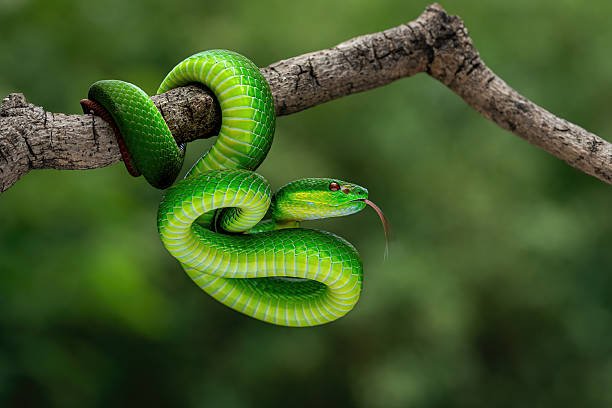
Identifying **which country that has the most snakes in Africa** usually points toward the Democratic Republic of Congo because of its massive rainforests and exceptionally high levels of tropical biodiversity. This nation provides the perfect environment for over two hundred species of reptiles, ranging from the massive African rock python to the world's most venomous vipers. Scientists frequently cite the Congo Basin as a primary hub for snake diversity due to its consistent humidity and dense vegetation that supports a vast food chain.
The distribution of snake populations across the continent is influenced by climate, geography, and the availability of diverse habitats such as savannas, deserts, and jungles. By analyzing the data provided by herpetologists and biological surveys, we can identify which nations are home to the most significant concentrations of these reptiles.
These are the Countries that have the most snakes in Africa
Africa is home to some of the most diverse snake populations on the planet, with many nations hosting hundreds of different species that have evolved to survive in extreme environments. While many of these reptiles are harmless to humans, the continent is also famous for hosting some of the most dangerous species in the world, such as the black mamba and the puff adder. The following countries are recognized for having the highest species richness and the largest estimated populations of snakes based on geographical size and environmental conditions. These African countries that have the most snakes contribute significantly to the global understanding of reptile evolution and ecosystem health.
1. Democratic Republic of Congo
The Democratic Republic of Congo is widely considered the country in Africa with the most snakes due to the vast expanse of the Congo Basin, which is the second-largest tropical rainforest in the world. This environment provides a stable, warm, and humid climate that allows snakes to thrive throughout the year without the need for hibernation. Researchers have documented over 150 different species in the DRC, including the iconic Gaboon viper, which possesses the longest fangs of any snake in the world. The dense canopy and undergrowth offer protection and a never-ending supply of prey such as rodents, birds, and smaller reptiles. In addition to venomous species, the DRC is a primary habitat for the African rock python, which can grow up to six meters in length. The sheer scale of the country's wilderness means that many more species likely remain undiscovered in its deep interior. Because of its massive size and biological variety, the DRC remains the top location for anyone studying the highest concentration of snakes on the continent.
2. Tanzania
Tanzania is a major hub for snake diversity in East Africa, featuring a unique mix of coastal plains, mountainous regions, and vast savannas like the Serengeti. This geographical variety supports roughly 150 species of snakes, making it a critical area for herpetological conservation and research. The country is well-known for being a prime habitat for the black mamba, a snake famous for its speed and highly potent neurotoxic venom. Tanzania also hosts various species of cobras, including the forest cobra and the red spitting cobra, which are found in both forested and semi-arid regions. The Eastern Arc Mountains in Tanzania are particularly significant as they contain several endemic species that are found nowhere else on earth. The abundance of agricultural land in the country also attracts many snakes, as the presence of crops often leads to an increase in rodent populations. Tanzania's commitment to protecting its national parks has ensured that its snake populations remain stable and well-documented.
3. South Africa
South Africa possesses one of the most well-documented and studied snake populations on the continent, with approximately 170 different species recorded across its diverse biomes. From the arid Kalahari Desert to the subtropical forests of KwaZulu-Natal, the country offers a habitat for nearly every type of African snake. The most common venomous snake in South Africa is the puff adder, which is responsible for the majority of serious snakebites due to its camouflage and reluctance to move when approached. South Africa is also home to the Cape cobra and the boomslang, a highly venomous tree-dwelling snake with large eyes and a distinctive green or brown color. The country's advanced scientific infrastructure has allowed for detailed mapping of snake distributions and the development of effective antivenoms. Many urban areas in South Africa, such as Durban, have high concentrations of snakes, leading to a vibrant community of professional snake catchers. This African country which has numerous snake species remains a global leader in reptile education and wildlife management.
4. Kenya
Kenya is another East African powerhouse in terms of snake populations, with over 130 species inhabiting its varied landscapes. The country’s geography, which ranges from the white sandy beaches of the coast to the high-altitude forests of the Rift Valley, provides an ideal home for a wide variety of reptiles. Kenya is particularly famous for its populations of green mambas, which are often found in the coastal forests and plantations. The arid regions of northern Kenya host the desert-adapted saw-scaled viper, a small but incredibly dangerous snake known for its aggressive nature. In the freshwater lakes and rivers, the African rock python is frequently sighted, often preying on antelopes and other large mammals. Kenya has also established several specialized snake parks and research centers, such as the Bio-Ken Snake Farm, to educate the public and provide life-saving antivenom. The tourism industry in Kenya often highlights the presence of these fascinating creatures, providing a balanced view of their ecological importance and the need for caution.
5. Nigeria
Nigeria hosts a significant and diverse snake population, particularly in the southern rainforest zones and the central Guinea savanna region. With more than 120 species, the country is a primary location for West African reptile diversity, including several species of cobras and vipers. The carpet viper is particularly prevalent in northern Nigeria and is a major cause of medical emergencies in rural farming communities. Nigeria is also a key habitat for the West African Gaboon viper, which blends perfectly with the leaf litter of the forest floor. The country's large agricultural sector creates a perfect environment for snakes to thrive, as farms often provide both shelter and a consistent supply of prey. Large pythons are also common in the swampy regions of the Niger Delta, where they play a vital role in controlling the populations of smaller mammals. Despite the high human population density, snakes continue to adapt and survive in many of Nigeria's urban and rural fringes.
6. Cameroon
Cameroon is often called Africa in miniature because its climate and topography include everything from deserts to tropical rainforests and mountains. This environmental diversity supports over 110 species of snakes, reflecting the richness of the surrounding Central African region. The southern forests of Cameroon are particularly famous for their populations of the rhinoceros viper, a brightly colored snake that is incredibly difficult to spot in the dense vegetation. Cameroon also shares a large number of species with the DRC, including various types of forest cobras and mambas. The country's volcanic mountains provide unique microclimates where rare and specialized snake species have evolved in isolation. Traditional beliefs in many Cameroonian cultures often involve snakes, leading to a complex relationship between the local people and these reptiles. As more of the country is explored by biologists, the list of known species in Cameroon continues to grow, emphasizing its importance as a biodiversity hotspot.
7. Uganda
Uganda is a small but incredibly biodiverse nation that sits at the crossroads of East and Central Africa, providing a home for about 100 species of snakes. The country’s abundant water sources, including Lake Victoria and the Nile River, support large populations of water-dwelling snakes and pythons. The Mabira Forest and other protected areas are known for their high concentrations of forest-dwelling species such as the Jameson's mamba and the forest cobra. Uganda's unique position allows for a mix of savanna snakes from the east and rainforest snakes from the west to coexist within its borders. The lush vegetation and high rainfall ensure that there is always plenty of food for these reptiles, leading to healthy and stable populations. While many people in Uganda fear snakes, there is a growing movement to protect them as part of the country’s natural heritage and tourism appeal. The diversity of the Ugandan landscape makes it a fascinating place for birdwatchers and herpetologists alike.
8. Ethiopia
Ethiopia possesses a unique snake population that has adapted to its high-altitude plateaus and deep rift valleys, with around 100 species currently identified. The country is home to several endemic species that are specially adapted to the cool climates of the Ethiopian Highlands. One of the most famous snakes found here is the Ethiopian mountain adder, which is found nowhere else in the world. In the lower, hotter regions, the Egyptian cobra and various species of vipers are much more common, often found near permanent water sources. Ethiopia’s vast and rugged terrain has kept many areas relatively unexplored, meaning the true number of snake species could be much higher than currently recorded. The country's diverse agricultural zones also support large numbers of non-venomous snakes that help control pests in grain-growing regions. As the nation continues to develop its environmental policies, the protection of its unique reptile fauna is becoming a higher priority for the government.
9. Zimbabwe
Zimbabwe is a key territory for southern African snake species, with a population of approximately 80 to 90 different types of snakes. The country’s granite hills, or kopjes, provide excellent hiding spots for rock-dwelling species like the black mamba and the rock python. Zimbabwe is also a major habitat for the snouted cobra and the Mozambique spitting cobra, both of which are common in the bushy savannas. The Zambezi River valley in the north is particularly rich in snake life, where the heat and proximity to water create an ideal environment for diverse reptiles. Many of Zimbabwe’s commercial farms have high snake populations, which are generally tolerated because they help manage rodent infestations. The country has a long tradition of wildlife conservation, and snakes are often included in education programs at national parks. The stability of the savanna ecosystems in Zimbabwe ensures that these predators remain a vital part of the natural balance.
10. Ghana
Ghana hosts a rich variety of snakes, particularly in the southern forest-savanna mosaic and the coastal thickets, with about 85 species recorded. The country is home to the black-necked spitting cobra, which is known for its ability to accurately spray venom at the eyes of perceived threats. Ghana’s agricultural heartland, especially the cocoa-growing regions, provides a perfect habitat for several species of vipers and cobras. The Mole National Park in the north is a sanctuary for many savanna-dwelling snakes, including the massive African rock python. Ghana’s government and local NGOs have worked to reduce the incidence of snakebites through public education and the distribution of medical supplies to rural clinics. The cultural significance of snakes in Ghana is also high, with some communities considering certain species to be sacred or ancestral protectors. This respectful relationship helps in the conservation of snake populations in areas where they might otherwise be persecuted.
Comparison of Snake Diversity in Top African Countries
| Country | Estimated Species | Common Venomous Species | Primary Habitat |
|---|---|---|---|
| DR Congo | 150+ | Gaboon Viper, Forest Cobra | Tropical Rainforest |
| South Africa | 170 | Puff Adder, Cape Cobra | Diverse (Desert to Forest) |
| Tanzania | 150 | Black Mamba, Puff Adder | Savanna and Forest |
| Kenya | 130 | Green Mamba, Spitting Cobra | Savanna and Coast |
| Nigeria | 120 | Carpet Viper, Egyptian Cobra | Savanna and Forest |
Reasons Why These Countries Have The Most Snakes in Africa
1. Tropical and Subtropical Climate: The primary reason why an **African country which has the most snakes** is usually found near the equator is the consistent warmth. Snakes are ectothermic, meaning they rely on external heat to regulate their body temperature and maintain their metabolic processes. The tropical regions of the DRC, Tanzania, and Nigeria provide a year-round warm climate that eliminates the need for hibernation, allowing snakes to feed and reproduce continuously. This lack of a "cold season" results in much higher population densities compared to the northern or southern fringes of the continent. Warmth is the fundamental fuel that drives the massive snake populations found in these regions.
2. Extensive and Diverse Habitats: Countries that possess a wide range of ecosystems, such as South Africa and Cameroon, naturally support a higher number of snake species. A landscape that includes deserts, mountains, rainforests, and savannas offers different "niches" that allow various snakes to evolve and coexist without direct competition. For example, a snake adapted for digging in the sand of the Kalahari will not compete with a green mamba that spends its entire life in the canopy of a coastal forest. This ecological variety is the main reason why certain nations have such high species richness. The more complex the landscape, the more opportunities there are for different snakes to thrive.
3. Abundance of Prey Species: Snakes are apex predators of the small-animal world, and their populations are directly limited by the availability of food. The countries in Africa that have the most snakes are also those with thriving populations of rodents, amphibians, birds, and small mammals. Rainforests and fertile agricultural zones produce a massive amount of biomass, which in turn supports the prey that snakes rely on. In nations like Nigeria and Ghana, the expansion of farming has inadvertently created a "buffet" for snakes by attracting rats and mice to grain stores. Where there is a steady supply of food, snake populations will naturally expand to fill the environment.
4. High Levels of Annual Rainfall: Water is essential for all life, and for snakes, high rainfall often correlates with higher biodiversity and more dense vegetation for cover. The rainforests of the DRC and the lush wetlands of Uganda provide the humidity that many snake species need to remain hydrated and to facilitate successful shedding of their skin. Rainfall also triggers the breeding cycles of many amphibians and insects, which are the primary food source for juvenile snakes. A moist environment prevents the desiccation of snake eggs, ensuring that a higher percentage of the next generation survives to adulthood. Consequently, the wettest parts of Africa are almost always the most snake-rich regions.
5. Low Human Interference in Remote Areas: In many parts of Central and East Africa, vast areas of wilderness remain relatively untouched by modern development, providing a safe haven for snakes. The country in Africa has the most snakes in its deep interior often because there are no roads, cities, or large-scale industrial activities to disrupt the natural balance. In these remote regions, snakes can grow to their full size and maintain natural population levels without the threat of being killed on sight by humans. Large pythons and vipers, which are often the first to disappear in urbanized areas, continue to thrive in these protected or inaccessible zones. The preservation of large wilderness tracts is essential for maintaining the continent's reptile diversity.
6. Evolutionary History and Stability: Africa is an incredibly old continent with ecosystems that have remained relatively stable for millions of years, allowing snakes to diversify into a vast array of forms. This long-term stability has permitted the development of specialized hunting techniques, such as the heat-sensing pits of pythons or the complex venom delivery systems of vipers and cobras. Unlike regions that were covered by glaciers during recent ice ages, much of Africa remained a refuge for life, allowing continuous evolution without mass extinction events. This deep history is why we find such a high degree of specialization among African snakes today. The continent serves as an ancient laboratory where snakes have perfected their roles as predators over countless millennia.
Conclusion
In conclusion, determining which country that has the most snakes in Africa reveals a continent of immense biological wealth, with the Democratic Republic of Congo and South Africa leading in diversity and population. These reptiles play an essential role in the African ecosystem by controlling pest populations and serving as a vital link in the food chain. While the presence of venomous species requires caution and respect, the vast majority of snakes on the continent are a harmless and fascinating part of the natural world. As human populations expand, the conservation of habitats and the development of medical resources like antivenom remain crucial for a peaceful coexistence. Ultimately, the African country which has the most snakes is a title that reflects a healthy and vibrant environment capable of supporting complex life forms. Understanding these creatures is a vital step toward protecting the incredible biodiversity that makes Africa unique among the world's continents.
Enjoyed this read?
Share it with your friends and colleagues.