Which Country Has The Most Uranium In Africa

BSC Insights Admin
September 30, 2026
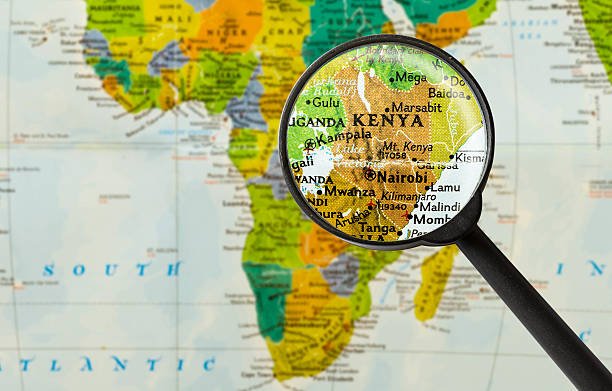
Namibia is currently the country in Africa which has the most uranium production and proven reserves, largely due to its massive mining operations in the Erongo region. This mineral wealth represents a significant portion of the global nuclear fuel supply, with the nation consistently ranking among the top three producers worldwide. The development of high-capacity mines like Husab and Rössing ensures that this territory remains a strategic hub for energy-related minerals.
The distribution of uranium across the continent is primarily concentrated in areas with specific geological formations like ancient cratons and sedimentary basins. Understanding which territories possess the largest deposits involves looking at both active mining output and the untapped potential of several nations currently undergoing intensive exploration.
These are the Countries Which Has The Most Uranium In Africa
Uranium mining in Africa has become a cornerstone of the global energy transition, providing the essential raw material for carbon-free nuclear power generation. While production is dominated by a few key players, several other nations host significant deposits that are poised for development as global demand for nuclear fuel increases. These countries utilize their natural resources to attract massive foreign direct investment, particularly from nations looking to secure their energy future. The following list identifies the leading African countries that have the most uranium based on proven reserves and current industrial activities.
1. Namibia
Namibia is the leading producer of uranium on the continent and currently holds the title of the country in Africa with the most uranium output. Its strength lies in its world-class mining operations located in the Namib Desert, specifically the Husab and Rössing mines. Husab is particularly notable as it is one of the largest granite-hosted uranium deposits in the world, owned primarily by Chinese interests through Swakop Uranium. The Rössing mine has a long history, having been in operation since the mid-1970s, showcasing the long-term stability of the Namibian mining sector. The uranium found here is typically hosted in alaskite rocks, and the country has developed a robust infrastructure to process and export the resulting yellowcake through the port of Walvis Bay. Namibia’s stable political environment and well-defined mining laws have made it a favorite for international mining conglomerates. As global spot prices for uranium fluctuate, Namibia continues to expand its exploration efforts to maintain its dominant position in the international market.
2. Niger
Niger has historically been the powerhouse of African uranium, with its high-grade deposits in the Tim Mersoi Basin making it a vital supplier to the European nuclear industry. The country is home to the Arlit and Akouta mines, which have been managed for decades by the French company Orano, formerly known as Areva. Although some older mines have reached the end of their lifecycle, Niger still possesses massive untapped reserves in projects like Imouraren, which is one of the largest uranium deposits in the world. The mining sector is the backbone of Niger’s export economy, providing a significant portion of the national budget despite the country’s landlocked geography. The uranium here is found in sandstone formations, requiring deep underground or large-scale open-pit mining techniques. While political shifts have occasionally caused concerns for investors, the sheer quality and volume of Niger's uranium ensure it remains a critical player. Future development in the region depends heavily on improved security and the recovery of global nuclear fuel prices to justify the high costs of new project commissions.
3. South Africa
South Africa possesses a unique uranium profile because its production is largely a byproduct of its massive gold mining industry in the Witwatersrand Basin. For over a century, the country has processed uranium alongside gold, making it one of the most consistent countries in Africa that have the most uranium available for export. Companies like Sibanye-Stillwater are major players in this sector, extracting uranium from the same ore bodies that yield the country's famous gold. Beyond gold-related production, South Africa also has standalone uranium deposits and significant potential in its Karoo Basin. The country has a well-developed nuclear infrastructure, including its own nuclear power plant at Koeberg, which gives it a strategic domestic interest in maintaining uranium production. The technical expertise available in South Africa’s mining schools and research institutions is unparalleled on the continent. However, the depth of many South African mines and the rising costs of electricity present ongoing challenges for the profitability of uranium extraction in the region.
4. Malawi
Malawi entered the global uranium stage in a significant way with the opening of the Kayelekera mine in the northern part of the country. Operated by the Australian firm Paladin Energy, this mine was once a major contributor to the national economy, representing a large percentage of Malawi's total exports. Although the mine was placed on standby due to a prolonged period of low uranium prices following the Fukushima incident, it remains a high-potential asset with significant remaining reserves. The geology of the Kayelekera region consists of sandstone-hosted uranium, which is relatively accessible for modern mining techniques. The government of Malawi has been working to revitalize its mining sector by offering more attractive terms to foreign investors and improving local infrastructure. As the global market for nuclear fuel recovers, Malawi is poised to restart its operations and regain its status as a top-tier producer. The country serves as an excellent example of how a smaller African nation can leverage a single mineral asset to transform its economic outlook.
5. Tanzania
Tanzania is home to the Mkuju River project, which is one of the most promising undeveloped uranium sites in East Africa. This project is owned by Mantra Tanzania, a subsidiary of the Russian state nuclear corporation Rosatom, and it has reserves estimated at over 100 million pounds of uranium oxide. The deposits are found in the Selous Game Reserve area, leading to a focus on balancing industrial development with environmental conservation. Tanzania has updated its mining laws in recent years to ensure that the state receives a fair share of the profits from its mineral wealth. While active mining has been delayed due to market conditions, the geological surveys confirm that Tanzania is an African country which has numerous uranium deposits across its southern regions. The government is keen to see this sector grow as it seeks to diversify its economy away from gold and agriculture. With the right investment climate, Tanzania could soon become a major regional hub for uranium mining and processing.
6. Botswana
Botswana is famous for its diamonds, but it also possesses substantial uranium reserves, particularly in the Letlhakane project. This project is characterized by its large, shallow, and flat-lying sedimentary deposits, which could be mined using cost-effective open-pit methods. The Letlhakane site is one of the largest undeveloped uranium projects in the world, with a resource base that attracts interest from global energy firms. Botswana’s reputation for having the best mining jurisdiction in Africa makes it an incredibly attractive location for uranium exploration and development. The country’s excellent infrastructure, including reliable roads and a stable power grid, further reduces the risks associated with building new mines. While diamonds remain the primary driver of the economy, the government is actively promoting the diversification into energy minerals like uranium and coal. As the world moves toward more sustainable energy sources, Botswana’s uranium could play a vital role in the global supply chain.
7. Zambia
Zambia’s uranium potential is closely linked to its famous Copperbelt, where uranium is often found in association with copper and cobalt deposits. Several projects, such as those in the Gwembe Valley and near the border with the Democratic Republic of Congo, have identified significant uranium mineralization. Although Zambia has not yet reached the level of production seen in Namibia or Niger, the geological similarities to other world-class basins suggest massive untapped potential. International companies have conducted extensive exploration in the country, confirming the presence of uranium in both sedimentary and hydrothermal environments. The Zambian government has expressed interest in developing its own nuclear energy program, which would provide a domestic market for its uranium production. The challenge for Zambia remains the high cost of energy and the need for more specialized processing facilities to handle complex ores. However, the long-term outlook for the Zambian uranium sector remains positive as copper mining continues to expand and uncover new mineralized zones.
8. Central African Republic
The Central African Republic (CAR) hosts the Bakouma deposit, which is one of the most significant uranium resources in the central region of the continent. This deposit was historically explored by French interests and is known for its high-grade ore, although political instability and security challenges have prevented its full-scale development. Bakouma is unique because its uranium is hosted in phosphate rocks, requiring a specific chemical processing route to extract the metal. Despite the various hurdles, the deposit remains a valuable strategic asset that continues to draw interest from international mining companies. If the country can achieve long-term stability, the Bakouma mine could provide a massive boost to the national economy and provide much-needed jobs. The international community often monitors the CAR’s uranium sector closely due to the strategic nature of the mineral. Currently, the project represents one of the largest unexploited uranium resources on the continent, waiting for the right conditions to be brought into production.
9. Mauritania
Mauritania is an emerging frontier in the African uranium sector, with the Tiris project in the northern part of the country showing great promise. This project is focused on calcrete-hosted uranium deposits, which are located near the surface and can be easily extracted using simple mining techniques. Aura Energy, the company leading the development, has conducted feasibility studies that suggest low operational costs and a quick path to production. Mauritania’s mining industry is currently dominated by iron ore and gold, but uranium is seen as a key component of its future growth strategy. The government has been supportive of the project, recognizing the potential for job creation and increased tax revenue in the remote Saharan regions. The proximity of the Tiris project to existing infrastructure and the Atlantic coast makes it logistically feasible for export to global markets. As more exploration is conducted, it is likely that Mauritania will climb higher in the rankings of uranium-rich nations.
10. Algeria
Algeria is primarily known for its oil and gas, but it also possesses significant uranium potential in its southern Saharan regions, particularly near Tamanrasset and Adrar. The country has identified several large deposits that have been studied by the state-owned nuclear research agency. While Algeria does not yet have a large-scale commercial uranium mine, its geological surveys indicate that it could be an African country which has the most uranium potential if a full-scale industrial push is made. The government has historically kept its mineral resources under tight control, but there are signs of opening up to international partnerships for specialized extraction. Algeria’s vast territory remains largely under-explored using modern airborne geophysical techniques, leaving the door open for new discoveries. The nation’s existing expertise in large-scale desert industrial operations would be a significant advantage in developing a uranium sector. As Algeria looks to diversify its energy exports, the development of its uranium reserves could provide a new and sustainable revenue stream.
Reasons Why These Countries Have The Most Uranium In Africa
1. Presence of Ancient and Stable Cratons: The primary reason for the abundance of uranium in countries like Namibia and South Africa is the presence of very old and stable geological structures known as cratons. These ancient rock formations have undergone millions of years of geological processes that allow heavy metals like uranium to concentrate into large, mineable deposits. Without these stable foundations, the uranium would have been dispersed or lost through erosion over geological time. These cratons serve as the primary host for some of the richest mineral deposits on the planet, making Africa a unique destination for explorers. The stability of these regions ensures that once a deposit is found, it is often massive in scale and consistent in grade.
2. Historic Marine Transgressions and Sedimentary Basins: Many of the uranium deposits in Niger and Botswana were formed when ancient seas covered large parts of the continent, leaving behind thick layers of organic-rich sediment. As these seas receded, the decaying organic matter created the perfect chemical environment to trap uranium flowing in groundwater. This process led to the creation of the massive sandstone-hosted deposits that are the hallmark of the country in Africa which has the most uranium potential in the Sahel region. These sedimentary basins are often very large, allowing for the establishment of multiple mines in a single region. The geological "traps" created by these ancient oceans are responsible for some of the world's most profitable uranium mines today.
3. Rise in Global Demand for Nuclear Energy: The push for a carbon-neutral global economy has led to a resurgence in the demand for nuclear power, which in turn has spurred a new wave of exploration across Africa. As nations in Europe and Asia look to reduce their dependence on fossil fuels, they are turning to African countries to secure a long-term supply of uranium. This mineral wealth has become a strategic asset, encouraging governments to invest in geological mapping and to update their mining laws. The increased market prices for uranium make previously unprofitable or remote deposits in countries like Malawi and Mauritania commercially viable. This global economic shift is the primary driver behind the current "uranium rush" seen across the continent.
4. Advanced Geophysical and Exploration Technology: The discovery of new uranium deposits in countries like Tanzania and Zambia has been made possible by the use of high-tech airborne radiometric and magnetic surveys. Modern technology allows geologists to "see" through the thick layers of soil and sand that cover much of the African interior, identifying radioactive anomalies from the air. This has led to a much higher success rate in exploration and has opened up areas that were previously thought to be barren. The application of these advanced tools has significantly increased the known reserves in many African nations over the last decade. As technology continues to improve, it is likely that even more massive deposits will be identified in under-explored regions.
5. Mining-Friendly Legislation and Foreign Investment: Nations like Namibia and Botswana have created very stable and predictable legal frameworks that encourage long-term investment from global mining giants. Uranium mining requires hundreds of millions of dollars in upfront capital and decades of commitment, which only happens in countries with secure property rights. These legislative environments protect investors while ensuring that the host country receives a fair share of royalties and taxes. This synergy between government and the private sector is a key reason why these countries have managed to develop their uranium resources so successfully. The presence of international companies brings in the technical expertise and capital needed to build world-class industrial complexes in remote desert locations.
6. Concentration of Radioactive Minerals in the Karoo Supergroup: The Karoo Supergroup is a massive geological sequence that covers large parts of Southern and East Africa, and it is known for being exceptionally rich in uranium. Countries that sit on these formations, such as South Africa, Tanzania, and Zambia, benefit from a shared geological heritage that favors the formation of uranium-rich sandstone. These formations were deposited over a vast period, during which the chemical conditions were perfect for the accumulation of uranium and other heavy metals. Geologists often focus their search on these specific rock layers because they have a high probability of hosting economic grade ore. The Karoo formations are essentially a "uranium belt" that provides a reliable roadmap for mineral exploration across multiple African borders.
Conclusion
In conclusion, when analyzing which country that has the most uranium in Africa, Namibia stands at the forefront with its massive desert operations and world-class reserves. The continent's role in the global nuclear energy sector is growing as nations like Niger, South Africa, and Botswana continue to develop their substantial deposits. These resources are not only essential for global energy security but also serve as a vital engine for economic growth and industrialization within Africa. As technology advances and the world seeks cleaner power sources, the importance of these uranium-rich nations will only continue to rise. Protecting and managing this valuable resource effectively remains a priority for the future prosperity of the entire African continent.
Enjoyed this read?
Share it with your friends and colleagues.