Which Country Has The Most Valuable Currency In Africa

BSC Insights Admin
September 30, 2026
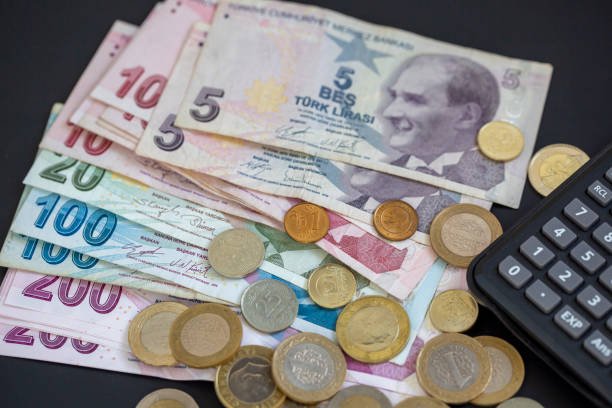
Tunisia is frequently cited as the country in Africa with the most valuable currency because of its strictly managed monetary policy and stable export-oriented economy. The Tunisian Dinar remains strong against the US Dollar due to restrictions on the export of the legal tender and the nation's consistent tourism revenue. Understanding these exchange rates is essential for investors and travelers looking to engage with diverse markets across the continent.
The strength of a legal tender reflects the underlying economic health and the fiscal discipline of a nation's central bank in relation to global markets. By examining the exchange rates of various territories, we can determine which economies are currently leading in terms of purchasing power and currency stability.
These are the Countries that have the most valuable currency in Africa
Determining the strength of a currency involves comparing its exchange rate against a global benchmark, typically the United States Dollar. In Africa, many nations have opted for different monetary regimes, ranging from fixed pegs to managed floats, to protect their economies from the volatility of international trade. While high numbers in an exchange rate might seem like a disadvantage, they often represent a high denomination value resulting from historical re-denominations or decades of fiscal conservatism. The following list identifies the leading African countries that have the most valuable currency based on their current market exchange rates and the relative purchasing power they afford their citizens.
1. Tunisia
The Tunisian Dinar is widely recognized as the most valuable currency on the continent, with an exchange rate that typically hovers around 3.10 Dinars to one United States Dollar. The strength of this currency is largely due to the Central Bank of Tunisia making it a criminal offense to import or export the Dinar, which helps to minimize the effects of global currency speculation. This closed economy approach ensures that the value of the Dinar is maintained through domestic stability and a strong focus on exporting textiles and agricultural products to the European Union. Furthermore, the country has a well-developed tourism sector that brings in a steady stream of foreign exchange, supporting the reserve requirements of the central bank. While the currency is not traded on international forex markets in the same way as the Rand, its internal purchasing power and high exchange value make it a standout. Tunisia has managed to avoid the hyperinflation seen in other regions by maintaining a tight grip on its money supply and fiscal deficit.
2. Libya
Libya is an African country which has the most valuable currency when considering its long-term peg against the Special Drawing Rights of the International Monetary Fund. The Libyan Dinar maintains an official exchange rate of approximately 4.80 Dinars to one US Dollar, a value that is backed by the nation's massive crude oil reserves. Despite years of political unrest and internal division, the Central Bank of Libya has managed to keep the official rate relatively stable, even though a parallel market often exists at different rates. The reliance on oil exports provides the country with the necessary foreign currency reserves to support the Dinar's high valuation. For many years, the Dinar was actually stronger than it is today, but even with recent devaluations, it remains near the top of the list. The Libyan people benefit from this strong currency when importing essential goods, though the economic landscape remains complex due to the heavy reliance on a single commodity. As the country moves toward political stabilization, the Dinar is expected to remain a powerful tool for economic recovery.
3. Morocco
The Moroccan Dirham is another strong contender, typically exchanging at around 10 Dirhams for every one United States Dollar. This currency is managed by Bank Al-Maghrib through a basket peg that is weighted toward the Euro and the US Dollar, reflecting Morocco's primary trading relationships with Europe. The Moroccan economy is highly diversified, with significant contributions from phosphates, agriculture, and a rapidly growing automotive manufacturing sector. This economic diversity provides a stable foundation for the Dirham, protecting it from the price shocks that often affect nations relying solely on a single export. Additionally, the country has successfully positioned itself as a bridge between Africa and Europe, attracting significant foreign direct investment that keeps the currency in high demand. Morocco's commitment to liberalizing its economy while maintaining a stable exchange rate has made the Dirham a reliable store of value for regional investors. The relative stability of the Dirham makes it one of the most trusted currencies for cross-border trade in North Africa.
4. Botswana
Botswana is famous for the Pula, which is often considered the country in Africa with the most valuable currency in the southern region. The Pula currently exchanges at approximately 13.50 units to one US Dollar and has been a symbol of African economic success since its introduction in 1976. Botswana's economy is underpinned by its massive diamond mining industry, which is managed through a successful partnership between the government and the De Beers Group. The Pula is managed through a "crawling peg" mechanism against a basket of currencies, including the South African Rand and the Special Drawing Rights. This system allows the Pula to remain competitive while avoiding the extreme fluctuations seen in neighboring South Africa. Botswana’s high level of transparency and its sovereign wealth fund, the Pula Fund, have created an environment of trust that supports the currency's value. The word Pula itself means rain in the Setswana language, highlighting how precious the currency is to the desert nation's prosperity.
5. Seychelles
The Seychellois Rupee is the strongest currency in the Indian Ocean region of Africa, with an exchange rate of roughly 13.80 Rupees to one US Dollar. Seychelles has a unique economy that is almost entirely driven by high-end tourism and industrial fishing, particularly tuna exports. Because of its small population and high GDP per capita, the demand for the Rupee remains relatively high among locals and international hospitality investors. The Central Bank of Seychelles moved to a floating exchange rate regime in 2008 following an economic crisis, and since then, the Rupee has staged a remarkable recovery. The country's strict adherence to fiscal reforms and its success in maintaining a pristine environmental image have kept the tourism industry thriving and the currency stable. Many foreign investors view the Seychellois Rupee as a safe bet compared to the more volatile currencies on the African mainland. Its value is a reflection of the island nation's ability to manage a niche, luxury-oriented economy with great efficiency.
6. Eritrea
The Eritrean Nakfa is a unique case because it is pegged at a fixed rate of 15 Nakfa to one United States Dollar. While this fixed rate is strictly enforced by the government for all official transactions and imports, it does not always reflect the fluctuating realities of the informal market. The Nakfa replaced the Ethiopian Birr in 1997 as a symbol of Eritrea's independence and its desire for monetary sovereignty. The government maintains this high value to keep the cost of essential imports like food and fuel manageable for the general population. Because the currency is not openly traded on international markets, its value is largely determined by government policy rather than market demand. This centralized control allows the state to manage its meager foreign exchange reserves with a high degree of precision. However, this also means that the currency's strength is more of a policy choice than a reflection of a diverse and booming export economy. Despite these limitations, the Nakfa remains a high-value denomination in the regional context of East Africa.
7. South Africa
The South African Rand is perhaps the most well-known and most traded currency on the continent, with an exchange rate that usually sits between 17 and 19 Rand to one US Dollar. While its numerical value might be lower than the Dinar or the Pula, the Rand is considered highly valuable because of its massive liquidity and its role as a regional benchmark. The Rand is the legal tender of the Common Monetary Area, which includes Namibia, Lesotho, and Eswatini, making it a critical currency for Southern African integration. South Africa’s economy is the most industrialized on the continent, with deep capital markets and a world-class banking system that supports the Rand’s international status. The value of the Rand is often sensitive to changes in global commodity prices, such as gold and platinum, as well as shifts in international investor sentiment toward emerging markets. Despite periods of volatility, the Rand remains a cornerstone of African finance and the primary currency for many of the continent's largest corporations. Its strength lies in its transparency and the sophisticated monetary policy of the South African Reserve Bank.
8. Namibia
The Namibian Dollar is pegged one-to-one with the South African Rand, meaning its value is identical to that of its southern neighbor at roughly 18 to one US Dollar. This arrangement, part of the Common Monetary Area, provides Namibia with a stable exchange rate and eases the cost of trade with its primary economic partner. Namibia is a major producer of diamonds, uranium, and beef, all of which provide the foreign exchange necessary to support its side of the peg. By linking its currency to the Rand, Namibia avoids the costs associated with managing an independent float while benefiting from South Africa's deep financial markets. The Namibian Dollar is used alongside the Rand within the country, giving citizens and visitors significant flexibility in their transactions. This stability has helped Namibia maintain one of the highest credit ratings in Africa for many years. The currency reflects a pragmatic approach to regional economics, where stability is prioritized to attract mining and tourism investment.
9. Zambia
The Zambian Kwacha has experienced significant fluctuations in recent years but remains one of the more valuable currencies in Africa, currently trading at around 26 Kwacha to one US Dollar. Zambia is one of the world's largest producers of copper, and the value of the Kwacha is often a direct reflection of global copper prices. When copper prices are high, the Kwacha strengthens significantly, as seen in various periods over the last decade. The government has recently undergone a major debt restructuring process, which has helped to stabilize the currency and restore investor confidence. The Kwacha is a floating currency, and its value is determined by market forces, making it a true indicator of the nation's economic pulse. Zambia's fertile land and growing agricultural exports are also beginning to provide a secondary support base for the currency. While it has faced challenges with inflation, the Kwacha remains a significant and valuable medium of exchange in the Southern African interior.
10. Ghana
The Ghanaian Cedi has a high denomination value following a major re-denomination in 2007, where four zeros were removed to simplify the currency. Today, the Cedi exchanges at approximately 15 to 16 units per one US Dollar, placing it among the countries in Africa that have the most valuable currency by denomination. Ghana's economy is fueled by gold, cocoa, and more recently, offshore oil production, which has made it one of the fastest-growing economies in West Africa. The Cedi has faced some pressure in recent years due to fiscal challenges, but it remains a symbol of Ghana's transition into a middle-income country. The Bank of Ghana uses an inflation-targeting framework to manage the currency, aiming to provide a stable environment for the country's vibrant private sector. For many investors, the Cedi represents the gateway to the West African market, especially as Accra serves as the headquarters for the African Continental Free Trade Area. Its relatively high value compared to other West African currencies reflects the country's long-term commitment to economic reform.
Reasons Why These Countries Have a Valuable Currency in Africa
1. Strict Monetary Controls and Export Restrictions: Several of the top nations, most notably Tunisia and Libya, maintain the value of their legal tender by preventing it from being freely traded on international markets. By making it illegal to take large amounts of the currency out of the country, these governments can prevent speculative attacks and artificial devaluations that often plague other emerging economies. This creates a "managed" value that is primarily focused on domestic stability and the controlled import of essential goods. While this can make international business more complex, it ensures that the local purchasing power of the citizens is protected from the whims of global forex traders. This strategy is a primary reason why certain African countries that have the most valuable currency can maintain such high exchange rates even during global economic downturns.
2. Abundance of High-Value Natural Resources: The most valuable currencies on the continent are almost always backed by massive reserves of commodities like oil, diamonds, gold, or copper. In Libya, the Dinar is essentially an oil-backed currency, while in Botswana, the Pula is inextricably linked to the success of the diamond industry. These resources provide a constant inflow of "hard" currencies like the US Dollar and the Euro, which central banks use to support their own legal tender. When a country can consistently export billions of dollars worth of minerals, it creates a natural demand for its currency and provides the foreign exchange reserves needed to defend its value. Without these natural riches, many of the currencies on this list would likely see significant depreciation against global benchmarks.
3. Successful Implementation of Currency Re-denominations: Countries like Ghana and Zambia have maintained a high value for their currencies by physically changing the denomination to remove excess zeros accumulated during periods of past inflation. In 2007, Ghana performed a "re-denomination" where 10,000 old Cedis became one new Cedi, instantly making it one of the numerically strongest currencies on the planet. This process does not inherently change the wealth of the nation, but it simplifies accounting, reduces the cost of printing money, and boosts psychological confidence in the legal tender. It allows the country in Africa with the most valuable currency to project an image of stability and modernity to international investors. This administrative tactic has been used effectively to "reset" the economic narrative after a period of fiscal instability.
4. Fiscal Discipline and Low Inflation Targets: Nations like Botswana and Morocco have maintained the value of their currencies through decades of conservative fiscal policy and a commitment to keeping inflation low. By ensuring that the government does not spend beyond its means and that the central bank remains independent, these countries prevent the oversupply of money that leads to devaluation. Investors are more willing to hold a currency when they believe the central bank will protect its purchasing power over the long term. This trust is built through years of consistent policy and transparency, making currencies like the Pula and the Dirham highly sought after in regional trade. High interest rates are often used as a tool in these countries to attract foreign capital and keep the currency strong.
5. Diversified Economies with Strong Export Sectors: Morocco and Tunisia have avoided the "resource curse" by developing strong manufacturing and service sectors that provide a steady stream of foreign income. When a country exports a wide range of products—from cars and aircraft parts to olive oil and textiles—it is less vulnerable to a crash in a single commodity price. This economic resilience translates directly into currency stability, as there is always a diverse group of international buyers who need the local currency to pay for goods. These nations also benefit from their proximity to the European market, which provides a massive and reliable destination for their exports. A diversified economy is the best long-term defense for any country in Africa which has the most valuable currency as it provides multiple pillars of support for the exchange rate.
6. Pegging to Strong International Currencies: Many of the stronger currencies in Africa, including the Moroccan Dirham and the Namibian Dollar, derive their value from being pegged to a "basket" of global currencies or a single strong neighbor. Namibia and the other members of the Common Monetary Area peg their legal tender to the South African Rand, which is the most liquid currency on the continent. Morocco uses a basket of the Euro and the US Dollar to ensure that its exchange rate does not fluctuate too wildly against its major trading partners. This "borrowed stability" allows smaller economies to enjoy the confidence and liquidity of larger markets without having to build their own global financial infrastructure from scratch. Pegging is a strategic choice that provides a predictable environment for international business and keeps inflation in check.
Conclusion
In summary, the investigation into which country that has the most valuable currency in Africa identifies Tunisia and Libya as the leaders in terms of sheer exchange rate value against the US Dollar. These high valuations are not accidental but are the result of strategic monetary controls, massive natural resource backing, and careful economic management. While numerical value is not the only indicator of a healthy economy, a strong currency provides significant benefits for importing nations and serves as a point of national pride. As the African Continental Free Trade Area continues to expand, the stability and value of these currencies will play a vital role in integrating regional markets and facilitating prosperity. Ultimately, the strength of an African currency is a testament to a nation's ability to navigate the complex waters of global finance while protecting its domestic interests. Understanding these dynamics is key for anyone looking to grasp the evolving economic power of the country in Africa with the most valuable currency today.
Enjoyed this read?
Share it with your friends and colleagues.