Which Country Has Nuclear Weapons In Africa

BSC Insights Admin
September 30, 2026
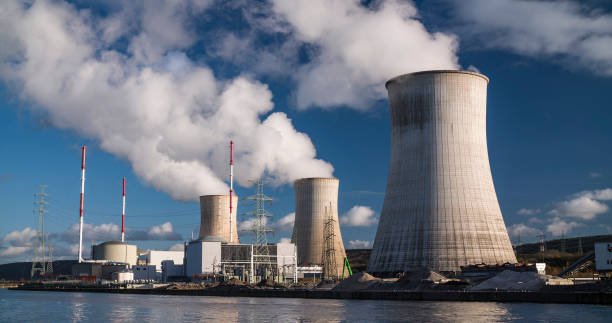
Determining which country that has nuclear weapons in Africa currently yields a result of zero, as the continent is officially a nuclear-weapon-free zone under international law. South Africa remains the only nation on the continent to have successfully developed a nuclear arsenal, which it subsequently dismantled in its entirety during the early 1990s. This historic decision makes Africa a unique example in global geopolitics, showcasing a voluntary transition from an atomic power to a leader in non-proliferation efforts.
While no nation currently possesses these weapons, several countries have historical programs or significant nuclear research infrastructures that contribute to the regional security dialogue. Understanding the history of these programs and the legal frameworks that prevent their resurgence is essential for a complete view of African international relations.
These are the Countries that have influenced the history of which country has nuclear weapons in Africa
The history of atomic technology on the continent is deeply intertwined with the Cold War and the struggle for national sovereignty. While the ultimate goal for most was energy production and scientific advancement, a few nations explored the military applications of nuclear science. Today, the African Nuclear-Weapon-Free Zone Treaty, also known as the Treaty of Pelindaba, ensures that the continent remains free of these weapons, yet the legacy of past ambitions still lingers in the halls of global diplomacy. The following list details the nations that have had the most significant impact on the nuclear conversation within the region, ranging from those that built actual devices to those that provided the raw materials for the world's first atomic bombs. We will examine how each nation’s journey has shaped the current status of nuclear technology in this vast and diverse part of the world.
1. South Africa
South Africa is the most significant African country which has nuclear weapons in its historical record, having produced six deliverable atomic devices in the 1980s. The program was initiated during a time of intense regional conflict and international isolation, with the government seeking a deterrent against perceived external threats. These weapons were designed at the Pelindaba facility near Pretoria, utilizing enriched uranium produced through a unique domestic process. In a move that surprised the world, the government of F.W. de Klerk decided to dismantle the entire program in 1989, just as the Cold War was ending and the country was transitioning toward democracy. By 1991, South Africa became the first nation to voluntarily give up its nuclear status and joined the Non-Proliferation Treaty as a non-nuclear state. This transition remains one of the most remarkable examples of disarmament in history, proving that a nation can find security through diplomacy rather than mass destruction. Today, South Africa remains a leader in civil nuclear technology, operating the only commercial nuclear power plant on the continent at Koeberg.
2. Libya
Libya is frequently cited as a country in Africa has nuclear weapons ambitions in the past, particularly under the long rule of Muammar Gaddafi. For several decades, the Libyan government secretly attempted to acquire the technology and materials needed to build an atomic bomb through various underground networks, including the infamous A.Q. Khan network. These efforts included the purchase of centrifuge components and uranium enrichment blueprints that were hidden from international inspectors. However, following the 2003 invasion of Iraq and a desire to normalize relations with the West, Gaddafi made a shock announcement that Libya would abandon its pursuit of weapons of mass destruction. The entire program was dismantled under the supervision of the International Atomic Energy Agency, and the hardware was shipped to the United States for disposal. This event was a major victory for international non-proliferation efforts and signaled a shift in Libyan foreign policy at the time. Despite the program's failure to produce a working weapon, the scale of the ambition was a serious concern for regional and global security for many years.
3. Algeria
Algeria is an African countries that have nuclear weapons research capabilities that once caused significant international concern during the early 1990s. This concern stemmed from the secret construction of the Es Salam nuclear reactor at Ain Oussera, which was built with assistance from China. Western intelligence agencies feared that the reactor’s size and the lack of international oversight meant it could potentially be used to produce plutonium for military purposes. After intense diplomatic pressure, Algeria agreed to place the facility under International Atomic Energy Agency safeguards and eventually signed the Non-Proliferation Treaty in 1995. The Algerian government has consistently maintained that its nuclear program is strictly for peaceful purposes, such as medical research and future energy production. Today, Algeria remains one of the most advanced nations in Africa in terms of nuclear science, boasting multiple research reactors and a sophisticated workforce. The transparency of its current operations has largely alleviated the fears that were once prevalent in the international community during the late 20th century.
4. Egypt
Egypt has a long history of nuclear research that dates back to the 1950s under President Gamal Abdel Nasser, who sought to make Egypt a scientific leader in the Arab world. While Egypt never officially launched a dedicated weapons program, there were several periods where the government considered the nuclear option in response to regional tensions. The ETRR-1 and ETRR-2 research reactors at Inshas have provided the country with significant experience in nuclear physics and reactor operations for over sixty years. Egypt was a key advocate for the creation of a Middle East Nuclear-Weapon-Free Zone, reflecting its diplomatic stance on regional disarmament. In recent years, the country has shifted its focus toward large-scale civil power production, signing a massive deal with Russia to build the El Dabaa nuclear power plant. This project aims to provide a substantial portion of Egypt’s electricity needs and cement its position as a regional hub for energy technology. Despite its past interests, Egypt remains a steadfast signatory of the Pelindaba Treaty and the NPT, rejecting the pursuit of atomic weaponry.
5. Democratic Republic of the Congo (DRC)
The Democratic Republic of the Congo is not a country in Africa has nuclear weapons, but it provided the essential raw material for the world’s first atomic bombs. The Shinkolobwe mine in the Katanga province was the source of the uranium used by the Manhattan Project to create the bombs dropped on Hiroshima and Nagasaki. The uranium from Shinkolobwe was uniquely high-grade, containing percentages of ore that were unheard of in other parts of the world at that time. This made the DRC a strategic priority for the United States during and after World War II, leading to intense security around the mining site. Although the mine was officially closed in the 1960s, it remains a site of international concern due to illegal artisanal mining and the potential for radioactive material to fall into the wrong hands. The DRC’s nuclear history is thus one of supply rather than development, but its impact on the global atomic age is unparalleled. The nation currently hosts a small research reactor in Kinshasa, which is used for academic and medical purposes under international supervision.
6. Nigeria
Nigeria is an African country which has nuclear weapons research interests that are purely focused on energy and medicine, although it has significant infrastructure. The Nigeria Atomic Energy Commission was established to oversee the development of a civil nuclear program intended to solve the country’s perennial power shortages. Nigeria operates a small research reactor at the Ahmadu Bello University in Zaria, which is used for training and the production of radioisotopes. While there were occasionally internal debates during military regimes about the strategic value of nuclear power, Nigeria has always remained committed to its international obligations. As a leading voice in the African Union, Nigeria played a pivotal role in the negotiation and ratification of the Treaty of Pelindaba. The government is currently exploring partnerships with international firms to build its first commercial nuclear power stations to support its massive and growing population. Nigeria’s approach serves as a model for how a large African nation can pursue nuclear technology without triggering regional arms races or security concerns.
7. Niger
Niger is a critical player in the global nuclear cycle because it is one of the world's largest producers of uranium ore. While Niger is not an African country which has nuclear weapons, the security of its mines is a matter of intense international scrutiny because of the potential for the ore to be diverted for illicit enrichment. The Arlit and Akouta mines have supplied uranium to French nuclear power plants and other global markets for decades, making Niger a strategic partner for the European Union. In the early 2000s, Niger became the center of a major geopolitical controversy when false claims were made about it selling uranium to Iraq, an event that was used as a pretext for the Iraq War. This incident highlighted the sensitivity of Niger’s mineral wealth and the constant surveillance of its export activities. The government of Niger has consistently worked with the IAEA to ensure that its mining operations meet international safety and security standards. The wealth generated from these mines is a primary source of foreign exchange, yet it also places Niger at the heart of global non-proliferation discussions.
8. Namibia
Namibia is another massive supplier of uranium to the global market, hosting some of the largest open-pit mines in the world, such as Rössing and Husab. Like Niger, Namibia does not seek to be a country in Africa has nuclear weapons, but its role as a resource provider is essential for the global nuclear industry. The Rössing mine has been in operation since the 1970s and has a long history of supplying uranium to power utilities across the globe. Namibia’s government has adopted a very professional and transparent approach to mineral management, ensuring that all exports are strictly accounted for under international treaties. The country’s vast desert landscapes provide an ideal environment for mining operations, and the industry is a major employer and contributor to the national GDP. Namibia is a signatory to the Pelindaba Treaty, reinforcing its commitment to a nuclear-free continent while benefiting from the civil applications of its resources. The stability and transparency of the Namibian mining sector provide a secure link in the global nuclear fuel supply chain.
9. Morocco
Morocco has established itself as a regional leader in nuclear research and safety, focusing on the application of nuclear science in agriculture, medicine, and water management. The Maâmora Nuclear Research Center near Rabat houses a TRIGA research reactor that is used for a wide variety of scientific projects and training. Morocco has shown significant interest in developing nuclear power as part of its strategy to achieve energy independence and reduce its reliance on fossil fuel imports. The government has frequently consulted with the IAEA to build a regulatory framework that could support a future commercial nuclear power industry. Morocco is also very active in international efforts to prevent nuclear terrorism, frequently hosting workshops and training sessions for regional security officials. By focusing on the "safety and security" aspect of nuclear technology, Morocco has gained the trust of the international community. The nation is a firm supporter of the Treaty of Pelindaba, ensuring that its technological advancements remain strictly within the bounds of peaceful use.
10. Ghana
Ghana is a pioneer in West African nuclear research, having established its Atomic Energy Commission shortly after gaining independence in 1957. Under President Kwame Nkrumah, Ghana sought to use nuclear energy to accelerate national industrialization and development, although the program faced many setbacks due to political instability. Today, Ghana operates a miniature neutron source reactor (MNSR) provided by China, which is used primarily for education and industrial analysis. The Ghanaian government has recently announced plans to integrate nuclear energy into its national power mix to support its growing industrial sector. This process involves a meticulous "milestones" approach developed by the IAEA to ensure that the country is fully prepared for the responsibilities of operating a nuclear power plant. Ghana’s commitment to transparency and its active participation in the global non-proliferation regime are central to its national energy policy. As it moves toward building its first power reactor, Ghana continues to uphold the principles of a nuclear-weapon-free Africa, focusing entirely on the socioeconomic benefits of the technology.
Reasons Why These Countries pursued or rejected nuclear weapons in Africa
1. Deterrence Against Regional Threats: Historically, the primary reason a country in Africa has nuclear weapons ambitions was the perceived need for a strategic deterrent. In the case of South Africa, the apartheid government felt surrounded by hostile neighbors and influenced by the "Total Onslaught" of communist expansion in Southern Africa. Having a nuclear arsenal was seen as the ultimate insurance policy that would force the international community to intervene or at least prevent a direct invasion of South African territory. This motivation for security through deterrence is a common theme in the history of nuclear proliferation worldwide.
2. National Prestige and Scientific Sovereignty: Many African nations viewed the acquisition of nuclear technology as a symbol of modernity and scientific independence. For leaders like Kwame Nkrumah of Ghana or Gamal Abdel Nasser of Egypt, building research reactors was a way to prove that African and Arab nations could master the most advanced sciences of the age. This was often seen as a form of "technological decolonization" where newly independent states sought to bridge the gap with their former colonial masters. While these programs were mostly peaceful, the prestige associated with nuclear capability was a powerful driver of national policy.
3. Geopolitical Bargaining Chips: In some instances, the pursuit of a nuclear program was used as a tool for international diplomacy and bargaining. Libya’s secret program under Gaddafi was often viewed as a way to gain leverage against Western powers and establish Libya as a leader in the Islamic and African worlds. However, the eventual abandonment of the program was also used as a bargaining chip to end international sanctions and rejoin the global community. This shows that nuclear capability can be as valuable for what you are willing to give up as it is for what you actually possess.
4. Economic Development and Energy Security: The most modern reason why countries in Africa that have nuclear weapons research facilities continue to invest in this field is the desperate need for reliable electricity. With nearly 600 million people on the continent lacking access to power, nuclear energy is viewed by nations like Egypt, Nigeria, and Ghana as a stable, carbon-free solution for the 21st century. These civil programs are strictly monitored to ensure they do not transition into military ones, but the underlying technological requirements remain the same. Energy security is now the primary motivator for nuclear science across the African continent.
5. Adherence to Global Norms and the Pelindaba Treaty: The reason why Africa remains a nuclear-free zone today is a collective commitment to international law and the lessons learned from the Cold War. The African Nuclear-Weapon-Free Zone Treaty, which entered into force in 2009, prohibits the research, development, and possession of nuclear explosive devices on the continent. African leaders realized that a nuclear arms race would divert precious resources from development and increase the risk of catastrophic conflict. This continental solidarity is a major reason why no current African nation pursues these weapons, preferring instead to focus on regional integration and economic growth.
6. Environmental and Humanitarian Concerns: The legacy of nuclear testing on African soil has also played a role in the continent's rejection of atomic weaponry. In the 1960s, France conducted several atmospheric and underground nuclear tests in the Algerian Sahara, which had long-lasting environmental and health consequences for local populations. These events galvanized African nations against the presence of nuclear weapons on their territory and fueled the movement that eventually led to the Pelindaba Treaty. The memory of these tests serves as a constant reminder of the destructive power of nuclear technology and reinforces the continent's resolve to remain nuclear-free for the benefit of future generations.
Conclusion
Ultimately, there is currently no which country that has nuclear weapons in Africa, as the continent has successfully transitioned into a recognized nuclear-weapon-free zone. South Africa stands as the only historical exception, having built and then completely destroyed its arsenal in a move that remains a cornerstone of global disarmament history. Today, the focus for nations like Egypt, Nigeria, and Ghana has shifted toward the peaceful application of nuclear science to solve energy and medical challenges. The Treaty of Pelindaba ensures that the continent's mineral wealth, specifically its uranium, is used for the advancement of humanity rather than its destruction. As Africa continues to grow and industrialize, its commitment to remaining free of atomic weapons provides a powerful example of how regional cooperation can enhance global security. The country in Africa has nuclear weapons narrative is thus one of responsibility and a collective choice for peace over proliferation.
Enjoyed this read?
Share it with your friends and colleagues.