Which Country Are In West Africa

BSC Insights Admin
September 30, 2026
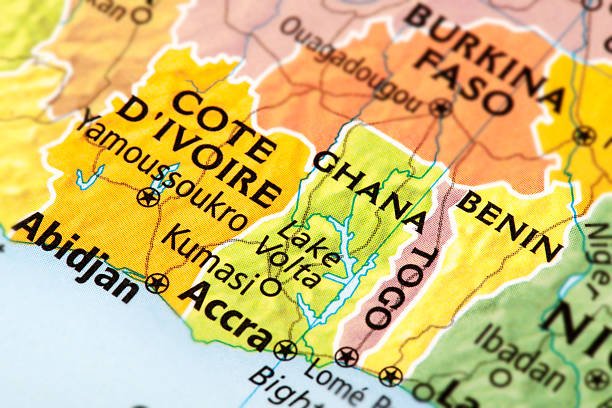
Which countries are in West Africa is a query that encompasses sixteen sovereign nations that are recognized by international bodies like the United Nations and the African Union. These territories occupy a vast geographic area spanning from the arid Saharan landscapes in the north to the lush tropical forests along the Gulf of Guinea. Each of these nations possesses a unique cultural identity and contributes significantly to the economic and social development of the wider African continent.
The region is characterized by its high levels of ethnic diversity and a storied history that includes powerful ancient empires and significant colonial transformations. Exploring these states individually provides a clearer picture of the geographical and political fabric that makes up this vital part of the African landmass today.
These are the Countries in West Africa
Identifying the specific nations within this subregion requires a look at their collective membership in regional organizations such as the Economic Community of West African States (ECOWAS). While geography defines their borders, shared economic goals and cultural ties unify these states into a cohesive regional bloc. The following list provides a comprehensive look at the sixteen countries that form the modern map of West Africa, detailing their geographic, economic, and cultural significance.
1. Benin
Benin is a relatively small nation located on the Gulf of Guinea, bordered by Togo to the west and Nigeria to the east. The country has a population of approximately 13 million people and is historically significant as the birthplace of the Vodun religion and the site of the ancient Dahomey Kingdom. Its political capital is Porto-Novo, while the bustling port city of Cotonou serves as the primary economic hub and the seat of government. Benin relies heavily on agriculture, particularly the production of cotton, which accounts for nearly 40 percent of its Gross Domestic Product and a huge portion of its export earnings. For example, the historic town of Ouidah attracts thousands of visitors annually who come to learn about the history of the trans-Atlantic trade and the rich artistic traditions of the local people.
2. Burkina Faso
Burkina Faso is a landlocked country situated in the heart of West Africa, surrounded by six neighbors including Mali, Niger, and Ghana. The nation is mostly a flat plateau with scattered hills, and its name translates to the Land of Incorruptible People. Ouagadougou is the capital and largest city, serving as a major center for African cinema and hosting the biannual FESPACO film festival. The economy is primarily driven by agriculture and gold mining, with gold recently surpassing cotton as the leading export commodity. Burkina Faso is known for its resilient population and a vibrant culture that places high value on traditional music and oral storytelling. Many rural communities continue to practice subsistence farming, growing millet and sorghum to sustain their local villages despite the challenges of the Sahelian climate.
3. Cape Verde
Cape Verde, officially known as Cabo Verde, is an island nation consisting of an archipelago of ten volcanic islands in the central Atlantic Ocean. Located west of Senegal, it is one of the most stable and democratic nations on the continent, boasting a high literacy rate and a stable middle-income economy. Praia is the capital city, located on the island of Santiago, where the majority of the population resides. The economy is heavily dependent on services, tourism, and remittances from its large global diaspora, as the islands lack significant natural resources and arable land. Cape Verde is famous for its unique Creoulo culture and world-renowned Morna music, made famous globally by the late singer Cesaria Evora. The country serves as a vital bridge between Africa, Europe, and the Americas due to its strategic maritime location.
4. Gambia
The Gambia is the smallest country on mainland Africa and is almost entirely surrounded by Senegal, except for its short coastline along the Atlantic Ocean. The nation is defined by the Gambia River, which flows through its center and provides essential water for transport, fishing, and agriculture. Banjul is the capital city, situated on an island at the mouth of the river, while Serekunda is the largest urban area and economic center. Tourism is a primary driver of the economy, with many visitors arriving from Europe to enjoy the country birdwatching opportunities and sunny beaches. For instance, the Kunta Kinteh Island serves as a poignant historical landmark that draws tourists interested in the roots of African American history. Agriculture also plays a role, with peanuts being the main export crop for many Gambian farmers.
5. Ghana
Ghana is widely recognized as a pioneer of African independence, being the first sub-Saharan nation to gain sovereignty from colonial rule in 1957. It is known for its stable democracy, vibrant culture, and its status as one of the world top producers of cocoa and gold. The capital, Accra, is a fast-growing metropolis that has become a major hub for technology, fashion, and the arts in West Africa. Ghana possesses a diverse landscape ranging from the coastal savannas to the dense rainforests in the interior. The country has also become a significant oil producer in recent years, further diversifying its already robust economy. Notably, the Cape Coast Castle remains a vital site for historical tourism, reflecting the deep and complex history of the region. Ghana’s commitment to education and regional leadership has made it a favorite for international partnerships and investment.
6. Guinea
Guinea is a nation rich in natural resources, possessing approximately one-third of the world proven bauxite reserves, which are essential for aluminum production. Conakry is the capital and largest city, located on a peninsula that juts into the Atlantic Ocean, serving as the main port and administrative center. The country is often called the water tower of West Africa because several major rivers, including the Niger and the Senegal, originate in its mountainous highlands. Despite its mineral wealth, a large portion of the population is engaged in subsistence agriculture, growing rice, coffee, and tropical fruits. Guinea features a unique blend of ethnic groups, with the Fulani, Malinke, and Soussou being the most prominent. The nation is working to improve its infrastructure and political stability to fully unlock the economic potential of its vast gold and iron ore deposits.
7. Guinea-Bissau
Guinea-Bissau is a small tropical country on the West African coast known for its diverse ethnic groups and the stunning Bijagos archipelago. Bissau is the capital and largest city, featuring colonial-era architecture and a relaxed atmosphere along its coastal ports. The economy is heavily dependent on agriculture, with the export of cashew nuts being the primary source of foreign exchange earnings. In fact, Guinea-Bissau is consistently ranked among the top five producers of cashews globally, providing a livelihood for many rural families. The country has faced periods of political instability since independence, but it remains a nation of great environmental beauty with vast mangrove forests and rich fishing grounds. Its unique culture is a fusion of indigenous traditions and Portuguese influences, which is particularly evident in its music and local cuisine.
8. Ivory Coast
Ivory Coast, officially known as Cote d'Ivoire, is the economic powerhouse of Francophone West Africa and the world leading producer of cocoa beans. The country has experienced impressive economic growth rates, often exceeding 7 percent annually, driven by its agricultural exports and a burgeoning manufacturing sector. Abidjan is the largest city and economic heart, while Yamoussoukro serves as the official political capital and home to the massive Basilica of Our Lady of Peace. The nation features a well-developed infrastructure, including modern ports and a growing network of highways that facilitate regional trade. Ivory Coast is a diverse nation with over 60 ethnic groups, contributing to a rich cultural tapestry of music, dance, and art. Its stable business environment has made it a primary destination for foreign direct investment in the region, particularly from European and Asian markets.
9. Liberia
Liberia holds a unique place in history as the oldest modern republic in Africa, having been founded by freed slaves from the United States in 1847. Its capital, Monrovia, was named after the American President James Monroe and remains the political and commercial center of the country. The nation is rich in natural resources, including iron ore, timber, and rubber, which are the mainstays of its export economy. For many years, the Firestone rubber plantation was one of the largest in the world, highlighting the country's industrial links with global markets. After overcoming a difficult period of civil conflict, Liberia has made significant progress in national reconciliation and institutional rebuilding. It was also the first African nation to elect a female head of state, which marked a significant milestone in the continent political development. The country features vast stretches of pristine rainforest that are vital for global biodiversity conservation.
10. Mali
Mali is a landlocked nation with a glorious history as the center of the Great Mali Empire, which was once one of the wealthiest states in the world. The country is characterized by the Sahara Desert in the north and the more fertile Niger River valley in the south. Bamako is the capital and one of the fastest-growing cities in Africa, serving as a hub for traditional music and West African trade. Mali is famous for the ancient city of Timbuktu, which was a historic center for Islamic learning and a vital node in the trans-Saharan trade routes. The economy relies heavily on gold mining and agriculture, with cotton and livestock being the primary products for millions of Malians. Despite current security challenges, the nation remains a cultural giant, known for its world-class musicians and unique mud-brick architecture. The Great Mosque of Djenne is a prime example of this architectural heritage, attracting scholars and architects from around the world.
11. Mauritania
Mauritania is a vast country that acts as a bridge between the Arab Maghreb of North Africa and the sub-Saharan West African nations. The landscape is predominantly desert, but the country possesses a long coastline with some of the richest fishing grounds in the world. Nouakchott is the capital and largest city, having grown rapidly from a small coastal village to a bustling metropolis since independence. The economy is driven by the export of iron ore, gold, and fish, which provide the bulk of the national revenue. Mauritania is an Islamic Republic, and its culture is deeply influenced by both Arab-Berber and sub-Saharan African traditions. The nation is also developing its offshore natural gas reserves, which are expected to transform its economic future in the coming decades. Traditional nomadic lifestyles continue to exist alongside modern urban developments, reflecting a society in transition.
12. Niger
Niger is a large landlocked country in the Sahel region, named after the Niger River which flows through its southwestern part. Most of the territory is covered by the Sahara Desert, and the majority of the population lives in the south where farming and livestock herding are possible. Niamey is the capital city, serving as the political, cultural, and economic center of the nation. Niger is one of the world leading producers of uranium, which is a critical component of its export economy and a major interest for international energy companies. The country has a rich cultural heritage, including the famous Cure Salee festival celebrated by nomadic pastoralists in the northern regions. Despite facing environmental challenges like frequent droughts, the people of Niger are known for their resilience and their traditional artisanal crafts. The nation is also working to develop its oil sector to provide additional revenue for infrastructure and education projects.
13. Nigeria
Nigeria is the most populous country in Africa, with over 220 million people, and possesses the continent largest economy by Gross Domestic Product. It is a major global player in the oil and gas industry, but it also has a rapidly growing technology and telecommunications sector centered in Lagos. Lagos is one of the world largest megacities and a primary driver of African innovation, fashion, and music. The nation is incredibly diverse, with over 250 ethnic groups, the largest being the Hausa, Yoruba, and Igbo. Nigeria film industry, known as Nollywood, is the second largest in the world by volume, producing thousands of movies that are watched across the globe. Abuja is the planned capital city, located in the center of the country to serve as a symbol of national unity. Nigeria’s massive market size and entrepreneurial spirit make it an essential destination for anyone studying which countries are in West Africa today.
14. Senegal
Senegal is located at the westernmost point of the African continent and is widely regarded as one of the most stable democracies in the region. Its capital, Dakar, is a major regional port and a hub for international diplomacy, hosting numerous regional headquarters for global organizations. The economy is diversified, with strong sectors in fishing, tourism, agriculture, and a growing mining industry focused on phosphates and gold. Senegal is famous for its hospitality, known locally as Teranga, which is a core value that defines how guests are treated in the country. The island of Goree, located just off the coast of Dakar, serves as a poignant memorial to the Atlantic slave trade and is a major site for historical tourism. The nation has also made significant investments in infrastructure, including a new international airport and a modern regional express train. Senegalese culture is world-renowned for its influential music, particularly the Mbalax genre, and its vibrant fashion scene.
15. Sierra Leone
Sierra Leone is a West African nation known for its stunning white-sand beaches and its history as a haven for freed slaves in the late 18th century. Freetown is the capital and has one of the world largest natural harbors, which remains the heart of the country economic and social life. The nation is rich in minerals, particularly diamonds, gold, and iron ore, which are the primary drivers of its export market. After overcoming a difficult period of civil war, Sierra Leone has made significant progress in national reconciliation and economic rebuilding. Its people are known for their remarkable resilience and religious tolerance, with Muslims and Christians living harmoniously across the country. The Gola Rainforest National Park is a vital sanctuary for endangered wildlife, reflecting the nation commitment to environmental conservation. Agriculture also plays a key role, with many citizens engaged in small-scale farming of rice, palm oil, and cocoa.
16. Togo
Togo is a narrow country in West Africa with a diverse landscape that includes palm-lined beaches and hilly inland forests. Lome is the capital and largest city, featuring a deep-water port that serves as a major regional trading hub for landlocked neighbors like Burkina Faso and Niger. The economy is primarily based on agriculture and phosphate mining, with Togo being one of the world top producers of this essential mineral. The country is known for its vibrant markets and its role as a center for regional diplomacy and commerce. For example, the Grand Marche in Lome is a famous destination for textiles and traditional crafts, drawing traders from across West Africa. Togo features a rich cultural heritage, with unique traditional architecture in the northern Koutammakou region, which is a UNESCO World Heritage site. The nation is currently focusing on modernizing its agricultural sector and expanding its transport infrastructure to solidify its position as a regional logistical gateway.
Reasons Why These Countries Form West Africa in Africa
1. Membership in ECOWAS: The most significant reason Which countries are in West Africa are grouped together is their shared membership in the Economic Community of West African States. This regional bloc was established in 1975 to promote economic integration, social cooperation, and political stability among its member nations. It allows for the free movement of people and goods across borders, fostering a sense of regional identity that transcends national boundaries.
2. Geographic Proximity South of the Sahara: These sixteen nations are geographically clustered in the westernmost part of the continent, largely situated south of the Sahara Desert and north of the Gulf of Guinea. This shared location means they experience similar climatic patterns, ranging from the arid Sahelian zone to the humid tropical forests. This geographic unity has historically influenced their trade routes and agricultural practices, creating a distinct regional environment.
3. Shared Historical Trade Routes: For centuries, the countries of West Africa were linked by an extensive network of trans-Saharan and coastal trade routes. These paths facilitated the exchange of gold, salt, and ivory, and later, agricultural products and manufactured goods. This historical commerce fostered deep cultural and linguistic ties among the various ethnic groups, many of which span across modern-day national borders.
4. Common Colonial History: Most of these nations share a history of being colonized by either France or Great Britain, which has left a lasting impact on their legal systems, education, and official languages. This has created two distinct linguistic blocs within the region: the Francophone countries and the Anglophone countries. Despite these differences, the common experience of decolonization in the mid-20th century provided a shared political foundation for regional cooperation.
5. Cultural and Linguistic Ties: The region is home to several major ethnic groups whose influence and language extend across multiple countries, such as the Fulani, Hausa, and Mandinka. These shared cultural roots mean that traditions in music, art, and social structure are often similar throughout the sixteen nations. This cultural homogeneity in certain areas provides a strong social glue that reinforces the regional identity of West Africa.
6. Integrated Regional Infrastructure: Over the past few decades, there has been a concerted effort to build integrated infrastructure, such as regional highways and power pools, to link these sixteen countries. Projects like the Abidjan-Lagos Corridor aim to boost trade by connecting the major economic hubs along the coast. This physical connectivity is a primary reason why these nations are viewed as a single, interdependent regional unit within the broader African continent.
Conclusion
In summary, which countries are in West Africa consists of sixteen unique nations that are bound together by geography, history, and a shared vision for economic integration. From the demographic giant of Nigeria to the stable island nation of Cape Verde, each country plays a vital role in the regional dynamic. These nations continue to collaborate through organizations like ECOWAS to address common challenges such as trade, security, and sustainable development. As West Africa continues to grow in global influence, its collective strength and cultural richness will remain a central pillar of the African continent future. Understanding these individual states is essential for appreciating the complexity and the incredible potential of this vibrant part of the world.
Enjoyed this read?
Share it with your friends and colleagues.