Which Country Has More Witchcraft In Africa

BSC Insights Admin
October 01, 2026
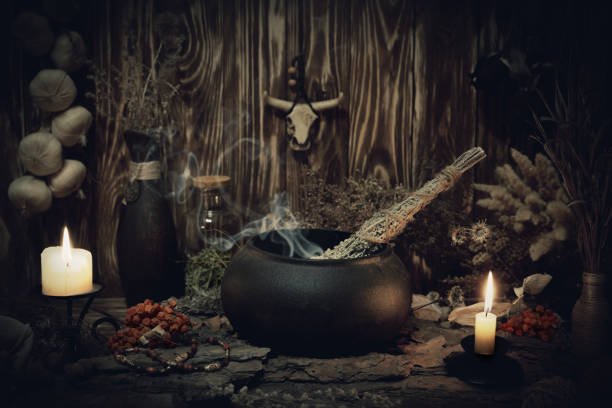
Exploring which country that has more witchcraft in Africa requires a deep understanding of the diverse spiritual landscapes and the sociological surveys that measure traditional belief systems across the continent. According to reports from the Pew Research Center, nations such as Benin and Tanzania show some of the highest levels of public belief in the supernatural and the efficacy of traditional spiritual practices. These beliefs are often deeply integrated into the cultural identity of the people, serving as a framework for understanding health, success, and communal morality.
The prevalence of these spiritual traditions is often a reflection of a nation's history and its resilience in maintaining indigenous knowledge systems alongside modern religions. As we examine the data, it becomes clear that what is often labeled as witchcraft is a complex mix of ancestral worship, herbal medicine, and metaphysical philosophy.
These are the Countries that have more witchcraft in Africa
The concept of witchcraft in the African context is frequently misunderstood by outsiders, as it encompasses a vast array of traditional practices, including the role of healers, spiritual consultants, and the use of talismans. In many societies, the belief in a spirit world that influences the physical world is a standard part of the cultural worldview, impacting everything from political elections to sports. Sociological data suggests that in sub-Saharan Africa, over 50 percent of the population in several countries admits to a belief in the power of charms and the influence of spiritual entities. The following list identifies the nations where these beliefs are most prominent, highlighting the specific cultural contexts that sustain them. These rankings are based on public surveys, the visibility of traditional practitioners, and the integration of these beliefs into the national social fabric.
1. Benin
Benin is widely considered the leading African country which has more witchcraft or, more accurately, the highest concentration of Vodun (Voodoo) practitioners in the world. In Benin, Vodun is a recognized national religion, and its influence is visible in every aspect of life, from the sacred forests of Ouidah to the numerous shrines found in private homes. The national Voodoo Day, celebrated every January 10th, attracts thousands of devotees who participate in elaborate rituals, dances, and sacrifices to honor the spirits and ancestors. Unlike in many other nations where such practices might be hidden, in Benin, the use of spiritual protection and the consultation of oracles are part of the public and political discourse. The historic Python Temple in Ouidah serves as a symbol of this spiritual heritage, where the serpents are revered as messengers of the gods. This openness and official recognition make Benin a primary hub for traditional spiritualism on the entire continent.
2. Nigeria
Nigeria is frequently cited as a country in Africa has more witchcraft due to the massive cultural influence of its various ethnic groups, particularly the Yoruba and Igbo, who have well-documented spiritual systems. The Yoruba belief system involving the Orishas has had a global impact, traveling with the diaspora to the Americas, yet its heart remains in Southwestern Nigeria. Nollywood, the nation's massive film industry, has played a significant role in cementing the image of Nigeria as a spiritual hub by frequently depicting the use of juju and the consequences of spiritual contracts. In rural and even urban areas, the consultation of Babalawos (priests) for guidance on health and business is a common practice that transcends social classes. Nigeria’s sheer population size also contributes to the high visibility of these practices, with thousands of traditional shrines scattered throughout the country. While many Nigerians are devout Christians or Muslims, there is often a significant degree of syncretism, where traditional spiritual protection is used alongside conventional prayers.
3. Tanzania
Tanzania has a long and complex history with traditional beliefs, often appearing in international surveys as one of the countries in Africa that has more witchcraft based on public admission of belief. The Tanzanian government has even had a "Witchcraft Act" on its books since the colonial era, which attempts to regulate and sometimes punish those who use spiritual means to cause harm. Unfortunately, the darker side of these beliefs has manifested in the persecution of people with albinism, whose body parts are sometimes sought by unscrupulous "healers" for use in luck-bringing charms. However, on a broader level, traditional medicine and spiritual consultation are widely respected, with the majority of the population relying on traditional healers as their first point of contact for healthcare. In the Lake Zone and coastal areas, the belief in spirits (Majini) and the power of the ancestors is deeply embedded in the local cosmology. Efforts are ongoing to distinguish between genuine traditional healers, who use herbal knowledge, and those who exploit superstitions for criminal gain.
4. South Africa
South Africa is a major African country which has more witchcraft practices that are formally recognized through the Traditional Health Practitioners Act. There are over 200,000 registered traditional healers, known as Sangomas and Inyangas, who serve as the spiritual and medical backbone for millions of South Africans. These practitioners are highly respected and are often seen at public events, where they perform rituals to cleanse the environment or seek ancestral blessings for the nation. The belief in "Muthi," a term for traditional medicine that can be used for both healing and spiritual influence, is widespread across all racial and economic groups. Johannesburg’s Faraday Market is a famous hub for the sale of traditional items, ranging from herbs to animal products used in various rituals. While the media often focuses on the sensational aspects of these beliefs, the reality is that they provide a vital psychological and cultural service to the community. The integration of traditional healing into the national health framework demonstrates the deep-seated respect for these ancient practices.
5. Ghana
Ghana is known for its high level of religious devotion, but alongside its vibrant churches, there is a persistent and powerful belief in traditional shrines and "fetish priests." Many Ghanaians believe that physical problems often have a spiritual cause, leading them to seek out spiritualists to break curses or find out the source of their misfortune. In the Ashanti region, the traditional spiritual hierarchy remains very influential, with the Okomfo (priests) playing a key role in communal ceremonies and festivals. Ghana has also gained international attention for its "witch camps" in the north, where women accused of witchcraft are sometimes sent for safety, highlighting the intensity of these beliefs in rural areas. Despite these challenges, the traditional spiritual system is also a source of pride, representing the nation's pre-colonial identity and wisdom. Many businessmen and politicians are known to visit powerful shrines in the mountains to seek protection and success in their endeavors.
6. Cameroon
Cameroon is a nation with over 200 ethnic groups, each with its own unique set of spiritual beliefs that are often collectively referred to as juju or witchcraft. In the western highlands, secret societies and traditional monarchs (Fons) use spiritual rituals to maintain social order and protect their communities from external threats. The belief in "Nyongo" or "Kong," a type of spiritual wealth-creation ritual, is a common topic of conversation in Cameroonian society, reflecting a deep-seated belief in the metaphysical origins of prosperity. Traditional healers in Cameroon are often highly organized, with many specializing in specific types of spiritual or physical ailments that modern medicine struggles to treat. During major national events or football matches, it is not uncommon to see rituals being performed to ensure a favorable outcome for the national team. This cultural immersion in the supernatural makes Cameroon one of the most spiritually active nations in the Central African region.
7. Malawi
Malawi is frequently mentioned in sociological studies as a country in Africa has more witchcraft due to the high percentage of the population that reports believing in the daily presence of spiritual forces. The "Witchcraft Act of 1911" has been a subject of intense debate in the Malawian parliament, as many citizens have called for the law to be updated to recognize the reality of witchcraft rather than treating it as a false belief. In rural villages, the "Mchape" (witch-finders) have historically held significant power, as they are called upon to identify those who are supposedly using magic to cause droughts or illness. These beliefs are often linked to the agricultural cycle, with people seeking spiritual intervention to ensure good harvests or to protect their crops from being stolen through supernatural means. Malawian society is deeply communal, and the belief in spiritual justice serves as a way to maintain social norms and punish those who are seen as being too individualistic or greedy. The cultural persistence of these ideas is a testament to the strength of the traditional Malawian worldview.
8. Uganda
Uganda has a diverse spiritual landscape where traditional ancestral worship exists alongside a very active and often charismatic Christian population. In many parts of the country, particularly in the Buganda region, people continue to visit "Lubaale" shrines to communicate with the spirits of the ancestors for guidance and healing. The belief in "night dancers," individuals who are said to be possessed by spirits that force them to dance in cemeteries, is a well-known urban legend that many Ugandans take quite seriously. Traditional healers are a common sight in both Kampala and rural areas, and they often use drums and chanting to induce trances as part of their diagnostic process. Unfortunately, Uganda has also struggled with the issue of child sacrifice for ritual purposes, a practice that the government has worked tirelessly to eliminate through strict laws and community education. Despite these dark extremes, the core of Ugandan traditional spirituality remains focused on maintaining a harmonious relationship between the living and the dead.
9. Zambia
Zambia is another Southern African nation where the belief in traditional medicine and the supernatural is widespread, often co-existing with a strong national Christian identity. Many Zambians believe in "Muti" and the ability of certain individuals to use spiritual powers to influence court cases, romantic relationships, or job prospects. In rural areas, traditional leaders often act as judges in cases where witchcraft is alleged, using traditional methods to determine the truth of the accusations. The "Tokoloshe," a mischievous and sometimes malevolent spirit found in Southern African folklore, is a common figure in Zambian stories and is often blamed for various household troubles. The use of spiritual protection for homes and businesses is a standard practice for many, reflecting a belief that the physical world is constantly influenced by unseen forces. Zambia’s traditional ceremonies, which are held throughout the year, are vibrant displays of this spiritual heritage, honoring the land and the spirits that reside within it.
10. Democratic Republic of the Congo (DRC)
The Democratic Republic of the Congo is a vast nation where spiritual beliefs vary wildly, but the concept of "Kindoki" (witchcraft) is almost universally understood. In the bustling markets of Kinshasa, traditional medicines and charms are sold openly, and people frequently discuss the spiritual causes of the country’s ongoing challenges. Sadly, the DRC has also faced a major crisis with "witch children," where thousands of minors have been cast out of their homes after being accused of practicing witchcraft by their families or religious leaders. This phenomenon is often linked to the intense poverty and displacement caused by years of conflict, where spiritual accusations become a scapegoat for social and economic stress. Beyond these tragic aspects, the DRC has a rich tradition of spiritual art and music that is intended to communicate with the divine and the ancestral realms. The resilience of the Congolese people is often attributed to their strong spiritual connection to their land and their heritage, which provides them with a sense of meaning in difficult times.
Reasons Why These Countries Have More Witchcraft in Africa
1. Limited Access to Modern Healthcare: In many of the African countries that has more witchcraft, the ratio of doctors to the general population is extremely low. When professional medical services are unavailable or too expensive, people naturally turn to traditional healers who offer affordable and culturally relevant treatments. These healers often combine herbal medicine with spiritual rituals, providing a holistic approach that addresses both the physical and psychological needs of the patient, which reinforces the belief in the efficacy of spiritual intervention.
2. Resilience of Oral Traditions: African societies have a long history of passing down knowledge through oral traditions, which include the myths, legends, and rituals of the ancestors. In nations where these traditions have remained strong, the belief in the supernatural has not been erased by the introduction of Western education or religion. Instead, these traditional beliefs have adapted and integrated into the modern world, proving that indigenous knowledge is a vital part of the cultural identity for many African countries that has more witchcraft today.
3. Sociological Need for Justice: In areas where the formal legal system is seen as corrupt, slow, or inaccessible, traditional spiritual beliefs provide a form of "alternative justice." The fear of spiritual consequences or the use of traditional oaths can deter crime and ensure that people adhere to social norms. For many, the belief in witchcraft serves as a way to explain why "bad things happen to good people" and offers a mechanism for seeking retribution against those who have caused harm through unseen means.
4. Media and Cultural Representation: The African country which has more witchcraft often sees these themes heavily represented in its local media and entertainment. For instance, the prolific film industry in Nigeria (Nollywood) frequently produces movies that revolve around themes of juju, curses, and the battle between good and evil spirits. These depictions reach millions of viewers across the continent, normalizing and reinforcing the belief in the active presence of spiritual forces in everyday life.
5. Psychological Comfort in Uncertainty: Life in many developing nations can be highly unpredictable due to economic instability, political unrest, and environmental challenges. Believing in witchcraft or the power of spiritual protection gives individuals a sense of control over their destiny. By performing rituals or carrying charms, people feel they have an "extra layer" of security that helps them navigate the complexities and dangers of their environment, providing a necessary psychological buffer against stress and anxiety.
6. Integration with Mainstream Religions: A fascinating reason for the persistence of these beliefs is the high degree of religious syncretism found in many African nations. Instead of choosing between traditional spirituality and Christianity or Islam, many people practice both simultaneously. They may attend church on Sundays but visit a traditional healer on Mondays, seeing no contradiction between the two. This "double-layered" faith ensures that traditional spiritualism remains an active and relevant force within the modern religious landscape.
Conclusion
In conclusion, determining which country that has more witchcraft in Africa is not about identifying a single nation but recognizing a broad cultural phenomenon that is most visible in places like Benin, Nigeria, and Tanzania. These beliefs are deeply rooted in the history and social structures of the continent, serving as a vital link to the ancestral past and a tool for navigating the present. While the term witchcraft often carries negative connotations in the West, in the African context, it represents a complex and sophisticated worldview that integrates the physical and the metaphysical. As Africa continues to modernize, these traditional spiritual practices are not disappearing but are evolving and adapting to meet the needs of a new generation. Understanding these beliefs is essential for anyone who wishes to truly comprehend the cultural richness and psychological resilience of the African people.
Enjoyed this read?
Share it with your friends and colleagues.