Is There Cows In Africa

BSC Insights Admin
September 30, 2026
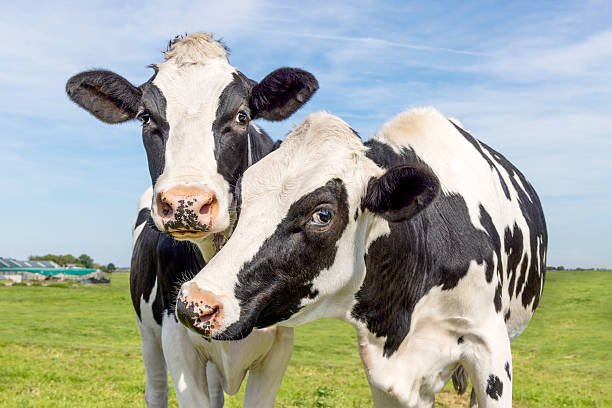
Yes, there are indeed cows in Africa, and they play an absolutely crucial and multifaceted role across the continent. Far from being an empty landscape for cattle, Africa is home to a vast and diverse population of cattle, ranging from ancient indigenous breeds uniquely adapted to harsh local conditions to modern dairy and beef breeds. These animals are not merely livestock; they are central to the livelihoods, culture, and economies of millions of Africans, providing food, wealth, social status, and agricultural power.
A Rich History of Cattle in Africa
The presence of cows in Africa is deeply rooted in history, predating colonial influences by millennia. Archaeological evidence suggests that cattle were domesticated in Africa independently, or arrived via early migrations from the Middle East, thousands of years ago. The continent became a crucible for the development of unique bovine genetics, resulting in breeds with remarkable resilience to heat, drought, and endemic diseases.
- Early Domestication: Cattle were present in North Africa around 8,000 BCE, gradually spreading south.
- Migration and Adaptation: As cattle moved across diverse landscapes, they adapted, leading to the evolution of distinct genetic types tailored to specific environments, from arid deserts to humid tropical regions.
- Cultural Integration: Over centuries, cattle became inextricably linked with the cultural fabric of many African societies, particularly pastoralist communities who developed deep knowledge of animal husbandry and environmental management.
Diverse Breeds of African Cattle
Africa boasts an incredible array of cattle breeds, each with unique characteristics and adaptations. These breeds can broadly be categorized into three main types: Taurine, Zebu, and Sanga, though many local variations exist.
Taurine Cattle (Bos taurus taurus)
These humpless cattle are often found in West and Central Africa, where they exhibit a natural resistance to trypanosomiasis, a debilitating disease transmitted by the tsetse fly. Their genetic resistance makes them invaluable in tsetse-infested zones.
- N'Dama: Originating from West Africa, the N'Dama cattle are renowned for their trypanotolerance and hardiness, making them vital for farming in areas where other breeds cannot survive. They are smaller but robust, primarily used for meat and draught power.
- Lagune: Another trypanotolerant breed found in coastal West Africa, known for its small size and adaptability.
Zebu Cattle (Bos taurus indicus)
Characterized by a prominent hump over their shoulders, Zebu cattle are descendants of animals brought from Asia. They are highly adapted to hot, arid climates and are common across East and Southern Africa, as well as parts of West Africa.
- Boran: Originating from Kenya, the Boran cattle are a hardy and productive beef breed, celebrated for their drought resistance, fertility, and excellent meat quality. They are often crossbred with European breeds to improve performance in tropical environments.
- Africander (or Afrikaner): While often classified as Sanga, some Zebu influence is present. Known for their heat tolerance and good beef qualities, widely used in South Africa.
- East African Zebu: A generic term for many local Zebu populations across East Africa, vital for milk, meat, and draught power.
Sanga Cattle (Bos taurus africanus)
Unique to Africa, Sanga cattle are believed to have originated from interbreeding between indigenous African taurine cattle and incoming Asian zebu cattle, or from an ancient independent domestication event. They possess a distinctive cervico-thoracic hump and are highly resilient.
- Ankole-Watusi: Famous for their extraordinarily large horns, these cattle are culturally significant in East Africa, particularly among the Maasai and Tutsi people. They are valued for their milk, meat, and ceremonial importance.
- Tuli: A naturally polled (hornless) breed from Zimbabwe, recognized for its excellent fertility, adaptability, and beef production in harsh conditions.
- Mashona: Another Zimbabwean Sanga breed, known for its small size, hardiness, and good mothering abilities.
The Multifaceted Role of Cattle in African Societies
The importance of cattle in Africa cannot be overstated. They are integral to the economic, social, and cultural fabric of countless communities.
Economic Backbone
For many rural families and communities, livestock in Africa, especially cattle, represent their primary source of wealth and income.
- Livelihood and Income: Selling milk, meat, hides, and live animals provides essential income for millions, particularly in pastoralist regions.
- Food Security: Cattle provide high-quality protein through meat and dairy products, contributing significantly to household and national food security. Dairy cows in Africa produce milk that is vital for nutrition, especially for children.
- Asset and Investment: Cattle serve as a living bank account, a form of savings that can be sold in times of need, or accumulated as a sign of prosperity.
- Agricultural Support: They provide draught power for plowing and transport, reducing reliance on manual labor. Manure is also a crucial natural fertilizer, enhancing soil fertility in African agriculture.
Cultural and Social Significance
Beyond economics, cattle hold profound cultural and social meaning in many African societies.
- Social Status and Wealth: The number and quality of cattle often signify a family's wealth, status, and prestige within the community.
- Bridewealth and Ceremonies: Cattle are frequently used as bridewealth (dowry) in marriage negotiations and are central to various traditional ceremonies, rituals, and rites of passage.
- Cultural Identity: For many ethnic groups, such as the Maasai, Fulani, and Karamojong, cattle are fundamental to their identity, spiritual beliefs, and way of life.
Cattle Farming Practices Across Africa
Cattle farming in Africa encompasses a wide range of practices, shaped by diverse environments, traditions, and economic goals.
Pastoralism and Agro-pastoralism
These are the dominant traditional systems, particularly in arid and semi-arid regions.
- Pastoralism: Characterized by nomadic or semi-nomadic movements of herds in search of pasture and water. This system is highly adapted to variable environments and plays a key role in managing vast dryland ecosystems. Communities like the Maasai, Fulani, and Borana are famous for their sophisticated pastoralist systems.
- Agro-pastoralism: A mixed farming system where crop cultivation is integrated with livestock rearing. Cattle provide manure for crops and draught power, while crop residues can feed livestock. This system offers greater resilience by diversifying income sources.
Commercial Cattle Farming
In countries like South Africa, Botswana, Namibia, and Kenya, modern commercial ranches operate, often focusing on beef cattle in Africa for both domestic and export markets. These operations typically employ more intensive management practices, including feedlots, selective breeding, and advanced veterinary care.
Challenges Facing Cattle Farming in Africa
Despite their vital role, cattle in Africa face numerous challenges that impact productivity and sustainability.
Diseases and Pests
Animal diseases are a major constraint to livestock production in Africa, leading to significant economic losses and food insecurity.
- Trypanosomiasis (Sleeping Sickness): Transmitted by the tsetse fly, this disease is endemic in vast areas of sub-Saharan Africa, limiting cattle rearing to trypanotolerant breeds or requiring extensive disease control measures. The tsetse fly and cattle Africa relationship is a critical challenge.
- East Coast Fever (ECF): A tick-borne disease prevalent in Eastern, Central, and Southern Africa, causing high mortality rates, especially in improved breeds.
- Foot-and-Mouth Disease (FMD): Highly contagious, FMD outbreaks lead to trade restrictions and significant economic losses.
- Rift Valley Fever: A mosquito-borne viral disease affecting both livestock and humans, with periodic outbreaks.
Climate Change and Environmental Degradation
Africa is particularly vulnerable to the impacts of climate change, which directly affects cattle production.
- Droughts and Water Scarcity: Increased frequency and severity of droughts lead to pasture degradation, water shortages, and mass livestock deaths, particularly impacting pastoralist communities.
- Desertification and Land Degradation: Overgrazing in some areas, combined with climate pressures, contributes to soil erosion and desertification, reducing available grazing land.
- Shifting Disease Vectors: Climate change can alter the distribution and prevalence of disease vectors like ticks and tsetse flies.
Land Conflicts and Market Access
- Resource Competition: Increasing human populations and agricultural expansion lead to competition for land and water resources, often resulting in conflicts between pastoralists and sedentary farmers.
- Market Access and Infrastructure: Poor infrastructure, limited access to markets, and price volatility hinder the profitability of cattle farming Africa. Lack of processing facilities and cold chains also limit value addition.
Innovations and Future of African Cattle Industry
Addressing these challenges requires innovative approaches and sustained investment. The future of cows in Africa lies in combining traditional knowledge with modern science.
- Improved Veterinary Services: Enhanced disease surveillance, vaccination campaigns, and access to affordable veterinary medicines are crucial.
- Sustainable Grazing Management: Promoting rotational grazing, fodder production, and rangeland rehabilitation to mitigate overgrazing and adapt to climate change.
- Genetic Improvement: Strategic breeding programs to enhance productivity (milk, meat) while maintaining the valuable disease resistance and environmental adaptability of indigenous African cattle breeds. Crossbreeding with exotic breeds needs careful management to avoid loss of local adaptation.
- Value Chain Development: Investing in slaughterhouses, processing plants, and cold storage to improve market access and increase the value of livestock products.
- Early Warning Systems: Utilizing technology for early warning systems for droughts, disease outbreaks, and market fluctuations to enable proactive responses.
Conclusion
In conclusion, the answer to the question, "Is there cows in Africa?" is an emphatic yes. Cattle are not just present; they are an indispensable part of Africa's natural heritage, economic landscape, and cultural identity. From the trypanotolerant N'Dama to the magnificent Ankole-Watusi, African cattle breeds showcase incredible diversity and resilience. While facing significant challenges from disease, climate change, and resource competition, the ongoing efforts in sustainable management, genetic improvement, and value chain development promise a robust future for cattle farming in Africa. These animals will continue to be a cornerstone of livelihoods and food security, adapting and thriving alongside the continent's dynamic human populations for generations to come.
Enjoyed this read?
Share it with your friends and colleagues.