Is There Crocodiles In Africa

BSC Insights Admin
September 30, 2026
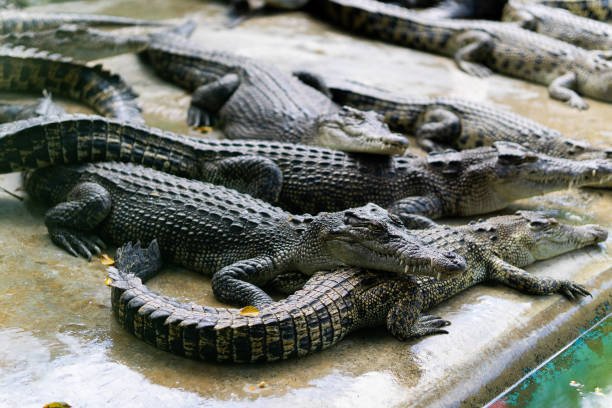
Yes, absolutely, Africa is home to a robust and diverse population of crocodiles, most notably the iconic Nile crocodile. These ancient reptiles are integral to the continent's ecosystems, inhabiting numerous rivers, lakes, and wetlands across various regions. Far from being a mythical creature in Africa, crocodiles are a tangible and significant part of its rich wildlife, playing a vital role as apex predators that help maintain the health and balance of aquatic environments.
For anyone asking, "Is there crocodiles in Africa?" the answer is a resounding yes. From the mighty Nile River to the vast Okavango Delta, these powerful reptiles are widespread, captivating, and sometimes dangerous denizens of Africa's waterways. Understanding their presence, species, habitats, and behaviors is key to appreciating the continent's wild heart.
The Mighty Nile Crocodile: Africa's Most Prominent Species
When most people think of crocodiles in Africa, their minds invariably turn to the magnificent Nile crocodile (Crocodylus niloticus). This species is not only the largest reptile in Africa but also one of the largest crocodilians in the world, renowned for its immense size, powerful jaws, and formidable hunting prowess. Its widespread distribution across sub-Saharan Africa makes it the most commonly encountered crocodile on the continent.
Physical Characteristics and Size
Nile crocodiles are truly impressive animals. Adult males can reach lengths of up to 6 meters (20 feet), with some exceptional individuals reported to be even larger, though 4 to 5 meters is more common. They can weigh over 750 kg (1,650 pounds). Their bodies are built for power and stealth: a long, muscular tail provides propulsion in water, while their thick, armored skin offers excellent protection. Their most distinctive features are their powerful jaws, lined with 60 to 70 sharp, conical teeth, designed for grasping and tearing flesh, and their eyes, ears, and nostrils located on top of their head, allowing them to remain almost entirely submerged while still sensing their surroundings.
The coloration of the Nile crocodile varies, typically ranging from dark olive green to brown on the dorsal side, with a paler, yellowish underside. This natural camouflage allows them to blend seamlessly with muddy riverbanks and murky waters, making them incredibly difficult for unsuspecting prey to spot.
Habitat and Distribution Across Africa
The Nile crocodile habitat is incredibly diverse, encompassing almost all of sub-Saharan Africa, including Madagascar. They thrive in a variety of freshwater environments, including rivers, lakes, swamps, and even estuaries (where fresh and saltwater mix). Some of the most iconic locations where Nile crocodiles are abundant include:
- The Nile River basin and its tributaries
- Lake Victoria, Lake Tanganyika, and Lake Malawi
- The Okavango Delta in Botswana
- The Zambezi River and its associated wetlands
- Various rivers and dams in South Africa, Zimbabwe, and Mozambique
Their adaptability allows them to survive in both permanent and seasonal water bodies, often moving overland during dry seasons to find new water sources. This wide distribution makes them a quintessential part of Africa's wildlife landscape.
Diet and Hunting Strategies
Nile crocodiles are opportunistic and voracious predators with a highly varied diet. While young crocodiles primarily feed on insects, crustaceans, and small fish, adult African crocodiles are capable of taking down almost any animal that ventures too close to the water's edge. Their diet includes:
- Fish (a significant portion of their diet)
- Birds
- Mammals such as zebras, wildebeest, antelopes, and even buffalo
- Reptiles, including other crocodiles
Their primary hunting strategy involves patient ambush. They lie camouflaged in the water, often for hours, waiting for prey to approach. With an explosive burst of speed, they lunge, seize their victim in their powerful jaws, and drag it into the water to drown. The infamous "death roll," where the crocodile spins its prey to disorient it or tear off chunks of meat, is a hallmark of their hunting technique. These crocodiles are truly apex predators, sitting at the top of their food chain.
Reproduction and Life Cycle
Nile crocodiles exhibit fascinating reproductive behaviors. Females typically lay 25 to 80 eggs in nests dug in sandy banks, usually during the dry season. The temperature at which the eggs incubate determines the sex of the hatchlings – cooler temperatures produce females, while warmer temperatures produce males. This phenomenon is known as temperature-dependent sex determination.
Remarkably, the female crocodile guards her nest vigilantly for about 90 days, protecting it from predators like monitor lizards and hyenas. Once the eggs hatch, she carries her young in her mouth to the water, offering further protection for several weeks or even months. This parental care is crucial for the survival of the fragile hatchlings. Nile crocodiles can live for 70 years or more in the wild, showcasing their incredible longevity.
Beyond the Nile: Other African Crocodile Species
While the Nile crocodile dominates the narrative, Africa is home to several other distinct species of crocodiles, each with unique characteristics and ecological roles. These species often occupy more specific niches or have more restricted distributions.
Overview of African Crocodile Species
| Species Name | Approximate Max Length | Primary Habitat | Conservation Status (IUCN Red List) |
|---|---|---|---|
| Nile Crocodile (Crocodylus niloticus) | Up to 6 meters (20 feet) | Rivers, lakes, swamps across sub-Saharan Africa | Least Concern |
| West African Crocodile (Crocodylus suchus) | Up to 3 meters (10 feet) | Rivers, swamps in West and Central Africa | Vulnerable |
| Slender-Snouted Crocodile (Mecistops cataphractus) | Up to 4 meters (13 feet) | Forested rivers, dense vegetation in West and Central Africa | Critically Endangered |
| Dwarf Crocodile (Osteolaemus tetraspis) | Up to 1.9 meters (6.2 feet) | Forest rivers, swamps, stagnant pools in West and Central Africa | Vulnerable |
The West African Crocodile (Crocodylus suchus)
For a long time, the West African crocodile was considered a population of the Nile crocodile. However, genetic studies have confirmed it as a distinct species, also known as the Desert Crocodile or Sacred Crocodile. Historically, it was revered in ancient Egypt. These crocodiles are generally smaller than Nile crocodiles, reaching lengths of up to 3 meters (10 feet). They are found in West and Central Africa, often inhabiting arid regions, including oases and subterranean caves in the Sahara Desert, which is a truly unique adaptation for a crocodilian. Their diet consists mainly of fish and small vertebrates. The conservation status of the West African crocodile is currently listed as Vulnerable.
The Slender-Snouted Crocodile (Mecistops cataphractus)
Also known as the African Slender-snouted Crocodile, this species is easily identifiable by its distinctively long, slender snout, perfectly adapted for catching fish, its primary food source. They are typically found in forested rivers and dense vegetation in West and Central Africa. These crocodiles can grow up to 4 meters (13 feet) in length. Unfortunately, the Slender-snouted Crocodile is one of the most endangered crocodilians globally, listed as Critically Endangered due to habitat loss, hunting, and unsustainable fishing practices that deplete their food source.
The Dwarf Crocodile (Osteolaemus tetraspis)
The smallest of the African crocodile species, the Dwarf Crocodile rarely exceeds 1.9 meters (6.2 feet) in length. They are stoutly built for their size and are found in the rainforests and swamps of West and Central Africa. Unlike their larger relatives, Dwarf Crocodiles are primarily nocturnal and terrestrial, often hiding in burrows or under dense vegetation during the day. Their diet includes small fish, amphibians, crustaceans, and invertebrates. Due to their secretive nature and forest habitat, they are less studied than other species. Their conservation status is listed as Vulnerable, mainly due to habitat destruction from deforestation.
Regional Distribution and Conservation Status
The distribution of these diverse crocodile species highlights the varied ecosystems across Africa. While the Nile crocodile enjoys a wide range and is classified as 'Least Concern,' the other species face significant threats, primarily from habitat loss, pollution, and direct human persecution. Crocodile conservation Africa efforts are crucial, focusing on protecting habitats, reducing human-wildlife conflict, and combating illegal wildlife trade to ensure the survival of these unique reptiles.
Crocodile Habitats: Where to Find Them in Africa
Understanding where crocodiles live in Africa provides insights into their ecological requirements and why they are such a prominent feature of the continent's wild landscapes. These reptiles are masters of aquatic environments, relying on water for hunting, thermoregulation, and refuge.
Rivers and Lakes: Their Primary Domain
The vast network of African waterways, including its mighty rivers and immense lakes, forms the primary domain for most crocodile species. These environments provide abundant food, permanent water sources, and suitable basking sites. Key examples include:
- Nile River: The historical home of the Nile crocodile, stretching thousands of kilometers.
- Lake Victoria: Africa's largest lake, supporting a substantial crocodile population.
- Zambezi River: Known for its dramatic waterfalls and healthy crocodile numbers, especially in floodplains like Mana Pools.
- Okavango Delta (Botswana): A unique inland delta teeming with wildlife, including numerous crocodiles adapted to its intricate network of channels and lagoons.
- Lake Tanganyika and Lake Malawi: Deep Rift Valley lakes that are also important crocodile strongholds.
These large bodies of water offer stability and a consistent supply of prey, allowing crocodile populations to thrive and grow to impressive sizes.
Swamps and Wetlands: Crucial Breeding Grounds
Beyond major rivers and lakes, extensive swamps and wetlands are equally vital crocodile habitats in Africa. Areas like the Sudd in South Sudan or the countless seasonal wetlands found across Southern and East Africa provide ideal conditions for breeding and raising young. The dense vegetation offers cover for nesting females and protection for hatchlings against predators. The shallower, warmer waters of swamps are also excellent for young crocodiles, as they are rich in smaller prey items.
Coastal Areas: Occasional Sightings
While primarily freshwater animals, crocodiles can occasionally be found in brackish water and even venture into coastal marine environments, particularly near river mouths. This is more common in species like the Nile crocodile, which has a higher tolerance for salinity, though they do not typically reside permanently in saltwater like their estuarine cousins, the saltwater crocodiles of Asia and Australia.
Factors Influencing Habitat Choice
Several factors influence where crocodiles choose to live:
- Water Availability: Permanent water sources are preferred, but adaptability to seasonal changes is also key.
- Prey Abundance: Habitats rich in fish, birds, and mammals can sustain larger crocodile populations.
- Sunning Spots: Crocodiles are cold-blooded and require basking spots (sandy banks, rocks, logs) to regulate their body temperature.
- Nesting Sites: Soft, sandy riverbanks are essential for females to dig their nests.
- Shelter: Overhanging vegetation or underwater crevices provide crucial cover from predators and extreme weather.
These specific requirements explain why crocodiles are not found uniformly across Africa but rather concentrated in suitable aquatic ecosystems.
Human-Crocodile Interactions: Risks and Conservation
The presence of crocodiles in Africa inevitably leads to interactions with humans, which can range from beneficial (ecotourism) to tragic (attacks). Understanding these dynamics is crucial for both human safety and crocodile conservation.
Understanding Crocodile Behavior and Risks
Crocodiles are powerful, territorial, and opportunistic predators. They are incredibly wary of humans but can become aggressive if threatened, defending their nests or young, or if they perceive humans as potential prey. Crocodile attacks in Africa, particularly by Nile crocodiles, are a serious concern in areas where human settlements overlap with their habitats. Statistics indicate that crocodiles are responsible for hundreds of human fatalities annually across the continent, making them one of Africa's most dangerous animals.
Most attacks occur when people are performing daily activities near water, such as collecting water, washing clothes, fishing, or bathing. Attacks are often sudden and fatal, highlighting the stealth and power of these reptiles.
Safety Tips in Crocodile Territory
For residents and tourists alike, exercising extreme caution in areas known to harbor crocodiles is paramount. Here are essential safety tips:
- Never swim or wade in unapproved rivers, lakes, or dams where crocodiles are known or suspected to be present.
- Avoid riverbanks and water edges, especially at dawn, dusk, and night, when crocodiles are most active. Maintain a safe distance (at least 5 meters or 15 feet) from the water.
- Do not clean fish or dispose of food scraps near the water, as this can attract crocodiles.
- Keep pets away from the water. Dogs are particularly vulnerable targets.
- Stay in designated viewing areas and follow guides' instructions when on safari or boat trips.
- Do not provoke or feed crocodiles. This habituates them to humans and can lead to dangerous encounters.
- Be extra vigilant during dry seasons when water levels are low, and crocodiles may be concentrated in fewer water bodies.
Awareness and respect for these powerful creatures are the best defenses against dangerous encounters.
Conservation Efforts and Challenges
Despite their dangerous reputation, crocodiles are vital to their ecosystems. As apex predators, they help regulate fish populations and control other animal numbers, contributing to biodiversity. Crocodile conservation efforts focus on several key areas:
- Habitat Protection: Safeguarding wetlands, rivers, and lakes from pollution and encroachment.
- Reducing Human-Wildlife Conflict: Implementing community awareness programs, building protective barriers, and promoting safe water access points.
- Combating Poaching: While Nile crocodiles were once hunted extensively for their skins, legal farming operations have reduced pressure on wild populations. However, illegal hunting remains a threat for some species.
- Research and Monitoring: Studying population dynamics and distribution to inform conservation strategies, especially for vulnerable and critically endangered species like the Slender-snouted and West African crocodiles.
Sustainable tourism also plays a role, providing economic incentives for local communities to protect their crocodile populations and their habitats. Balancing human safety with the need to conserve these ancient reptiles is a complex but essential endeavor in wildlife management Africa.
Intriguing Facts About Africa's Crocodiles
Beyond their fearsome reputation, crocodile facts Africa reveal fascinating adaptations and behaviors that make them truly remarkable creatures:
- Ancient Lineage: Crocodiles have existed for millions of years, largely unchanged, earning them the title of "living fossils."
- Incredibly Strong Bite: The Nile crocodile possesses one of the strongest bite forces in the animal kingdom, estimated to be around 2,500 pounds per square inch (psi). For comparison, a human bite is about 150-200 psi.
- Advanced Parental Care: Unlike many reptiles, female crocodiles exhibit significant parental care, guarding their nests and helping their hatchlings to the water, sometimes for weeks after hatching.
- Efficient Ambush Predators: They can hold their breath for extended periods, up to an hour if necessary, allowing them to remain submerged and undetected for long ambushes.
- Thermoregulation Masters: Crocodiles regulate their body temperature by basking in the sun when cold and retreating to water or shade when hot. They can also gape their mouths to release heat, a behavior often mistaken for aggression.
- Not Tears of Sadness: The phrase "crocodile tears" refers to involuntary tearing when a crocodile eats, a physiological response related to their feeding process, not genuine emotion.
- Longevity: African crocodiles can live for a very long time, with some individuals estimated to live over 70 years in the wild, and even longer in captivity.
Experiencing Africa's Crocodiles: Best Places for Viewing
For wildlife enthusiasts and tourists, witnessing crocodiles in Africa in their natural environment is an unforgettable experience. Responsible tourism plays a crucial role in providing conservation funding and raising awareness.
Popular National Parks and Reserves
Several protected areas offer excellent opportunities to observe African crocodiles safely:
- Kruger National Park, South Africa: The Olifants River and various dams within Kruger are famous for large Nile crocodile sightings.
- Chobe National Park, Botswana: The Chobe River is a hotspot for crocodiles, especially during the dry season when large herds of animals come to drink.
- Okavango Delta, Botswana: Its intricate waterways are home to numerous crocodiles, often seen basking on sandy islands.
- Queen Elizabeth National Park, Uganda: The Kazinga Channel connecting Lake Edward and Lake George is renowned for its dense population of crocodiles and hippos.
- Selous Game Reserve (Nyerere National Park), Tanzania: The Rufiji River within this massive reserve supports one of the largest crocodile populations in Africa.
- Mana Pools National Park, Zimbabwe: Known for its large bull elephants and significant crocodile presence along the Zambezi River.
Guided Safaris and Boat Trips
The safest and most rewarding way to observe crocodiles is through guided safaris, particularly boat trips on rivers and lakes. Experienced guides know the best spots and can offer valuable insights into crocodile behavior while ensuring a safe distance is maintained. Photographic opportunities are abundant, allowing visitors to capture the essence of these powerful reptiles.
Ethical Wildlife Viewing
When participating in crocodile viewing activities, it is crucial to choose reputable tour operators that adhere to ethical wildlife tourism practices. This ensures minimal disturbance to the animals and their habitat, promoting sustainable conservation efforts and a respectful appreciation for Africa's incredible wildlife.
Conclusion
In summary, the question "Is there crocodiles in Africa?" can be unequivocally answered with a resounding yes. Africa is not just home to crocodiles; it is a vital stronghold for several distinct species, with the magnificent Nile crocodile being the most widespread and iconic. These ancient predators play an indispensable role in maintaining the ecological balance of African ecosystems, from vast rivers and lakes to dense swamps and wetlands. While they command respect and caution due to their power and predatory nature, crocodiles are also a cornerstone of the continent's rich biodiversity. Conservation efforts are essential to ensure these formidable and fascinating creatures continue to thrive, allowing future generations to witness the awe-inspiring presence of crocodiles in Africa.
Enjoyed this read?
Share it with your friends and colleagues.