Deadly Snake Found In Africa

BSC Insights Admin
September 30, 2026
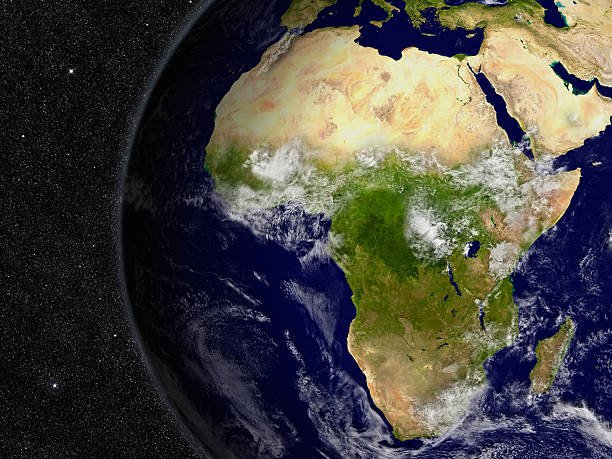
Understanding which countries host the most deadly snakes in Africa is essential for travelers, researchers, and local residents who navigate the diverse wilderness of the continent. While many regions are safe, certain African countries that have deadly snakes are known for high populations of venomous species like the Black Mamba and the Saw-scaled Viper. These reptiles play a critical role in the ecosystem, yet they pose a significant public health challenge in areas where human habitats overlap with the natural territories of these dangerous predators.
The distribution of these serpents is influenced by climate, vegetation, and the availability of prey across various geographical zones. By examining the specific nations where these encounters are most frequent, we can better appreciate the biological complexity and the safety measures required when visiting or living in these regions.
These are the Countries Host the Most Deadly Snakes in Africa
Africa is home to hundreds of snake species, but only a small percentage are considered lethal to humans. However, those that are venomous are among the most potent on Earth, with some possessing neurotoxic venoms that attack the nervous system and others having cytotoxic venoms that destroy tissue. Below is a detailed list of the primary nations where these dangerous reptiles are most prevalent and the specific threats they pose to the local population and visitors.
1. South Africa
South Africa is widely considered a primary country in Africa with deadly snakes due to its varied landscapes that support a massive variety of venomous reptiles. The nation is home to the legendary Black Mamba, a snake capable of reaching speeds of 12 miles per hour and delivering a neurotoxic bite that can be fatal within 45 minutes if untreated. In addition to the mamba, the Cape Cobra is frequently found in the western provinces, where its potent venom causes respiratory failure in victims. The Puff Adder is perhaps the most dangerous in terms of encounter frequency because it relies on camouflage rather than fleeing, leading many people to accidentally step on them in grassy areas. South Africa has well-developed medical facilities and produces its own polyvalent antivenom through the South African Vaccine Producers to combat these high rates of envenomation. Statistics suggest that while thousands of bites occur annually, the mortality rate is kept relatively low compared to other regions because of this advanced medical infrastructure and rapid emergency response teams.
2. Nigeria
Nigeria faces a significant challenge with snakebites, particularly in the northern rural and agricultural belts where the Saw-scaled Viper is endemic. This small but highly aggressive snake is responsible for more human fatalities in Africa than almost any other species because of its tendency to live in close proximity to farms and dwellings. The venom of the Saw-scaled Viper is hemotoxic, meaning it prevents blood from clotting and causes internal hemorrhaging that is difficult to treat without specific antivenom. In states like Gombe and Bauchi, snakebite treatment centers often operate at full capacity during the planting and harvesting seasons when human-snake contact is at its peak. Nigeria also hosts the Forest Cobra and various species of Spitting Cobras, which can blind an attacker by accurately spraying venom into the eyes from several feet away. The government has frequently collaborated with international health organizations to secure affordable antivenom, as the economic impact of snakebites on rural farmers remains a major concern for the nation’s food security and rural stability.
3. Kenya
Kenya is another prominent African country which has deadly snakes, featuring a mix of savanna and coastal habitats that are ideal for many dangerous species. The East African Green Mamba is commonly found in the coastal forests, where its emerald scales allow it to blend perfectly with the canopy, making it a hidden threat to those working in plantations. On the inland plains, the Red Spitting Cobra is a unique and formidable predator known for its striking color and its defensive ability to spray venom. Kenya also sees a high number of encounters with the Boomslang, a shy but highly venomous tree snake whose hemotoxic venom can cause a victim to bleed from every orifice. Organizations like the Bio-Ken Snake Farm in Watamu work tirelessly to educate the public and provide emergency services, as many rural Kenyans still live far from hospitals that stock the necessary antivenom. The presence of these snakes is a double-edged sword, as they help control rodent populations in granaries but require constant vigilance from the local communities.
4. Zimbabwe
Zimbabwe features extensive bushveld and rocky outcrops that provide the perfect habitat for the Black Mamba and the Mozambican Spitting Cobra. In the Eastern Highlands and the lowveld areas, the Puff Adder remains a constant threat to livestock and humans alike due to its widespread distribution and high level of aggression when disturbed. Zimbabwe’s agricultural sector often reports snakebite incidents among tobacco and maize farmers who encounter snakes while clearing land or moving through dense vegetation. The Mozambican Spitting Cobra is particularly feared because it has a habit of entering homes at night and biting sleeping victims, often causing severe tissue damage that requires reconstructive surgery. Despite economic challenges, Zimbabwean conservationists and medical professionals emphasize the importance of identifying snakes correctly to ensure the right treatment is administered. Educational programs in schools have been implemented to teach children how to avoid these reptiles, reducing the number of unnecessary deaths in rural provinces like Mashonaland and Matabeleland.
5. Tanzania
Tanzania is home to a vast array of venomous snakes, including the Forest Cobra, which is one of the largest and most intelligent cobra species in Africa. These snakes can grow up to eight feet long and are found in the forested regions and near water sources, where they hunt fish and amphibians. In the more arid regions and national parks like the Serengeti, the Puff Adder and various mamba species are frequently sighted by rangers and tourists. Tanzania also hosts the Gaboon Viper in its western forests, a snake famous for having the longest fangs of any serpent, reaching up to two inches in length. This viper delivers a massive dose of venom in a single strike, often resulting in rapid tissue necrosis and systemic shock for the victim. Because of the vast distances between rural villages and urban hospitals, many Tanzanians rely on traditional healers first, which can unfortunately delay the administration of life-saving antivenom. Efforts are being made to distribute antivenom more effectively to clinics near the major wildlife reserves to protect both the local population and the international visitors who flock to the country for safaris.
6. Democratic Republic of Congo
The Democratic Republic of Congo contains some of the most biodiverse rainforests in the world, which serve as the primary habitat for the highly elusive and deadly Gaboon Viper. This country that has deadly snakes in Africa is unique because its dense jungle canopy hides many arboreal species like the Jameson’s Mamba, which is rarely seen but possesses a lethal neurotoxic venom. The sheer size of the DRC and its limited road infrastructure make snakebite fatalities difficult to track accurately, but estimates suggest the number is quite high in the mining and logging regions. The Gaboon Viper is a master of camouflage, with a geometric pattern on its skin that mimics fallen leaves on the forest floor, making it nearly invisible to the naked eye. When a human steps near one, the snake strikes with incredible speed and force, injecting a complex cocktail of toxins that require immediate medical intervention. Unfortunately, the lack of refrigeration in many remote areas makes storing antivenom a significant logistical hurdle for health workers in the Congo Basin.
7. Ethiopia
Ethiopia’s diverse geography, ranging from high-altitude plateaus to low-lying deserts, supports several dangerous snake species, most notably the Saw-scaled Viper and the Egyptian Cobra. In the Rift Valley region, these snakes are a frequent cause of injury among nomadic herders who travel through scrublands with their cattle and goats. The Egyptian Cobra is particularly iconic, known for its large hood and its historical significance, but it remains a very real modern threat due to its potent neurotoxic bite. Ethiopia also records many bites from the Berg Adder in its mountainous regions, a snake whose venom is unusual because it contains both neurotoxic and cytotoxic elements. Medical researchers in Addis Ababa have been working to study these local venoms to develop more effective treatments that are tailored to the specific strains found in the Horn of Africa. The cultural perception of snakes in Ethiopia varies, but there is a growing awareness that preserving these animals is necessary for ecological balance, even as efforts to improve medical outcomes for bite victims continue.
8. Namibia
Namibia is a desert-dominated country where snakes have evolved specialized behaviors to survive in the harsh sands of the Namib and Kalahari. The Horned Adder is a common sight in the sandy dunes, where it buries itself with only its eyes and horns exposed to ambush small lizards and rodents. While its bite is rarely fatal to healthy adults, it causes extreme pain and swelling that can lead to permanent disability if not treated professionally. Namibia is also home to the Black Mamba in its northern reaches near the Kunene River, where the heat and humidity provide an ideal breeding ground for these large elapids. The Anchieta's Cobra is another desert specialist found here, often encountered by hikers and campers in the rocky areas of the Erongo region. Because Namibia has a relatively small human population, the total number of snakebites is lower than in Nigeria or South Africa, but the danger remains high for those working in the mining and agricultural sectors. Tourism operators in Namibia are generally well-trained in snake safety, ensuring that visitors can enjoy the stunning landscapes while minimizing the risk of a dangerous encounter.
9. Uganda
Uganda sits at the crossroads of the East African savanna and the West African rainforest, resulting in a high concentration of both terrestrial and arboreal deadly snakes. The Jameson’s Mamba and the Great Lakes Bush Viper are two species that thrive in the lush environments of the Bwindi Impenetrable Forest and Queen Elizabeth National Park. Uganda also has a high density of Forest Cobras, which are often found near human settlements where they are attracted by the presence of rodents and poultry. The Puff Adder is widespread across the Ugandan plains and is responsible for a large percentage of the snakebite cases reported in rural health centers. In recent years, Uganda has seen an increase in snakebite awareness campaigns led by local herpetologists who aim to reduce the killing of snakes while increasing the availability of antivenom. These efforts are crucial because the rapid expansion of agriculture into former forest lands has led to more frequent interactions between people and these highly venomous creatures.
10. Ghana
Ghana is a West African nation where the Night Adder and the West African Carpet Viper are major causes of medical emergencies in the agricultural heartlands. During the rainy season, these snakes become more active, and the number of bites reported in the Ashanti and Northern regions typically spikes as farmers prepare their fields. Ghana also hosts the Black-necked Spitting Cobra, which is capable of causing permanent blindness if its venom is not washed out of the eyes immediately with water or milk. The nation has made strides in improving its healthcare response by training medical staff in the latest snakebite management protocols and ensuring that antivenom is more accessible in regional clinics. Despite these improvements, the Carpet Viper remains a formidable threat due to its aggressive nature and the high potency of its blood-destroying venom. Community leaders in Ghana often work with wildlife experts to teach safe farming practices, such as wearing protective boots and using long tools to clear brush, which significantly reduces the likelihood of a bite.
Reasons Why These Countries Have Many Dangerous Snakes in Africa
1. Favorable Tropical Climates: Most of these countries in Africa that have deadly snakes possess warm, humid climates that are perfect for cold-blooded reptiles to thrive year-round. Unlike temperate regions where snakes must hibernate, the African tropics allow for continuous activity, hunting, and breeding. This constant warmth ensures that snake populations remain high and that they grow to larger, more dangerous sizes than their counterparts in cooler climates.
2. Abundance of Natural Prey: The rich biodiversity of the African continent provides a steady supply of rodents, birds, and amphibians, which are the primary food sources for venomous snakes. Agricultural expansion often inadvertently increases the rodent population near human homes, drawing snakes into closer contact with people. This ecological link means that as long as there is an abundance of prey, deadly snakes will continue to flourish in both wild and settled areas.
3. Diverse Geographical Habitats: Africa’s variety of ecosystems, from the Sahara Desert to the Congo Basin rainforest, allows different types of deadly snakes to occupy specific niches. This means that almost every environment in these countries, whether it is a rocky mountain or a coastal swamp, has a species of snake adapted to it. Such geographic diversity ensures that a wide range of venomous elapids and vipers can exist across the continent without competing for the same resources.
4. Lack of Widespread Antivenom Access: In many rural parts of these nations, the danger of a snakebite is magnified by the difficulty of obtaining modern medical treatment quickly. While the snakes themselves are deadly, the "deadliness" of a country is often measured by the mortality rate, which is higher where antivenom is scarce or too expensive. Improving the cold chain logistics and lowering the cost of treatment is a priority for health organizations working in these high-risk regions.
5. Human Encroachment into Wildlands: As populations grow and more land is cleared for housing and farming, humans are increasingly moving into territories that were previously dominated by wildlife. This encroachment reduces the natural buffer between people and snakes, leading to more frequent and often defensive strikes by the reptiles. Many snakes, like the Puff Adder and the Cobra, have adapted to these changes by living in the fringes of villages where they find easy meals and shelter.
6. Limited Public Education in Remote Areas: In some regions, a lack of awareness about snake behavior and proper first aid leads to higher fatality rates during encounters. People may attempt to kill a snake using improper methods or turn to ineffective traditional remedies rather than seeking hospital care immediately. Increasing educational outreach in schools and farming cooperatives is a vital step in reducing the number of deaths and permanent injuries caused by these venomous animals.
Conclusion
The presence of deadly snakes in Africa is a natural part of the continent's incredible biological heritage, though it presents serious risks in several key nations. From the fast-moving mambas of South Africa to the camouflaged vipers of Nigeria and the DRC, these creatures are specialized predators that command respect and caution. Every which country that has deadly snakes in Africa must balance the needs of its human population with the conservation of these vital apex predators. By investing in better medical infrastructure, antivenom production, and public education, the impact of snakebites can be significantly mitigated. Ultimately, coexistence is possible through a deeper understanding of where these snakes live and how they interact with the changing African landscape.
Enjoyed this read?
Share it with your friends and colleagues.