Desert Found In North Africa

BSC Insights Admin
October 01, 2026
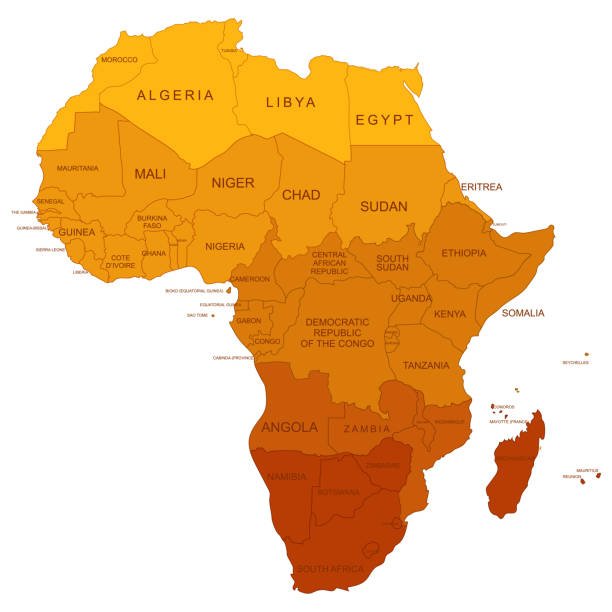
Exploring the vast landscapes of the Maghreb and the Sahel reveals several African countries that have deserts in North Africa within their borders. These nations are primarily defined by the Sahara, which is the largest hot desert in the world, covering approximately 9.2 million square kilometers of land. Understanding the geography of these regions is essential for appreciating how life, trade, and culture have adapted to one of the most extreme environments on the planet.
The presence of these arid zones influences everything from national economies to the daily traditions of the people living near the dunes. By examining each specific nation, we can see how the desert shapes the identity of the northern part of the continent.
These are the Countries that Have Deserts in North Africa
The northern tier of the continent is almost entirely occupied by the Sahara Desert, but the way this desert manifests varies significantly from one nation to another. Some countries are covered almost entirely by sand and rock, while others feature a mix of fertile coastlines and deep desert interiors. Below is a comprehensive look at the nations that fall within this category and the specific desert features that define their territory.
1. Algeria
Algeria is the largest country in Africa and more than 80 percent of its landmass is covered by the Sahara Desert, making it a central figure in this geographic region. The Algerian Sahara is famous for its diverse landscapes, which include massive sand dunes known as ergs, as well as high volcanic mountain ranges like the Ahaggar Mountains. Within these mountains lies the Tassili n'Ajjer plateau, a UNESCO World Heritage site known for its ancient rock art and unique sandstone formations that look like forests of stone. The temperatures in these desert regions can reach extreme highs of over 50 degrees Celsius during the day, yet the area is vital to the national economy due to its massive oil and natural gas reserves. Cities like Tamanrasset serve as important hubs for desert travelers and the nomadic Tuareg people who have navigated these sands for centuries. Algeria provides a perfect example of an African country which has deserts in North Africa as a dominant part of its national character and economic strategy.
2. Egypt
Egypt is a nation synonymous with desert history, as nearly its entire territory outside the Nile Valley is comprised of arid wasteland. To the west of the Nile lies the Western Desert, which is part of the larger Libyan Desert and contains the famous Great Sand Sea and several habitable oases like Siwa and Bahariya. The Eastern Desert, also known as the Arabian Desert, stretches from the Nile to the Red Sea and is characterized by rugged mountains and deep wadis. Egypt also features the Sinai Peninsula, which is a mountainous desert region that serves as a land bridge between Africa and Asia. Despite the harsh conditions, these deserts are home to incredible archaeological sites and unique natural wonders like the White Desert, where wind-eroded chalk formations create a surreal, snowy landscape. The Egyptian government has long worked to reclaim parts of the desert for agriculture, showing how modern technology can interface with ancient landscapes.
3. Libya
Libya contains a large portion of the Libyan Desert, which is often cited as one of the most arid and sun-scorched places on the entire globe. In fact, the town of Aziziya once held the record for the highest temperature ever recorded on Earth at 58 degrees Celsius. The Libyan landscape is dominated by vast gravel plains and enormous seas of sand, such as the Idehan Ubari, which features stunning desert lakes surrounded by greenery. One of the most fascinating features of the Libyan Sahara is the Waw an Namus, a volcanic crater surrounded by black ash that creates a striking contrast against the yellow sands. Because there are no permanent rivers in Libya, the nation relies heavily on the Great Man-Made River, a massive network of pipes that pumps fossil water from deep underground desert aquifers to the coastal cities. This reliance on desert resources highlights the strategic importance of the arid interior for the country's survival and development.
4. Morocco
Morocco serves as the western gateway to the Sahara, where the desert meets the towering peaks of the Atlas Mountains. While the northern and coastal parts of the country are Mediterranean and lush, the regions south and east of the mountains transform into the classic Saharan landscape. Tourists often flock to Merzouga and Zagora to experience the massive dunes of Erg Chebbi, which are famous for their orange hue and their accessibility for camel treks. Morocco has utilized its desert landscapes effectively for its film industry, with the city of Ouarzazate serving as a backdrop for numerous international movies and television shows. The desert in Morocco is also a site for significant renewable energy projects, such as the Noor Ouarzazate Solar Complex, which is one of the largest concentrated solar power plants in the world. This transition from traditional nomadic life to high-tech energy production shows the evolving nature of the Moroccan desert.
5. Tunisia
Tunisia may be one of the smaller nations in North Africa, but its southern half is fully immersed in the Grand Erg Oriental, a massive field of sand dunes. This region is particularly famous for its salt pans, such as Chott el Djerid, which is a vast seasonal lake that glitters with salt crystals and often creates mirages for travelers. The desert towns of Douz and Tozeur are known as the gateways to the Sahara, hosting annual festivals that celebrate the culture of the Sahara and the skills of the desert nomads. Tunisia's desert has also gained global fame as a filming location for the Star Wars franchise, with many of the original sets still standing in the dunes near Nefta. The country effectively balances its coastal tourism with desert adventures, providing a diverse experience for those exploring the southern reaches of the Maghreb. Agriculture in the Tunisian desert is also significant, especially the production of high-quality dates which are exported all over the world.
6. Mauritania
Mauritania is almost entirely Saharan, with the desert covering nearly 90 percent of its land and shaping the lifestyle of its 4.9 million residents. The Adrar Plateau is the heart of the Mauritanian desert, featuring dramatic canyons, ancient stone villages, and the mysterious Richat Structure, also known as the Eye of the Sahara. This circular geological feature is so large that it is easily visible from space and has been a subject of scientific fascination for decades. Historically, the desert in Mauritania was a vital hub for trans-Saharan trade, with cities like Chinguetti serving as centers for Islamic scholarship and commerce. Today, the desert remains economically important due to the massive iron ore mines near Zouérat and the world's longest train that transports the ore across the sand to the coast. Life in Mauritania is a constant negotiation with the desert, as the nation faces ongoing challenges from desertification and the movement of sand dunes toward urban areas.
7. Sudan
Sudan is home to the Nubian Desert, which occupies the northeastern part of the country between the Nile River and the Red Sea. This desert is distinct because of its high concentration of ancient ruins, including the pyramids of Meroë, which are more numerous than the pyramids found in Egypt. The Nubian Desert is mostly a rugged, stony plain with very little rainfall, yet it has been inhabited for millennia by various civilizations that harnessed the power of the Nile. In the western part of the country, the desert merges into the Sahelian zone, where the landscape is a mix of sand and scrubland. Sudan's desert regions are also rich in mineral resources, particularly gold, which has led to a modern-day gold rush in the northern provinces. The interaction between the harsh desert environment and the life-giving waters of the Nile continues to be the defining feature of Sudanese geography and history.
8. Chad
Chad features a dramatic transition from the lush forests of the south to the absolute aridity of the north, where the Sahara takes over completely. The northern part of Chad is home to the Tibesti Mountains, a range of inactive volcanoes that contain the highest peak in the Sahara, Emi Koussi. Another spectacular desert feature is the Ennedi Plateau, where wind and water erosion have carved out massive natural arches and deep canyons that hide ancient pools of water known as gueltas. The Bodélé Depression in northern Chad is also of global significance, as it is the most active source of atmospheric dust on Earth, providing essential nutrients to the Amazon rainforest via wind patterns. Despite the isolation of these northern regions, they are home to resilient nomadic groups like the Toubou, who have mastered the art of survival in one of the world's most remote places. Chad illustrates how a country in Africa deserts in North Africa can host some of the most rugged and beautiful geological formations on the planet.
9. Niger
Niger contains the Ténéré Desert, which is often called a desert within a desert because of its extreme isolation and the vastness of its sand seas. The Ténéré is famous for the Aïr Mountains, a granite massif that rises sharply from the flat plains and provides a unique habitat for desert-adapted wildlife. This region was once the home of the Tree of Ténéré, which was the most isolated tree in the world before it was knocked down in the 1970s. Niger’s desert is also a major source of uranium, which is one of the country's primary exports and a critical part of the global energy supply chain. The city of Agadez serves as a historical crossroads for the salt trade, where caravans of hundreds of camels still travel across the dunes to reach the salt mines of Bilma. The cultural heritage of the Tuareg people is deeply intertwined with the Nigerien Sahara, making it a place where ancient traditions are still practiced in the modern era.
10. Mali
Mali’s northern half lies deep within the Sahara, a region that was historically home to some of Africa’s greatest empires and wealthiest cities. Timbuktu, located on the edge of the desert where the Niger River makes its northernmost loop, was once a legendary center of trade and learning. The desert in Mali is characterized by vast, flat plains and the Taoudenni salt mines, where miners still dig slabs of salt by hand to be transported south by camel caravans. This northern region has faced significant environmental challenges, as the Sahara continues to expand southward in a process known as desertification, threatening the grazing lands of the Sahel. Despite these challenges, the desert remains a place of immense cultural pride and mystery, housing thousands of ancient manuscripts that detail the history of West African scholarship. Mali’s desert is not just a geographical feature but a historical archive that connects West Africa to the Mediterranean world through centuries of trade and migration.
Reasons Why These Countries Have Deserts in North Africa
1. Subtropical High-Pressure Systems: Most of these nations are located under the descending branch of the Hadley Cell, a global atmospheric circulation pattern. This creates a persistent high-pressure zone known as the Subtropical Ridge, which prevents the rising of air and the formation of clouds. Without rising moist air, rainfall becomes an extremely rare event, leading to the permanent arid conditions seen across the Saharan belt.
2. Rain Shadow Effects from Mountains: In countries like Morocco and Algeria, the Atlas Mountains act as a massive barrier to moisture-laden winds coming from the Atlantic Ocean and the Mediterranean Sea. As the air rises over the mountains, it drops its moisture on the northern slopes, leaving the southern and eastern sides in a "rain shadow." This dry air descends into the interior, further intensifying the desert conditions of the North African countries.
3. Distance from Moisture Sources: Many parts of the Sahara are located thousands of kilometers away from the nearest ocean or significant body of water. By the time air masses reach the central parts of Libya, Chad, or Niger, they have lost almost all of their moisture. This continental effect ensures that the heart of North Africa remains one of the driest places on Earth, with some areas going years without a single drop of rain.
4. The Influence of Cold Ocean Currents: Along the western coast of the continent, specifically near Mauritania and Morocco, the cold Canary Current cools the air above the ocean surface. This cool air is unable to hold much moisture and creates a stable atmospheric layer that prevents the development of thunderstorms. This results in coastal deserts where despite the proximity to the ocean, the land remains parched and arid.
5. Historical Climate Shifts: Thousands of years ago, the region that is now the Sahara was actually a lush, green landscape with lakes and rivers, a period known as the African Humid Period. However, changes in the Earth's orbit and axial tilt led to a gradual shift in the monsoon patterns, causing the region to dry out. The current desert state is the result of these long-term geological and astronomical changes that transformed the "Green Sahara" into the world's largest hot desert.
6. High Evaporation Rates: The intense solar radiation in North Africa means that any water that does reach the surface is evaporated almost instantly. The potential evaporation rate in these deserts is often many times higher than the actual annual rainfall. This moisture deficit makes it impossible for traditional forests or grasslands to survive, leaving only specialized desert vegetation and vast expanses of sand and rock.
Conclusion
The vast deserts of North Africa are a defining geographical feature for many nations, influencing their history, culture, and modern economic policies. From the historic salt mines of Mali to the advanced solar farms of Morocco, these arid lands are far from empty; they are vibrant spaces of human adaptation. Each which country that has deserts in North Africa in Africa offers a unique perspective on how a nation can thrive despite extreme environmental constraints. As the global climate continues to change, these countries will remain at the forefront of desert management and conservation efforts. Understanding the Sahara and its surrounding regions is crucial for a complete picture of the African continent's diverse and resilient nature.
Enjoyed this read?
Share it with your friends and colleagues.