Diamond Found In Africa

BSC Insights Admin
September 30, 2026
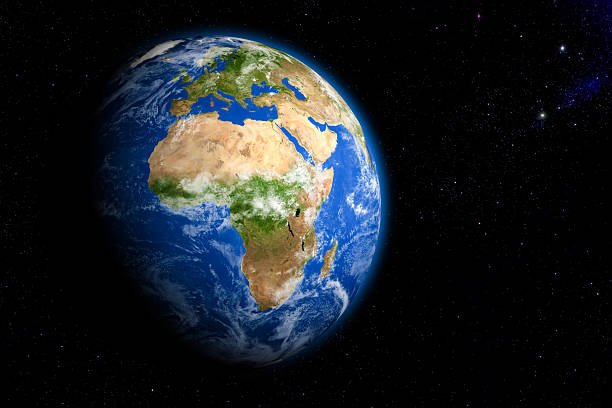
Identifying the specific locations where a Diamond Found In Africa originates reveals the continent's unrivaled dominance in the global gemstone market. Africa is responsible for approximately sixty percent of the world's diamond production by value, with several nations hosting massive mining operations that fuel their national economies. Each African country which has a Diamond Found In Africa contributes a unique variety of stones, ranging from industrial-grade crystals to some of the most famous gem-quality diamonds ever discovered in human history.
The geological richness of the African continent provides the perfect conditions for the formation of these precious stones deep within the earth's mantle. By exploring the top producers, we can understand how this natural resource shapes the social and economic landscape of the region.
These are the Countries Producing a Diamond Found In Africa
The distribution of diamond deposits across the continent is primarily concentrated in Southern, Central, and West Africa. These regions sit atop ancient geological structures known as cratons, which have remained stable for billions of years, allowing diamonds to form and be transported to the surface via volcanic pipes. Below is an in-depth look at the primary nations where these stones are mined, highlighting their specific contributions to the global supply and the types of diamonds they typically produce.
1. Botswana
Botswana stands as the leading producer of diamonds in Africa by value and is often cited as a global model for how mineral wealth can be used to foster national development. The country is home to the Jwaneng diamond mine, which is frequently referred to as the richest diamond mine in the world due to the high quality and high volume of stones extracted from its depths. Botswana's diamond industry is managed through a highly successful fifty-fifty partnership between the government and the De Beers Group, known as Debswana. This collaboration has allowed the nation to transition from one of the poorest in the world at the time of its independence in 1966 to a middle-income country today. In recent years, Botswana has made headlines with the discovery of massive stones, such as a 1,098-carat diamond found in 2021, further solidifying its status as a premier source for high-end gems. The government has also worked to bring more of the supply chain into the country, establishing Gaborone as a major global hub for diamond sorting, valuing, and sales.
2. Democratic Republic of Congo
The Democratic Republic of Congo, or DRC, is historically one of the largest producers of diamonds by volume, although a significant portion of its output consists of industrial-grade stones rather than gem-quality jewelry pieces. Most of the mining in the DRC takes place in the Kasai region, where thousands of artisanal miners work in riverbeds and small-scale pits to uncover alluvial deposits. While the country possesses massive potential, the industry has often faced challenges related to transparency and informal mining practices that operate outside of official government regulation. Despite these hurdles, the DRC remains a critical player in the global market, especially for the manufacturing and technology sectors that require industrial diamonds for cutting and grinding tools. Recent efforts by the government and international monitors have aimed to formalize the sector to ensure that more of the wealth benefits the local communities. The sheer scale of the deposits in the DRC suggests that it will remain a significant country in Africa where a Diamond Found In Africa continues to be a major export for decades to come.
3. South Africa
South Africa is the birthplace of the modern diamond industry, with the discovery of the Eureka Diamond in 1867 sparking a massive diamond rush that changed the course of the nation's history. The country is home to the famous Cullinan Mine, which produced the largest gem-quality rough diamond ever found, weighing an incredible 3,106 carats before being cut into several major stones for the British Crown Jewels. Today, South Africa maintains a robust mining sector with large-scale operations like the Venetia mine in Limpopo Province, which is transitioning to underground mining to extend its life for several more decades. The South African diamond industry is characterized by high technological standards and a long history of geological expertise that has influenced mining practices globally. Beyond just extraction, South Africa has a well-established diamond cutting and polishing industry, adding significant value to the stones before they reach the international market. The legacy of the "Big Hole" in Kimberley remains a powerful symbol of the country's deep and enduring connection to these precious gemstones.
4. Angola
Angola has rapidly ascended the ranks of global diamond producers, currently standing as the fourth largest producer in the world by value. The Catoca mine, located in the Lunda Sul province, is one of the largest kimberlite pipes in existence and accounts for a vast majority of the country's official diamond output. After years of civil conflict, the Angolan government has implemented major reforms to attract foreign investment and increase transparency within the mining sector, leading to a surge in exploration and production. Many of the African countries that produce a Diamond Found In Africa look to Angola's recent progress as a sign of how policy shifts can unlock hidden geological potential. The Lunda Norte and Lunda Sul regions are particularly rich in alluvial deposits, where high-quality stones are frequently recovered from river systems by both large companies and smaller cooperatives. As infrastructure improves and more kimberlite pipes are surveyed, Angola is expected to challenge the top-tier producers for market dominance in the near future.
5. Namibia
Namibia offers a unique perspective on diamond mining because a large portion of its most valuable stones are recovered from the seabed along its southern coast. Over millions of years, the Orange River carried diamonds from the interior of the continent and deposited them into the Atlantic Ocean, where they were scattered across the continental shelf by powerful currents. To access these treasures, Namibia uses highly specialized mining ships that act as massive vacuums, sucking up diamond-bearing gravel from the ocean floor in a process known as marine mining. These marine diamonds are noted for their exceptional quality, as the natural tumbling process in the river and sea destroys any stones with flaws, leaving only the toughest and clearest gems. The land-based mining in Namibia takes place in the "Sperrgebiet" or forbidden territory, a high-security area that has been protected for over a century to prevent unauthorized mining. The partnership between the Namibian government and De Beers, known as Namdeb, ensures that the profits from these high-value ocean gems contribute significantly to the national treasury and public services.
6. Sierra Leone
Sierra Leone is famous for producing some of the world's largest and most beautiful alluvial diamonds, often found in the Kono, Kenema, and Bo districts. The country gained international attention for the "Star of Sierra Leone," a 968-carat stone discovered in 1972, which remains one of the largest ever found in West Africa. While the nation’s diamond industry was once associated with conflict, it has made remarkable strides through the Kimberley Process to ensure that its stones are ethically sourced and "conflict-free." Most of the mining in Sierra Leone remains artisanal, with local diggers using sieves and shovels to search for stones in the gravel of riverbeds. In 2017, a 709-carat diamond known as the "Peace Diamond" was found by a village pastor and sold at auction, with a large portion of the proceeds going toward building schools and providing clean water for the local community. This event highlighted the potential for the diamond industry to provide direct benefits to rural Sierra Leoneans when managed with transparency and community focus.
7. Lesotho
Lesotho is a small, mountainous kingdom completely surrounded by South Africa, but it punches far above its weight in the diamond industry due to the extraordinary size of the stones found there. The Letseng diamond mine, situated at an elevation of over 3,000 meters in the Maluti Mountains, is world-renowned for producing "super-sized" diamonds that often exceed 100 carats. Because the mine produces a high proportion of large, high-quality Type IIa diamonds, it has the highest average price per carat of any diamond mine in the world. For example, the 910-carat "Lesotho Legend" was recovered from this mine in 2018 and sold for tens of millions of dollars, showcasing the incredible value found in Lesotho’s volcanic pipes. Mining at such high altitudes presents significant logistical challenges, including extreme weather and thin air, but the high rewards keep international mining companies invested in the region. Lesotho’s diamond revenue is a cornerstone of its economy, providing the government with the funds necessary for infrastructure development in its rugged interior.
8. Zimbabwe
Zimbabwe entered the global diamond spotlight in the mid-2000s with the discovery of the massive Marange diamond fields in the eastern part of the country. Unlike the deep kimberlite pipes found in Botswana, the Marange deposits are alluvial, meaning the diamonds are spread across a large area near the surface, making them relatively easy to extract. At one point, it was estimated that these fields could supply up to twenty-five percent of the world’s diamond demand, though production levels have fluctuated due to political and regulatory changes. The diamonds from Zimbabwe are often characterized by a distinct greenish or brownish tint, and while many are used for industrial purposes, a significant number of gem-quality stones are also recovered. The government has recently moved to consolidate mining operations under the Zimbabwe Consolidated Diamond Company to better manage the resource and ensure that revenues are correctly accounted for. Zimbabwe remains a country in Africa where a Diamond Found In Africa is a major point of interest for international investors looking for high-volume opportunities.
9. Tanzania
Tanzania is home to the Williamson diamond mine, also known as the Mwadui mine, which has been in continuous operation since 1940 and is one of the oldest active diamond mines in the world. The mine is famous for producing high-quality "bubblegum" pink diamonds, which are among the rarest and most expensive stones in the jewelry market. The Williamson mine is a massive open-pit operation that sits on a kimberlite pipe that is significantly larger than many others found in Southern Africa. While diamonds are not Tanzania's largest mineral export compared to gold, they remain a prestigious part of the nation’s mining portfolio and provide steady employment in the Shinyanga region. The Tanzanian government has recently sought to increase its share in mining projects to ensure that the nation receives a fair portion of the profits from its natural resources. The unique geological conditions in Tanzania continue to intrigue scientists, as the presence of rare colored diamonds suggests a complex volcanic history in the East African Rift system.
10. Central African Republic
The Central African Republic, or CAR, possesses rich deposits of high-quality diamonds that are primarily found in the western and eastern river systems of the country. These diamonds are known for their exceptional clarity and are highly sought after by international buyers who value the purity of the stones found in the region's alluvial gravels. However, the industry in CAR has been heavily impacted by internal instability, leading to periodic bans on the export of diamonds to prevent them from funding armed groups. When the industry is functioning under legal frameworks, it provides a vital source of income for tens of thousands of artisanal miners who rely on the stones to support their families. International organizations have worked with the government to establish "green zones" where diamonds can be legally and safely exported, helping to rebuild the nation's economic stability through its natural wealth. The potential for the CAR to become a major regulated producer remains high, provided that peace and security can be maintained in the diamond-rich provinces.
Reasons Why These Countries Host a Diamond Found In Africa
1. Presence of Ancient Cratons: The primary reason these countries are so rich in diamonds is that they are situated on top of the Kaapvaal, Zimbabwe, and Congo cratons, which are ancient sections of the Earth's crust that have remained stable for billions of years. These cratons extend deep enough into the Earth to reach the "diamond stability zone," where the high pressure and temperature necessary for diamond formation occur. Without these specific geological foundations, the African country which has a Diamond Found In Africa within its borders would not have the necessary environment for stones to develop over geological time.
2. Deep Volcanic Eruptions: Diamonds are brought to the surface by rare types of volcanic eruptions involving kimberlite or lamproite magma, which act as high-speed elevators from the mantle. These eruptions occurred millions of years ago across Southern and Central Africa, leaving behind "pipes" filled with diamond-bearing rock. Countries like Botswana and South Africa have many of these pipes, allowing for large-scale, deep-pit mining operations that can last for many decades.
3. Extensive River Systems: Over millions of years, erosion has broken down the tops of kimberlite pipes, releasing diamonds into the environment where they are carried away by rivers. This process has created vast alluvial deposits in nations like Angola, Sierra Leone, and the DRC, where diamonds are found in the gravel of riverbeds. This natural dispersion makes it possible for artisanal miners to find stones without the need for the massive machinery required for deep-pit mining.
4. Continental Tectonics: The breakup of the ancient supercontinent Gondwana played a significant role in the distribution of diamonds across Africa and its eventual separation from South America. This tectonic activity created the fractures and pathways that allowed diamond-bearing magmas to reach the surface during different eras. This history explains why countries on opposite sides of the Atlantic, such as Brazil and various West African nations, share similar diamond-producing geological features.
5. Marine Deposition Patterns: In the case of Namibia, the specific flow of the Orange River combined with the strong Benguela Current has created the world's most significant marine diamond deposits. The current carries stones northwards along the coast, where they settle into underwater gullies and pockets on the ocean floor. This unique geographic coincidence is the reason why Namibia is the only place in the world where high-tech ships are the primary tools for diamond extraction.
6. Political and Economic Reforms: Beyond geology, the reason these countries remain major players is their ability to implement mining laws that attract global companies like De Beers and Rio Tinto. Transparent licensing, stable tax regimes, and participation in the Kimberley Process allow these nations to export their stones to the global market legally. Without these legal frameworks, the value of an African country which has a Diamond Found In Africa would be significantly diminished by the inability to trade on the international stage.
Conclusion
The presence of a Diamond Found In Africa continues to be a defining factor in the economic and geological identity of the continent. From the desert mines of Botswana to the coastal waters of Namibia and the riverbeds of Sierra Leone, these precious stones represent both a rich history and a promising future for millions of people. By adhering to international standards of transparency and investing in local communities, these nations ensure that their natural wealth leads to long-term prosperity. As exploration continues and new technologies allow for deeper and more efficient mining, Africa's role as the world's diamond powerhouse is set to endure. Ultimately, the story of diamonds in Africa is one of resilience, geological wonder, and the ongoing quest to turn natural resources into a better life for all citizens.
Enjoyed this read?
Share it with your friends and colleagues.