Did Africans Invent Drums

BSC Insights Admin
October 07, 2026
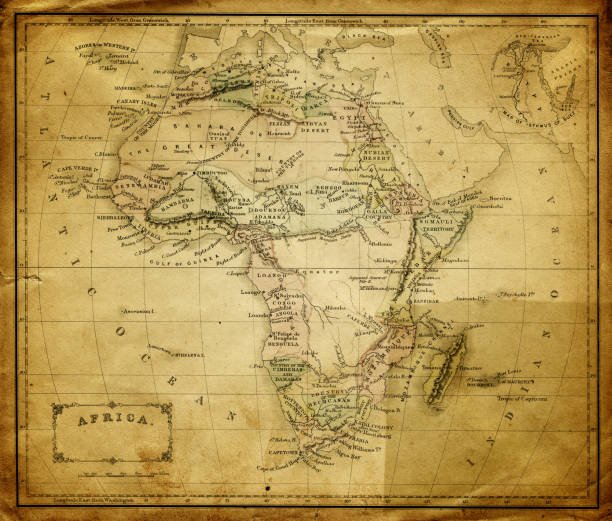
When asking, "Did Africans invent drums?" the answer is nuanced, revealing a rich tapestry of human ingenuity across continents. While Africa boasts an incredibly ancient, diverse, and profoundly significant drumming tradition that has heavily influenced global music, the concept of striking resonant objects to create rhythm likely emerged independently in various parts of the world. However, Africa's contribution to the evolution and spiritual depth of drumming is undeniably monumental, shaping cultural identities and communication methods for millennia.
The history of drums is as old as humanity itself, rooted in the fundamental human desire for rhythm and expression. Archaeological evidence suggests that rudimentary forms of percussion instruments predated many other musical tools. While definitively pinpointing a single origin for such a universal concept is challenging, the evidence strongly supports multiple, independent developments of drums and drumming practices globally. Yet, when we speak of sophisticated drumming as a cultural cornerstone, Africa's story is unparalleled.
The Ancient Origins of Percussion: A Global Perspective
To understand whether Africans invented drums, we must first consider the earliest forms of percussion. The act of hitting two objects together or striking a surface to create sound is instinctive. Early humans likely used hollow logs, gourds, or even their own bodies to create rhythmic patterns. The challenge in tracing drum origins lies in the perishable nature of their materials, such as animal skins and wood, which rarely survive archaeological scrutiny.
Earliest Known Drum-like Artifacts
- Neolithic China: Archaeological findings in China, specifically from the Dawenkou culture (c. 4100–2600 BCE), have unearthed evidence of drums with alligator skin membranes. These discoveries suggest early sophisticated drum making outside of Africa.
- Pre-Columbian Americas: Ancient civilizations in Peru and Mexico utilized various forms of percussion instruments, including slit drums, frame drums, and ceramic drums, long before European contact.
- Siberia and Europe: Shamanic traditions across Siberia and parts of Europe feature ancient frame drums, indicating a widespread use of percussion in spiritual practices.
These examples highlight that the fundamental idea of a drum — a resonant body covered with a membrane struck to produce sound — was not confined to a single geographical cradle. However, the *complexity*, *diversity*, and *profound cultural integration* of drums in Africa stand out historically and continue to this day.
Africa's Unparalleled Drumming Heritage: A Cultural Cornerstone
While the absolute invention of the drum cannot be solely attributed to Africa, the continent has undeniably developed the most extensive, varied, and oldest continuous drumming traditions in the world. African drums are not merely musical instruments; they are voices, messengers, healers, and storytellers. They are inextricably linked to every facet of life, from birth and rites of passage to warfare, spiritual ceremonies, and communal gatherings.
The Rich Tapestry of African Drums
The sheer variety of African drums is astounding, each with its unique construction, sound, and cultural significance. These instruments are crafted from a multitude of materials, reflecting the diverse environments and ingenuity of African peoples.
- Djembe: Originating from West Africa (Mali, Guinea, Burkina Faso, Senegal), the djembe is perhaps the most globally recognized African drum. Its goblet shape, carved from a single piece of wood and topped with goatskin, produces a wide range of tones, from deep bass to sharp slaps. It's central to ceremonies, celebrations, and storytelling among the Manding people.
- Talking Drum (Dundun, Gangan, Tama): Predominant in West Africa, particularly among the Yoruba and Dagomba peoples, the talking drum is renowned for its ability to mimic the pitch and rhythm of human speech. Drummers use an L-shaped stick and vary the tension of the drumheads with their arm, allowing for complex communication over distances. This innovation is a testament to the sophisticated understanding of acoustics and language.
- Conga (derived from Makuta drums): While often associated with Latin America, the conga drum has its roots in African traditions, specifically the Makuta drums brought to Cuba by enslaved Africans. These drums highlight the profound influence of African rhythms on the New World.
- Kpanlogo: A Ghanaian drum, the Kpanlogo is a barrel-shaped drum played with hands and sticks, central to the Ga people's music and dance, embodying vibrant communal energy.
- Ngoma: A broad term for drums across East, Central, and Southern Africa, Ngoma drums come in various shapes and sizes, often used in ensembles for royal ceremonies, healing rituals, and community events.
- Ashiko: Similar in shape to the Djembe but with a conical body, the Ashiko originated with the Yoruba people of Nigeria and is traditionally played with hands.
- Slit Drums: Found across various regions, particularly Central Africa, these drums are carved from hollowed logs with slits cut into the top. Different pitches are produced by striking various parts of the slits, often used for long-distance communication.
The Role of African Drums in Society
The integration of drums into African societies goes far beyond mere entertainment:
- Communication: Talking drums served as ancient telephones, transmitting complex messages, warnings, and news across villages.
- Ritual and Spirituality: Drums are central to spiritual ceremonies, connecting communities to ancestors, deities, and the spirit world. They are used in healing rituals, rites of passage, and funerals.
- Storytelling and Oral History: Rhythms and specific drum patterns are used to recount historical events, praise leaders, and transmit cultural knowledge from one generation to the next.
- Dance and Celebration: Drumming is inextricably linked to dance, providing the pulse for social gatherings, celebrations, and harvest festivals.
- Social Cohesion: Communal drumming fosters unity, cooperation, and a shared sense of identity among participants.
The continuous innovation, adaptation, and profound cultural integration of drums in Africa demonstrate not just a historical presence but an evolving, living tradition that underscores the continent's deep connection to these instruments.
Global Drum Evolution: Parallels and Divergences
While Africa holds a unique place in the history of drumming, it's crucial to acknowledge the independent development of percussion instruments across the globe. The impulse to create rhythm is universal, leading to parallel inventions adapted to local materials and cultural needs.
Drums Across Continents: A Brief Overview
The following table illustrates some examples of ancient and significant drum traditions outside of Africa, highlighting the global nature of drum development:
| Region/Culture | Notable Drum Types | Key Characteristics/Significance |
|---|---|---|
| Asia (e.g., China, India, Japan) | Taiko (Japan), Tabla (India), Dagu (China) | Elaborate ritual use (Taiko), complex rhythmic systems (Tabla), ancient origins (Dagu with alligator skin). |
| Americas (Pre-Columbian) | Huehuetl (Aztec), Teponaztli (Aztec), Powwow drums (Native American) | Wooden upright drums (Huehuetl), slit drums (Teponaztli), large communal drums for ceremonies. |
| Europe (Ancient/Medieval) | Bodhrán (Ireland), Frame drums (various), Tambourines | Often associated with folk music, dance, and spiritual practices; some derived from Middle Eastern influences. |
| Middle East & North Africa | Darbuka/Doumbek, Riq (frame drum), Bendir (frame drum) | Key to traditional and classical music, often played with intricate finger techniques. |
This global overview reinforces the idea that humanity, in its diverse forms, found inspiration in rhythm. However, the sheer antiquity and the continuous, unbroken lineage of sophisticated African drumming traditions often mean that when people think of the foundational origins of drumming, Africa comes prominently to mind due to its rich and well-documented history.
The Evolution of Drum Construction and Materials
The evolution of drum making reflects human ingenuity in utilizing available resources. Early drums were likely simple, natural objects. Over time, techniques became more sophisticated, leading to specialized instruments.
From Natural Objects to Crafted Instruments
- Early Percussion: The very first percussive sounds were likely made by striking logs, stones, or gourds. The discovery that a hollowed object produced a more resonant sound was a significant step.
- Skin Drums: The realization that stretched animal hide over an opening created a powerful, tunable sound was a major breakthrough. This allowed for greater tonal variety and projection. The type of animal skin (goat, antelope, cow) and how it was treated significantly affected the drum's sound.
- Wood Carving: The development of tools to hollow out logs or carve intricate drum bodies (like the djembe or talking drum) was a crucial technological advancement. Different woods offer different resonant qualities.
- Clay and Metal: In some cultures, drums were made from pottery or even early metals, showcasing diverse material science.
- Tensioning Systems: Early drums used pegs or glues to secure membranes. Later, complex lacing systems (rope, leather thongs) and eventually mechanical tuning systems emerged, allowing for precise pitch control and durability.
African drum makers, for example, are renowned for their intricate knowledge of wood types, skin preparation, and tensioning systems, passed down through generations. This deep understanding contributes to the distinct sounds and longevity of their instruments.
The Influence of African Drumming on World Music
Perhaps the most compelling argument for Africa's central role in the global story of drums lies in its immense influence on music worldwide. The forced migration of enslaved Africans to the Americas and the Caribbean brought with it African rhythms, musical structures, and drumming techniques that fundamentally reshaped entire genres.
Africa's Rhythmic Legacy
- Latin American Music: Genres like Salsa, Rumba, Mambo, and Samba are deeply indebted to African drumming traditions. Instruments like the conga, bongos, and timbales have direct lineage or strong influence from African drums and rhythmic patterns.
- Jazz and Blues: The polyrhythms, call-and-response patterns, and improvisational spirit found in jazz and blues can be traced back to West African musical traditions, carried by enslaved people.
- Rock and Pop Music: The drum kit, as we know it today, while a European-American invention in its specific configuration, relies heavily on rhythmic concepts and grooves that have been influenced by African and African-diasporic music.
- Global Percussion Ensembles: Contemporary world music often incorporates authentic African drums and drumming techniques, acknowledging their power and versatility.
This enduring influence underscores the depth and universality of African rhythmic principles, demonstrating how a tradition that began millennia ago continues to resonate and inspire artists across the globe.
Understanding "Invention" in a Historical Context
The term "invention" often implies a single moment of creation by an individual or a specific group. However, in the context of something as fundamental as a drum, it's more accurate to view its origin as a process of discovery, refinement, and independent development across various cultures.
For millennia, humans in different parts of the world, facing similar needs for communication, ritual, and artistic expression, independently arrived at the concept of striking a resonant object, and later, a stretched membrane, to create rhythm. While Africa may not be the sole point of "first invention," it is undoubtedly a primary and continuous center of innovation, evolution, and deep cultural integration for drums.
The richness of African drum history lies not just in its ancient roots, but in its unparalleled diversity, the sophisticated craftsmanship, the intricate rhythmic systems, and the profound social, spiritual, and communicative roles drums have played and continue to play in African societies. This makes the question of "Did Africans invent drums?" less about a singular origin and more about recognizing Africa as a foundational and continually thriving source of drumming excellence that has enriched the entire world.
Conclusion
In summary, while the absolute and singular invention of the drum cannot be attributed to one continent, Africa holds an unparalleled and profoundly significant place in the global history of drums. Archaeological evidence suggests that rudimentary percussion instruments emerged independently in various parts of the world over millennia. However, the African continent developed and maintained the most diverse, ancient, and culturally integrated drumming traditions, transforming simple percussive tools into sophisticated instruments of communication, ritual, and artistic expression. The legacy of African drums extends far beyond its geographical boundaries, having profoundly influenced the rhythmic structures and musical genres of the Americas and subsequently, the rest of the world. Therefore, while not the sole inventors, Africans are unequivocally pivotal to the evolution, cultural depth, and global impact of drumming as we know it today.
Enjoyed this read?
Share it with your friends and colleagues.