Diseases Found In Africa

BSC Insights Admin
October 01, 2026
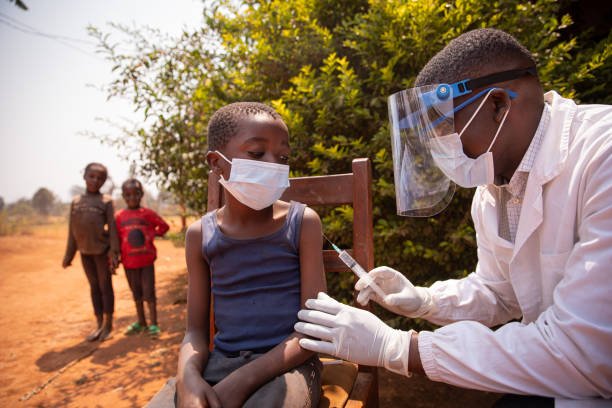
Africa, a continent of immense diversity and resilience, faces a complex array of health challenges, with various diseases significantly impacting its populations. The spectrum of diseases found in Africa ranges from long-standing infectious scourges like malaria and HIV/AIDS to a growing burden of non-communicable diseases such as diabetes and heart conditions. These health issues are often exacerbated by intertwined factors including poverty, limited access to healthcare, inadequate sanitation, and environmental challenges, collectively presenting a unique set of obstacles for public health initiatives across the continent.
Understanding the Major Infectious Diseases in Africa
Infectious diseases have historically represented a significant portion of the African health challenges, contributing to high morbidity and mortality rates. Efforts to control and eradicate these diseases are ongoing, with varying degrees of success across different regions and pathogens.
Malaria: A Persistent Threat
Malaria in Africa remains one of the most devastating parasitic diseases, predominantly transmitted through the bites of infected female Anopheles mosquitoes. It is particularly prevalent in sub-Saharan Africa, accounting for over 90% of global malaria cases and deaths. Symptoms often include fever, headache, chills, and vomiting, and if untreated, can progress to severe malaria, leading to organ failure, seizures, coma, and death. Children under five and pregnant women are especially vulnerable.
- Prevention: Key strategies for preventing diseases in Africa like malaria include insecticide-treated bed nets (ITNs), indoor residual spraying (IRS), and preventative antimalarial medications.
- Treatment: Artemisinin-based combination therapies (ACTs) are the most effective treatments, but drug resistance is an emerging concern.
HIV/AIDS: A Public Health Priority
The Human Immunodeficiency Virus (HIV), which causes Acquired Immunodeficiency Syndrome (AIDS), has had a profound impact on the continent. Sub-Saharan Africa bears the largest burden of HIV/AIDS Africa, with millions living with the virus. The disease weakens the immune system, making individuals susceptible to opportunistic infections and certain cancers.
- Progress: Significant strides have been made in increasing access to antiretroviral therapy (ART), which can suppress the virus, allowing people living with HIV to lead long, healthy lives.
- Challenges: Stigma, prevention of mother-to-child transmission, and ensuring consistent access to treatment remain critical challenges.
Tuberculosis (TB): A Resurgent Foe
Tuberculosis, caused by the bacterium Mycobacterium tuberculosis, is another major public health issue. It primarily affects the lungs but can impact other parts of the body. Africa experiences a high burden of TB, often exacerbated by co-infection with HIV. The rise of multidrug-resistant TB (MDR-TB) and extensively drug-resistant TB (XDR-TB) presents serious treatment difficulties.
Neglected Tropical Diseases (NTDs): Hidden Burdens
The term Neglected Tropical Diseases refers to a diverse group of chronic and disabling infectious diseases that primarily affect the world's poorest populations. In Africa, NTDs like schistosomiasis, lymphatic filariasis (elephantiasis), onchocerciasis (river blindness), soil-transmitted helminthiasis, and sleeping sickness cause immense suffering, disfigurement, and long-term disability.
These diseases often thrive in areas with poor sanitation, unsafe water, and inadequate housing, highlighting the link between poverty and disease prevalence.
Ebola and Other Viral Hemorrhagic Fevers
Outbreaks of highly virulent diseases like Ebola virus disease (EVD) have periodically gripped parts of Africa, causing widespread fear and devastation. Ebola, Lassa fever, and Marburg virus disease are examples of viral hemorrhagic fevers characterized by fever, severe bleeding, and high mortality rates. Rapid detection, isolation, and supportive care are crucial for controlling these outbreaks.
Cholera and Other Waterborne Diseases
Diseases like cholera, typhoid fever, and various diarrheal diseases are common in areas with unsafe drinking water and inadequate sanitation. Outbreaks often occur during humanitarian crises or heavy rainfall, stressing health systems. These are prime examples of infectious diseases Africa struggles with due to infrastructure deficits.
The Rising Tide of Non-Communicable Diseases (NCDs)
While infectious diseases remain a significant concern, Africa is simultaneously experiencing an epidemiological transition, with a growing burden of non-communicable diseases Africa. This shift is often attributed to urbanization, changing lifestyles, and an aging population.
Cardiovascular Diseases
Conditions like hypertension (high blood pressure), stroke, and heart disease are increasingly prevalent. Risk factors include unhealthy diets, lack of physical activity, tobacco use, and excessive alcohol consumption. These conditions pose a significant challenge due to limited diagnostic and treatment facilities.
Diabetes
The prevalence of diabetes, particularly Type 2 diabetes, is on the rise across Africa. This chronic metabolic disorder, if not managed, can lead to severe complications such as kidney failure, blindness, limb amputations, and cardiovascular issues. Awareness and access to affordable insulin and other medications are vital.
Cancers
Cancers, including cervical, breast, prostate, and liver cancers, are becoming more common. Late diagnosis, limited access to screening programs, and costly treatment options contribute to high mortality rates. Public health efforts focus on early detection and prevention, particularly for vaccine-preventable cancers like cervical cancer (HPV vaccine) and liver cancer (Hepatitis B vaccine).
Chronic Respiratory Diseases
Asthma and chronic obstructive pulmonary disease (COPD) are also significant NCDs. Indoor air pollution from solid fuels used for cooking and heating, as well as outdoor air pollution, are major contributors to respiratory illnesses.
Underlying Factors Exacerbating Disease Burden
The prevalence and impact of diseases found in Africa are deeply intertwined with a range of socio-economic, environmental, and systemic factors. Addressing these root causes is crucial for sustainable health improvements.
Poverty and Socioeconomic Disparities
Poverty directly impacts health outcomes by limiting access to nutritious food, clean water, adequate housing, education, and essential healthcare services. People living in poverty are more likely to be exposed to disease-causing agents and less likely to receive timely treatment, making them highly vulnerable to various endemic diseases Africa faces.
Weak Health Infrastructure and Workforce Shortages
Many African countries struggle with inadequate healthcare infrastructure, including insufficient hospitals, clinics, diagnostic laboratories, and medical equipment. A critical shortage of healthcare professionals, including doctors, nurses, and specialists, further strains the system, particularly in rural areas. This directly affects the ability to implement effective disease prevention strategies Africa needs.
Lack of Access to Clean Water and Sanitation (WASH)
A significant portion of the African population lacks access to safe drinking water and improved sanitation facilities. This deficiency is a primary driver of waterborne and diarrheal diseases, which disproportionately affect children. Investing in Water, Sanitation, and Hygiene (WASH) initiatives is fundamental to improving public health.
Malnutrition
Both undernutrition (stunting, wasting) and micronutrient deficiencies (e.g., iron, vitamin A) weaken the immune system, making individuals, especially children, more susceptible to infectious diseases and hindering their recovery. The double burden of malnutrition, where undernutrition coexists with overweight and obesity, is also emerging.
Political Instability and Conflict
Conflict and political instability can devastate health systems, leading to the displacement of populations, disruption of healthcare services, and increased risk of disease outbreaks due to overcrowding and lack of resources in refugee camps. These situations often compound the burden of disease Africa is trying to address.
Climate Change and Environmental Factors
Climate change is altering disease patterns. Rising temperatures and changing rainfall patterns can expand the geographic range of disease vectors like mosquitoes (leading to more malaria and dengue) and facilitate the spread of waterborne diseases through extreme weather events. Deforestation and urbanization can also increase human exposure to zoonotic diseases.
Strategies and Progress in Combating Diseases in Africa
Despite the formidable challenges, significant progress has been made, and various initiatives are underway to address the diseases found in Africa. Collaboration among governments, international organizations, and local communities is crucial for these efforts.
Strengthening Healthcare Systems
Focusing on primary healthcare is paramount. This includes establishing community health worker programs, improving access to essential medicines, and enhancing diagnostic capabilities at the local level. Strengthening health worker training and retention is a key component.
Expanded Vaccination Programs
Routine immunization campaigns have dramatically reduced the incidence of vaccine-preventable diseases such as polio, measles, and tetanus. Organizations like Gavi, the Vaccine Alliance, play a critical role in increasing vaccine access across the continent. New vaccines for diseases like malaria are also showing promise.
Improved Disease Surveillance and Response
Investing in robust disease surveillance systems allows for early detection and rapid response to outbreaks, preventing widespread transmission. This involves strengthening laboratory networks and epidemiological reporting mechanisms.
Access to Essential Medicines and Technologies
Ensuring that affordable, high-quality essential medicines are available and accessible is vital. This includes generic drugs for HIV, TB, and malaria, as well as treatments for NCDs. Leveraging technology for remote diagnostics and telemedicine can also improve access.
Water, Sanitation, and Hygiene (WASH) Initiatives
Continued investment in WASH infrastructure and education is fundamental to breaking cycles of waterborne disease transmission and improving overall environmental health. Promoting handwashing and safe waste disposal are simple yet highly effective interventions.
Health Education and Promotion
Empowering communities with knowledge about disease prevention, healthy lifestyles, and the importance of seeking early medical attention is critical. Targeted campaigns address specific issues like safe sexual practices, balanced nutrition, and the dangers of tobacco and excessive alcohol consumption.
International Partnerships and Funding
Global health initiatives, such as the Global Fund to Fight AIDS, Tuberculosis and Malaria, the U.S. President's Emergency Plan for AIDS Relief (PEPFAR), and partnerships with the World Health Organization (WHO), provide vital funding, technical support, and coordination for health programs across Africa.
| Disease Category | Examples | Key Intervention Areas |
|---|---|---|
| Infectious Diseases | Malaria, HIV/AIDS, Tuberculosis, Cholera, Ebola, Schistosomiasis | Vaccination, Vector Control, Antiviral/Antibiotic Therapy, WASH, Surveillance |
| Non-Communicable Diseases (NCDs) | Hypertension, Diabetes, Cancer, Chronic Respiratory Diseases | Health Education, Screening, Early Detection, Lifestyle Modification, Access to Treatment |
| Nutritional Deficiencies | Undernutrition, Micronutrient Deficiencies | Food Security, Dietary Diversification, Supplementation, Maternal & Child Health |
Conclusion
The landscape of diseases found in Africa is multifaceted, encompassing both persistent infectious threats and a rising burden of non-communicable diseases. While challenges persist due to socioeconomic factors, weak infrastructure, and environmental changes, significant progress has been made through dedicated efforts in disease prevention, treatment, and health system strengthening. Continuous investment in healthcare, education, clean water, and international partnerships remains vital to further reduce the impact of disease and improve the overall health and well-being of the diverse populations across the African continent. Understanding these complexities is the first step towards fostering healthier and more resilient communities.
Enjoyed this read?
Share it with your friends and colleagues.