Does Africa Extradite To The Us

BSC Insights Admin
October 07, 2026
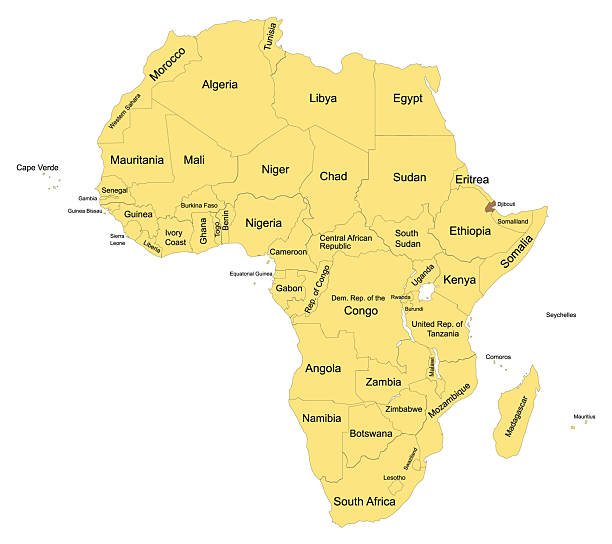
When considering the question, "Does Africa extradite to the US?", it's crucial to understand that Africa is a continent comprising 54 diverse sovereign nations, not a single entity. Therefore, extradition from African countries to the United States is not a universal given, but rather depends entirely on individual bilateral treaties, agreements, and the specific legal frameworks in place between each African nation and the US. Some African countries have robust extradition treaties with the United States, facilitating the process, while others do not, making such requests significantly more challenging or impossible.
This complex landscape of international law, diplomatic relations, and domestic legal systems means that each extradition request is handled on a case-by-case basis. Understanding the intricacies of these relationships is key to grasping the reality of international cooperation in law enforcement across the African continent.
Understanding the Fundamentals of Extradition
Before delving into the specifics of extradition treaties Africa US, it's important to define what extradition entails. Extradition is the formal process by which one sovereign state surrenders an individual to another sovereign state for prosecution or punishment for crimes committed in the requesting state's jurisdiction. It is a cornerstone of international law enforcement cooperation, designed to ensure that fugitives cannot escape justice simply by crossing international borders.
Key Principles Governing Extradition
- Bilateral Treaties: The vast majority of extraditions occur under the terms of a bilateral extradition treaty between two countries. These treaties outline the offenses for which extradition can be granted, the evidence required, and the procedures to be followed.
- Dual Criminality: A fundamental principle, dual criminality requires that the offense for which extradition is sought must be recognized as a criminal offense in both the requesting state (e.g., the US) and the requested state (e.g., an African nation). If the act is only a crime in one country, extradition is typically denied.
- Political Offense Exception: Most extradition treaties include an exception for political offenses. This means that if the crime is deemed to be purely political in nature, extradition will often not be granted. However, the definition of a political offense can be contentious and does not typically cover acts of terrorism.
- Non-Extradition of Nationals: Some countries, particularly those with civil law systems, refuse to extradite their own citizens. Instead, they may prosecute their citizens for crimes committed abroad within their own judicial system. The US, on the other hand, generally does extradite its citizens.
- Rule of Specialty: This principle dictates that an extradited individual can only be prosecuted for the specific crimes for which extradition was granted, not for any other offenses they may have committed prior to their surrender, unless the requested state consents.
The Role of Bilateral Extradition Agreements with African Nations
The existence, or lack thereof, of bilateral extradition agreements is the primary determinant of whether African countries extradition United States is possible. The United States maintains a network of extradition treaties with numerous countries globally, and this includes a significant number of nations on the African continent.
Historically, many of these treaties were established decades ago, often influenced by colonial ties or during periods of heightened diplomatic cooperation. While many African nations have signed such treaties, the specifics can vary greatly. Some treaties are comprehensive and modern, while others may be older and less encompassing, sometimes requiring amendments or specific interpretations to address contemporary crimes like cybercrime or complex financial fraud.
Countries with Strong Extradition Frameworks
Nations that have strong historical or strategic alliances with the US, or those that have particularly active international law enforcement cooperation, tend to have more established extradition mechanisms. These often include countries with democratic institutions, a common law legal tradition, and a shared commitment to combating transnational crime. For instance, countries like South Africa, Nigeria, and Kenya have demonstrable histories of engaging with US extradition requests, albeit under strict adherence to their national laws and treaty obligations.
The Absence of a Treaty: Ad Hoc Cooperation
What happens if an African country does not have a formal extradition treaty with the United States? While more challenging, extradition is not always impossible. In some instances, countries may engage in ad hoc extradition or deportation agreements based on principles of reciprocity or under specific mutual legal assistance treaties (MLATs) that facilitate the sharing of evidence and judicial cooperation. However, these informal arrangements are often less predictable, take longer, and require significant political will and diplomatic negotiation.
Furthermore, local immigration laws can sometimes be leveraged. If a fugitive is in a country illegally or has violated immigration terms, they might be deported back to their country of origin or a country where they hold legal residency, which could, by coincidence, be the United States, or a third country that *does* have an extradition treaty with the US. This is a complex legal maneuver and not a direct extradition.
The Extradition Process: A Multi-Stage Legal Battle
For individuals facing US extradition requests Africa, the process is far from instantaneous. It involves multiple stages, often spanning both executive and judicial branches of government in the requested African nation.
Typical Steps in an Extradition Request
- Formal Request: The US Department of Justice, through the State Department, submits a formal extradition request to the African nation's Ministry of Foreign Affairs or equivalent. This request includes details of the charges, supporting evidence, and applicable treaty provisions.
- Review by Executive Branch: The receiving government's executive branch (often the Attorney General's office or Ministry of Justice) reviews the request to ensure it meets initial legal and diplomatic requirements.
- Judicial Proceedings: If deemed valid, the request proceeds to the courts. A local court in the African country will typically hold hearings to determine if the individual is extraditable under the domestic laws and the terms of the treaty. This is where principles like dual criminality, sufficiency of evidence, and the political offense exception are rigorously examined.
- Arrest and Detention: An arrest warrant is usually issued, and the individual is taken into custody, pending the outcome of the judicial proceedings.
- Appeals: The fugitive typically has the right to appeal the court's decision, which can significantly prolong the process.
- Executive Decision: Even if the courts rule in favor of extradition, the final decision often rests with the executive branch (e.g., the President or relevant minister). This executive discretion can consider humanitarian factors, human rights concerns, and broader diplomatic relations.
- Surrender: If all legal avenues are exhausted and the executive approves, the individual is formally surrendered to US authorities.
Each of these steps can be protracted, particularly if the fugitive mounts a strong legal defense, citing concerns about human rights, the fairness of the US justice system, or technical deficiencies in the extradition request. The entire process of international extradition law is designed to be deliberative, protecting the rights of the individual while upholding international legal obligations.
Factors Influencing Extradition Decisions in African Nations
Beyond the formal legal framework, several practical and political factors can significantly influence whether an African country will approve a US extradition request.
1. Strength of Diplomatic and Political Relations
Close diplomatic ties and strong political will between the African nation and the United States often facilitate cooperation. Nations that view the US as a key strategic partner may be more inclined to act swiftly and decisively on extradition requests, provided all legal requirements are met. Conversely, strained relations or domestic political instability can complicate or stall the process, regardless of existing treaties.
2. Human Rights Considerations
Many African legal systems extradition processes place a strong emphasis on human rights, reflecting international norms. If there are credible concerns that the extradited individual might face torture, an unfair trial, or the death penalty (especially if the African country has abolished capital punishment), the extradition might be denied or require substantial assurances from the US. For instance, countries often seek assurances that the death penalty will not be sought or, if imposed, will not be carried out, before they agree to surrender a fugitive.
3. Legal System Compatibility and Capacity
Differences between common law (prevalent in the US and many Anglophone African countries) and civil law systems (common in Francophone African countries) can sometimes pose procedural challenges. Moreover, the judicial capacity and resources of the requested nation can affect the efficiency of the process. Some African judicial systems may be overburdened or lack the specialized resources to handle complex international extradition cases swiftly.
4. Nationality of the Fugitive
As mentioned, some African nations adhere to the principle of not extraditing their own citizens. In such cases, the country may opt to prosecute its national within its own courts for crimes committed abroad, if its laws permit extraterritorial jurisdiction. This is a significant hurdle for US extradition efforts concerning African nationals.
5. Public and Media Opinion
In high-profile cases, public and media opinion within the African nation can play a role. If there is strong domestic sentiment against the extradition, based on perceived injustice, political motives, or human rights concerns, the executive branch might face pressure to deny the request, even if legally permissible. This highlights the political dimension that often accompanies the legal process of extradition.
Navigating Extradition Challenges and Seeking Legal Counsel
The landscape of extradition challenges African nations presents to the US, and vice versa, is complex. Fugitives attempting to evade justice by seeking refuge in African countries often underestimate the reach of international law enforcement cooperation. While the absence of a treaty or specific legal hurdles can delay or prevent extradition, the global trend is towards increased collaboration in combating transnational crime, including for fugitives in Africa.
For individuals facing the possibility of extradition, whether in Africa or elsewhere, obtaining expert legal counsel is paramount. An experienced international extradition lawyer can navigate the intricate web of treaties, domestic laws, human rights arguments, and diplomatic considerations. They can challenge the legality of the request, present arguments against dual criminality, raise human rights concerns, or explore avenues for political asylum, where applicable. The US Department of Justice (DOJ) works relentlessly to pursue fugitives globally, making robust legal defense a necessity.
| Factor | Impact on Extradition | Notes |
|---|---|---|
| Bilateral Treaty Existence | Primary determinant. Required for most extraditions. | Without one, ad hoc cooperation is rare and complex. |
| Dual Criminality | Essential. Offense must be crime in both nations. | Common ground for legal challenge. |
| Human Rights Protections | Significant. Potential grounds for refusal. | Assurances (e.g., regarding death penalty) often sought. |
| Political Will & Relations | Crucial for smooth processing. | Strong diplomatic ties facilitate cooperation. |
| Nationality of Fugitive | Some nations do not extradite their own citizens. | May lead to prosecution within the requested state. |
| Evidentiary Standards | US must meet requested nation's legal standards. | Can be a procedural hurdle. |
Conclusion
In conclusion, the question of "Does Africa extradite to the US?" can be definitively answered with a nuanced "yes, under specific circumstances." It is not a blanket policy but rather a function of individual sovereign decisions, dictated by the presence of a bilateral extradition treaty between a particular African nation and the United States, adherence to principles like dual criminality, and a careful consideration of human rights and diplomatic relations. While some African countries have strong and active extradition relationships with the US, others may not have formal treaties or may exercise their sovereign right to refuse based on their domestic laws and policy considerations. The process is inherently legalistic and often protracted, underscoring the complexities of international cooperation law enforcement and the need for rigorous due process in every instance.
Enjoyed this read?
Share it with your friends and colleagues.