Did Dreadlocks Originated In Africa

BSC Insights Admin
October 01, 2026
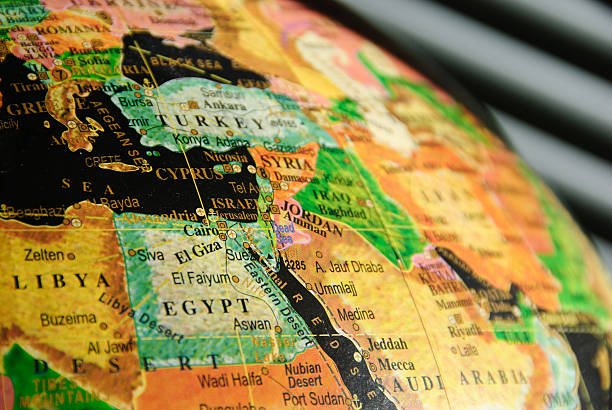
The question of whether dreadlocks originated in Africa is common, and while Africa has undoubtedly played a profound and influential role in the global history and evolution of this iconic hairstyle, the complete answer reveals a far more ancient and global narrative. Evidence suggests that various forms of matted, coiled, or locked hair have appeared independently across numerous cultures and continents for thousands of years, long before any single modern-day continent or culture can claim exclusive origin. Thus, while Africa is a significant cradle for many cultural practices associated with dreadlocks, it is more accurate to say that their history is multifaceted and predates any singular point of origin.
The Deep Roots: Tracing Ancient Dreadlocks Around the World
To understand the full scope of dreadlocks' origins, we must look beyond contemporary associations and delve into archaeological and historical records from diverse civilizations. The practice of intentionally locking hair is not a recent phenomenon, nor is it confined to one geographical region.
Pre-African Evidence: Global Antiquity of Locked Hair
-
Ancient Egypt: Perhaps one of the most compelling pieces of evidence for ancient dreadlocks comes from Egypt. Mummified remains, some dating back as far as 3,000 BCE, have been discovered with their hair intricately locked. The preserved hair of Egyptian pharaohs and other nobility often shows signs of being deliberately matted and styled into what we recognize today as dreadlocks. This suggests that ancient Egyptian dreadlocks held a place of significance, possibly related to spirituality, royalty, or social status.
-
Indus Valley Civilization: Archaeological excavations in the Indus Valley, particularly at sites like Mohenjo-Daro and Harappa, have unearthed sculptures and figurines from around 2500–1500 BCE depicting individuals with locked or braided hairstyles that resemble dreadlocks. These ancient depictions suggest that such hairstyles were prevalent in spiritual or ascetic practices in what is now modern-day Pakistan and India.
-
Vedic India and Hinduism: The term 'Jata' in Sanskrit refers to matted, coiled hair, and it is frequently mentioned in ancient Hindu scriptures, particularly the Vedas. Ascetics, known as Sadhus or Yogis, often wear their hair in Jata as a symbol of their devotion, renunciation of worldly possessions, and spiritual journey. Lord Shiva, one of the principal deities of Hinduism, is famously depicted with 'Jata,' further cementing the spiritual significance of dreadlocks in ancient India. The practice among these holy men is thousands of years old.
-
Minoan Civilization (Crete): Frescoes discovered on the Greek island of Thera (Santorini), dating to approximately 1500 BCE, depict individuals, including what appear to be young boys, with long, braided, or locked hair. These artistic representations from the Minoan civilization offer further proof of the widespread and ancient nature of these hairstyles.
-
Ancient Greece and Rome: While less common than in other cultures, some historical accounts and artistic depictions suggest that certain groups in ancient Greece and Rome, particularly those associated with specific cults or practices, may have worn their hair in locked styles.
Africa's Profound Contribution to the History of Dreadlocks
While the initial premise that dreadlocks originated in Africa exclusively may be inaccurate, there is no denying the continent's immense and enduring contribution to the history, cultural significance, and global popularization of locked hair. Across Africa, various indigenous communities have worn and continue to wear dreadlocks for millennia, each with unique cultural contexts and meanings.
Diverse African Traditions of Locked Hair
African societies have long embraced locked hair, often infusing it with deep spiritual, social, and political meaning. The styles and methods of creating and maintaining dreadlocks vary greatly across different ethnic groups.
-
Maasai People (East Africa): The Maasai warriors are renowned for their intricate red-ochre coated dreadlocks. These Maasai dreadlocks are a symbol of courage, strength, and passage into manhood. The distinctive red color comes from mixing red ochre with animal fat, a practice that also helps to protect the hair and scalp.
-
Himba People (Namibia): The Himba women are famous for their unique 'otjize' paste, a mixture of butterfat, ochre, and aromatic herbs, which they apply to their hair and skin. Their hair is often styled into thick, rope-like locks, reflecting their identity, age, and marital status.
-
Fulani People (West Africa): While often associated with braids, some Fulani styles, particularly among older generations or spiritual leaders, involve locking the hair, symbolizing wisdom and connection to tradition.
-
Nuer People (South Sudan): The Nuer have a long tradition of creating intricate hair sculptures and locks, often signifying status and identity within their community. These styles are meticulously maintained and can be quite elaborate.
-
Igbo, Yoruba, and other West African groups: Historical records and oral traditions indicate that various forms of locked and intricately styled hair have been present in these cultures for centuries, often linked to spiritual practices, priesthood, or tribal identity.
The consistent appearance of locked hairstyles across countless African cultures highlights not just a practical approach to hair care but a profound connection to identity, spirituality, and social standing. These traditions were often passed down through generations, evolving and adapting while maintaining their core significance.
The Rise of Rastafarianism and Global Recognition
While ancient and diverse, the global visibility and widespread understanding of dreadlocks in the modern era owe a significant debt to the Rastafarian movement. Originating in Jamaica in the 1930s, Rastafari adopted dreadlocks as a central tenet of their faith and identity, drawing inspiration from biblical texts (specifically the Nazirite vow in the Book of Numbers) and African spirituality.
Rastafarian Dreadlocks: Symbolism and Spread
-
Spiritual Significance: For Rastafarians, dreadlocks are more than just a hairstyle; they are a sacred expression of their covenant with Jah (God). They represent a commitment to natural living, a rejection of Western societal norms ('Babylon'), and a symbolic connection to the 'Lion of Judah' (Haile Selassie I, considered a divine figure by Rastafarians).
-
Biblical Roots: The Nazirite vow, which prohibits cutting one's hair or consuming alcohol, resonated deeply with early Rastafarians, seeing it as a commandment to live a pure and natural life.
-
Cultural Impact: Through the global spread of reggae music, particularly artists like Bob Marley, Rastafarian dreadlocks became an internationally recognized symbol of rebellion, spirituality, and black identity. This propelled dreadlocks into the global consciousness, often mistakenly leading people to believe Rastafarianism was their sole origin.
-
Resistance and Resilience: For many, particularly in the African diaspora, dreadlocks became a powerful symbol of resistance against oppression, a reclamation of natural hair, and a celebration of African heritage in the face of colonial beauty standards.
Dreadlocks Beyond Spirituality: Identity, Fashion, and Empowerment
Today, the appeal and symbolism of dreadlocks have broadened considerably. While deeply rooted in spiritual and cultural traditions, they are also embraced for aesthetic reasons, as a form of self-expression, and as a natural hair choice.
Modern Interpretations and Cultural Significance
The journey of dreadlocks from ancient spiritual practices to modern fashion statements is a testament to their enduring appeal and versatility. They continue to carry a weight of meaning for many.
-
Self-Expression: Many individuals choose dreadlocks as a way to express their unique personality, creativity, and independence. It's a statement against conventional beauty standards.
-
Natural Hair Movement: Dreadlocks are a prominent feature of the broader natural hair movement, encouraging individuals to embrace their hair's natural texture and forgo chemical treatments or excessive manipulation. This promotes hair health and self-acceptance.
-
Identity and Heritage: For people of African descent, dreadlocks often serve as a powerful link to their heritage and a celebration of their roots, countering centuries of imposed Eurocentric beauty ideals.
-
Professional Acceptance: Slowly, dreadlocks are gaining more acceptance in professional settings, challenging long-held biases and stereotypes about appearance.
Dispelling Common Misconceptions About Dreadlocks
Despite their rich history and diverse cultural presence, dreadlocks are often misunderstood or unfairly stigmatized. Addressing these misconceptions is crucial for a more informed global perspective.
The Truth About Locked Hair
Here are some common myths and their factual clarifications:
| Misconception | Fact |
|---|---|
| Dreadlocks are dirty or unhygienic. | This is false. Well-maintained dreadlocks are regularly washed and cared for, just like any other hairstyle. In fact, many people with dreadlocks maintain a rigorous washing and conditioning routine. |
| Dreadlocks are only for Rastafarians. | While Rastafarianism popularized them, dreadlocks have existed in numerous cultures for thousands of years, predating the movement. Many people wear them for cultural, aesthetic, or personal reasons unrelated to Rastafarian faith. |
| Dreadlocks are difficult to remove. | While it requires effort, dreadlocks can be combed out with patience and the right products, though many choose to cut them if they wish to remove them. |
| Dreadlocks damage hair. | When properly installed and maintained, dreadlocks do not damage the hair. They are a protective style that allows hair to grow naturally without manipulation. Poor maintenance or excessive tension can lead to issues, but this is true for any hairstyle. |
How Dreadlocks Are Formed and Maintained
The process of forming and maintaining dreadlocks is a testament to patience and consistent care. There are several methods, each yielding slightly different results in terms of texture and appearance.
Common Methods for Locking Hair
-
Backcombing: This involves teasing sections of hair towards the scalp and then palm rolling them to compact the hair and encourage locking. It's one of the quickest methods to achieve a locked look initially.
-
Palm Rolling: After sectioning the hair, individual strands are twisted and rolled between the palms of the hands. This method helps to tighten and shape the locks over time.
-
Coiling: Primarily used for naturally coily or kinky hair, this involves twisting small sections of hair into coils using a comb or fingers until they naturally begin to lock.
-
Interlocking: This method involves pulling the tip of a dread through its base, creating a secure knot that tightens the lock. It's particularly effective for maintaining neat roots.
-
Freeforming: This organic method involves simply allowing the hair to naturally knot and fuse without much intervention, often through minimal washing and manipulation. This results in truly unique and often thicker locks.
Maintenance for Healthy Dreadlocks
Proper maintenance is key to healthy and aesthetically pleasing dreadlocks:
-
Regular Washing: Using residue-free shampoos is crucial to prevent build-up, which can lead to odors or mildew. Hair should be thoroughly rinsed.
-
Drying: Ensuring dreadlocks are completely dry after washing is vital to prevent mildew and odor. Air drying, blow-drying, or even using a hooded dryer can help.
-
Moisturizing: Light oils or natural sprays can keep the scalp and locks moisturized without causing build-up.
-
Re-Twisting/Re-Tightening: Depending on the desired look, roots may need to be re-twisted or re-tightened every few weeks or months to maintain neatness and encourage new growth to lock.
-
Protective Styling at Night: Covering dreadlocks with a satin scarf or bonnet at night helps to prevent lint, frizz, and breakage.
Conclusion: A Global Tapestry of Locked Hair
In conclusion, while Africa has been an incredibly significant continent for the continuous practice, cultural development, and global popularization of dreadlocks, stating that they originated exclusively in Africa would be an oversimplification. The history of dreadlocks is a rich, intricate tapestry woven across millennia and continents, appearing independently in ancient Egypt, the Indus Valley, Vedic India, Minoan Crete, and various indigenous cultures worldwide. Africa's contribution to this global narrative is undeniable, particularly through the spiritual depth and resilience embodied by diverse ethnic groups and the powerful symbolism forged by the Rastafarian movement. Dreadlocks stand as a testament to humanity's universal impulse for self-expression, spirituality, and connection to heritage, making their story a truly global one.
Enjoyed this read?
Share it with your friends and colleagues.