Is There Eagle In Africa

BSC Insights Admin
September 30, 2026
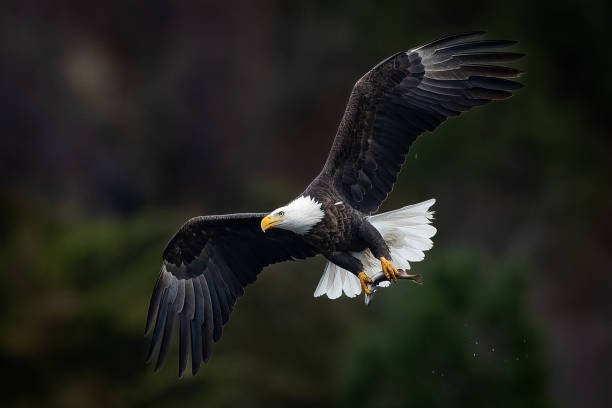
Yes, Africa is unequivocally home to a stunning diversity of eagles! Far from being exclusive to other continents, these magnificent birds of prey are an integral and iconic part of the African landscape, soaring through its skies from dense forests to vast savannas and rugged mountains. The continent's rich ecosystems provide ideal habitats and abundant prey for numerous eagle species, making it a prime destination for raptor enthusiasts and wildlife lovers alike. From the iconic call of the African Fish Eagle echoing over waterways to the formidable presence of the Martial Eagle surveying the plains, Africa offers an unparalleled spectacle of these powerful avian hunters.
The Majestic Presence of Eagles in Africa
Africa, a continent renowned for its breathtaking wildlife and diverse ecosystems, provides a thriving environment for a wide array of raptors, including some of the world's most impressive eagle species. The presence of eagles in Africa is not just significant in terms of sheer numbers, but also in the incredible variety of adaptations these birds have developed to conquer different ecological niches. These apex predators play a critical role in maintaining the balance of their respective habitats, serving as indicators of environmental health and natural vigor.
The continent's varied geography, encompassing everything from humid rainforests and dry deserts to expansive grasslands and towering mountain ranges, directly contributes to the exceptional biodiversity of its eagle population. Each species has evolved unique hunting strategies, dietary preferences, and nesting behaviors suited to its specific environment. This rich tapestry of life ensures that wherever you explore in Africa, there's a good chance you'll encounter the majestic silhouette of an eagle gracing the sky.
Key Eagle Species Found Across Africa
Africa boasts an impressive roster of eagle species, each with its own fascinating characteristics and ecological importance. Here are some of the most notable types of eagles in Africa, highlighting their unique traits and habitats:
The African Fish Eagle (Haliaeetus vocifer)
Perhaps the most recognizable of all African raptors, the African Fish Eagle is an iconic symbol of the continent's wild waterways. With its striking white head and chest, dark body, and powerful yellow beak, it's a truly magnificent sight. Its distinctive, far-reaching call, often described as a 'voice of Africa,' is synonymous with lakes, rivers, and coastal areas across sub-Saharan Africa. These eagles are primarily piscivores, expertly snatching fish from the water with their strong talons. They are often seen perched high on a tree overlooking water, patiently waiting for the perfect moment to strike. Their presence is a testament to healthy aquatic ecosystems, and they are widely distributed from small ponds to vast lakes like Lake Victoria and major river systems such as the Okavango Delta.
The Martial Eagle (Polemaetus bellicosus)
As Africa's largest eagle and one of the most powerful raptors globally, the Martial Eagle is an awe-inspiring predator. With a wingspan that can exceed 2.6 meters (8.5 feet), it dominates the skies over savannas, grasslands, and semi-arid regions. Its diet is incredibly varied, including large birds like bustards, guinea fowl, and storks, as well as mammals such as rock hyraxes, small antelope, and even young warthogs. Known for its exceptional eyesight and powerful stoop, the Martial Eagle hunts by soaring high and spotting prey from incredible distances. Sadly, this majestic bird faces significant threats from habitat loss, persecution by farmers, and poisoning, leading to a concerning decline in its populations across much of its range. Spotting a Martial Eagle in Africa is a truly memorable experience.
The Crowned Eagle (Stephanoaetus coronatus)
Often considered Africa's most powerful forest eagle, the Crowned Eagle is a formidable hunter of dense woodlands and rainforests. Its habitat preference sets it apart from many other large African eagles. Characterized by a prominent crest, dark upperparts, and heavily barred underparts, it is perfectly camouflaged within the forest canopy. Its primary prey consists of primates, including monkeys, as well as tree hyraxes and antelopes up to the size of a duiker. The Crowned Eagle uses a sit-and-wait hunting strategy, often ambushing prey from a hidden perch. Its powerful talons and strong legs are adapted for grasping and subduing relatively large and agile arboreal prey. The call of a Crowned Eagle is a distinctive series of loud whistles that can carry far through the forest.
The Bateleur Eagle (Terathopius ecaudatus)
Unique in its appearance and flight style, the Bateleur Eagle is a true spectacle of the African savanna. Its name, 'Bateleur,' is French for 'street performer' or 'tumbler,' referring to its characteristic aerial acrobatics and rock-like wing tipping during flight. With very short tail feathers, a vibrant red face, and dark plumage contrasting with striking white underwings (in adults), it is unmistakable. Bateleurs are opportunistic hunters, feeding on a wide variety of prey including small mammals, birds, reptiles, and carrion. They spend much of their day soaring at low altitudes, covering vast distances in search of food. They are often among the first raptors to arrive at a carcass, alongside vultures. This species is sadly also facing population declines due to habitat destruction and poisoning.
Verreaux's Eagle (Aquila verreauxii)
Inhabiting rocky hillsides, mountains, and inselbergs, Verreaux's Eagle is a specialist hunter of rock hyraxes (dassies). Its sleek, glossy black plumage, often with a striking white V-shape on its back and bright yellow cere and feet, makes it a truly elegant bird. These eagles are highly territorial and their magnificent soaring displays are a common sight in their preferred rocky habitats. They use the updrafts and thermals created by mountainous terrain to effortlessly patrol their hunting grounds. While primarily feeding on hyraxes, they will also take other small mammals and birds. They are an excellent example of how eagle species adapt to specific challenging environments found within Africa.
Tawny Eagle (Aquila rapax)
The Tawny Eagle is one of the most widespread and adaptable eagles across Africa, found in a variety of open and semi-open habitats. Its plumage can vary greatly in color, from dark brown to a sandy tawny hue, leading to potential confusion with other eagle species. These opportunistic hunters are known for their diverse diet, which includes small mammals, birds, reptiles, and a significant amount of carrion. They are often seen scavenging at carcasses alongside vultures, but are also adept at hunting. Their adaptability has allowed them to persist in areas where more specialized eagles have declined, although they are not immune to environmental pressures.
Wahlberg's Eagle (Hieraaetus wahlbergi)
Smaller and more slender than many of its larger cousins, Wahlberg's Eagle is a common sight in woodlands and savannas, particularly during the breeding season. It is a migratory species, with many individuals moving north during the non-breeding season. Its plumage is generally dark brown, and it can be identified by its relatively small crest and long tail. Wahlberg's Eagles primarily hunt small birds, reptiles, and mammals, often snatching them from the ground or from trees. Despite its smaller size, it is a formidable predator and contributes significantly to the avian diversity of African ecosystems.
Steppe Eagle (Aquila nipalensis)
While not a resident breeder, the Steppe Eagle is an important migratory visitor to Africa, arriving in large numbers from its breeding grounds in Central Asia and Eastern Europe during the northern winter. These powerful eagles spread out across the savannas and semi-arid regions of East and Southern Africa, taking advantage of the abundant food resources. They are largely carrion feeders during their time in Africa, often seen at large animal carcasses, but will also hunt small mammals and insects. Their presence significantly boosts the raptor population in their wintering grounds, adding to the spectacle of African eagles during certain times of the year.
Diverse Habitats Supporting African Eagles
The remarkable diversity of eagle species in Africa is directly linked to the continent's equally diverse range of habitats. Each ecological zone offers specific resources and challenges that eagles have mastered:
- Savannas and Grasslands: Vast open spaces like the Serengeti, Maasai Mara, and Kruger National Park are ideal for species that hunt by soaring, such as the Martial Eagle, Bateleur Eagle, and Tawny Eagle. Abundant large and small mammals, as well as ground-dwelling birds, provide a rich food source.
- Forests and Woodlands: Dense habitats, from the Congo Basin to smaller riverine forests, are the domain of specialized hunters like the Crowned Eagle. These environments offer cover for ambushing prey and sturdy trees for nesting. Wahlberg's Eagles also frequent these areas.
- Mountainous Regions: Rocky outcrops, cliffs, and high altitudes are perfect for eagles like Verreaux's Eagle, which rely on updrafts for soaring and specific prey like rock hyraxes found in these terrains.
- Coastal and Freshwater Areas: Lakes, rivers, estuaries, and coastlines across Africa are synonymous with the African Fish Eagle, which thrives on abundant aquatic prey.
- Semi-Arid and Desert Edges: Even drier regions support species like the Tawny Eagle, which are adaptable and can exploit sparse resources, including carrion.
This wide distribution highlights how African eagles have successfully adapted to nearly every corner of the continent, showcasing their incredible resilience and ecological versatility.
Why Eagles Are Crucial to African Ecosystems
The presence of eagles in African wildlife is far more than just aesthetically pleasing; it is fundamental to the health and balance of the continent's ecosystems. As apex predators, eagles play several critical roles:
- Population Control: By preying on herbivores and smaller predators, eagles help regulate animal populations, preventing overgrazing or overpopulation that could destabilize an ecosystem. This natural selection also often targets the weak or diseased, thereby improving the overall health of prey populations.
- Scavenging Services: Species like the Tawny Eagle and Bateleur Eagle, particularly in their non-hunting activities, contribute to the rapid decomposition of carcasses, preventing the spread of disease. They are part of nature's clean-up crew, working alongside vultures.
- Environmental Indicators: A thriving eagle population is often a sign of a healthy ecosystem. Because they sit at the top of the food chain, their decline can signal broader environmental problems, such as pesticide contamination, habitat destruction, or a reduction in prey availability. Monitoring eagle populations provides valuable insights into ecological well-being.
- Seed Dispersal and Niche Creation: While not direct dispersers, their impact on the distribution of prey animals can indirectly affect plant communities. Their large nests, often used for generations, can also provide shelter or nesting sites for other smaller bird species once abandoned.
Understanding the ecological role of these majestic birds underscores the importance of their conservation and the protection of their natural habitats.
Protecting Africa's Magnificent Raptors
Despite their grandeur and ecological importance, many eagle species in Africa face significant threats, leading to declining populations for several iconic birds like the Martial and Crowned Eagles. The challenges are multifaceted and often interconnected:
Major Threats to African Eagles:
- Habitat Loss and Degradation: The expansion of human settlements, agriculture, and infrastructure development leads to the destruction and fragmentation of crucial eagle habitats, including nesting and hunting grounds. Forest-dwelling eagles like the Crowned Eagle are particularly vulnerable to deforestation.
- Persecution and Poisoning: Farmers, often viewing eagles as threats to livestock or poultry, sometimes resort to direct persecution or poisoning. This is a significant issue for large eagles like the Martial Eagle, which may occasionally prey on domestic animals. Unintended poisoning through baited carcasses targeting other predators also affects eagles.
- Collision and Electrocution: Power lines and wind turbines pose a risk to large soaring birds, leading to injuries or fatalities from collisions or electrocution.
- Prey Depletion: Overhunting of prey species or habitat changes that reduce prey populations directly impact eagle survival and breeding success.
- Climate Change: Shifting weather patterns, increased droughts, and changes in prey distribution can disrupt breeding cycles and food availability for eagles.
Conservation Efforts for African Eagles:
A range of conservation initiatives is crucial to safeguarding these magnificent birds. These include:
- Protected Areas: The establishment and effective management of national parks, reserves, and wildlife sanctuaries provide safe havens for eagles and their prey, protecting critical habitats. Many African eagles thrive within these protected zones.
- Anti-Poaching and Law Enforcement: Strict enforcement of laws against poaching and illegal wildlife trade, along with efforts to combat the use of poisons, is vital.
- Community Engagement: Working with local communities to raise awareness about the ecological value of eagles and implementing compensation schemes for livestock losses can reduce persecution.
- Research and Monitoring: Long-term studies on eagle populations, breeding success, movements, and threats help inform targeted conservation strategies. Satellite tagging, for example, provides invaluable data on migratory patterns and habitat use.
- Rehabilitation Centers: Centers dedicated to rescuing, treating, and rehabilitating injured or poisoned eagles play a crucial role in individual bird survival and raising public awareness.
These collective efforts are essential to ensure that future generations can continue to marvel at the sight of eagles soaring over Africa.
How to Witness Eagles in Their Natural African Habitat
For those eager to experience the majesty of eagles in Africa firsthand, a safari or birdwatching trip offers unparalleled opportunities. Here are some tips for eagle spotting:
- Choose the Right Destination: National parks and wildlife reserves across Southern and East Africa are prime locations. Consider places like Kruger National Park (South Africa), Serengeti National Park (Tanzania), Maasai Mara National Reserve (Kenya), Chobe National Park (Botswana), and the Okavango Delta (Botswana). These areas are renowned for their diverse birdlife, including a high concentration of raptors.
- Best Time to Visit: The dry season (typically May to October in Southern and East Africa) often offers better visibility as vegetation is less dense, and animals congregate around water sources. Migratory eagles like the Steppe Eagle are present during the northern winter (October to March).
- Bring the Right Gear: A good pair of binoculars (10x42 is ideal) is essential for clear views. A spotting scope can be invaluable for identifying distant birds. Don't forget a field guide specific to African birds.
- Look Up and Scan the Skies: Eagles spend a lot of time soaring. Keep an eye on thermals (rising columns of warm air) where they often circle effortlessly.
- Check Perches: Look for eagles perched on tall trees, rocky outcrops, or even telephone poles, especially near water bodies or open plains. African Fish Eagles are almost always found near water.
- Hire an Experienced Guide: Local safari guides or bird guides possess invaluable knowledge of eagle behavior, preferred habitats, and current sighting locations. Their expertise significantly enhances your chances of a successful sighting.
- Be Patient and Respectful: Birdwatching requires patience. Observe from a distance to avoid disturbing the eagles, especially near nests.
Witnessing an eagle in its natural environment, whether it's the dramatic dive of a Fish Eagle or the silent glide of a Martial Eagle, is an unforgettable highlight of any African adventure.
Conclusion
In conclusion, the answer to 'Is there eagle in Africa?' is a resounding and emphatic yes! Africa is a stronghold for these magnificent raptors, hosting a spectacular array of species that range from the widespread African Fish Eagle to the formidable Martial Eagle and the elusive Crowned Eagle. These birds are not just symbols of wild beauty; they are vital components of African ecosystems, playing crucial roles as apex predators and indicators of environmental health. While facing increasing threats from habitat loss and human activities, ongoing conservation efforts are striving to protect these invaluable species. For any nature enthusiast, the opportunity to observe these powerful and majestic African eagles soaring in their diverse natural habitats is an experience that truly captures the untamed spirit of the continent.
Enjoyed this read?
Share it with your friends and colleagues.