Eagles Found In Africa

BSC Insights Admin
September 30, 2026
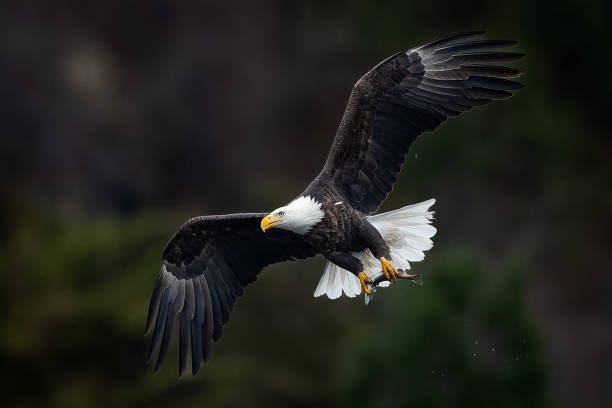
Yes, eagles are indeed found in Africa, a continent renowned for its incredible biodiversity and a stronghold for many spectacular bird of prey species. Africa's varied landscapes, encompassing vast savannas, dense forests, towering mountains, and extensive coastlines, provide ideal habitats for a wide array of raptors, making it a prime destination for eagle enthusiasts and researchers alike. From some of the world's largest and most powerful eagles to smaller, specialized hunters, the presence of these magnificent birds is a testament to the continent's rich ecosystems.
The discovery of various African eagle species is not new; these formidable predators have long been an integral part of the continent's natural heritage. They play crucial roles as apex predators, maintaining ecological balance by regulating populations of smaller animals. Understanding which types of eagles in Africa thrive and where they live offers a fascinating glimpse into the intricate web of life on this vibrant continent.
A Continent of Raptors: Why Africa is Home to Eagles
Africa's ecological diversity is a primary reason why so many eagles are found in Africa. The continent boasts an unparalleled range of biomes, each offering unique hunting grounds and nesting sites. From the arid Sahara to the lush equatorial rainforests, and from the temperate Mediterranean climate of the north to the diverse fynbos of the south, eagles have adapted to a multitude of environments.
The abundance of prey, including small mammals, other birds, reptiles, and fish, supports a healthy population of raptors. Furthermore, the vast open spaces, particularly in the sub-Saharan regions, provide excellent vantage points for hunting, while towering trees and cliff faces offer secure nesting locations away from ground predators. These factors collectively contribute to Africa being a veritable paradise for African raptors.
Key Factors Attracting Eagles to Africa:
- Diverse Habitats: From open grasslands to dense forests, mountains, and wetlands.
- Abundant Prey: A rich supply of mammals, birds, fish, and reptiles.
- Climatic Conditions: Generally favorable conditions for breeding and hunting year-round in many regions.
- Vast Territories: Large undeveloped areas provide extensive hunting ranges and minimal human disturbance in certain regions.
- Migration Routes: Africa serves as a crucial overwintering ground for many migratory eagle species from Eurasia.
Prominent Eagle Species Thriving in Africa
Among the many fascinating African eagle species, several stand out for their size, hunting prowess, and iconic status. These birds represent the pinnacle of avian predation and are a highlight for anyone interested in African wildlife and bird watching.
The Majestic African Fish Eagle (Haliaeetus vocifer)
The African Fish Eagle is perhaps the most recognizable of all eagles found in Africa, celebrated for its striking plumage, powerful build, and distinctive call. Its white head, chest, and tail contrast sharply with its dark body, making it an unmistakable sight along Africa's waterways. This magnificent bird specializes in hunting fish, swooping down to snatch its prey from the water with impressive precision.
It is widespread across sub-Saharan Africa, often found near large bodies of freshwater such as lakes, rivers, and dams. Their presence is a strong indicator of healthy aquatic ecosystems. The call of the African Fish Eagle, often described as a 'voice of Africa,' is an iconic sound of the continent's wilderness.
The Powerful Martial Eagle (Polemaetus bellicosus)
As the largest eagle in Africa and one of the most powerful raptors globally, the Martial Eagle is a truly formidable predator. With an average wingspan of over 6 feet (1.8 meters) and capable of taking down prey as large as small antelopes and monitor lizards, it sits at the top of the avian food chain. Its powerful talons and keen eyesight make it an incredibly efficient hunter of the open savannas and woodlands.
Unfortunately, the Martial Eagle's populations are declining, primarily due to habitat loss, poisoning, and conflict with livestock farmers. Conservation efforts are crucial to protect this apex predator, which plays a vital role in maintaining the health of African ecosystems.
The Specialized Verreaux's Eagle (Aquila verreauxii)
The Verreaux's Eagle, also known as the Black Eagle, is a striking bird with glossy black plumage and a distinctive golden patch on its back. This species is highly specialized, primarily feeding on dassies (rock hyraxes). Their preferred habitat consists of rocky outcrops, cliffs, and mountainous regions, where their prey is abundant and suitable nesting sites are plentiful.
These eagles are territorial and form strong pair bonds, often seen soaring gracefully against dramatic mountain backdrops. Their specialized diet makes them particularly sensitive to changes in dassie populations, linking their survival directly to the health of their rocky habitats.
The Adaptable Tawny Eagle (Aquila rapax)
The Tawny Eagle is one of the most widespread eagles found in Africa, known for its adaptability to various habitats, from deserts to savannas and open woodlands. Its plumage varies widely, from dark brown to a paler tawny color, giving it its name. This generalist predator has a diverse diet, including carrion, small mammals, birds, and reptiles, making it a resilient survivor in many African environments.
Their broad distribution and flexibility in diet and habitat make them a common sight in many African national parks and game reserves.
The Migratory Steppe Eagle (Aquila nipalensis)
While many African eagle species are resident, the Steppe Eagle is a prominent migratory visitor. These eagles breed in Eastern Europe and Asia and undertake impressive annual migrations to overwinter in East and Southern Africa. Their arrival swells the numbers of raptors of Africa during certain seasons, demonstrating the continent's importance as a crucial stopover and wintering ground for global bird populations.
Observing their long-distance journeys provides valuable insights into global migratory patterns and the interconnectedness of ecosystems.
The Forest-Dwelling Long-crested Eagle (Lophaetus occipitalis)
Easily identified by its prominent crest of black feathers, the Long-crested Eagle prefers forested and well-wooded areas, often found along forest edges, plantations, and riverine woodlands. Unlike many other eagles that hunt from high soaring positions, this species often perches on visible branches, patiently scanning for prey. Its diet primarily consists of rodents, making it a valuable contributor to pest control in agricultural areas.
Habitats of African Eagles: Where Do Eagles Live in Africa?
The question of 'where do eagles live in Africa' yields a diverse answer, reflecting the adaptability of these birds. Their habitats span the entire continent, from the dense canopies of tropical rainforests to the harsh conditions of deserts and semi-deserts, and the sprawling grasslands of the savannas. Each habitat type supports a unique assemblage of eagle species, tailored to the available resources and environmental conditions.
- Savannas and Grasslands: Home to large eagles like the Martial Eagle and Tawny Eagle, which require vast open spaces for hunting and high vantage points.
- Mountains and Rocky Outcrops: The domain of specialized eagles such as the Verreaux's Eagle, nesting on cliffs and hunting agile rock hyraxes.
- Forests and Woodlands: Preferred by species like the Long-crested Eagle and Crowned Eagle (Stephanoaetus coronatus), which hunt in denser vegetation for monkeys and other arboreal prey.
- Wetlands and Riparian Zones: Crucial for fish-eating species like the African Fish Eagle, found along rivers, lakes, and coastal areas.
- Semi-Deserts and Arid Regions: Surprisingly, some eagles, like the Tawny Eagle, adapt to these harsher environments, often scavenging or hunting resilient desert prey.
This wide distribution highlights the importance of preserving all types of African habitats to ensure the continued presence of these magnificent birds.
The Role of Eagles in African Ecosystems
African eagles are not just captivating to observe; they are critical components of their ecosystems. As apex predators, they perform several vital ecological functions:
- Population Control: By preying on herbivores and smaller predators, eagles help regulate populations, preventing overgrazing or overpopulation of certain species.
- Scavenging: Some species, like the Tawny Eagle, also consume carrion, contributing to the removal of carcasses and preventing the spread of disease.
- Indicators of Ecosystem Health: A thriving eagle population often signifies a healthy and balanced ecosystem with sufficient prey and undisturbed habitats. Declines can signal environmental problems.
- Seed Dispersal (indirectly): By consuming fruit-eating birds or mammals, they can indirectly contribute to seed dispersal.
Their presence is a barometer for the health of the entire food web, making eagle conservation Africa a significant focus for environmentalists.
Challenges and Conservation Efforts for African Eagles
Despite their grandeur and ecological importance, many eagles found in Africa face significant threats, leading to declining populations for several species. Understanding these challenges is the first step towards effective conservation.
Major Threats to African Eagles:
- Habitat Loss and Degradation: Expansion of agriculture, urbanization, and deforestation reduce crucial nesting and hunting grounds.
- Poisoning: Accidental or intentional poisoning (e.g., from poisoned carcasses targeting other predators like lions or hyenas) is a major killer.
- Electrocution and Collision: Power lines and wind turbines pose significant risks, especially to large soaring birds.
- Direct Persecution: Some eagles are hunted for traditional medicine, perceived threats to livestock, or sport.
- Climate Change: Changes in rainfall patterns and temperatures can affect prey availability and nesting success.
In response to these threats, various eagle conservation Africa initiatives are underway. These efforts often involve:
- Protected Areas: Establishing and expanding national parks and reserves to safeguard critical eagle habitats.
- Community Engagement: Working with local communities and farmers to reduce human-wildlife conflict and promote sustainable land use.
- Research and Monitoring: Studying eagle populations, movements, and breeding success to inform conservation strategies.
- Policy and Advocacy: Advocating for stronger environmental laws and stricter enforcement against poaching and poisoning.
- Mitigation Measures: Retrofitting power lines to be bird-friendly and promoting responsible development of renewable energy.
Organizations like BirdLife International and various national wildlife trusts are at the forefront of these efforts, often collaborating with governments and local communities to ensure the future of African eagle species.
Observing Eagles in Africa: Tips for Wildlife Enthusiasts
For those eager to witness these magnificent raptors, Africa offers unparalleled opportunities for safari bird watching. Whether you're a seasoned birder or a casual wildlife enthusiast, observing eagles found in Africa can be a truly memorable experience.
Best Places and Times:
- National Parks and Reserves: Kruger National Park (South Africa), Serengeti National Park (Tanzania), Masai Mara (Kenya), Chobe National Park (Botswana), and Queen Elizabeth National Park (Uganda) are excellent for seeing a variety of species.
- Raptor Hotspots: Areas with diverse habitats, such as river systems (for African Fish Eagles) or mountainous regions (for Verreaux's Eagles), often yield higher sightings.
- Dry Season: Generally, the dry season (winter months in Southern Africa, typically June-October) offers better visibility as vegetation is less dense and animals congregate around water sources.
- Migration Season: For migratory species like the Steppe Eagle, visit East Africa during the northern hemisphere winter.
Ethical Viewing Tips:
- Maintain Distance: Always keep a respectful distance to avoid disturbing the birds, especially during nesting season.
- Use Binoculars/Scopes: High-quality optics enhance your viewing experience without getting too close.
- Hire a Local Guide: Experienced guides often know the best spots and can help identify species and behaviors.
- Support Conservation: Choose tour operators and accommodations that prioritize sustainable tourism and contribute to conservation efforts.
Conclusion
In summary, the answer is a resounding yes, eagles are found in Africa, in rich diversity and abundance. From the iconic calls of the African Fish Eagle echoing over vast lakes to the silent, powerful hunt of the Martial Eagle across the savannas, these raptors are a symbol of Africa's untamed wilderness. They are not merely components of the natural landscape but integral to its health and balance.
The continued presence of these majestic African eagle species hinges on dedicated conservation efforts that address critical threats like habitat loss and poisoning. By understanding and appreciating their ecological roles, supporting conservation initiatives, and engaging in responsible tourism, we can ensure that these magnificent birds of prey Africa continue to soar across the continent's skies for generations to come, affirming Africa's status as a vital stronghold for global raptor populations.
Enjoyed this read?
Share it with your friends and colleagues.