How To Eat In Africa

BSC Insights Admin
October 01, 2026
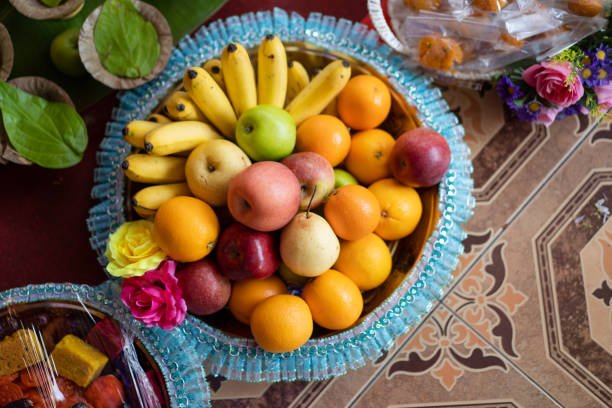
How To Eat In Africa: A Guide to African Dining Etiquette and Cultural Customs
Eating in Africa is a diverse and culturally rich experience that extends far beyond just the food itself; it's an immersive journey into the continent's social fabric, traditions, and hospitality. To truly appreciate and respect the local customs, understanding the nuances of African dining etiquette is crucial, ranging from how to use your hands to the communal aspects of meal sharing that are central to many communities.
Africa is a continent of immense diversity, boasting 54 countries, each with its own unique culinary traditions, ingredients, and eating customs. While there's no single "African way" to eat, several overarching principles and practices are common across various regions. This guide will help you navigate the rich tapestry of traditional African food, ensuring a respectful and enjoyable experience whether you're dining in a bustling marketplace, a family home, or a local restaurant.
Embracing the Hand-Eating Tradition
Perhaps the most iconic aspect of eating in Africa for many visitors is the prevalent tradition of eating with your hands. This practice is not just about convenience; it's deeply ingrained in the culture, fostering a sense of connection with the food and fellow diners. If you are invited to eat in a local home or a casual eatery, chances are you will be expected to eat with your hands, particularly with starchy staples and stews.
- The Right Hand Rule: This is arguably the most important rule to remember. In many African cultures, the left hand is traditionally associated with personal hygiene and is therefore considered unclean for eating. Always use your right hand for eating, passing food, or shaking hands. If you are left-handed, you may be excused, but it is always polite to observe what others are doing and adapt if possible.
- Washing Hands is Paramount: Before any meal, especially when eating with hands, expect a ritual of hand washing. Often, a host or server will bring a basin of water, soap, and a towel, or direct you to a communal handwashing station. Ensure your hands are thoroughly clean before you begin.
- Forming a Scoop: When eating staples like ugali, fufu, sadza, or pap, the technique involves using your right hand to form a small, bite-sized ball of the starch. This ball is then used to scoop up accompanying stews, sauces, or vegetables. Practice makes perfect, but don't be afraid to try!
- Avoid Double Dipping: When eating from a communal dish, which is a common practice, try to take food from the portion directly in front of you. Avoid reaching across the dish or picking food from areas others are eating from.
Communal Dining and Hospitality
Meals in Africa are often a communal affair, symbolizing unity, hospitality, and shared experience. Sharing food from a large platter or bowl is a powerful gesture of togetherness. This practice reinforces social bonds and is a cornerstone of African food culture.
- Shared Platters: Many meals are served on a large platter or in a communal pot, from which everyone eats. This is particularly true for dishes like Ethiopian injera with various stews or West African meals with a large mound of fufu and a shared stew.
- Accepting Hospitality: If offered food or drink, it is generally polite to accept, even if you only take a small portion. Refusing outright can sometimes be seen as disrespectful. A simple "thank you" and a small taste are often sufficient.
- Waiting for Elders: In many cultures, elders are given priority. Do not start eating until the most senior person at the table has begun or has given an indication for others to start.
- Conversation and Fellowship: Meal times are often lively, filled with conversation, laughter, and storytelling. It's a time for connection, so engage politely with your fellow diners.
Regional Variations in Eating Practices
While the general principles of hospitality and communal eating are widespread, specific practices can vary significantly from one region to another.
North Africa (e.g., Morocco, Egypt, Tunisia)
In North Africa, a blend of hand-eating and utensil use is common, often influenced by strong Arab and Mediterranean traditions.
Dishes like couscous, tagine, and various stews are often shared from a central pot. While bread (like khobz) is frequently used to scoop food, utensils are also widely available and accepted in many settings, especially in more formal restaurants. Mint tea is a staple, often served with elaborate pouring rituals.
West Africa (e.g., Nigeria, Ghana, Senegal)
West Africa is a prime example of strong hand-eating traditions. Staples like fufu, banku, garri, and eba are routinely eaten with the right hand, used to scoop up flavorful soups and stews. Dishes like Jollof Rice or Thieboudienne (Senegal's national dish) are often served on large communal platters. It's customary for guests to be offered the best pieces of meat or fish.
East Africa (e.g., Kenya, Tanzania, Ethiopia)
East Africa shares many hand-eating customs. Ugali (a stiff porridge made from maize flour) is the staple across much of the region, eaten with the right hand to scoop up stews, greens, or grilled meats (nyama choma). In Ethiopia and Eritrea, dining centers around injera, a large, spongy sourdough flatbread. Small pieces of injera are torn off and used to scoop up various stews (wot) and salads from a communal platter, making for a truly unique and engaging dining experience.
Southern Africa (e.g., South Africa, Zimbabwe, Zambia)
In Southern Africa, staples like pap (South Africa) or sadza (Zimbabwe), which are similar to ugali, are typically eaten with the right hand alongside rich stews. However, due to historical influences, utensils are also very common, especially in urban areas and formal dining. The culture of braai (barbecue) is very strong, emphasizing outdoor, communal meat grilling, where finger foods are often consumed directly.
Food Safety and Hygiene in Africa
While embracing local customs, prioritizing food safety in Africa is paramount for a healthy trip. Observing basic hygiene practices can prevent common travel ailments.
- "Cook It, Peel It, Boil It, or Forget It": This adage is a good rule of thumb. Ensure food is thoroughly cooked and served hot. Peel fruits yourself if possible, and avoid raw or undercooked meats and seafood.
- Bottled Water is Best: Unless you are absolutely certain of the water source (e.g., reputable hotel filtered water), stick to bottled or purified water for drinking, brushing teeth, and even rinsing your mouth. Check that the seal on bottled water is intact.
- Be Cautious with Street Food: Street food can be delicious and an authentic cultural experience, but choose vendors carefully. Look for stalls with high customer turnover, where food is cooked fresh in front of you, and where the serving area appears clean. Avoid food that has been sitting out for a long time.
- Hand Sanitizer: Always carry hand sanitizer and use it frequently, especially before meals and after handling money or public surfaces.
- Dietary Restrictions and Allergies: If you have severe allergies or dietary restrictions (e.g., gluten-free, vegetarian), it's advisable to learn how to communicate these in the local language or carry a translation card. While efforts will be made to accommodate, options might be limited in remote areas.
Key Phrases and Cultural Nuances
Showing effort to engage with the local language and customs will always be appreciated. Learning a few basic phrases like "thank you," "please," and "hello" in the local language can significantly enhance your interactions.
- Offering Food: It is customary to offer food to others around you before you start eating, particularly if you are in a shared space. A simple gesture or verbal offer is sufficient.
- Finishing Your Plate: In some cultures, finishing your plate entirely signifies that you enjoyed the meal, while in others, leaving a small amount might indicate you are satisfied and not still hungry. Observe locals or ask if unsure. Generally, not wasting food is a universal sign of respect.
- Respecting Religious Observances: Be mindful of religious dietary laws. For example, in predominantly Muslim areas, pork and alcohol are avoided. During Ramadan, eating, drinking, or smoking in public during fasting hours might be considered disrespectful.
The Culinary Journey: More Than Just Food
Traditional African cuisine is incredibly diverse, offering a sensory feast from the spicy stews of West Africa to the aromatic tagines of the North, and the grilled meats of the East and South. Each meal is an opportunity to explore unique flavors, spices, and cooking methods that reflect the continent's history and geography.
Table of Common African Staples and Eating Methods
| Staple Food | Region(s) | Eating Method | Description |
|---|---|---|---|
| Ugali / Sadza / Pap | East, Southern Africa | Right Hand (scooping) | Stiff porridge from maize flour, served with stews/greens. |
| Fufu / Banku / Eba | West Africa | Right Hand (forming balls, scooping) | Dough-like starch from cassava, plantain, yam; served with soups/stews. |
| Injera | Ethiopia, Eritrea | Right Hand (tearing, scooping) | Spongy sourdough flatbread; used to scoop wot (stews). |
| Couscous | North Africa | Spoon/Fork or Right Hand | Granular pasta, often steamed with vegetables and meat. |
| Rice Dishes (e.g., Jollof) | Pan-African, especially West Africa | Spoon/Fork or Right Hand | Flavorful rice cooked with tomatoes, spices, vegetables, and meat/fish. |
| Nyama Choma | East Africa | Right Hand/Knife & Fork | Grilled meat (goat, beef); often served with ugali and kachumbari (salsa). |
Exploring these different foods is part of the adventure. Don't be afraid to try new things and ask questions about the ingredients and preparation.
Conclusion: Embrace and Respect the Experience
Navigating how to eat in Africa is an enriching experience that deepens your understanding and appreciation of its vibrant cultures. By observing locals, practicing good hygiene, and embracing the principles of communal dining and hospitality, you'll not only enjoy incredible food but also foster meaningful connections. Remember that flexibility, patience, and a genuine desire to learn are your best companions on this culinary adventure. The diverse African food etiquette and traditions are a testament to the continent's warmth and generosity, inviting you to partake in an unforgettable journey for your palate and your spirit.
Enjoyed this read?
Share it with your friends and colleagues.