Is There Elephants In Africa

BSC Insights Admin
October 01, 2026
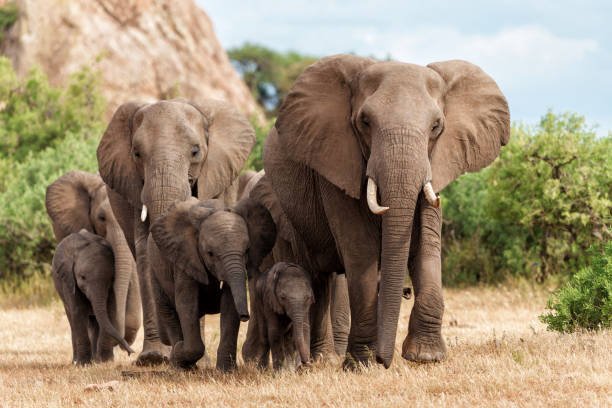
Yes, absolutely! Africa is home to two distinct species of elephants: the African Savanna Elephant (Loxodonta africana) and the African Forest Elephant (Loxodonta cyclotis). These magnificent creatures are iconic symbols of the continent's rich biodiversity, inhabiting a wide range of ecosystems from vast grasslands to dense tropical forests. Their presence is not only undeniable but also crucial for the health and balance of many African environments, though they face significant challenges that necessitate ongoing conservation efforts.
The Definitive Answer: Yes, Elephants Thrive in Africa
To definitively answer the question, yes, elephants are an integral part of Africa's natural heritage. They roam across dozens of countries, from the southern tip to the Sahel region, embodying the raw power and beauty of the wild. These intelligent and highly social animals are a major draw for tourism and play an indispensable role in maintaining the ecological balance of their habitats. Understanding their presence involves recognizing the distinct characteristics and distribution of the two recognized African species.
Exploring Africa's Elephant Species
While often broadly referred to as 'African elephants,' scientific classification recognizes two separate species, each with unique features and preferred habitats. Both are considerably larger than their Asian counterparts, making them the largest land animals on Earth.
The African Savanna Elephant (Loxodonta africana)
The African savanna elephant, also known as the bush elephant, is the larger of the two African species and indeed the largest terrestrial animal. They are characterized by their enormous size, large ears shaped somewhat like the continent of Africa, and thick, wrinkled grey skin. Both males and females typically possess tusks, which are elongated incisors used for digging, lifting objects, defense, and marking. They live in hierarchical, matriarchal herds, often comprising related females and their calves. Adult males, or bulls, tend to be more solitary or form loose bachelor groups.
- Habitat: Predominantly open grasslands, savannas, and semi-arid areas.
- Size: Males can stand over 13 feet (4 meters) tall and weigh up to 15,000 pounds (6,800 kg).
- Diet: Herbivores, primarily grazing on grasses, leaves, bark, and fruit.
- Distribution: Widespread across East, Southern, and parts of West Africa, including countries like Kenya, Tanzania, Botswana, Zimbabwe, and South Africa.
The African Forest Elephant (Loxodonta cyclotis)
The African forest elephant, though sharing a continent, is genetically distinct and physically adapted to a different environment. They are smaller and darker than savanna elephants, with more oval-shaped ears and straighter, downward-pointing tusks that allow them to navigate dense undergrowth more easily. Their more stocky build and darker skin provide camouflage in the dimly lit forest environments.
- Habitat: Dense tropical rainforests of Central and West Africa.
- Size: Smaller, with males typically standing around 8-9 feet (2.4-2.7 meters) tall and weighing up to 6,000 pounds (2,700 kg).
- Diet: Frugivorous, relying heavily on forest fruits, leaves, and bark.
- Distribution: Primarily found in the Congo Basin and West African forests, with significant populations in Gabon, Republic of Congo, Cameroon, and Central African Republic.
It is important to note that for many years, both species were considered subspecies of a single African elephant. However, extensive genetic research published in the early 21st century confirmed their status as distinct species, a critical development for targeted conservation strategies.
Are There Asian Elephants in Africa?
No, there are no Asian elephants naturally found in Africa. The Asian elephant (Elephas maximus) is a distinct species native to the Indian subcontinent and Southeast Asia. While they are also large and majestic, they differ significantly in physical characteristics, such as smaller ears, a more domed head, and different trunk morphology, from their African cousins. Their habitats are entirely separate, reinforcing the geographical uniqueness of Africa's elephant populations.
Where Do African Elephants Live? Habitats and Distribution
The phrase elephant habitat Africa encompasses an incredibly diverse range of landscapes, showcasing the adaptability of these animals. Their distribution reflects their species-specific preferences but also highlights their ability to thrive in challenging environments when given space and protection.
Vast Savannas and Grasslands
The iconic image of African elephants roaming open plains is largely due to the savanna elephant's preference for these expansive ecosystems. Countries like Tanzania (Serengeti, Tarangire), Kenya (Maasai Mara, Amboseli), Botswana (Chobe), and South Africa (Kruger) are renowned for their significant savanna elephant populations. These areas provide abundant grazing opportunities and access to vital water sources, especially during the dry season. Their nomadic behavior often sees them migrating vast distances in search of food and water, playing a key role in shaping the landscape through their feeding habits and movement.
Dense Tropical Forests
In stark contrast, the forest elephants make their home in the lush, humid ecosystems of Central and West Africa. The Congo Basin, spanning countries like Gabon, the Republic of Congo, Cameroon, and the Central African Republic, holds the largest remaining populations of these elusive giants. Their forested environments are difficult to penetrate, offering a degree of natural protection but also making them challenging to study and monitor effectively. Their diet, heavily reliant on fruits, makes them crucial seed dispersers within these forests, helping to regenerate and maintain biodiversity.
Mountains and Deserts: Unexpected Adaptations
While less common, elephants can also be found in more extreme environments. For instance, Mali is famously home to a population of desert elephants, a unique group of savanna elephants that have adapted to semi-arid conditions, undertaking one of the longest elephant migrations in the world in search of water and food. Similarly, some elephant populations are found at higher altitudes in mountainous regions, demonstrating the incredible resilience and adaptability of African elephants to various climates and terrains.
The Critical Role of Elephants in African Ecosystems
African elephants are not just residents of their ecosystems; they are active architects. Their immense size and constant foraging have a profound impact on their environment, making them what scientists call 'ecosystem engineers' and 'keystone species'.
Ecosystem Engineers
Elephants constantly modify their environment through their daily activities:
- Seed Dispersal: By consuming fruits and dispersing seeds through their dung, elephants play a vital role in forest regeneration and the spread of plant species over vast areas. This is particularly crucial for forest elephants.
- Creating Water Holes: During dry seasons, elephants dig for water with their feet and trunks, creating crucial water sources not only for themselves but also for other wildlife.
- Forest Clearing: By pushing over trees and breaking branches, especially in savanna-forest ecotones, they create pathways and clearings. This can prevent forests from becoming too dense, promoting grassland health and allowing smaller animals to access resources.
- Path Creation: Their well-trodden paths serve as natural firebreaks and contribute to soil aeration.
Keystone Species
As keystone species, elephants have a disproportionately large effect on their natural environment relative to their abundance. Their removal from an ecosystem can trigger a cascade of negative effects on other species and the overall health of the environment. For example, the decline in forest elephants has been linked to changes in forest structure and reduced carbon storage capacity in the Congo Basin.
Conservation Challenges for African Elephants
Despite their ecological importance and majestic presence, elephant population Africa faces severe threats, leading to significant declines in numbers over the past century. Addressing these challenges is paramount for the long-term survival of these magnificent animals.
Poaching and Illegal Wildlife Trade
Historically, and still today, poaching elephants for their ivory tusks remains one of the most pressing threats. The demand for ivory, particularly in Asian markets, drives a lucrative illegal wildlife trade, leading to the brutal killing of tens of thousands of elephants annually. Despite international bans and increased law enforcement, sophisticated poaching syndicates continue to decimate populations.
Habitat Loss and Fragmentation
As human populations expand, wild spaces shrink. Habitat loss elephants face is primarily due to agricultural expansion, infrastructure development (roads, railways, settlements), and logging. This not only reduces the overall area available for elephants but also fragments their remaining habitats, isolating populations and hindering their ability to migrate and find sufficient resources. This fragmentation also increases human-elephant interactions.
Human-Elephant Conflict
When elephants' traditional migratory routes and foraging areas overlap with human settlements or farmlands, conflicts inevitably arise. Elephants can cause significant damage to crops, posing an economic threat to farmers. This often leads to retaliatory killings by communities desperate to protect their livelihoods, exacerbating the challenges for elephant conservation Africa. Solutions require a multi-faceted approach, including community education, early warning systems, and protective barriers.
Climate Change
The impacts of climate change, such as increased frequency and intensity of droughts, altered rainfall patterns, and extreme weather events, directly affect elephant habitats. Water scarcity and reduced availability of vegetation can lead to starvation and increased competition for resources, further stressing vulnerable populations. This adds another layer of complexity to challenges for African elephants.
Global and Local Conservation Efforts
A concerted global and local effort is underway to protect Africa's elephants and their habitats. These initiatives are crucial for securing a future for these giants.
International Regulations and Treaties
The Convention on International Trade in Endangered Species of Wild Fauna and Flora (CITES) plays a significant role in regulating the international trade of ivory and elephant products. While the effectiveness of bans is debated, CITES provides a framework for international cooperation in wildlife protection.
Anti-Poaching Initiatives
On the ground, brave rangers and conservationists are on the front lines, combating poaching through increased patrols, intelligence gathering, and the use of technology such as drones and GPS tracking. Community involvement is also key, as local communities are often the first line of defense and can provide crucial information.
Habitat Protection and Corridor Creation
Establishing and expanding national parks, wildlife reserves, and protected areas is fundamental to safeguarding elephant habitats. Furthermore, creating wildlife corridors allows elephants to safely move between fragmented habitats, promoting genetic diversity and access to vital resources. Transboundary conservation areas, linking protected areas across national borders, also play an important role.
Community-Based Conservation
Engaging local communities living alongside elephants is vital. Initiatives that provide economic benefits through ecotourism, offer compensation for crop damage, or empower communities to manage their natural resources foster a sense of ownership and reduce human-elephant conflict.
Research and Monitoring
Scientific research helps to understand elephant behavior, population dynamics, and the impacts of various threats. Technologies like satellite collars allow researchers to track elephant movements, providing valuable data for designing effective conservation strategies and identifying critical habitats and migratory routes. Understanding elephant facts Africa provides the basis for informed conservation.
Fascinating Facts About African Elephants
Beyond their conservation status, African elephants are truly remarkable creatures with complex social structures and astonishing intelligence.
- Social Intelligence: Elephants are highly intelligent and emotional animals, known for their strong family bonds, altruistic behavior, and even mourning rituals for their dead.
- Communication: They communicate using a wide range of vocalizations, including infrasound (sounds below the range of human hearing), which can travel for miles, allowing herds to stay in touch across vast distances.
- Longevity: African elephants can live for 60-70 years in the wild, similar to humans, learning and passing on knowledge through generations.
- Memory: Their legendary memory is not just a myth; elephants remember water sources, migration routes, and even other elephants and humans for decades.
- Trunks and Tusks: The trunk is an incredibly versatile organ, used for breathing, smelling, touching, grasping, and drinking. Their tusks, present in both male and female African elephants, are actually elongated incisor teeth that grow continuously throughout their lives.
The Future of Elephants in Africa
The future of elephants in Africa remains a subject of great concern but also cautious optimism. While threats like poaching, habitat loss, and human-elephant conflict persist, dedicated conservation efforts, technological advancements, and increasing global awareness offer a glimmer of hope. The classification of both savanna and forest elephants as 'Endangered' and 'Critically Endangered' respectively by the IUCN highlights the urgency of the situation. Sustained commitment from governments, conservation organizations, and local communities is essential to ensure that these magnificent African elephants continue to roam the continent's diverse landscapes for generations to come.
In conclusion, not only are there elephants in Africa, but they are a vital, irreplaceable component of its natural heritage. From the towering savanna elephants traversing vast plains to the elusive forest elephants navigating dense jungles, their presence enriches biodiversity and shapes ecosystems. Protecting these intelligent, social giants demands a continued, collaborative effort to combat threats and secure their habitats. The existence of these elephant species Africa offers is a testament to the continent's wild beauty, a legacy worth safeguarding.
Enjoyed this read?
Share it with your friends and colleagues.