Extinct Fish Found In Africa

BSC Insights Admin
October 08, 2026
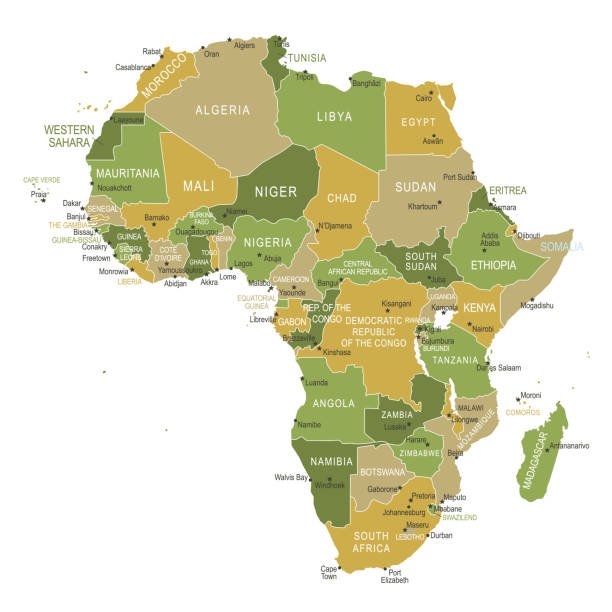
The astonishing discovery of a fish long believed to be extinct found in Africa has captivated scientists and conservationists alike, igniting renewed interest in the mysteries of the deep ocean. This remarkable creature, the coelacanth, a truly ancient lineage of deep-sea fish, was thought to have vanished from Earth’s oceans over 66 million years ago, a contemporary of the dinosaurs. Its re-emergence, particularly the sightings in African waters, offers an unparalleled opportunity to study a living fossil and delve deeper into the planet’s marine biodiversity. This unexpected find underscores the vast, unexplored wonders that still lie hidden beneath the waves, challenging our understanding of evolution and species survival.
The Astonishing Coelacanth: A Living Fossil
The coelacanth, often heralded as a living fossil, is one of the most incredible examples of evolutionary stasis known to science. Belonging to the genus Latimeria, these fish possess a unique set of primitive features that closely resemble their fossilized ancestors from the Devonian period, roughly 400 million years ago. This makes them a critical link in understanding the transition of life from water to land, placing them as a key subject in evolutionary biology and marine biology. The very name "living fossil" perfectly encapsulates the coelacanth's enduring presence in an ever-changing world, providing a tangible connection to ancient aquatic ecosystems.
A Glimpse into Prehistory
For centuries, the coelacanth was known only through its fossil record. Paleontologists studied the distinctive lobed fins and unique skull structure of ancient coelacanths, theorizing about their role in the diversification of vertebrates. These ancient fish were widespread in prehistoric oceans, but their fossil trail abruptly ended in the late Cretaceous period, leading scientists to conclude they had gone extinct along with the dinosaurs. The possibility that a species could survive unchanged for millions of years, escaping extinction events that wiped out so many others, seemed almost mythical until its sensational reappearance.
The First "Rediscovery" in 1938
The modern story of the coelacanth began dramatically on December 23, 1938, when Marjorie Courtenay-Latimer, a curator at the East London Museum in South Africa, identified an unusual fish among a trawler's catch. This peculiar, steel-blue fish, measuring about five feet long, possessed the characteristic lobed fins and distinctive scales previously seen only in fossils. Dr. J.L.B. Smith, a renowned ichthyologist, later confirmed it as a coelacanth, naming it Latimeria chalumnae in honor of its discoverer and the Chalumna River near where it was caught. This single event shattered conventional scientific wisdom and revealed that an extinct fish found in Africa was, in fact, alive. The initial discovery caused a global sensation, often referred to as the greatest zoological find of the 20th century, profoundly impacting our understanding of species survival and deep-sea life.
The Recent African Discovery: Unraveling the Mystery
While the 1938 discovery confirmed the coelacanth's survival, it was the more recent sightings and studies that firmly established the ongoing presence of this extinct fish found in Africa across various parts of the continent's vast coastline. These subsequent discoveries have painted a clearer picture of their distribution, behavior, and the threats they face, propelling African marine conservation efforts into the spotlight. The term "recent" here refers to discoveries and deeper scientific understanding post-1938, particularly those confirming multiple populations and focusing on their conservation status.
Where Was It Found? Details of the African Sighting
Following the initial South African find, a second population of Latimeria chalumnae was discovered near the Comoro Islands in 1952. Over the decades, other isolated populations have been identified, particularly off the coasts of Mozambique, Tanzania, and Madagascar. Most notably, recent reports and photographic evidence have emerged from deep-water fisheries operating off the coasts of Madagascar, where coelacanths have been inadvertently caught by specialized shark gillnetters. These instances have highlighted both the continuing existence of these elusive creatures and the potential peril they face from human activity in their deep-water habitats. The consistent presence of these rare fish species across different African marine ecosystems reinforces the continent's critical role in the species' survival.
The Significance of the African Locality
The distribution of the West Indian Ocean coelacanth (Latimeria chalumnae) predominantly along the eastern coast of Africa and its associated islands makes Africa the epicenter of coelacanth research and conservation initiatives. These deep-sea environments, characterized by volcanic caves and cold-water upwellings, provide the specific conditions these ancient fish require. The sustained presence of this extinct fish found in Africa means that understanding the unique geological and oceanographic features of these African marine ecosystems is paramount. It also places a significant responsibility on African nations to lead the efforts in protecting these vulnerable populations and their unique habitats, contributing immensely to global biodiversity conservation.
The Biology and Evolutionary Importance of the Coelacanth
The coelacanth's unique biology is what makes it such a compelling subject for scientific study. Its anatomy and physiology offer an unparalleled window into ancient vertebrate evolution, particularly concerning the transition from fin to limb. Studying these living fossils provides direct evidence for evolutionary pathways that were previously only hypothesized from the fossil record.
Unique Anatomical Features
- Lobed Fins: Unlike ray-finned fish, coelacanths have fleshy, lobe-like fins supported by internal bones, homologous to the limbs of land vertebrates. This structure allows for a unique "walking" motion along the seabed.
- Notochord: Instead of a backbone composed of vertebrae, adult coelacanths retain a hollow, fluid-filled notochord, a primitive characteristic common in early chordates and embryonic vertebrates.
- Electrosensory Organ: They possess a rostral organ in their snout, an electrosensory system used to detect weak electric fields, helping them locate prey in the pitch-black deepwater habitats.
- Oil-filled Swim Bladder: Their swim bladder is filled with oil instead of gas, likely aiding in buoyancy control at great depths without the need for frequent gas exchange.
- Unique Scales: Coelacanths have large, cosmoid scales, which are thick, bony, and covered with a layer of dentin-like material, providing robust protection.
These features underscore why the coelacanth is considered an evolutionary surprise and a key organism for understanding the tree of life.
Evolutionary Links to Land Vertebrates
Perhaps the most significant aspect of the coelacanth is its evolutionary position. It belongs to the Sarcopterygii, or lobe-finned fish, a group that includes lungfish and the ancestors of all tetrapods (four-limbed vertebrates). Its robust, muscular, and bone-supported fins are remarkably similar to the early limb structures of terrestrial animals, making it an invaluable model for studying the aquatic-to-terrestrial transition. Scientists analyze its genome and morphology to uncover the genetic and developmental changes that paved the way for vertebrates to conquer land, making the coelacanth a central figure in discussions about the origins of humankind's distant ancestors.
Deep-Sea Adaptations and Habitat
Coelacanths are uniquely adapted to their deep-sea environment, typically found at depths ranging from 100 to 500 meters. They inhabit volcanic caves, rocky crevices, and overhangs along continental slopes, preferring areas with strong currents and ample prey. Their slow metabolism, long lifespan (estimated up to 100 years), and slow reproductive rate are characteristic adaptations to the stable, resource-limited conditions of the deep-sea ecosystem. Understanding these adaptations is crucial not only for their conservation but also for gaining broader insights into how life thrives in extreme environments, reinforcing the importance of protecting these unique deep-sea habitats.
Conservation Challenges and Efforts in Africa
Despite its "living fossil" status and incredible resilience, the coelacanth faces significant threats, primarily from human activities. Given its critically endangered status, ensuring the survival of this extinct fish found in Africa is a major concern for global conservation.
Threats to Coelacanth Populations
The primary threat to coelacanths comes from incidental capture in deep-water fisheries. While not targeted, their habitat overlaps with the fishing grounds of specialized shark gillnetters and bottom trawlers, particularly off the coast of Madagascar and East Africa. Other potential threats include:
- Bycatch: Unintentional capture by fishing gear designed for other species, leading to mortality.
- Habitat Degradation: While deep-sea environments are generally stable, localized industrial activities, deep-sea mining exploration, or pollution could pose risks.
- Climate Change: Long-term changes in ocean temperatures, currents, and oxygen levels in deep-sea environments could indirectly impact coelacanths and their food sources, altering their delicate ecosystem balance.
The slow reproductive rate of coelacanths makes them particularly vulnerable to population declines, as they cannot quickly recover from losses. This makes every sighting of this rare fish species critical for monitoring and immediate action.
International and Local Conservation Initiatives
A concerted effort involving international scientific bodies, conservation organizations, and local governments is underway to protect the coelacanth. These initiatives often include:
- Research and Monitoring: Utilizing advanced technologies like submersibles and remote operated vehicles (ROVs) to study coelacanth populations in their natural habitats without disturbance.
- Fisheries Management: Working collaboratively with fishing communities to introduce coelacanth-friendly fishing practices or establishing no-take zones in known coelacanth habitats to minimize accidental capture.
- Awareness Programs: Educating local fishermen and the public about the coelacanth's immense scientific importance and its protected status to foster a sense of stewardship.
- Genetic Studies: Analyzing genetic diversity to understand population structures, identify distinct populations, and inform tailored conservation strategies for this unique deep-sea fish.
The Global Environment Facility (GEF) and the Comoros government have played key roles in past coelacanth conservation projects, highlighting the collaborative, multi-faceted approach required for safeguarding such a unique species.
The Role of African Nations in Protecting This Icon
African nations, especially South Africa, Comoros, Tanzania, Mozambique, and Madagascar, bear a unique and critical responsibility in the conservation of the coelacanth. Their territorial waters are home to the known populations of Latimeria chalumnae. Local communities and governments are instrumental in implementing and enforcing conservation measures, protecting their invaluable African marine ecosystems, and contributing to global scientific understanding through local expertise. The continued engagement and leadership of these nations are vital for the long-term survival of this extraordinary Lazarus taxon, ensuring that this extinct fish found in Africa continues its remarkable existence.
Impact on Science and Future Research
The persistence of the coelacanth has had a profound impact on multiple scientific disciplines, reinvigorating debates and opening new avenues of research. The discovery of biodiversity in unexpected places always forces a re-evaluation of established theories, and the coelacanth is a prime example of this scientific catalyst.
New Insights into Evolution
The coelacanth provides unique biological material for genomic studies, allowing scientists to compare its DNA with those of other fish and land vertebrates. This research helps to pinpoint critical genetic mutations and evolutionary pathways that led to the development of limbs, lungs, and other features essential for terrestrial life. It also offers unparalleled insights into evolutionary stasis, exploring why some species undergo rapid change while others, like the coelacanth, remain remarkably unchanged over vast geological timescales. This evolutionary surprise continues to challenge and refine our understanding of how life adapts and persists.
Deep-Sea Exploration and Biodiversity
The coelacanth's deep-sea habitat reminds us how little we know about the ocean's vast depths. Its discovery and subsequent research have spurred increased interest in deep-sea exploration, leading to the identification of countless new species and the understanding of unique deep-sea ecosystems. The very idea that such a large, evolutionarily significant creature could remain hidden for so long highlights the immense biodiversity discovery potential that still lies beneath the waves, particularly in the unexplored trenches and seamounts off the African coast. The coelacanth serves as a potent symbol for the wonders awaiting discovery in the planet's least-explored frontier.
Implications for Marine Protected Areas
Understanding the coelacanth's specific habitat requirements—deep-water caves, specific temperature ranges, and prey availability—is crucial for establishing effective marine protected areas (MPAs). The presence of this endangered species acts as a flagship for conserving broader deep-sea environments, which are often overlooked compared to shallower coral reefs. Protecting coelacanth habitats not only safeguards this ancient fish but also preserves the entire unique deep-sea biodiversity it represents, setting a precedent for holistic marine conservation strategies that benefit a wide array of species and ecosystems.
The extraordinary revelation of an extinct fish found in Africa, the coelacanth, stands as one of the most significant zoological events of the past century. This living fossil not only provides a tangible link to our planet's ancient past and the origins of land vertebrates but also serves as a potent reminder of the vast, undiscovered biodiversity lurking in the depths of our oceans. From its initial shocking reappearance to the ongoing efforts to protect its vulnerable populations across African marine ecosystems, the coelacanth continues to inspire scientific inquiry and underscore the critical importance of conservation. Its survival compels us to explore deeper, protect more diligently, and continuously re-evaluate our understanding of life on Earth, ensuring that this evolutionary surprise continues its incredible journey through time.
Enjoyed this read?
Share it with your friends and colleagues.