Is There Still Famine In Africa

BSC Insights Admin
September 30, 2026
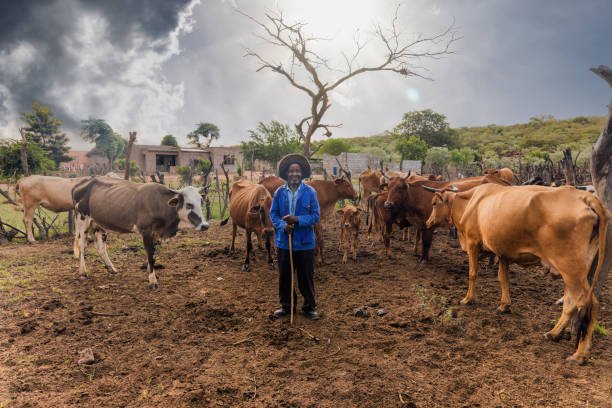
Is There Still Famine In Africa? Understanding the Complex Realities of Hunger
Yes, **famine is still a grim reality in specific regions of Africa**, although it is crucial to understand that it does not affect the entire continent uniformly. While significant progress has been made in parts of Africa, millions continue to face acute food insecurity, with several areas experiencing famine-like conditions or official declarations of famine due to complex, interlinked factors such as conflict, climate change, economic shocks, and poor governance.
The term 'famine' itself carries a severe definition, indicating a catastrophic food crisis where widespread starvation, death, and destitution occur. It's not merely hunger but a severe form of food insecurity characterized by extreme food scarcity and high mortality rates. Understanding the current **African food crisis** requires looking beyond generalizations to the specific humanitarian emergencies unfolding in places like the Horn of Africa, the Sahel, and parts of Central Africa.
Defining Famine: More Than Just Hunger
To accurately answer the question, "Is there still famine in Africa?", it's important to differentiate between general food insecurity and famine. Famine is a technical classification based on specific criteria established by the Integrated Food Security Phase Classification (IPC) system, which is an international standard for assessing food security and nutrition situations.
According to the IPC scale, a situation is classified as famine (IPC Phase 5) when three specific thresholds are met:
- At least 20% of households face an extreme lack of food.
- At least 30% of children suffer from acute malnutrition.
- Two people per 10,000 per day, or four children per 10,000 per day, die due to starvation or the interaction of malnutrition and disease.
While millions across the continent experience **food insecurity in Africa**, meaning they don't have consistent access to enough safe and nutritious food, far fewer are in a state of declared famine. However, many more are on the brink, facing IPC Phase 4 (Emergency), where a significant number of people are experiencing extreme food shortages and high levels of acute malnutrition and excess mortality.
The Current Landscape: Where Hunger Hits Hardest
The **current famine situation in Africa** is highly localized, with several hotspots experiencing critical levels of food scarcity. The most affected regions often grapple with a confluence of crises, making sustained humanitarian efforts incredibly challenging. Major areas of concern include:
The Horn of Africa
Countries such as **Somalia, Ethiopia, and Kenya** have repeatedly faced severe drought conditions, exacerbated by climate change. Years of insufficient rainfall have devastated livestock and crops, leading to massive displacement and acute food shortages. While large-scale famine declarations have been narrowly avoided in some instances due to swift humanitarian intervention, millions remain on the precipice. For example, recent reports indicate millions in this region are facing emergency levels of food insecurity, highlighting the fragility of their food systems.
The Sahel Region
Spanning countries like **Burkina Faso, Mali, Niger, and Chad**, the Sahel is plagued by a toxic mix of escalating conflict, political instability, and unpredictable rainfall patterns. Non-state armed groups disrupt agricultural activities, displace communities, and block humanitarian access, making it incredibly difficult to deliver aid. This region consistently ranks among the most challenging environments for hunger relief efforts.
Parts of Central Africa
The **Democratic Republic of Congo (DRC)**, despite its vast natural resources, continues to experience one of the world's largest humanitarian crises. Protracted conflict, internal displacement, and widespread poverty have left tens of millions of people food insecure. Similar issues affect parts of **South Sudan**, where violence and environmental shocks contribute to persistent food crises.
Key Drivers of Famine and Food Insecurity in Africa
The **causes of famine in Africa** are multifaceted and often reinforce one another, creating a vicious cycle of hunger and despair. Understanding these underlying drivers is crucial for developing effective long-term solutions.
Conflict and Insecurity
By far, conflict is the single biggest driver of food crises globally, and Africa is no exception. **Conflict and food insecurity** are deeply intertwined. Violence disrupts agricultural production, destroys markets, forces people to abandon their homes and farms, and obstructs humanitarian aid. Regions experiencing active conflict, such as Sudan, the DRC, and the Sahelian nations, consistently report the highest levels of acute food insecurity and a heightened risk of famine. The sheer scale of displacement created by conflict places immense strain on resources and host communities.
Climate Change and Extreme Weather Events
Africa is disproportionately affected by **climate change**, despite contributing minimally to global emissions. Recurring droughts, unprecedented floods, and erratic rainfall patterns decimate crops and livestock, especially in regions reliant on rain-fed agriculture. The **climate change Africa hunger** link is undeniable, with extreme weather making it harder for communities to recover and build resilience, pushing them deeper into chronic food shortages.
Economic Shocks and Poverty
Global economic downturns, rising food and fuel prices, and national economic instability significantly impact food access. Many African countries are net food importers, making them vulnerable to international market fluctuations. The lingering effects of the global pandemic, coupled with inflation and currency devaluations, have eroded purchasing power, making even available food unaffordable for millions. This exacerbates existing **poverty in Africa**, trapping communities in a cycle of destitution.
Weak Governance and Inadequate Infrastructure
Poor governance, corruption, and a lack of investment in essential infrastructure (roads, storage facilities, irrigation systems) hinder food production and distribution. Without proper infrastructure, farmers struggle to get their produce to markets, leading to post-harvest losses and higher food prices in urban areas. Political instability can also divert resources away from social services and agricultural development, further weakening food systems.
Disease Outbreaks
Disease outbreaks, such as cholera or malaria, can weaken populations, reduce their ability to work and cultivate food, and divert scarce resources towards healthcare rather than food security initiatives. The interaction between malnutrition and disease creates a deadly feedback loop, particularly for children.
Humanitarian Response and Global Efforts to Combat Famine
International and national organizations are continuously working to address the **African food crisis** and prevent widespread famine. These efforts range from emergency food aid to long-term development programs.
Emergency Food Assistance
Organizations like the World Food Programme (WFP), UNICEF, and various NGOs provide life-saving food assistance, therapeutic feeding for malnourished children, and emergency cash transfers to vulnerable populations. These interventions are critical in preventing outright starvation and stabilizing communities in crisis.
Strengthening Early Warning Systems
Investment in early warning systems, such as the Famine Early Warning Systems Network (FEWS NET), helps predict potential food crises by monitoring climate patterns, crop yields, and conflict indicators. This allows humanitarian organizations to pre-position aid and mount a more timely response.
Logistics and Access
A major challenge in **humanitarian aid Africa** is ensuring safe and timely access to affected populations, especially in conflict zones. Negotiating access with warring parties, securing transport corridors, and protecting aid workers are constant hurdles that can delay critical assistance.
Long-Term Solutions and Building Resilience Against Hunger
While emergency aid is vital, sustainable solutions are paramount to prevent future famines and build resilience in vulnerable communities. Addressing the root causes requires a multi-faceted approach.
Sustainable Agriculture and Food Systems
Investing in **sustainable agriculture Africa** is key. This includes promoting climate-smart agricultural practices, improving access to drought-resistant seeds, enhancing irrigation techniques, and supporting smallholder farmers. Diversifying crops and livestock can also reduce vulnerability to specific environmental shocks.
Climate Adaptation Strategies
Helping communities adapt to the changing climate is crucial. This involves developing robust water management systems, restoring degraded land, and implementing early warning systems for weather-related hazards. Integrating traditional knowledge with scientific approaches can yield effective local solutions.
Peacebuilding and Conflict Resolution
Addressing the underlying causes of conflict through diplomatic efforts, peacebuilding initiatives, and promoting inclusive governance is fundamental. Stable environments allow communities to rebuild, cultivate land, and access markets without fear.
Investing in Education and Healthcare
Improved access to education can empower communities with knowledge and skills for diverse livelihoods, while better healthcare services can reduce disease burden and improve overall nutrition, especially for mothers and children. This strengthens human capital, a vital component of long-term development.
Strengthening Social Safety Nets
Establishing robust social safety nets, such as cash transfer programs or food-for-work initiatives, can provide a buffer for vulnerable households during times of crisis, preventing them from falling into extreme poverty and food insecurity.
Empowering Local Communities
Supporting local organizations and empowering communities to lead their own development initiatives ensures that solutions are culturally appropriate, sustainable, and meet specific local needs. Local ownership is critical for long-term success.
| Indicator | Description | Impact on Famine Risk |
|---|---|---|
| Acute Malnutrition Rates | Percentage of children under five suffering from acute malnutrition (wasting). | High rates are a direct sign of severe food scarcity and a key famine criterion. |
| Food Consumption Score (FCS) | Measures dietary diversity and frequency of food intake over a recall period. | Low scores indicate inadequate food access and poor dietary quality. |
| Livelihood Coping Strategies Index (LCSI) | Measures how households cope with food shortages (e.g., selling assets, reducing meals). | Reliance on irreversible coping strategies indicates severe stress and increased vulnerability. |
| Mortality Rates | Deaths per 10,000 people per day, particularly children. | Elevated rates, especially due to starvation/disease, are a critical famine indicator. |
Conclusion: A Call for Sustained Action
In conclusion, the answer to "Is there still famine in Africa?" is a nuanced yes, with specific regions grappling with catastrophic levels of hunger and a constant threat of famine. While a continent-wide famine is not occurring, localized crises in places like the Horn of Africa, the Sahel, and parts of Central Africa continue to put millions of lives at risk. The complex interplay of conflict, climate change, economic instability, and weak governance forms the bedrock of these humanitarian emergencies. Addressing this persistent challenge requires not only immediate humanitarian intervention but also sustained investment in long-term solutions that build resilience, promote peace, foster sustainable agriculture, and strengthen governance across the continent. The global community has a shared responsibility to support these efforts to ensure a future free from famine for all Africans.
Enjoyed this read?
Share it with your friends and colleagues.