Which Country Has A Female President In Africa

BSC Insights Admin
September 30, 2026
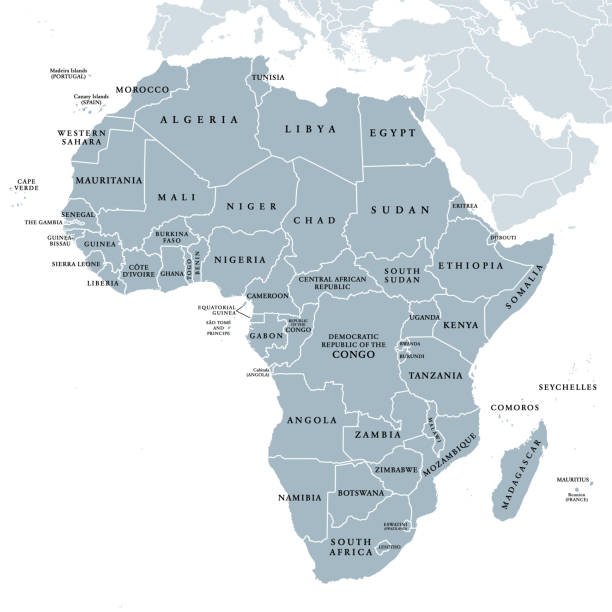
Tanzania is currently the primary nation where a woman serves as the head of state, identifying which country has a female president in Africa through the leadership of Samia Suluhu Hassan. She assumed the high office in March 2021 following the unexpected passing of her predecessor and has since become a pivotal figure in regional diplomacy and economic reform. This significant milestone reflects a growing trend of gender inclusivity within the highest echelons of African political governance and serves as a blueprint for other nations.
The journey toward female representation at the presidential level involves several nations that have broken traditional barriers over the last few decades. Examining these specific countries provides a clear perspective on how women are reshaping the executive landscape across the continent through various paths to power.
These are the Countries that have a Female President in Africa
Identifying the nations that have entrusted their highest office to a woman requires a look at both current leaders and those who have made history in the past. While some held executive powers and others served in ceremonial or transitional roles, each contributed to the shifting narrative of political leadership on the continent. The following list details the countries and the specific women who have broken the glass ceiling to lead their respective nations during critical periods of growth or transition.
1. Tanzania
Tanzania currently stands at the forefront of female leadership in Africa with President Samia Suluhu Hassan serving as the head of state. She made history by becoming the first female president of Tanzania after the death of President John Magufuli in 2021. Before her presidency, she served as the Vice President, where she gained significant experience in administrative governance and regional politics. Her leadership is often characterized by a focus on the 4R philosophy which includes Reconciliation, Resilience, Reforms, and Rebuilding. Under her administration, Tanzania has seen a renewed focus on attracting foreign direct investment and mending diplomatic ties that had previously been strained. She has also been a vocal advocate for women rights and has appointed several women to key positions within her cabinet to ensure gender balance.
2. Ethiopia
Ethiopia made significant global headlines in 2018 when Sahle-Work Zewde was unanimously elected by the parliament as the first female president of the country. Although the role of the president in Ethiopia is largely ceremonial with executive power residing in the Prime Minister, her appointment was a monumental shift for a nation with deep traditional roots. Sahle-Work brought decades of experience as a seasoned diplomat, having served as a representative to the United Nations and as an ambassador to various countries. Her presidency served as a symbol of the country commitment to reform and modernization under the leadership of Abiy Ahmed. During her tenure, she focused heavily on promoting peace and national unity during periods of internal conflict and ethnic tension. Her presence in the highest office encouraged a surge of women entering political life across the Horn of Africa.
3. Liberia
Liberia holds a special place in the history of the continent as it was the first African nation to democratically elect a female head of state, Ellen Johnson Sirleaf. Often referred to as the Iron Lady, Sirleaf served as the President of Liberia from 2006 to 2018, leading the nation through a critical period of reconstruction after a brutal civil war. Her presidency was focused on debt relief, rebuilding the country infrastructure, and restoring the international reputation of Liberia. In 2011, she was awarded the Nobel Peace Prize for her non-violent struggle for the safety of women and for women rights to full participation in peace-building work. Her leadership proved that women could handle the most complex post-conflict environments with grace and firmness. She successfully handed over power in a peaceful transition, further solidifying her legacy as a champion of democracy.
4. Malawi
Malawi entered the list of countries with a female president in 2012 when Joyce Banda assumed office following the sudden death of President Bingu wa Mutharika. Banda was the Vice President at the time and navigated a difficult constitutional crisis to take her place as the leader of the nation. During her presidency, she focused on macro-economic reforms to stabilize the Malawian economy, which was facing a severe fuel and foreign exchange crisis. She was also known for her commitment to maternal health and girl education through her various foundation initiatives. Although her time in office was marked by both praise for her reforms and criticism over a corruption scandal known as Cashgate, her presidency was a landmark event for Southern Africa. She remains an influential figure in global health and female leadership circles today.
5. Mauritius
Mauritius has seen two women hold the office of the president, with Ameenah Gurib-Fakim being the most prominent as the first female elected president in 2015. Gurib-Fakim is a world-renowned scientist and biodiversity expert, bringing an intellectual and environmental focus to the presidency. Her role was primarily ceremonial, but she used her platform to advocate for science, technology, and innovation as drivers of economic development in Africa. Before her, Monique Ohsan Bellepeau served as the Acting President on two separate occasions, demonstrating the country stable constitutional succession plans. Gurib-Fakim tenure highlighted the importance of having leaders with diverse professional backgrounds beyond the traditional political sphere. While she eventually resigned due to a controversy, her election was a sign of the progressive nature of the Mauritian democratic system.
6. Central African Republic
The Central African Republic turned to female leadership during one of its most turbulent periods when Catherine Samba-Panza was appointed as the transitional president in 2014. As the former Mayor of Bangui, she was seen as a neutral figure who could bridge the gap between warring religious and political factions. Her primary mission was to lead the country toward democratic elections and restore basic state functions in a nation torn apart by sectarian violence. She was the first woman to hold the presidency in the country and was praised for her courage in taking on a role that many viewed as impossible. Her leadership emphasized the role of women as peacemakers and mediators in conflict zones. She served until 2016 when she successfully oversaw the transition to an elected government, fulfilling her mandate under extreme pressure.
7. Burundi
Burundi was an early pioneer in female leadership when Sylvie Kinigi served as the Acting President in early 1994. Her rise to power occurred during a period of intense ethnic violence and political assassinations that threatened to destroy the nation. Kinigi, who was already serving as the Prime Minister, took over the presidential duties after the sitting president was killed in a coup attempt. She worked tirelessly to maintain order and gather the remaining members of the government to prevent a total collapse of the state. Her time in office was brief and fraught with danger, yet she remains a heroic figure for her efforts to protect the constitutional order. She later worked for the United Nations, continuing her commitment to development and peace in the Great Lakes region.
8. Gabon
Gabon experienced a brief period of female leadership in 2009 when Rose Francine Rogombé served as the Interim President following the death of Omar Bongo. As the President of the Senate at the time, she was constitutionally mandated to lead the country during the transition period leading up to new elections. Her primary responsibility was to ensure a transparent and peaceful electoral process, a task she completed with professional efficiency. During her few months in office, she maintained national stability and provided a sense of calm to a nation that had been led by a single individual for over four decades. Her leadership proved the effectiveness of the Gabonese constitutional succession laws. She returned to her role in the Senate after the election, having successfully guided the nation through a delicate political moment.
9. Senegal
While Senegal has not yet had a female president, it is essential to mention Mame Madior Boye, who served as the first female Prime Minister and often acted as a key figure in the national leadership. In Senegal, the Prime Minister holds significant executive weight, and her appointment in 2001 was a breakthrough for women in West African politics. She was a respected jurist and brought a focus on justice and institutional transparency to the government. Her leadership paved the way for other women to take on high-ranking ministerial and legislative roles in the country. Senegal remains one of the countries where the conversation about a future female president is most active due to the strong presence of women in its parliament. The legacy of leaders like Boye continues to influence the democratic aspirations of the Senegalese people.
10. Namibia
Namibia is another country that has made significant strides by appointing Saara Kuugongelwa-Amadhila as its first female Prime Minister in 2015. Although she has not yet held the presidency, she is the head of government and manages the daily administration of the state. She has been a fixture in the Namibian cabinet for years, previously serving as the Minister of Finance where she earned a reputation for fiscal discipline. Her role is often seen as a stepping stone to the presidency, and she is frequently mentioned as a potential future candidate for the high office. Namibia consistent ranking as one of the best countries for gender equality in Africa is a direct result of having women in these powerful executive positions. The visibility of her leadership ensures that the path to the presidency remains open for the next generation of Namibian women.
Reasons Why These Countries Have Had Female Presidents in Africa
1. Constitutional Succession and Vice Presidential Appointments: In many cases, which country has a female president in Africa becomes a reality because of clear constitutional rules regarding succession. Tanzania and Malawi are prime examples where women were already serving as Vice Presidents and were required by law to take over when the sitting president died. This highlights the importance of including women in the secondary tiers of power to ensure they are ready for the top job at any moment.
2. Need for Peace and Neutrality During Transitions: Women in Africa are often viewed as more neutral and less prone to factionalism during periods of intense conflict or political crisis. In the Central African Republic and Burundi, female leaders were chosen specifically because they were perceived as motherly figures who could mediate between warring groups. This cultural perception allows women to step into leadership roles as a way to heal the nation and restore order when traditional male-dominated politics has failed.
3. Educational Advancement and Diplomatic Experience: The women who have led African nations almost all share a background of high-level education and extensive international experience. Leaders like Sahle-Work Zewde and Ameenah Gurib-Fakim used their professional expertise in diplomacy and science to prove their capability for the presidency. As more African women gain access to higher education and leadership roles in international organizations, the pool of qualified candidates for the presidency continues to expand.
4. Increasing Pressure from Civil Society and Global Standards: There is a growing movement across the continent for gender parity in all levels of government, driven by both local activists and international development goals. Many African nations have adopted quotas or voluntary party rules that ensure women are represented in parliament and the cabinet. This structural change creates a pipeline of experienced female politicians who can eventually compete for and win the presidency through democratic elections.
5. Recognition of Female Grassroots Political Power: Women have historically been the backbone of political organizing and voting in many African countries, and parties are starting to recognize that they must reward this loyalty with representation. In Liberia, the support of women groups was a critical factor in the election of Ellen Johnson Sirleaf. Politicians now realize that the female vote is a powerful block that can be best mobilized by presenting strong female candidates for the highest offices in the land.
6. Evolution of Traditional and Cultural Norms: While some regions still hold traditional views on leadership, many African societies are evolving to see merit over gender in their leaders. Successful female presidencies have a "seeing is believing" effect that slowly dismantles old prejudices against women in power. Each time a woman leads a nation through a crisis or an economic boom, it becomes easier for the next woman to be viewed as a legitimate and capable leader by the general public.
Conclusion
The ongoing narrative of which country has a female president in Africa is a powerful indicator of the continent progress toward gender equality and political maturity. From the pioneering election of Ellen Johnson Sirleaf in Liberia to the current steady leadership of Samia Suluhu Hassan in Tanzania, women are proving to be essential architects of modern African states. These leaders have demonstrated a unique ability to manage transitions, foster peace, and drive economic reforms under some of the most challenging conditions. As constitutional frameworks and social norms continue to evolve, it is highly likely that more African nations will follow these examples and elect women to their highest offices. Ultimately, the rise of female presidents is not just a victory for women, but a sign of a more inclusive and resilient future for the entire African continent.
Enjoyed this read?
Share it with your friends and colleagues.