Fish Found In Africa

BSC Insights Admin
September 30, 2026
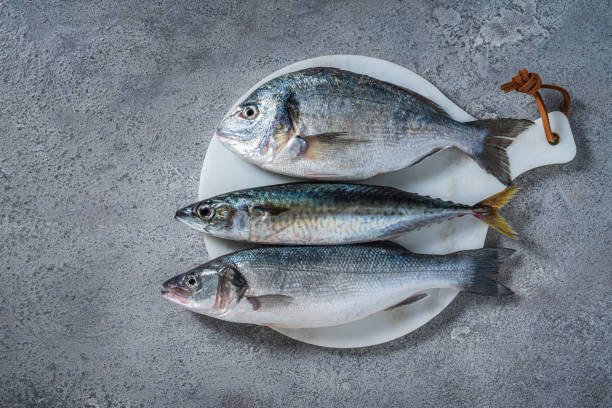
Africa, a continent renowned for its breathtaking terrestrial wildlife, harbors an equally astounding and diverse array of fish species found in Africa across its vast aquatic ecosystems. From the ancient Great Lakes to the mighty rivers and expansive coastlines, these waters are home to thousands of unique and fascinating African fish species, many of which are endemic to Africa. This article delves into the rich biodiversity of African aquatic life, exploring its diverse habitats, iconic species, ecological significance, and the crucial conservation efforts underway to protect these invaluable natural treasures.
The Diverse Aquatic Habitats Sustaining Fish Found in Africa
The sheer geographical scale and varied climates of Africa create a mosaic of aquatic environments, each supporting distinct communities of African fish species. Understanding these habitats is key to appreciating the continent's incredible ichthyological diversity.
Freshwater Ecosystems: Lakes and Rivers
Africa boasts some of the world's most significant freshwater systems, acting as cradles of evolution for countless species.
- The African Great Lakes: Lake Victoria, Lake Tanganyika, and Lake Malawi are not merely large bodies of water; they are biodiversity hotspots, particularly famous for their unparalleled radiation of African cichlids. Lake Malawi alone is estimated to host over 1,000 species of cichlids, making it a living laboratory for evolutionary studies. These lakes are crucial for understanding adaptive speciation and are home to many unique African aquatic life forms.
- Major River Systems:
- The Nile River: The longest river in Africa, the Nile, supports species like the formidable Nile perch, various catfish, and the ancient lungfish. Its vast basin connects diverse regions, allowing for a wide distribution of fish.
- The Congo River Basin: The second-largest river in the world by discharge volume, the Congo River is exceptionally biodiverse, with many endemic species adapted to its deep, fast-flowing waters. Species like the Goliath tigerfish and various electric fish thrive here.
- The Zambezi River: Known for the Victoria Falls, the Zambezi River is home to a rich variety of fish, including numerous cichlid species, tigerfish, and various catfish. Its floodplains provide vital breeding grounds.
- Smaller Rivers, Swamps, and Wetlands: Beyond the major systems, countless smaller rivers, seasonal floodplains, and vast wetlands (like the Okavango Delta) offer critical habitats for a wide range of freshwater fish Africa, including various killifish, characins, and mormyrids, many of which display incredible adaptations to extreme conditions, such as drought or low oxygen.
Marine Ecosystems: Coasts and Seas
Africa's extensive coastline, bordering the Atlantic Ocean, Indian Ocean, and the Red Sea, harbors a vibrant tapestry of marine life.
- Atlantic Ocean Coast: The western coast of Africa, influenced by upwelling currents, is rich in nutrient-rich waters supporting vast schools of pelagic fish like sardines, mackerel, and tuna. Deeper waters also hold unique benthic species.
- Indian Ocean Coast: The eastern coast is characterized by warm tropical waters, extensive coral reefs, and mangrove forests. These habitats are teeming with colorful reef fish, groupers, snapper, sharks, and rays. The Mozambique Channel, for example, is a significant corridor for migratory marine species.
- Red Sea: While shared with Asia, the African Red Sea coast is renowned for its extraordinarily high levels of endemism in its coral reef fish, driven by its semi-enclosed nature and unique geological history.
Iconic African Fish Species and Their Significance
Among the thousands of fish found in Africa, several stand out for their ecological importance, unique adaptations, or cultural significance.
African Cichlids: The Jewels of the Great Lakes
Perhaps the most famous of all African fish species, cichlids (family Cichlidae) represent an unparalleled example of adaptive radiation. The Great Rift Valley lakes (Malawi, Tanganyika, Victoria) are epicenters of cichlid diversity, with thousands of species evolving from a handful of ancestors in relatively short geological timescales. These fish exhibit an incredible array of forms, colors, and behaviors, occupying nearly every ecological niche available, from algae grazers to formidable predators. Their rapid speciation makes them invaluable for evolutionary biologists and highly prized by aquarium enthusiasts globally.
Nile Perch (Lates niloticus): A Giant with a Complex Legacy
The Nile perch is one of the largest freshwater fish, capable of reaching over 200 kilograms. Native to the Nile, Congo, and other river basins, its introduction into Lake Victoria in the mid-20th century created a lucrative fishing industry, providing significant economic benefits. However, it also led to the dramatic decline and extinction of hundreds of endemic cichlid species, profoundly altering the lake's ecosystem. Its story highlights the complex interplay between economic development and ecological conservation when managing African aquatic life.
African Lungfish (Protopterus species): An Ancient Survivor
The African lungfish is a remarkable example of ancient lineage and extreme adaptation. These fish possess both gills and lungs, allowing them to breathe air and survive prolonged periods of drought by burrowing into mud and forming a cocoon. This incredible ability to aestivate makes them true survivors in ephemeral freshwater habitats across Africa, linking them to their prehistoric ancestors and providing crucial insights into vertebrate evolution.
African Tigerfish (Hydrocynus vittatus and others): The Freshwater Predator
Known for their razor-sharp, interlocking teeth and powerful physique, African tigerfish are apex predators in many African rivers and lakes, including the Zambezi and Congo. These aggressive, fast-swimming characins are highly sought after by sport anglers for their ferocious fights and spectacular aerial displays. Their presence indicates healthy aquatic ecosystems.
Coelacanth (Latimeria chalumnae): A Living Fossil
Discovered off the coast of South Africa in 1938, the coelacanth was once thought to be extinct for millions of years. This deep-sea fish, often called a "living fossil," has provided invaluable insights into the evolution of vertebrates from water to land. Its continued existence off the East African coast underscores the unexplored depths and hidden wonders of marine fish Africa.
Electric Fish (Mormyridae and Malapteruridae): Masters of Electrosensation
Africa is home to a fascinating array of electric fish, particularly the mormyrids (elephantfish) and electric catfish. These fish generate weak electric fields for navigation, communication, and detecting prey in murky waters. The electric catfish, in contrast, can produce powerful electric shocks for defense and stunning prey. These unique adaptations highlight the diverse sensory capabilities developed by fish found in Africa.
Ecological and Economic Importance of African Fish
The presence of diverse fish found in Africa is not just a biological marvel; it underpins critical ecological processes and sustains millions of livelihoods.
Table 1: Key Contributions of African Fish Resources
| Contribution Area | Description |
|---|---|
| Food Security & Livelihoods | Fish is a primary source of protein and micronutrients for millions of Africans, especially in riparian and coastal communities. The fishing industry provides direct employment for fishers, processors, and traders. |
| Ecosystem Balance | Fish play vital roles in their ecosystems, from controlling insect populations to nutrient cycling, maintaining the health and productivity of freshwater and marine environments. |
| Economic Development | Fisheries and aquaculture contribute significantly to national GDPs. Export of high-value fish (e.g., Nile perch, ornamental cichlids) generates foreign exchange. |
| Tourism & Recreation | Sport fishing for species like tigerfish and Nile perch, as well as diving and snorkeling to view colorful reef fish, attract tourists and support local economies. |
| Scientific Research | The evolutionary history and unique adaptations of many African fish species offer unparalleled opportunities for scientific study, particularly in genetics, ecology, and evolution. |
Challenges and Conservation Efforts for African Fish
Despite their immense value, fish found in Africa face numerous threats, endangering their populations and the health of their habitats. Protecting this rich biodiversity Africa possesses is a pressing concern.
Major Threats to African Aquatic Life
- Overfishing: Unsustainable fishing practices, including illegal, unreported, and unregulated (IUU) fishing, deplete fish stocks faster than they can replenish, impacting both small-scale and commercial fisheries.
- Habitat Degradation: Pollution from agriculture (pesticides, fertilizers), industrial waste, and untreated sewage contaminates rivers, lakes, and coastal waters. Deforestation leads to increased sedimentation, harming spawning grounds and coral reefs. Dam construction alters natural flow regimes and blocks fish migration routes.
- Invasive Species: The introduction of non-native species, like the Nile perch in Lake Victoria, has had catastrophic impacts on endemic populations, leading to extinctions and ecosystem imbalances.
- Climate Change: Rising water temperatures, altered rainfall patterns, increased frequency of droughts and floods, and ocean acidification directly threaten many African fish species and their habitats.
- Human Population Growth: Growing populations put increasing pressure on aquatic resources for food, water, and space, leading to habitat encroachment and increased exploitation.
Strategies for the Conservation of African Fish
Effective conservation requires a multi-faceted approach involving local communities, national governments, and international organizations.
- Sustainable Fisheries Management: Implementing science-based quotas, regulating fishing gear, establishing marine protected areas (MPAs) and freshwater reserves, and promoting responsible aquaculture practices are crucial for long-term sustainability.
- Pollution Control and Water Quality Improvement: Investing in wastewater treatment, promoting sustainable agriculture, and enforcing environmental regulations can significantly reduce contamination of aquatic environments.
- Habitat Restoration: Reforestation of riparian zones, removal of invasive aquatic plants, and restoring natural flow regimes in dammed rivers can help regenerate critical fish habitats.
- Community Engagement and Education: Empowering local communities with knowledge and tools for sustainable resource management, and involving them in conservation planning, is vital for success. Education about the value of unique African aquatic life fosters a sense of stewardship.
- Research and Monitoring: Continuous scientific research to understand fish populations, ecological dynamics, and the impacts of threats helps inform effective conservation strategies. Genetic studies are particularly important for identifying distinct populations and evolutionary hotpots.
- Transboundary Cooperation: Many major river and lake systems span multiple countries. Collaborative efforts between nations are essential for managing shared fish stocks and addressing transboundary environmental issues.
Conclusion
The world of fish found in Africa is a realm of incredible diversity, ancient lineages, and vibrant ecosystems. From the evolutionary marvels of African cichlids in the Great Lakes to the formidable predators of its mighty rivers and the colorful inhabitants of its coral reefs, African aquatic life represents a priceless biological heritage. These species not only play critical roles in their respective ecosystems but also provide essential food, livelihoods, and economic opportunities for millions of people across the continent. However, the pressing challenges of overfishing, habitat degradation, invasive species, and climate change demand urgent and concerted conservation African fish efforts. By embracing sustainable practices, fostering international cooperation, and empowering local communities, it is possible to safeguard this extraordinary aquatic biodiversity for future generations, ensuring the continued health and vitality of Africa's invaluable waters.
Enjoyed this read?
Share it with your friends and colleagues.