Are Flamingos Found In Africa

BSC Insights Admin
September 30, 2026
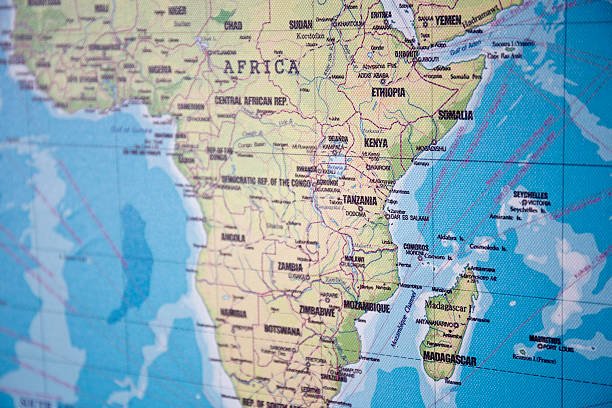
When travelers ask are flamingos found in Africa, the answer is a resounding yes, as the continent serves as the primary home for millions of these vibrant birds across its varied alkaline lakes and coastal lagoons. These elegant creatures are most concentrated in the Great Rift Valley, where they gather in massive colonies that can sometimes number over a million individuals in a single location. Their presence is a critical indicator of the health of these unique wetlands, making them a central focus for both environmental conservation and international wildlife tourism.
To understand where to see these spectacular avian displays, one must look at the specific geographic regions that provide the necessary food and breeding conditions. The following list explores the diverse nations that host these birds and the specific habitats that make their survival possible on the African continent.
These are the Which Countries in Africa Have Flamingos
The distribution of flamingos across the continent is largely dictated by the availability of soda lakes and salt pans, which produce the specialized algae they require for sustenance. Several African countries that are flamingos found in Africa have become world-renowned for their pink-shored lakes, offering some of the most breathtaking wildlife spectacles on earth. Below are the key nations where these birds flourish, along with details about their specific habitats and the species present in each region.
1. Kenya and the Great Rift Valley Lakes
Kenya is perhaps the most famous destination for those seeking to observe flamingos in their natural habitat, particularly along the alkaline lakes of the Rift Valley. Lake Nakuru and Lake Bogoria are iconic locations where millions of Lesser Flamingos gather to feed on the abundant spirulina algae that grows in the warm, shallow waters. These birds create a shimmering pink fringe along the lake shores, a sight that has been described as one of the greatest natural wonders of the world. In addition to the Lesser Flamingos, Greater Flamingos are also frequently seen, though they are fewer in number and tend to feed on small crustaceans in the mud. The Kenyan government has established several national parks and reserves to protect these fragile ecosystems from human encroachment and pollution. This ensures that Kenya remains a top choice when people research which country that are flamingos found in Africa.
2. Tanzania and the Breeding Grounds of Lake Natron
Tanzania holds a unique position in the life cycle of the Lesser Flamingo because it is home to Lake Natron, the primary breeding site for this species in East Africa. This highly caustic lake provides a natural barrier against predators, as the extremely alkaline water is dangerous for most animals to navigate. Flamingos build their mud-mound nests on the salt pans in the center of the lake, where they can raise their chicks in relative safety. The surrounding landscapes of the Serengeti and Ngorongoro Crater also provide secondary feeding grounds during various times of the year. Because Lake Natron is so vital to the survival of the species, there are ongoing international efforts to prevent industrial developments that could threaten the delicate balance of the water. Tanzania is undoubtedly a crucial African country which are flamingos found in Africa for breeding purposes.
3. Namibia and the Walvis Bay Lagoon
On the southwestern coast of the continent, Namibia offers a different type of flamingo experience along its Atlantic shoreline and within its inland salt pans. Walvis Bay is a significant wetland where tens of thousands of both Greater and Lesser Flamingos congregate in the shallow tidal flats. These birds are often seen alongside other marine life, such as seals and pelicans, creating a diverse coastal ecosystem that is easily accessible to visitors. Further inland, the Etosha Pan provides a seasonal breeding and feeding site when the rains fill the vast, arid basin with a thin layer of water. The contrast between the pink birds and the white salt crust of Etosha is a favorite subject for wildlife photographers. Namibia stands out among countries in Africa that are flamingos found in Africa for its unique combination of coastal and desert habitats.
4. South Africa and the Kamfers Dam Colony
South Africa has several key locations where flamingos can be observed, but Kamfers Dam near Kimberley is particularly noteworthy for its conservation success. This location features an artificial S-shaped island that was constructed to provide a safe breeding ground for Lesser Flamingos, which has since become one of the few successful breeding sites for the species in Southern Africa. Beyond Kimberley, the West Coast National Park and various lagoons along the Garden Route also host significant populations of Greater Flamingos. These birds are often seen in the shallow estuaries where they filter-feed on small aquatic organisms. The South African birding community is very active in monitoring these populations and advocating for the protection of their wetland habitats. It is a major country in Africa are flamingos found in Africa for year-round sightings.
5. Botswana and the Makgadikgadi Pans
Botswana is home to one of the largest salt pan complexes in the world, the Makgadikgadi Pans, which becomes a haven for flamingos during the wet season. When the pans fill with water, they attract hundreds of thousands of birds that migrate there to feed and occasionally breed in the isolated interior. Sua Pan is particularly famous for its massive flamingo colonies that arrive shortly after the first rains to take advantage of the sudden explosion of shrimp and algae. This migration is one of the most mysterious and beautiful events in the Southern African wilderness, as the birds arrive in a place that is a dry wasteland for most of the year. The remote nature of these pans means that the flamingos are largely undisturbed by human activity, though climate change remains a concern for the regularity of the rains. Botswana is a vital link for African countries that are flamingos found in Africa in the southern region.
6. Ethiopia and the Rift Valley Lakes
Ethiopia possesses a string of Rift Valley lakes that serve as important stopovers and feeding grounds for flamingos migrating through East Africa. Lake Abijatta and Lake Shala are two of the most significant sites, where the high alkalinity supports a rich supply of the food sources these birds depend on. These lakes are part of the Abijatta-Shalla National Park, which was specifically established to protect the diverse birdlife of the region. However, these lakes have faced challenges in recent years due to water extraction for industrial use, which has led to fluctuating flamingo numbers. Despite these challenges, the sight of thousands of birds against the backdrop of Ethiopia's volcanic landscape remains a powerful experience. Ethiopia continues to be a notable African country which are flamingos found in Africa for those exploring the northern Rift Valley.
7. Mauritania and the Banc d'Arguin
In West Africa, Mauritania hosts one of the most important coastal wetlands in the world at the Banc d'Arguin National Park. This UNESCO World Heritage site consists of sand dunes, coastal swamps, and shallow seagrass beds that provide a rich feeding ground for millions of migratory birds, including Greater Flamingos. The flamingos here are part of a massive ecosystem that links the African continent with the European flyways. The local Imraguen people have lived in harmony with this environment for centuries, using traditional fishing methods that do not disturb the bird populations. The sheer scale of the bird life at Banc d'Arguin is difficult to overstate, with flamingos forming just one part of the immense biological diversity found there. Mauritania is a key country in Africa are flamingos found in Africa for the Atlantic migration route.
8. Senegal and the Djoudj National Bird Sanctuary
Senegal is home to the Djoudj National Bird Sanctuary, which is the third most important bird sanctuary in the world and a major site for Greater Flamingos. Located in the Senegal River delta, this sanctuary provides a vital permanent water source in the otherwise arid Sahel region. Flamingos gather here in large numbers during the northern winter, taking advantage of the sheltered lagoons and rich sediments. The sanctuary is managed with a focus on ecotourism, allowing visitors to view the birds from boats without causing significant disturbance to the colonies. Senegal's commitment to preserving this wetland has made it a model for conservation in West Africa. It remains a primary destination when birdwatchers ask which country that are flamingos found in Africa in the western part of the continent.
9. Egypt and the Wetlands of the North
Egypt serves as a crucial crossroads for flamingos migrating between Africa, Europe, and Asia, with several key wetlands along the Mediterranean coast and the Nile Delta. Lake Qarun in the Faiyum Oasis is a historically important site where Greater Flamingos can be seen during the winter months. The salt marshes and lagoons of the northern coast also provide essential resting and feeding areas for birds moving along the Great Rift Valley flyway. While Egypt does not have the massive year-round colonies found in East Africa, its role as a migratory hub is indispensable for the survival of several populations. The Egyptian government has been working to improve the management of these wetlands to support the increasing numbers of visiting birds. Egypt is an essential African country which are flamingos found in Africa for migratory studies.
10. Djibouti and Lake Abbe
Djibouti is home to the surreal landscape of Lake Abbe, a salt lake on the border with Ethiopia that is famous for its limestone chimneys and large flamingo populations. The steaming hot springs and volcanic features of the lake create a unique environment where flamingos feed in the shallow, mineral-rich waters. This location is one of the most remote and otherworldly places where flamingos can be found, offering a stark contrast between the delicate pink birds and the rugged terrain. Because the lake is so difficult to reach, the flamingos here are rarely disturbed by tourists, allowing them to follow their natural rhythms in peace. The connection between Lake Abbe and the other Rift Valley lakes makes it an important part of the regional network for these birds. Djibouti is a fascinating addition to the list of countries in Africa that are flamingos found in Africa.
11. Tunisia and the Gulf of Gabes
Tunisia is a major wintering ground for Greater Flamingos in North Africa, with the Gulf of Gabes and the Sebkhet Sejoumi providing ideal habitats. These birds arrive in the thousands to escape the cold winters of Southern Europe, taking advantage of Tunisia's mild climate and abundant coastal food sources. The Lake of Tunis, located right next to the capital city, is a surprising place where flamingos can be seen against an urban backdrop, highlighting the birds' ability to adapt to certain human-altered environments. Tunisian conservationists are active in ringing these birds to track their movements across the Mediterranean, providing valuable data for international researchers. The presence of flamingos in Tunisia is a point of national pride and a significant draw for European birdwatchers. Tunisia is a top northern country in Africa are flamingos found in Africa.
12. Morocco and the Khenifiss Lagoon
Morocco offers several important sites for flamingos along its Atlantic and Mediterranean coasts, with the Khenifiss Lagoon being one of the most significant. This lagoon is part of a national park that protects a unique transition zone between the Sahara Desert and the ocean, providing a sanctuary for Greater Flamingos. The birds feed in the tidal flats and salt marshes, which are rich in the small invertebrates they prefer. Morocco's location makes it a vital stepping stone for birds traveling between West Africa and Europe, ensuring a constant flow of different populations throughout the year. The government has made strides in protecting these coastal areas from over-development, recognizing their ecological and touristic value. Morocco is a vital African country which are flamingos found in Africa for the northern Atlantic coast.
13. Uganda and Lake Munyanyange
Uganda may be famous for its gorillas and chimpanzees, but it also hosts seasonal populations of flamingos, particularly at Lake Munyanyange near Queen Elizabeth National Park. This small crater lake becomes a hotspot for Lesser Flamingos when they migrate from the larger lakes in Kenya and Tanzania. The birds are attracted to the high concentration of minerals and algae in the water, often staying for several months before moving on. While Uganda does not have permanent colonies as large as its neighbors, the seasonal influx of birds provides a wonderful addition to the country's already impressive bird list. The proximity of the lake to major safari routes makes it an easy stop for tourists interested in avian life. Uganda is an underrated African country which are flamingos found in Africa.
14. Djibouti and Lake Assal
Lake Assal in Djibouti is the lowest point in Africa and one of the saltiest bodies of water in the world, yet it still attracts flamingos to its shores. The extreme conditions of the lake mean that only a few specialized organisms can survive, but these are exactly what the flamingos need for their diet. The sight of these birds standing in the brilliant white salt deposits against the deep blue water is truly extraordinary. While the numbers here are smaller than at Lake Abbe, the setting is perhaps even more dramatic due to the surrounding volcanic peaks. Djibouti's unique geology makes it a must-visit for those interested in the extreme habitats where flamingos can thrive. It further confirms that Djibouti is an important country in Africa are flamingos found in Africa.
15. Zambia and the Bangweulu Wetlands
Zambia's Bangweulu Wetlands are a massive swamp and floodplain system that occasionally hosts Greater Flamingos, especially during periods of drought in other parts of the region. While not a primary breeding site, the wetlands provide an important refuge and feeding ground for wandering populations. The vastness of Bangweulu means that the birds have plenty of space to find food and avoid predators in the thick vegetation and open water. Zambia's conservation efforts in this region have focused on protecting the Shoebill stork, but the flamingos benefit significantly from the same habitat preservation. The seasonal nature of their presence makes a sighting in Zambia a special treat for local birders. Zambia remains a relevant African country which are flamingos found in Africa in the southern-central interior.
Reasons Why These Countries Host Flamingos in Africa
The concentration of flamingos in specific African nations is not a random occurrence but is driven by a set of unique environmental and geological factors. These reasons explain why the continent, particularly the East Africa region, has become the global heartland for these birds and how their survival is tied to the landscape.
1. Presence of High-Salinity Soda Lakes: The primary reason flamingos are found in such high numbers in countries like Kenya, Tanzania, and Ethiopia is the abundance of alkaline or soda lakes. These lakes are formed by volcanic activity in the Rift Valley, which leaches minerals into the water, creating a highly saline and basic environment. While these conditions are deadly for many animals, they are perfect for the growth of spirulina algae and small crustaceans. These food sources are the foundation of the flamingo's diet and are produced in such massive quantities that they can support millions of birds. Without this unique Soda Lakes geology, the massive flamingo colonies of the continent would simply not exist.
2. Isolation and Protection from Predators: Flamingos are relatively vulnerable birds, and their choice of breeding and feeding sites is often dictated by the need for safety. Highly alkaline lakes like Lake Natron provide a natural defense because the water is too caustic for land-based predators like hyenas or lions to cross. By nesting in the middle of these salt pans, flamingos can raise their young with minimal risk from the ground. This isolation is one of the main reasons why specific African countries that are flamingos found in Africa have remained consistent breeding grounds for centuries. The harshness of the environment is, paradoxically, the bird's greatest protector.
3. Ideal Climate and Warm Temperatures: Flamingos thrive in warm, tropical, and sub-tropical climates where the sun provides the energy needed for algae blooms. The African continent, stretching across the equator, offers the perfect year-round temperatures for these birds to remain active without the need for long-range migration to avoid freezing. Even those that do migrate usually move between different African regions to follow the rains rather than leaving the continent entirely. This stable climate allows for the development of permanent or semi-permanent colonies that can be observed throughout the year. The predictability of the African sun ensures a constant food supply for the filter-feeding birds.
4. Expansive Salt Pans and Floodplains: In Southern Africa, the presence of vast salt pans like those in Botswana and Namibia provides seasonal habitats that are essential for the regional population. These pans are dry for most of the year but transform into shallow inland seas after heavy rains, triggering an explosion of life. Flamingos have evolved to track these rainfall patterns over thousands of miles, arriving precisely when the food supply is at its peak. This ability to utilize temporary wetlands allows the species to maintain a large and diverse population across a wide geographic range. These salt pans are unique features that define the country in Africa are flamingos found in Africa list in the south.
5. Lack of Competition for Specialized Niches: Flamingos have evolved to occupy an ecological niche that very few other birds can exploit. Their specialized beaks act as highly efficient filters, allowing them to extract tiny organisms from water that is too salty or alkaline for most other species. This means they face very little competition for food within their primary habitats, allowing them to gather in such incredible densities. In most other bird populations, such large numbers would lead to a rapid depletion of resources, but the productivity of soda lakes is so high that it can sustain millions. This lack of competition is a key factor in the success of African countries that are flamingos found in Africa.
6. Regional Conservation and Tourism Initiatives: The recognition of flamingos as a major tourist draw has led many African governments to prioritize the protection of their habitats. Tourism provides the economic incentive to prevent the drainage of wetlands or the pollution of lakes by industrial runoff. National parks and international designations like Ramsar sites have created a legal framework that helps to preserve these areas for future generations. The revenue generated from visitors helps fund the monitoring and protection of the birds, creating a positive cycle of conservation. This human factor is becoming increasingly important as the continent continues to develop and urbanize.
Conclusion
Exploring the regions where flamingos thrive provides a fascinating look at the intersection of geology, biology, and conservation across the continent. From the volcanic lakes of the Rift Valley to the coastal lagoons of the Atlantic, are flamingos found in Africa is a question answered by the presence of some of the world's most spectacular avian colonies. Whether it is the massive gatherings in Kenya or the critical breeding grounds in Tanzania, these birds are an essential part of the African wilderness. Protecting their specialized habitats is not only important for the flamingos themselves but also for the overall health of the unique ecosystems they inhabit. As we continue to appreciate these pink-feathered icons, it is clear that their future is inextricably linked to our commitment to preserving the natural beauty of the African countries that are flamingos found in Africa today. The sight of a million flamingos taking flight remains one of the most enduring and beautiful images of the African landscape.
Enjoyed this read?
Share it with your friends and colleagues.