Flowers Found In Africa

BSC Insights Admin
October 01, 2026
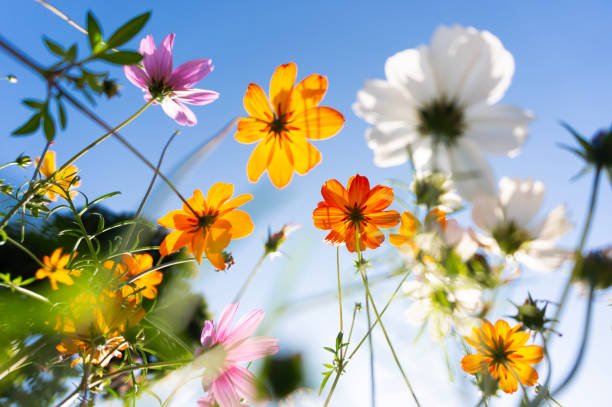
Flowers Found In Africa: A Tapestry of Biodiversity
Africa is home to an astonishing array of diverse and vibrant flowers, ranging from the iconic protea of the Cape Floral Kingdom to the unique desert blooms of the Welwitschia Mirabilis. The continent's varied ecosystems, from arid deserts and vast savannas to lush rainforests, nurture a spectacular collection of flora, many of which are endemic and hold significant ecological, medicinal, and cultural value. Exploring the flowers found in Africa reveals a breathtaking display of nature's artistry and resilience.
The Unparalleled Diversity of African Flora
The sheer variety of flowers found in Africa is a testament to its vast geographical and climatic diversity. This continent, straddling the equator, boasts a mosaic of biomes, each fostering unique plant communities adapted to specific conditions. From the Mediterranean climate of the northern and southern tips to the scorching heat of the Sahara, the humid equatorial rainforests, and the elevated landscapes of the Rift Valley, Africa offers an incredible natural laboratory for floral evolution.
Understanding the flowers found in Africa requires appreciating these diverse habitats. For instance, the southwest tip of Africa, particularly the Cape Floral Kingdom in South Africa, is a biodiversity hotspot of global significance. This relatively small area hosts an astounding number of plant species, many of which are found nowhere else on Earth, making it a critical region for studying unique African flowers.
Iconic Flowers Found In Africa
Among the thousands of species, some flowers found in Africa stand out for their striking beauty, unique adaptations, or cultural significance. These blooms are often symbols of their regions and attract botanists and tourists alike.
Protea: The Emblem of Southern Africa
The Protea genus, particularly abundant in the Cape Floral Kingdom, is perhaps the most famous of all flowers found in Africa. With its large, often majestic blooms, the King Protea (Protea cynaroides) is South Africa's national flower. Proteas are known for their incredible diversity in size, shape, and color, and their hardy nature allows them to thrive in nutrient-poor soils and fynbos shrublands. These ancient flowers are pollinated by birds and insects and represent strength and transformation.
Strelitzia (Bird of Paradise Flower): Tropical Splendor
The Strelitzia, commonly known as the Bird of Paradise flower (Strelitzia reginae), is another instantly recognizable flower native to South Africa. Its vibrant orange and blue petals, emerging from a boat-shaped bract, strongly resemble a crane's head, giving it its exotic name. These striking blooms are a symbol of joy and anticipation and are widely cultivated globally for their ornamental value, showcasing the tropical beauty inherent in flowers found in Africa.
Flame Lily (Gloriosa Superba): A Fiery Climber
The Flame Lily (Gloriosa superba) is a truly spectacular climbing lily found across tropical and sub-tropical Africa. With its distinctive, wavy-edged petals that unfurl in brilliant shades of red, orange, and yellow, it resembles a dancing flame. This flower is Zimbabwe's national emblem and is appreciated for its dramatic beauty and resilience. Its ability to climb and its vivid colors make it a captivating sight in its natural habitat.
Welwitschia Mirabilis: The Desert Survivor
Among the most unique flowers found in Africa is the Welwitschia Mirabilis, an extraordinary plant endemic to the Namib Desert of Namibia and Angola. This plant is a true living fossil, capable of living for over 1,500 years. It typically grows only two long, strap-like leaves throughout its entire lifespan, which become tattered and shredded by wind. Although not a traditional 'flower' in the botanical sense (it's a cone-bearing gymnosperm), its reproductive structures are fascinating and represent an extreme adaptation to one of the world's harshest environments, highlighting the incredible diversity of plant life.
African Daisy (Gerbera): Cheerful and Versatile
The African Daisy, particularly species within the Gerbera genus, brings cheerful splashes of color to many African landscapes and gardens worldwide. Native to Southern Africa, these daisy-like flowers come in a vast array of colors, including red, orange, yellow, pink, and white. Their bright, simple forms and long-lasting blooms make them popular cut flowers and garden staples, reflecting the widespread appeal of flowers found in Africa.
Other Notable African Flowers:
- Impala Lily (Adenium multiflorum): A beautiful succulent shrub with trumpet-shaped pink and white flowers, common in Southern African savannas.
- Desert Rose (Adenium obesum): A popular houseplant with a swollen base and vivid pink to red flowers, native to sub-Saharan Africa.
- Bird's Eye Bush (Tarchonanthus camphoratus): A woody shrub with small, fragrant white flowers, found widely in Southern and Eastern Africa.
- Cape Honeysuckle (Tecoma capensis): A fast-growing shrub or vine with brilliant orange, trumpet-shaped flowers, native to Southern Africa.
Here's a quick overview of some iconic flowers found in Africa:
| Flower Name | Region | Key Characteristics |
|---|---|---|
| Protea | Southern Africa (Cape Floral Kingdom) | Large, striking blooms; diverse species (King Protea, Sugarbush). |
| Strelitzia (Bird of Paradise) | Southern Africa | Exotic, bird-like orange and blue flowers. |
| Flame Lily (Gloriosa Superba) | Sub-Saharan Africa | Vibrant red and yellow, wavy-edged petals; climbing plant. |
| Welwitschia Mirabilis | Namib Desert | Unique desert plant with only two leaves; cone-bearing. |
| African Daisy (Gerbera) | Southern Africa | Bright, cheerful daisy-like flowers in various colors. |
Medicinal and Cultural Significance of African Flowers
Beyond their aesthetic appeal, many flowers found in Africa hold profound medicinal and cultural significance for local communities. Traditional African medicine has long utilized indigenous plants for healing, and flowers often play a crucial role in these practices.
Traditional Medicinal Uses
For centuries, various flowers and their plant parts have been used to treat ailments. For example, some species of Aloe, while known for their succulent leaves, also produce striking flower stalks with medicinal properties. Extracts from certain wildflowers are used in herbal remedies for fevers, pain, and infections. The study of ethnobotany continually uncovers new insights into how these plants have sustained human health and well-being for generations. The understanding of these traditional uses adds another layer to the importance of preserving the diverse flowers found in Africa.
Symbolism in African Cultures
Flowers are often interwoven with African cultural narratives, ceremonies, and symbolism. The Flame Lily, for instance, symbolizes glory and pride in Zimbabwe. The vibrant colors and unique forms of indigenous blooms often inspire art, textiles, and oral traditions. In many cultures, specific flowers are associated with fertility, healing, protection, or mourning, reflecting deep connections between people and the flora of their land. These symbolic meanings enrich the cultural landscape surrounding the flowers found in Africa.
Conservation Challenges and Efforts for African Flora
Despite their beauty and importance, many flowers found in Africa face significant threats, primarily due to human activities and climate change. Protecting these invaluable botanical treasures is a pressing concern for scientists and conservationists worldwide.
Threats to African Flora
The primary threats include habitat loss due to agriculture, urbanization, and deforestation. Over-harvesting for medicinal or ornamental purposes, particularly for rare or slow-growing species, also poses a serious risk. Invasive alien species outcompete native plants, altering ecosystems. Furthermore, climate change is shifting climatic zones, impacting the delicate balance required for many specialized flowers to thrive, leading to concerns about the future of many unique African flowers.
Conservation Initiatives
Various organizations and governments are working tirelessly to conserve Africa's floral diversity. These efforts include establishing protected areas such as national parks and botanical gardens, implementing sustainable harvesting practices, and engaging in community-based conservation projects. Seed banks and botanical research play a vital role in documenting and preserving genetic material of endangered species. Public awareness campaigns also highlight the importance of protecting the unique flowers found in Africa for future generations.
Exploring Africa's Wildflower Hotspots
For those eager to witness the splendor of flowers found in Africa, several regions offer spectacular displays, particularly during specific seasons.
Namaqualand's Spring Spectacle
Perhaps the most famous wildflower hotspot is Namaqualand, a semi-desert region in South Africa and Namibia. Every spring (typically August to September), this arid landscape transforms into a breathtaking carpet of wildflowers, predominantly orange, yellow, and white daisies. This ephemeral bloom is a natural wonder, drawing visitors from across the globe to witness one of the most magnificent floral displays on Earth.
The Richness of the Cape Floral Kingdom
Beyond Namaqualand, the entire Cape Floral Kingdom in South Africa offers unparalleled botanical excursions year-round, with peak flowering from late winter to early summer. Areas like Table Mountain National Park, Kirstenbosch National Botanical Garden, and various nature reserves provide opportunities to see a vast array of fynbos species, including countless Proteas, Ericas, and Restios.
Rainforests of Central and West Africa
For a different floral experience, the rainforests of Central and West Africa, such as those in the Congo Basin, host a different kind of botanical wealth. Here, epiphytic orchids, giant ferns, and understory flowering plants thrive in the humid, shaded conditions. While less outwardly showy than the seasonal blooms of arid regions, these forests are crucial reservoirs of biodiversity, holding many undiscovered or rarely seen flowers found in Africa.
How to Experience Africa's Flowers
Experiencing the flowers found in Africa firsthand is a truly rewarding endeavor, but it requires planning and responsible tourism.
Best Times to Visit
The ideal time to observe African flowers depends heavily on the region:
- Southern Africa (Cape Floral Kingdom, Namaqualand): Late winter to early summer (August to November) for peak wildflower displays.
- East Africa (Highlands): Rainy seasons often bring out more greenery and flowering plants, but specific local conditions vary.
- Tropical Africa: Flowering occurs year-round, but specific species might have peak bloom times after rains.
It is always advisable to check local conditions and specific park information before planning a visit.
Eco-Tourism and Responsible Viewing
When seeking out flowers found in Africa, practice eco-tourism. Stay on marked trails, do not pick flowers, and respect the natural environment. Support local conservation efforts and choose tour operators that prioritize sustainable practices. This approach ensures that these natural wonders can be enjoyed by future generations.
Conclusion
The array of flowers found in Africa represents an extraordinary testament to the continent's diverse ecosystems and rich biological heritage. From the majestic proteas and vibrant bird of paradise flowers to the ancient desert survivors like the Welwitschia Mirabilis, Africa's flora is as varied as its landscapes. These botanical treasures are not only visually stunning but also play vital roles in ecological balance, traditional medicine, and cultural identity. As challenges to their survival grow, recognizing the importance of these unique African flowers and supporting conservation efforts becomes paramount to preserving this invaluable natural legacy for the world.
Enjoyed this read?
Share it with your friends and colleagues.