Is There Forests In Africa

BSC Insights Admin
September 30, 2026
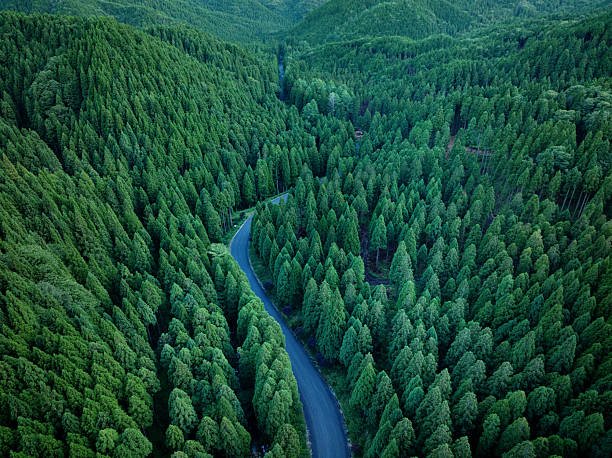
Yes, there are indeed extensive and incredibly diverse forests in Africa, covering a significant portion of the continent's landmass. Far from being just a land of savannas and deserts, Africa is home to a rich tapestry of forest ecosystems, ranging from dense tropical rainforests to unique montane forests, sprawling dry woodlands, and vital coastal mangrove systems. These African forests are crucial for global biodiversity, climate regulation, and the livelihoods of millions of people, playing an indispensable role in the continent's ecological and economic health.
The Rich Tapestry of African Forests
Africa's forests are not a single, homogeneous entity but a collection of distinct biomes, each adapted to specific climatic and geographical conditions. Understanding these various types of forests in Africa is key to appreciating their ecological significance.
Tropical Rainforests: The Lungs of Africa
The most iconic of Africa's forest types are its tropical rainforests. These evergreen forests thrive in areas with high rainfall and consistent temperatures, creating dense, multi-layered canopies that are teeming with life. The jewel in the crown of Africa's rainforests is the Congo Basin Rainforest, the second-largest tropical rainforest in the world after the Amazon. Spanning across countries like the Democratic Republic of Congo, Gabon, Cameroon, Republic of Congo, Central African Republic, and Equatorial Guinea, this vast forest is a global biodiversity hotspot.
- Biodiversity: The Congo Basin is home to an extraordinary array of unique species, including endangered forest elephants, gorillas, chimpanzees, bonobos, and countless species of birds, insects, and plants.
- Climate Regulation: These rainforests act as massive carbon sinks, absorbing vast quantities of carbon dioxide from the atmosphere and playing a critical role in regulating global climate patterns.
- Water Cycle: They contribute significantly to rainfall patterns across the continent through evapotranspiration, influencing regional climates far beyond their immediate boundaries.
Beyond the Congo Basin, significant rainforest patches also exist along the West African coast, in countries like Liberia, Sierra Leone, and Côte d'Ivoire, though many have faced extensive deforestation over the centuries.
Dry Forests and Savanna Woodlands: Africa's Expansive Tree Cover
While rainforests often capture the imagination, dry forests and savanna woodlands cover a much larger area of the African continent. These forests are characterized by a more open canopy, with trees and shrubs interspersed with grasses, and are adapted to distinct wet and dry seasons.
- Miombo Woodlands: Stretching across southern central Africa (from Angola to Tanzania), Miombo woodlands are dominated by trees of the Brachystegia, Julbernardia, and Isoberlinia genera. They are vital for the livelihoods of millions, providing fuelwood, timber, honey, and medicinal plants.
- Mopane Woodlands: Found in hotter, drier parts of southern Africa (e.g., Botswana, Namibia, Zimbabwe), Mopane woodlands are dominated by the distinctive Mopane tree, which provides valuable fodder for wildlife and livestock.
- Acacia-Commiphora Woodlands: Common in East Africa, these thorny woodlands are home to iconic safari wildlife and support pastoralist communities.
These woodlands, often referred to collectively as African savanna ecosystems, are critical for herbivores like elephants, giraffes, and various antelope species, forming the backdrop of many of Africa's famous national parks.
Montane Forests: High-Altitude Havens
Nestled in Africa's mountain ranges are unique montane forests, often referred to as cloud forests. These forests are found at higher elevations (typically above 1,000 meters) and are characterized by cooler temperatures, frequent mist, and high humidity, leading to distinct species compositions.
- Locations: Prominent examples include the forests of the Albertine Rift in East Africa, the Ethiopian Highlands, Mount Cameroon, and the Drakensberg Mountains in Southern Africa.
- Unique Flora: They are often rich in epiphytes (plants that grow on other plants, like orchids and mosses) and contain numerous endemic species found nowhere else on Earth.
- Water Catchments: Montane forests are vital water catchment areas, supplying freshwater to downstream communities and ecosystems.
Mangrove Forests: Coastal Guardians
Along Africa's coastlines and in river deltas, particularly in West and East Africa, are extensive mangrove forests. These salt-tolerant trees thrive in intertidal zones and play a crucial ecological role.
- Coastal Protection: Mangroves act as natural barriers, protecting coastlines from erosion, storm surges, and tsunamis.
- Nursery Grounds: Their intricate root systems provide vital breeding and nursery grounds for fish, crustaceans, and other marine life, supporting coastal fisheries.
- Carbon Sequestration: Mangroves are highly effective at sequestering blue carbon, storing large amounts of carbon in their biomass and the underlying soil.
Countries like Nigeria, Senegal, Mozambique, and Madagascar possess significant mangrove ecosystems that are indispensable to their coastal communities and biodiversity.
Mediterranean Forests, Woodlands, and Scrub: A Unique Biome
In the extreme northern and southern tips of Africa, a distinct biome of Mediterranean forests, woodlands, and scrub can be found. These areas experience hot, dry summers and mild, wet winters.
- North Africa: The Atlas Mountains region in countries like Morocco, Algeria, and Tunisia features forests of cork oak and cedar.
- South Africa: The Cape Floral Kingdom, although often characterized by fynbos (shrubland), also includes patches of unique indigenous forests.
These ecosystems are known for their high levels of endemism and adaptations to fire.
The Ecological and Socio-Economic Significance of African Forests
The existence of forests in Africa goes far beyond mere land cover; they are indispensable pillars of ecological stability, economic prosperity, and cultural heritage.
Biodiversity Hotspots
Many African forests are recognized as global biodiversity hotspots, meaning they harbor exceptionally high levels of endemic species and are simultaneously under significant threat. The Congo Basin, the Eastern Afromontane, and the Guinean Forests of West Africa are prime examples. These forests are a global reservoir of genetic diversity, critical for the planet's ecological resilience.
Climate Change Mitigation and Adaptation
African forests play a pivotal role in the global fight against climate change. They sequester vast amounts of carbon dioxide, helping to mitigate greenhouse gas emissions. Furthermore, they help local communities adapt to the impacts of climate change by regulating local temperatures, influencing rainfall, and protecting against extreme weather events.
Water Security
Forests are integral to the water cycle. They act as natural sponges, absorbing rainwater, recharging groundwater, and regulating river flows. This is particularly crucial in a continent often prone to water scarcity. Forests in Africa, especially montane and riparian forests, are critical for providing clean water to cities and agricultural areas.
Livelihoods and Economic Value
Millions of people across Africa depend directly on forests for their survival and livelihoods. Forests provide a wide array of resources:
- Food: Wild fruits, nuts, mushrooms, honey, and bushmeat.
- Medicine: Traditional remedies derived from forest plants.
- Building Materials: Timber, poles, and thatch.
- Energy: Fuelwood and charcoal remain primary energy sources for many rural and urban populations.
- Cultural Significance: Forests often hold deep spiritual and cultural value for indigenous communities.
Beyond subsistence, forests also contribute significantly to national economies through timber exports, tourism (eco-tourism and wildlife safaris), and non-timber forest products.
Threats to African Forests: A Call for Action
Despite their immense value, African forests face numerous and escalating threats that jeopardize their future and the services they provide.
Deforestation and Forest Degradation
The leading threat is deforestation, driven by:
- Agriculture Expansion: Smallholder farming, often slash-and-burn, and large-scale commercial agriculture (e.g., palm oil, cocoa, rubber, soy) are major drivers, particularly in rainforest zones.
- Logging: Both legal and illegal logging for timber, often for international markets, degrades forest quality and leads to habitat loss.
- Fuelwood and Charcoal Production: High demand for wood-based energy, especially in areas with limited access to modern energy, puts immense pressure on surrounding forests and woodlands.
- Mining and Infrastructure Development: Road construction, mining operations, and dam building fragment forests and open them up to further exploitation.
Forest degradation, which involves a reduction in forest quality and ecosystem services without complete clearing, is also widespread.
Climate Change Impacts
Climate change exacerbates existing threats and introduces new ones. Increased temperatures, altered rainfall patterns, more frequent and intense droughts, and a higher risk of wildfires stress forest ecosystems beyond their capacity to adapt. This can lead to species loss and changes in forest composition.
Illegal Wildlife Trade and Bushmeat Poaching
The illegal wildlife trade and bushmeat poaching significantly impact forest health. The loss of key species, such as forest elephants (which act as seed dispersers), can have cascading effects on the entire ecosystem, altering forest structure and regeneration processes.
Population Growth and Resource Pressure
Rapid population growth in many African countries increases the demand for land, food, water, and energy, placing immense pressure on forest resources. Balancing human needs with conservation is a complex challenge.
Conservation Efforts and Sustainable Solutions for African Forests
Recognizing the critical importance of these ecosystems, numerous initiatives are underway to protect and restore forests in Africa.
Establishing Protected Areas
A cornerstone of conservation strategy involves creating and effectively managing national parks, nature reserves, and other protected areas. These areas offer varying levels of protection to critical habitats and species. For example, the Virunga National Park in the DRC protects part of the Albertine Rift montane forests and their unique inhabitants.
Community-Based Conservation
Engaging local communities, who often live alongside and depend on forests, is vital. Programs that empower communities to manage their local forest resources sustainably, offering alternative livelihoods, and ensuring equitable benefit-sharing from forest protection (e.g., eco-tourism revenue) have proven more effective in the long run.
Reforestation and Afforestation Projects
Large-scale reforestation (replanting forests where they once stood) and afforestation (planting new forests in areas that historically lacked them) initiatives are crucial for restoring degraded landscapes and increasing forest cover. The Great Green Wall initiative across the Sahel region is an ambitious example, aiming to combat desertification and restore degraded lands by planting trees and vegetation.
Sustainable Forest Management
Promoting sustainable forest management practices ensures that forests can provide resources without being depleted. This includes selective logging, certified timber production, and promoting non-timber forest products that can be harvested sustainably.
International Cooperation and Policy Frameworks
International support, funding, and collaboration are essential for African forest conservation. Global agreements on climate change and biodiversity, as well as initiatives like the Central African Forest Commission (COMIFAC), help coordinate efforts and provide resources for protection and sustainable use.
Addressing Drivers of Deforestation
Effective conservation also requires addressing the root causes of deforestation, such as promoting sustainable agricultural practices, improving energy access to reduce reliance on fuelwood, and strengthening governance to combat illegal logging and wildlife trade.
Conclusion
In conclusion, the answer to the question, "Is there forests in Africa?" is an emphatic yes. Africa is home to a magnificent and varied array of forest ecosystems, from the immense Congo Basin rainforests to the vast dry woodlands, unique montane cloud forests, and vital coastal mangroves. These African forests are irreplaceable treasures, providing critical ecological services such as biodiversity conservation, climate regulation, and water security, while also supporting the livelihoods and cultural heritage of millions. However, they face severe threats from deforestation, climate change, and other pressures. Protecting these invaluable natural assets requires concerted efforts, sustainable management practices, community involvement, and global cooperation to ensure that Africa's forests continue to thrive for future generations.
Enjoyed this read?
Share it with your friends and colleagues.