Foxes Found In Africa

BSC Insights Admin
October 07, 2026
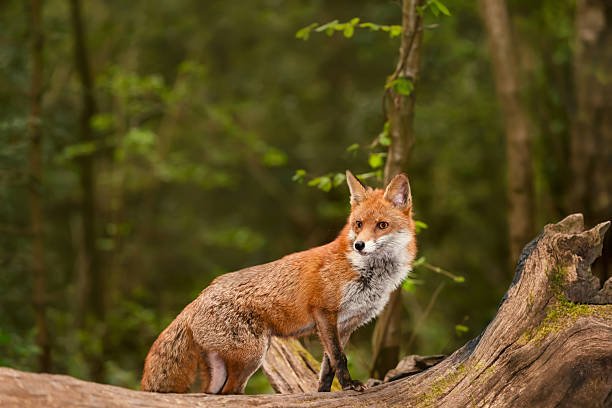
Yes, foxes are indeed found in Africa, demonstrating remarkable adaptability across the continent's diverse landscapes from scorching deserts to vast savannas. While often associated with colder climates, several distinct fox species have made Africa their home, each boasting unique characteristics and survival strategies tailored to the challenging African environment. Understanding these fascinating creatures provides a deeper appreciation for the rich biodiversity present across the African continent.
Understanding the Presence of Foxes in Africa
The notion that foxes are found in Africa might surprise some, but the continent is home to a fascinating array of canid species, including several true foxes belonging to the genus Vulpes, as well as unique fox-like species. These African foxes are expertly adapted to their environments, showcasing evolutionary marvels that allow them to thrive where many other animals might struggle. Their presence highlights the incredible resilience and diversity within the fox family.
Unlike their European or North American counterparts, African foxes often display specialized adaptations for arid and semi-arid conditions. This includes features like large ears for heat dissipation, light-colored fur for camouflage and reflecting sunlight, and a keen ability to conserve water. Their diets are also highly varied, reflecting the availability of resources in their respective habitats.
Key Fox Species Thriving Across Africa
Africa hosts several prominent fox species, each with a distinct range and set of adaptations. These species contribute significantly to their local ecosystems, often playing roles as both predators and scavengers. Exploring these individual African fox species reveals the true extent of their diversity.
The Fennec Fox (Vulpes zerda)
Perhaps the most iconic of desert foxes in Africa, the Fennec fox is instantly recognizable by its extraordinarily large ears, which can be up to 6 inches long. These ears serve multiple crucial functions: they help locate prey underground and, more importantly, act as radiators to dissipate body heat, a vital adaptation for life in the Sahara Desert and other North African arid regions. Weighing only 2-3 pounds, the Fennec fox is the smallest canid in the world. Its creamy, thick fur provides insulation against cold desert nights and blends perfectly with the sandy environment.
- Habitat: North Africa, particularly the Sahara Desert, extending into parts of the Sahel.
- Diet: Omnivorous, consisting of insects, small rodents, birds, eggs, and desert plants for moisture.
- Adaptations: Large ears for cooling and hearing, padded feet for walking on hot sand, nocturnal activity.
The Bat-eared Fox (Otocyon megalotis)
Found primarily in the savannas and grasslands of Eastern and Southern Africa, the Bat-eared fox is a unique canid renowned for its exceptionally large ears, which can grow up to 5 inches long. Unlike the Fennec, these ears are not primarily for cooling but for detecting the faint sounds of insects, particularly termites and dung beetles, which make up the vast majority of its diet. This species is highly specialized, a testament to the diverse niches filled by foxes in Africa.
- Habitat: Open savannas, grasslands, and semi-arid plains of East and Southern Africa.
- Diet: Insectivorous, predominantly termites (especially harvester termites), beetles, and other invertebrates.
- Behavior: Often seen in small family groups, typically nocturnal or crepuscular.
The Cape Fox (Vulpes chama)
Endemic to Southern Africa, the Cape fox is a true fox species known for its adaptability to various habitats, including grasslands, karoo shrublands, and even semi-desert regions. It is a small, slender fox with a grizzled grey coat, black-tipped ears, and a bushy tail. The Cape fox is predominantly nocturnal, emerging at dusk to hunt for small mammals, insects, and fruits. Its wide Cape fox distribution across southern parts of the continent underscores its resilience.
- Habitat: Southern Africa, including South Africa, Botswana, and Namibia.
- Diet: Omnivorous, including rodents, insects, small birds, reptiles, and wild fruits.
- Conservation Status: Generally stable, but faces threats from habitat loss and human conflict.
Rüppell's Fox (Vulpes rueppellii)
Named after the German naturalist Eduard Rüppell, this fox species is a quintessential desert dweller found across North Africa, the Middle East, and parts of Central Asia. The Rüppell's fox location often overlaps with the Fennec fox but it prefers rockier, mountainous deserts rather than pure sand dunes. It has soft, sandy-colored fur, medium-sized ears, and a white-tipped tail. Its subtle coloration provides excellent camouflage against rocky desert terrain, making it an elusive creature.
- Habitat: Arid and semi-arid regions of North Africa (e.g., Egypt, Libya, Sudan) and the Arabian Peninsula.
- Diet: Opportunistic omnivore, feeding on insects, rodents, birds, reptiles, and carrion.
- Adaptations: Nocturnal, keen sense of hearing and smell, able to go long periods without water.
The Pale Fox (Vulpes pallida)
The Pale fox inhabits the Sahel region of Africa, a transitional zone between the Sahara Desert to the north and the savannas to the south. It has a relatively long body and short legs, with pale sandy fur that gives it its name. Its large ears are moderately sized compared to the Fennec, but still aid in heat dissipation and hearing. The Pale fox characteristics include its elusive nature and tendency to dig extensive burrows, which it uses for shelter from the heat and as dens for raising pups.
- Habitat: Sahel region, from Senegal to Somalia.
- Diet: Omnivorous, consuming small rodents, lizards, insects, and fruits like wild melons.
- Behavior: Primarily nocturnal, highly adapted to burrowing.
Adaptations of African Foxes for Survival
The ability of foxes found in Africa to thrive in such varied and often harsh environments is a testament to their remarkable evolutionary adaptations. These adaptations go beyond just physical traits, encompassing behavioral strategies as well.
Physiological Adaptations
- Large Ears: As seen in Fennec and Bat-eared foxes, large ears are crucial for thermoregulation, acting as efficient heat dissipaters. They are also vital for detecting prey.
- Fur Color and Texture: Light, sandy-colored fur helps camouflage against desert and savanna backgrounds while reflecting sunlight to prevent overheating. The fur can also be surprisingly thick to provide insulation during cold desert nights.
- Padded Feet: Species like the Fennec fox have fur-covered paw pads that protect against hot sand and provide better traction.
- Water Conservation: Many African foxes can obtain most of their necessary moisture from their food, allowing them to go extended periods without drinking water. Their kidneys are highly efficient at concentrating urine.
Behavioral Adaptations
- Nocturnal Activity: Most African foxes are primarily nocturnal or crepuscular (active at dawn and dusk) to avoid the scorching daytime temperatures.
- Burrowing: Digging and utilizing burrows is a common strategy to escape extreme heat and cold, as well as to seek refuge from predators. Pale foxes are particularly adept at this.
- Opportunistic Diet: Their ability to consume a wide range of food, from insects to small mammals and plant matter, ensures survival even when specific prey is scarce.
These adaptations of African foxes collectively allow them to navigate the challenges presented by their environments, underscoring their incredible resilience and ingenuity.
Habitat and Distribution of African Foxes
The distribution of various fox species in Africa is directly influenced by their specific adaptations and preferred ecological niches. While some, like the Fennec fox, are exclusive to the most arid regions, others, such as the Bat-eared fox, favor open grasslands.
| Fox Species | Primary Habitat | Geographic Distribution |
|---|---|---|
| Fennec Fox | Sandy Deserts, Dunes | North Africa (Sahara, Sahel) |
| Bat-eared Fox | Open Grasslands, Savannas | East Africa, Southern Africa |
| Cape Fox | Grasslands, Karoo Shrublands | Southern Africa |
| Rüppell's Fox | Rocky Deserts, Arid Mountains | North Africa, Middle East |
| Pale Fox | Sahelian Semi-Desert, Steppes | Sahel region (West to East Africa) |
Understanding the varied African ecosystem and how these foxes fit into them is crucial for conservation efforts. Each species plays a vital role in maintaining the balance of its specific habitat.
Conservation Status and Threats to African Foxes
While many fox species in Africa are currently classified as 'Least Concern' by the IUCN, they still face a range of threats that could impact their long-term survival. The primary challenges include habitat degradation, human-wildlife conflict, and the impacts of climate change.
Key Threats
- Habitat Loss and Fragmentation: Expansion of agriculture, urbanization, and infrastructure development leads to the loss and fragmentation of critical fox habitats.
- Human-Wildlife Conflict: Foxes are sometimes persecuted by farmers who perceive them as threats to livestock, despite their primary diet often consisting of insects and small rodents. Road accidents also pose a significant danger.
- Climate Change: Shifting weather patterns, increased desertification, and prolonged droughts can directly impact food availability and water resources, especially for species in arid regions.
- Disease: Exposure to domestic animal diseases, such as rabies and canine distemper, can devastate wild fox populations.
Effective conservation of African foxes requires a multi-faceted approach, including public education, habitat protection, and responsible land management practices. Recognizing the ecological value of these animals is the first step towards ensuring their continued presence on the African continent.
The Ecological Importance of African Foxes
Beyond their intrinsic value, foxes found in Africa play crucial ecological roles within their respective ecosystems. They are integral components of the food web, acting as both predators and occasional scavengers. For instance, Bat-eared foxes help control insect populations, including potentially destructive termites. Cape foxes and Fennec foxes assist in rodent control, which can be beneficial to human agriculture by reducing pest damage.
Their omnivorous diets also contribute to seed dispersal through the consumption of fruits, thus aiding in plant propagation. By preying on smaller animals, they help regulate prey populations and maintain ecosystem health and balance. The removal or significant decline of these species could have cascading effects on other wildlife and the overall stability of their habitats.
Conclusion
In conclusion, the assertion that foxes are found in Africa is unequivocally true. From the vast, sandy expanse of the Sahara to the sweeping grasslands of the south, various unique fox species have not only survived but thrived, adapting ingeniously to some of the world's most challenging environments. Species like the Fennec fox, Bat-eared fox, Cape fox, Rüppell's fox, and Pale fox each contribute to the rich tapestry of Africa's biodiversity, showcasing incredible adaptations for heat regulation, water conservation, and specialized diets. Their continued existence underscores the importance of ongoing conservation efforts to protect their habitats and mitigate human-wildlife conflicts. Understanding and appreciating these resilient canids enriches our knowledge of the natural world and highlights the intricate balance of the African ecosystem.
Enjoyed this read?
Share it with your friends and colleagues.