Are Giraffes Only Found In Africa

BSC Insights Admin
September 30, 2026
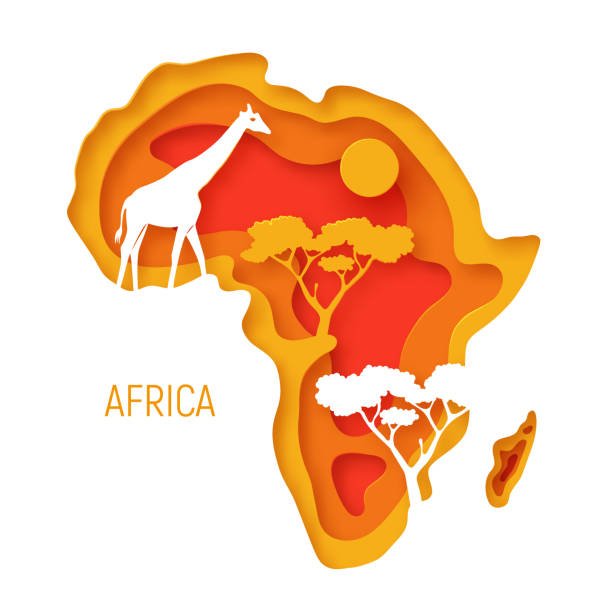
The natural world confirms that giraffes are endemic exclusively to the African continent, which addresses the common inquiry of are giraffes only found in Africa by highlighting their unique status as a signature species of the sub-Saharan landscape. While these magnificent creatures are visible in zoological parks across the globe, their wild populations are restricted to the savannas, grasslands, and open woodlands of Africa. This restricted natural range is the result of millions of years of evolutionary adaptation to the specific vegetation and climate patterns found only within the various regions of the African landmass.
To understand the current distribution of these animals, one must look at the specific nations where different subspecies continue to thrive despite environmental challenges. This article explores the geographic spread of giraffes across the continent and examines the conservation efforts in place to protect these gentle giants.
These are the countries in Africa that are giraffes found in naturally
When investigating which country that are giraffes only found in Africa, it becomes clear that their presence is spread across several key regions including East, Southern, Central, and a small pocket of West Africa. There are currently four distinct species of giraffes recognized by modern science, and their distribution across the continent is a testament to the diverse ecosystems they inhabit. In the following section, we detail the primary nations that provide a natural sanctuary for these animals, looking at the specific parks and environments that support their populations.
1. Kenya and the Diversity of Subspecies
Kenya is often considered the heart of giraffe country because it is one of the few nations where you can find three distinct subspecies within its borders. The Reticulated giraffe is primarily found in the northern regions, such as the Samburu National Reserve, and is easily identified by its striking, liver-colored polygonal patches separated by thin white lines. In the southern plains of the Masai Mara, the Masai giraffe dominates the landscape, characterized by its darker, jagged-edged spots that look like vine leaves. Kenya also hosts the Rothschilds giraffe, particularly in protected areas like Lake Nakuru National Park and the Soysambu Conservancy. The Kenyan government, through the Kenya Wildlife Service, has been instrumental in implementing national recovery plans to ensure that these populations remain stable against the threats of habitat fragmentation. For any wildlife enthusiast, Kenya represents a primary African country which are giraffes only found in such varied forms.
2. Tanzania and the National Symbol
In Tanzania, the giraffe is not just a member of the local fauna but is the official national animal, enjoying high levels of protection and cultural respect. The Masai giraffe is the most prevalent subspecies here, roaming the iconic plains of the Serengeti National Park and the Ngorongoro Conservation Area. Tanzanias vast and interconnected ecosystems allow for large-scale movements, which are essential for maintaining genetic diversity among the herds. The country has dedicated nearly thirty percent of its land to conservation, providing a massive protected area where giraffes can browse on acacia trees without human interference. Beyond the famous northern circuit, giraffes are also found in the Selous Game Reserve and Ruaha National Park in the south. The commitment of the Tanzanian people to their national symbol has made the country a cornerstone of giraffe conservation on the continent.
3. South Africa and the Southern Giraffe
South Africa is a major stronghold for the Southern giraffe, and its populations have seen a significant increase over the last few decades due to proactive management and private conservation efforts. The Kruger National Park is perhaps the most famous location to see these animals, where they are often spotted browsing near the rivers and watering holes. South Africa has also seen a rise in the number of giraffes on private game reserves, where they are carefully managed to prevent overgrazing of the local vegetation. This country has been a leader in the translocation of giraffes to other regions where they had previously gone extinct, helping to re-establish the species across its historical range. The Southern giraffe in this region is known for its slightly smaller spots that extend all the way down to the hooves. South Africa stands as a prime example of a country in Africa are giraffes only found in well-managed, growing numbers.
4. Namibia and the Desert-Adapted Herds
Namibia offers one of the most unique environments for giraffes, as they have adapted to survive in the arid landscapes of the Kunene region and the Etosha National Park. These desert-adapted giraffes can travel long distances between watering holes and have learned to derive much of their moisture from the plants they consume. The Angolan giraffe is the primary subspecies found here, and its population is currently stable thanks to Namibias innovative community-based conservation models. In these models, local communities are given the responsibility and the benefits of protecting the wildlife on their communal lands. This approach has significantly reduced human-wildlife conflict and poaching, allowing giraffe numbers to flourish outside of traditional national parks. The sight of a giraffe moving against the backdrop of Namibias stark, red desert dunes is one of the most remarkable wildlife experiences on the continent.
5. Botswana and the Okavango Delta
Botswana is home to a significant population of Southern giraffes, particularly in the lush environment of the Okavango Delta and the Chobe National Park. The availability of water and abundant foliage in the delta allows giraffes to remain in a relatively small area compared to their desert-dwelling cousins in Namibia. Botswana has some of the strictest anti-poaching laws in Africa, which has helped protect its giraffe populations from the threats seen in other regions. The countrys low human population density also means that there is less competition for land, allowing giraffes to roam freely across vast tracts of wilderness. During the seasonal floods in the delta, giraffes can often be seen wading through shallow waters to reach isolated islands for feeding. Botswana remains a critical African country which are giraffes only found in such a pristine and water-rich environment.
6. Niger and the Last West African Giraffes
Niger holds a special place in the story of are giraffes only found in Africa because it is the last remaining home of the West African giraffe subspecies. In the mid-1990s, this subspecies was on the brink of extinction, with only about 50 individuals remaining in the wild. However, through a dedicated partnership between the Nigerien government and international conservation groups, the population has rebounded to over 600 individuals today. These giraffes live in the Kouré region, just outside the capital city of Niamey, and they share the land with local farmers and their livestock. This coexistence is a unique example of how large mammals can survive in a human-dominated landscape through community education and support. The West African giraffe is lighter in color than other subspecies, with pale, yellowish-brown patches that give it a distinctive appearance.
7. Uganda and the Recovery of the Rothschilds Giraffe
Uganda has become a major success story for the recovery of the Rothschilds giraffe, which was once heavily threatened by civil unrest and habitat loss. Murchison Falls National Park is the primary location for these giraffes, and recent surveys have shown that the population there is thriving and expanding. The Ugandan government has also undertaken several translocation projects, moving giraffes to Lake Mburo National Park and the Kidepo Valley to establish satellite populations. These efforts are designed to protect the subspecies from localized threats like disease or environmental disasters. The Rothschilds giraffe is easily identified by the lack of markings on its lower legs, which makes it look as if it is wearing white stockings. Ugandas commitment to wildlife tourism has provided the necessary funding to maintain these intensive conservation efforts.
8. Ethiopia and the Northern Giraffe
Ethiopia is home to the Northern giraffe, specifically the Nubian subspecies, which is found in the Gambella National Park and the Omo Valley. This region of Ethiopia is remote and rugged, providing a natural barrier that has protected the giraffes from some of the pressures of modernization. However, the population in Ethiopia remains small and is considered critically endangered, requiring urgent conservation attention to prevent further decline. The Ethiopian Wildlife Conservation Authority is working to improve the management of these parks and to engage with local communities to reduce the impact of hunting. The Nubian giraffe is known for its large, rectangular patches and is one of the most striking of the northern subspecies. Ethiopia represents a vital frontier for African countries that are giraffes only found in within their northernmost natural range.
9. Zimbabwe and the Lowveld Populations
Zimbabwe has a long history of giraffe conservation, with significant populations found in Hwange National Park and the various conservancies of the Lowveld. The Southern giraffe is the primary subspecies here, and it plays a vital role in the local ecosystem by maintaining the height and density of the woodland canopy. Zimbabwe has pioneered several sustainable use models for wildlife, where the revenue generated from controlled hunting and tourism is reinvested into habitat protection. While the country has faced economic challenges, its national parks have remained a safe haven for giraffes and other members of the Big Five. The diverse terrain of Zimbabwe, ranging from open savannas to rocky outcrops, provides a variety of browsing opportunities for the herds. Continued international support is essential for ensuring that Zimbabwes conservation infrastructure remains effective.
10. Zambia and the Luangwa Valley
Zambia is famous for the Thornicrofts giraffe, a subspecies that is geographically isolated and found only in the South Luangwa Valley. This isolated population has evolved slightly different characteristics than other Southern giraffes, including a smaller stature and unique coat patterns. The Luangwa Valley provides a rich environment with fertile soils and a constant supply of water from the Luangwa River, supporting a healthy and stable giraffe population. Because this subspecies is only found in this specific location, the Zambian government has placed a high priority on its protection to prevent any loss of genetic diversity. The South Luangwa National Park is also known for its walking safaris, which allow visitors to observe these giraffes at a closer and more intimate level. Zambia’s dedication to protecting this unique subspecies highlights the importance of localized conservation efforts.
11. Chad and the Zakouma National Park
Chad is home to a growing population of Kordofan giraffes, primarily located within the boundaries of Zakouma National Park. Zakouma has undergone a dramatic transformation over the last decade, evolving from a poaching-ravaged landscape to one of the most successful wildlife sanctuaries in Central Africa. This recovery has been led by the organization African Parks, which has worked with the Chadian government to provide the security and management needed for the wildlife to rebound. The Kordofan giraffe is particularly vulnerable due to the instability in neighboring regions, making Zakouma a critical refuge for the subspecies. These giraffes are slightly smaller than their eastern and southern cousins and have spots that are more irregular in shape. Chads success in Zakouma is a hopeful sign for the future of countries in Africa that are giraffes only found in within the Central African region.
12. Cameroon and the Waza National Park
Cameroon provides a habitat for the Kordofan giraffe in the northern part of the country, specifically in Waza National Park. This park is characterized by its vast floodplains and acacia woodlands, which provide excellent browsing conditions during both the wet and dry seasons. However, the giraffe population in Cameroon has faced significant challenges due to regional insecurity and the encroachment of livestock into the park. Conservation groups are working to establish better corridors for the giraffes to move safely between different protected areas in the Lake Chad basin. The Kordofan giraffe in Cameroon is a vital part of the regional biodiversity, and its protection is essential for the ecological health of the Sahelian zone. Efforts are ongoing to improve the monitoring of these herds using satellite tracking and community reporting.
Reasons Why These Countries Have Animals That Are Giraffes Only Found In Africa
The exclusive presence of giraffes on the African continent is the result of millions of years of geographic isolation and the unique environmental conditions found south of the Sahara. These factors have prevented the species from naturally migrating to other continents, while also providing the perfect conditions for their specialized biology to flourish within Africa.
1. Evolutionary Isolation and Continental Drift: The primary reason for are giraffes only found in Africa is the ancient geological history of the planet, which isolated the ancestors of the giraffe on the African landmass. Millions of years ago, as the continents shifted and the Tethys Sea closed, the African continent became a distinct biological island for a significant period. During this time, the ancestors of the modern giraffe evolved specifically to take advantage of the high-canopy trees found in the African savanna. By the time land bridges to other continents were established, the giraffe had become too specialized to its environment to easily migrate across the vast deserts and mountains of Eurasia. This long-term isolation ensured that the giraffe remained a uniquely African phenomenon.
2. Abundance of Acacia and Specialized Flora: The African savanna is characterized by an abundance of acacia trees, which are the primary food source for all species of giraffes. These trees have evolved long thorns as a defense mechanism, but the giraffe has developed a prehensile tongue and tough lips to navigate these obstacles. This specialized relationship between the giraffe and the acacia is unique to the African landscape and is one of the main African countries that are giraffes only found in survival factors. In other parts of the world, the vegetation is often too low or consists of different plant families that would not support the giraffes high-energy needs. The savanna provides the perfect balance of open space for movement and dense browsing opportunities.
3. Specific Climate and Temperature Requirements: Giraffes are adapted to tropical and sub-tropical climates where temperatures remain relatively warm throughout the year. Their large surface area and long extremities make them susceptible to extreme cold, which is why they are not found in temperate or arctic regions naturally. The African continent offers a consistent climate that allows giraffes to remain active year-round without the need for hibernation or long-distance migration to escape the cold. This climate also supports the continuous growth of the trees and shrubs they depend on for food. The stability of the African weather patterns has been essential for the long-term survival of the species.
4. Ecological Niche and Lack of Competition: Within the African ecosystem, the giraffe occupies a very specific ecological niche as the only high-level browser. By feeding on leaves that are out of reach for elephants, rhinos, and antelopes, the giraffe avoids direct competition for food with other large herbivores. This lack of competition allows for much higher population densities than would be possible if they had to share their primary food source. In other parts of the world, this niche is either vacant or occupied by different, less specialized species. The unique structure of the African food web is perfectly designed to support the African country which are giraffes only found in today. This specialization is one of their greatest evolutionary advantages.
5. Implementation of Large-Scale Conservation Areas: The survival of giraffes in the modern era is largely due to the establishment of massive national parks and transfrontier conservation areas across Africa. These areas protect the vast territories that giraffes need to find sufficient food and avoid inbreeding. For example, the Kavango-Zambezi Transfrontier Conservation Area covers five different countries, allowing giraffes to follow their ancient migration routes without being stopped by national borders. These large-scale initiatives are essential for maintaining the health of the species in an increasingly fragmented world. The commitment of African nations to land preservation is a key reason why giraffes still roam free on the continent. These parks are the last bastions for the worlds tallest land mammals.
6. Economic Value of Wildlife Tourism: The presence of giraffes is a major draw for the international tourism industry, providing a significant economic incentive for African countries to protect them. Tourism revenue funds the anti-poaching units, park rangers, and habitat restoration projects that are necessary for wildlife management. In many nations, the giraffe is a flagship species that represents the beauty and wildness of the continent, attracting millions of visitors every year. This economic reality makes the protection of giraffes a national priority for many African governments. By valuing their wildlife as a renewable resource, these countries have ensured that the giraffe remains a permanent fixture of the landscape. Tourism is perhaps the strongest modern defense against the loss of country in Africa are giraffes only found in naturally.
Conclusion
The enduring presence of giraffes across the various regions of the continent confirms that are giraffes only found in Africa is a defining characteristic of this iconic species. From the recovery of the West African giraffe in Niger to the stable populations of the Southern giraffe in South Africa, these animals continue to be a vital part of the African wilderness. While they face ongoing threats from habitat loss and human expansion, the dedicated conservation efforts of numerous African nations provide a path forward for their survival. Protecting the diverse ecosystems and the ancient trees they depend on is essential for ensuring that future generations can still witness these giants in their natural home. The giraffe remains a powerful symbol of the unique and irreplaceable natural heritage of the African continent.
Enjoyed this read?
Share it with your friends and colleagues.