Gorillas Where In Africa

BSC Insights Admin
September 30, 2026
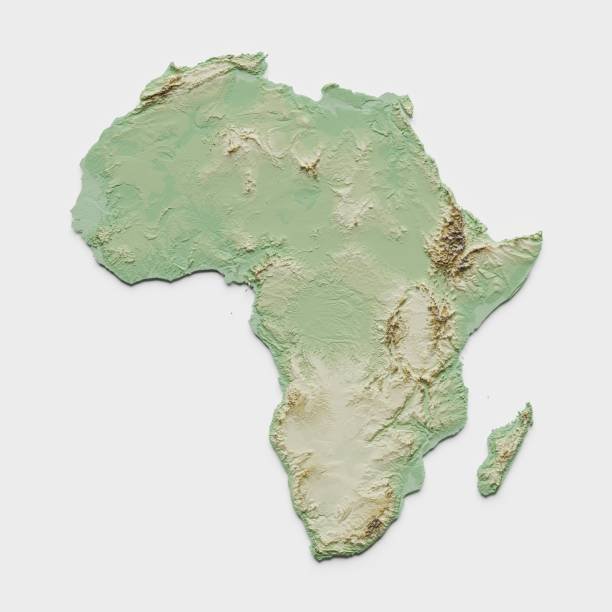
When pondering the majestic gorilla, a powerful image of deep African forests often comes to mind. But precisely where do gorillas live in Africa? The answer lies across a broad swathe of the continent's central and western regions, encompassing a variety of dense forests, from steamy lowlands to misty montane slopes. These incredible primates are found in numerous countries, each providing a unique habitat for the distinct species and subspecies that call Africa home. Understanding their specific geographical distribution is crucial for appreciating their ecological role and the urgent conservation efforts dedicated to their survival.
Where Do Gorillas Live? A Glimpse into Their African Homes
Gorillas in Africa are exclusively found within the equatorial belt, primarily concentrated in the dense tropical and subtropical forests of Central and West Africa. They are not uniformly distributed across the continent but inhabit specific ecological niches that provide the abundant vegetation and cover necessary for their survival. The continent is home to two main species of gorillas, the Eastern Gorilla (Gorilla beringei) and the Western Gorilla (Gorilla gorilla), each further divided into two subspecies, leading to a total of four distinct gorilla populations spread across different African countries.
These magnificent great apes are integral to the health of the ecosystems they inhabit, playing a vital role in seed dispersal and maintaining forest biodiversity. Their habitats range from the lowland rainforests of Congo and Gabon to the high-altitude cloud forests of Uganda and Rwanda, showcasing an incredible adaptability to diverse environments. The presence of gorillas serves as a powerful indicator of forest health, and their continued existence is a testament to ongoing conservation initiatives across their range.
The Four Gorilla Subspecies: Their Unique African Ranges
The distribution of gorillas across Africa is determined by their species and subspecies, each with specific habitat requirements and geographic boundaries. Understanding these distinctions helps clarify the question: where do gorillas live in Africa?
1. Mountain Gorillas (Gorilla beringei beringei)
The iconic Mountain Gorilla is arguably the most famous and critically endangered subspecies. Their existence is confined to two isolated volcanic mountain ranges in East-Central Africa:
- Virunga Mountains: This range spans the borders of three countries: Rwanda (Volcanoes National Park), Uganda (Mgahinga Gorilla National Park), and the Democratic Republic of Congo (DRC) (Virunga National Park).
- Bwindi Impenetrable National Park: Located in southwestern Uganda, this forest is home to approximately half of the world's mountain gorilla population.
These gorillas thrive in high-altitude montane cloud forests, ranging from 2,200 to 4,300 meters (7,200 to 14,000 feet) above sea level. Their thick fur allows them to withstand cold temperatures at these elevations. Their diet primarily consists of leaves, shoots, and stems, with very few fruits available in their mountainous habitat. The small and fragmented nature of their habitat makes them particularly vulnerable, but intensive conservation efforts have led to a remarkable, though still fragile, population increase.
2. Eastern Lowland Gorillas (Grauer's Gorillas - Gorilla beringei graueri)
Also known as Grauer's Gorillas, this is the largest of the gorilla subspecies, distinguished by their immense size. They are found exclusively within the eastern part of the Democratic Republic of Congo (DRC), primarily within:
- Kahuzi-Biega National Park
- Maiko National Park
- And surrounding fragmented forests in the eastern DRC.
Their habitat comprises dense tropical rainforests at lower to mid-altitudes, typically between 600 and 2,900 meters (2,000 to 9,500 feet). Despite being the largest subspecies, Grauer's Gorillas have suffered a catastrophic decline in recent decades due to civil conflict, poaching, and habitat destruction, making them critically endangered. Their home range overlaps significantly with areas rich in mineral resources, leading to intense pressure on their forest habitats.
3. Western Lowland Gorillas (Gorilla gorilla gorilla)
The Western Lowland Gorilla is the most numerous and widespread of all gorilla subspecies. They inhabit the vast lowland rainforests of West and Central Africa, making them the most commonly encountered gorilla in zoos outside of Africa. Their extensive range includes:
- Cameroon
- Central African Republic (CAR)
- Congo (Republic of the Congo)
- Equatorial Guinea
- Gabon
- Northern Angola (Cabinda enclave)
These gorillas prefer dense lowland tropical rainforests, swamp forests, and secondary growth areas. Their diet is diverse, including a wide array of fruits, leaves, seeds, and even insects. Despite their larger population compared to other subspecies, Western Lowland Gorillas face significant threats from poaching for the illegal bushmeat trade, habitat destruction from logging and agriculture, and outbreaks of the Ebola virus, which has devastated populations in some areas.
4. Cross River Gorillas (Gorilla gorilla diehli)
The Cross River Gorilla is the rarest and most critically endangered gorilla subspecies, with an estimated population of only around 300 individuals. They are found in a small, fragmented region along the border of Nigeria and Cameroon, specifically in:
- The mountainous border region between southeastern Nigeria (e.g., Cross River National Park) and southwestern Cameroon (e.g., Korup National Park, Kagwene Gorilla Sanctuary, Takamanda National Park).
Their habitat consists of rugged, hilly tropical and subtropical forests. Due to their extremely low numbers and fragmented habitat, these gorillas are incredibly shy and elusive, making research and conservation challenging. Intense efforts are focused on protecting their remaining forest patches and mitigating human-wildlife conflict in this densely populated region.
Key Characteristics of Gorilla Habitats in Africa
Understanding where gorillas live in Africa also means recognizing the common characteristics and diversity of their habitats. Despite subspecies-specific preferences, all gorilla habitats share fundamental features crucial for their survival:
- Forest Cover: Gorillas are forest-dwelling animals. Their survival is intrinsically linked to the health and expanse of these forests, which provide food, shelter, and security.
- Vegetation Richness: Their vegetarian diet requires an abundance of leaves, stems, shoots, fruits, and sometimes roots and insects. Lush vegetation ensures a consistent food supply.
- Water Sources: While gorillas get much of their water from the plants they consume, access to streams, rivers, or natural water catchments is also important, especially in drier periods.
- Altitude Variation: Gorilla habitats vary greatly in altitude. While Western Lowland Gorillas prefer lower elevations, Mountain Gorillas inhabit very high, cold montane forests, showcasing the species' adaptability.
- Connectivity: Historically, gorilla habitats were more interconnected. Fragmentation due to human activities is now a major threat, isolating populations and reducing genetic diversity.
These ecological requirements define the regions where gorillas live in Africa, highlighting the critical importance of preserving these vital forest ecosystems.
Factors Determining Gorilla Distribution Across Africa
The precise locations where gorillas live in Africa are not random but are influenced by a combination of ecological, geographical, and historical factors. These factors have shaped their evolution and current distribution:
The presence of specific forest types, the availability of diverse food sources, and access to water are primary ecological drivers. Historically, climatic shifts, such as glacial periods and interglacial warming, led to contractions and expansions of forest cover, influencing gorilla dispersal and isolation. Geographical features like major rivers (e.g., the Congo River) have also acted as natural barriers, contributing to the genetic divergence between Western and Eastern Gorillas.
Human activities, more recently, have become a dominant factor, unfortunately often negatively. Deforestation, agriculture, mining, and human settlements have fragmented and shrunk gorilla habitats, confining them to increasingly smaller and more isolated pockets within their historical ranges.
| Factor | Significance for Gorilla Survival |
|---|---|
| Food Availability | Gorillas are herbivores; access to a diverse diet of leaves, stems, fruits, and bark is paramount. Different forest types offer different food profiles. |
| Water Sources | While they get much water from plants, streams and rivers are crucial, especially for lowland species. |
| Shelter & Security | Dense forest provides cover from predators, harsh weather, and human disturbance. |
| Geographical Barriers | Major rivers and mountain ranges have historically isolated populations, leading to speciation. |
| Historical Climate Changes | Past expansions and contractions of rainforests dictated ancient migration patterns. |
| Human Impact | Currently the most significant negative factor, driving habitat loss and fragmentation. |
The Critical State of Gorilla Conservation in Africa
Despite knowing where gorillas live in Africa, their future remains precarious. All four subspecies are listed as endangered or critically endangered by the IUCN. Their survival is constantly threatened by a range of human-induced pressures, making conservation a monumental and ongoing challenge.
Major Threats to Gorilla Populations
- Habitat Loss and Fragmentation: Extensive deforestation for agriculture (palm oil, subsistence farming), logging, mining, and infrastructure development destroys gorilla homes and divides populations, making them more vulnerable.
- Poaching and Illegal Wildlife Trade: Gorillas are hunted for bushmeat, especially in the DRC and Congo Basin, and their infants are sometimes captured for the illegal pet trade, often resulting in the death of their protective mothers.
- Disease: Outbreaks of the Ebola virus have caused catastrophic declines in Western Lowland Gorilla populations, sometimes wiping out entire groups. Other diseases, including those transmissible from humans, also pose a risk.
- Human-Wildlife Conflict: As human populations expand, encroachment into gorilla habitats leads to direct conflict, crop raiding, and retaliatory killings.
- Civil Unrest and War: Regions where gorillas live in Africa, particularly the eastern DRC, have experienced prolonged periods of conflict. This disrupts conservation efforts, increases poaching by armed groups, and drives displaced people into forests for survival.
- Climate Change: Changing rainfall patterns and increased frequency of extreme weather events can alter forest ecosystems, affecting food availability and water resources for gorillas.
Ongoing Conservation Efforts and Successes
Fortunately, dedicated organizations, governments, and local communities are tirelessly working to protect gorillas and their habitats:
- Protected Areas and National Parks: Establishing and effectively managing national parks and reserves (like Virunga, Kahuzi-Biega, Bwindi, Odzala-Kokoua) is fundamental to safeguarding critical gorilla habitats and providing safe havens.
- Anti-Poaching Patrols: Highly trained rangers risk their lives daily to patrol forests, remove snares, apprehend poachers, and monitor gorilla groups.
- Community Engagement and Education: Working with local communities to develop sustainable livelihoods, provide education on conservation, and involve them in protection efforts is vital for long-term success.
- Eco-tourism Initiatives: Responsible gorilla trekking (e.g., in Rwanda and Uganda) generates significant revenue that directly funds conservation efforts, park management, and community projects, providing a direct economic incentive for protection.
- Research and Monitoring: Scientists continuously monitor gorilla populations, health, and behavior, providing crucial data to inform conservation strategies.
- Transboundary Cooperation: Given that some gorilla populations straddle international borders, collaborative efforts between neighboring countries are essential for effective conservation.
These efforts demonstrate that with sustained commitment, the populations of these incredible primates can recover, as evidenced by the positive trends seen in Mountain Gorillas.
Responsible Gorilla Tourism: Supporting Conservation Efforts
For those eager to witness these magnificent creatures, responsible gorilla tourism offers a powerful way to contribute to their conservation. Understanding where gorillas live in Africa is the first step, but engaging ethically is paramount.
Gorilla trekking, primarily offered in Rwanda, Uganda, and the Democratic Republic of Congo, provides a unique opportunity to observe gorillas in their natural habitat. The high cost of permits directly funds anti-poaching patrols, habitat protection, and community development, demonstrating the economic value of living gorillas over poached ones.
- Choose Reputable Tour Operators: Ensure your tour operator is licensed, works ethically, and contributes to conservation efforts.
- Follow all Trekking Rules: Maintain a respectful distance (usually 7 meters), avoid sudden movements, speak softly, and never use flash photography. This minimizes stress on the gorillas and prevents disease transmission.
- Prioritize Gorilla Health: If you are feeling unwell (even a common cold), do not go on a trek. Gorillas are highly susceptible to human diseases, which can be fatal to them.
- Support Local Communities: Purchase local crafts, hire local porters, and use local services. This ensures that the economic benefits of tourism extend directly to the people living near gorilla habitats, fostering a positive relationship between humans and wildlife.
By participating in responsible tourism, visitors become part of the solution, helping to ensure that future generations can also ask, where do gorillas live in Africa, and receive an answer that includes thriving populations.
Conclusion: Protecting Africa's Iconic Gorillas
In conclusion, gorillas live exclusively in the diverse tropical and subtropical forests of Central and West Africa, ranging across countries such as Rwanda, Uganda, the Democratic Republic of Congo, Cameroon, Central African Republic, Congo, Gabon, Equatorial Guinea, and Nigeria. Each of the four subspecies—Mountain, Eastern Lowland (Grauer's), Western Lowland, and Cross River Gorillas—occupies specific geographical pockets, from high-altitude cloud forests to dense lowland rainforests. While these regions provide ideal habitats rich in vegetation and cover, gorilla populations face severe threats including habitat loss, poaching, and disease. Urgent and sustained conservation efforts, supported by anti-poaching initiatives, protected areas, community involvement, and responsible eco-tourism, are crucial for safeguarding these iconic African primates. By understanding where gorillas live in Africa and the challenges they face, we can all contribute to ensuring a future where these magnificent creatures continue to thrive in their natural homes.
Enjoyed this read?
Share it with your friends and colleagues.