Grassland Found In Africa

BSC Insights Admin
September 30, 2026
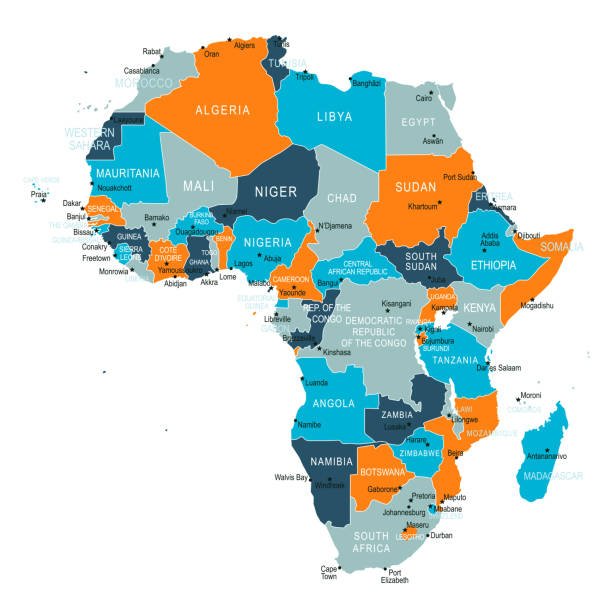
The vast and diverse grassland found in Africa refers primarily to the extensive savannas and steppes that cover a significant portion of the continent, acting as crucial ecosystems for a spectacular array of wildlife and playing a vital role in global biodiversity. These African grasslands are characterized by their dominant grass cover, often interspersed with trees and shrubs, supporting immense herds of herbivores and their predators, and influencing global climate patterns. Understanding the dynamics of these unique environments is essential for appreciating Africa's natural heritage and the challenges it faces.
The Diverse Landscape of African Grasslands
While often generalized, the grassland found in Africa is not a monolithic entity. It encompasses a spectrum of ecosystems, primarily categorized into savannas and steppes, each with distinct features and ecological roles. The continent's varied topography, rainfall patterns, and soil types contribute to this rich diversity.
African Savannas: The Iconic Expanses
African savannas are perhaps the most recognized form of grassland found in Africa. They are characterized by a continuous grass layer with scattered trees and shrubs, often forming an open canopy. These areas experience distinct wet and dry seasons, which dictate the rhythm of life for millions of animals. The Serengeti in Tanzania and the Maasai Mara in Kenya are prime examples, famous for their breathtaking wildlife spectacles.
- Climate: Marked by seasonal rainfall, typically ranging from 500 to 1200 mm annually, concentrated in a few months, followed by a prolonged dry season.
- Vegetation: Dominated by C4 grasses, which are highly efficient at photosynthesis in hot, sunny conditions. Acacia and baobab trees are common, adapted to withstand drought and fire.
- Biodiversity: Exceptionally high, supporting the largest terrestrial mammal migrations on Earth, including wildebeest, zebra, and gazelles, along with their predators like lions, leopards, and cheetahs.
African Steppes: Arid and Resilient Grasslands
African steppes represent a drier form of grassland found in Africa, often bordering deserts. These regions receive less rainfall than savannas, leading to shorter grasses and sparser tree cover. The Sahel region, stretching across North Africa, is a vast steppe ecosystem, crucial for nomadic pastoralists and uniquely adapted wildlife.
- Climate: Characterized by low and highly variable rainfall, often less than 500 mm per year, and extended dry periods.
- Vegetation: Composed of drought-resistant grasses and shrubs, with trees being rare or confined to watercourses. Plants here have evolved specialized adaptations to conserve water.
- Biodiversity: While less dense than savannas, these areas support hardy species like addax, oryx, and various gazelles, as well as a range of birds and reptiles adapted to arid conditions.
Climate and Ecological Drivers of African Grasslands
The health and productivity of the grassland found in Africa are profoundly influenced by climatic factors and ecological processes. Understanding these drivers is key to comprehending the resilience and vulnerabilities of these ecosystems.
Seasonal Rains and Droughts
The annual cycle of wet and dry seasons is the most significant climatic factor for African grasslands. The onset of rains transforms the landscape, bringing a flush of green growth that supports the massive herbivore populations. During the dry season, grasses wither, rivers shrink, and wildlife congregates around remaining water sources, creating intense competition and shaping predator-prey dynamics.
The Role of Fire in Grassland Ecosystems
Natural fires, often ignited by lightning or human activity, are an integral part of most grassland ecosystems in Africa. Fires clear old, tough grass, promote new growth, and prevent tree encroachment, thereby maintaining the open grassland structure. Many plant species in the savanna have evolved fire-resistant adaptations, such as thick bark or underground storage organs.
Herbivory and Nutrient Cycling
Large herbivores, from wildebeest to elephants, play a critical role in shaping the vegetation structure and nutrient cycling within the grassland found in Africa. Grazing and browsing control plant growth, disperse seeds, and their waste returns nutrients to the soil. The immense scale of herbivory, particularly in areas like the Serengeti, is a unique feature of these ecosystems.
Iconic Wildlife of the Grassland Found In Africa
The image of Africa is often inseparable from its iconic savanna wildlife, and for good reason. The grassland found in Africa is home to some of the world's most spectacular and diverse animal populations, drawing millions of tourists and researchers annually.
Mammals: The Giants and the Herds
The sheer abundance of large mammals is a defining characteristic. The "Big Five" – lion, leopard, elephant, rhino, and buffalo – are all prominent residents. Beyond these, the grasslands teem with:
- Wildebeest: Famous for their annual migration across the Serengeti and Maasai Mara.
- Zebra: Common grazers, often accompanying wildebeest, benefiting from their numbers.
- Gazelles: Including Thomson's and Grant's gazelles, known for their speed and agility.
- Giraffes: The tallest mammals, browsing on acacia leaves and other trees.
- Antelopes: A vast array of species such as topi, eland, kudu, and impala, each occupying a specific ecological niche.
Predator-Prey Relationships and the Great Migration
The African savanna ecosystem is a stage for constant predator-prey interactions. Lions, cheetahs, leopards, hyenas, and wild dogs are apex predators, their populations intricately linked to the herbivore numbers. The Great Migration of millions of wildebeest, zebras, and gazelles, a phenomenal event driven by the search for fresh grazing and water, showcases the intricate connectivity and scale of life in the grassland found in Africa.
Vegetation: Adapting to the African Savanna
The plant life in the African grasslands is just as remarkable as its animal inhabitants, showcasing incredible adaptations to harsh conditions, grazing pressure, and recurring fires.
Dominant Grass Species
Grasses are the foundation of these ecosystems. Species like Themeda triandra (red oat grass), Cymbopogon, and Pennisetum are prevalent. They are well-adapted to hot climates, intense sunlight, and frequent grazing. Their rapid growth during the wet season and ability to store nutrients underground ensure their survival during droughts and fires.
Acacia Trees and Baobabs: Icons of the Savanna
Scattered trees, particularly various species of acacia, are characteristic of the savanna. Acacias have developed defenses like thorns and chemical deterrents to protect against herbivores. The iconic baobab tree, with its massive trunk and long lifespan, is another symbol of the African savanna, storing water in its trunk to survive the dry season.
Adaptations to Aridity, Grazing, and Fire
Plants in the grassland found in Africa exhibit a range of adaptations:
- Drought Resistance: Deep root systems, succulent leaves, and deciduousness help conserve water.
- Fire Adaptations: Thick bark, growth from underground buds, and fire-resistant seeds.
- Grazing Tolerance: Growing from the base rather than the tip, enabling regrowth after being eaten, and producing chemical compounds that deter herbivores.
Human Interactions and Challenges in African Grasslands
The grassland found in Africa has been home to human populations for millennia, leading to complex interactions. Today, these vital ecosystems face unprecedented challenges that threaten their integrity and the future of their unique biodiversity.
Pastoralism and Traditional Lifestyles
Many indigenous communities, such as the Maasai, Samburu, and Turkana, have traditionally relied on the African grasslands for their pastoral livelihoods. Their cattle, goats, and sheep graze alongside wildlife, and their cultural practices are deeply intertwined with the rhythms of the savanna. Sustainable pastoralism can be compatible with wildlife conservation, but increasing population pressures and land fragmentation pose significant threats.
Agricultural Expansion and Habitat Loss
One of the most pressing challenges is the conversion of grasslands for agriculture. As human populations grow, the demand for food increases, leading to the clearing of natural vegetation for crops. This results in significant habitat loss and fragmentation, reducing the space available for wildlife and disrupting ancient migration routes, which is a major concern for the conservation of African grasslands.
Poaching and Illegal Wildlife Trade
Despite intensive conservation efforts, poaching remains a severe threat to many species, particularly elephants (for ivory) and rhinoceroses (for horns). The illegal wildlife trade undermines conservation and depletes animal populations, pushing some species to the brink of extinction. This criminal activity not only impacts biodiversity but also destabilizes local economies and communities.
Climate Change Impacts on Grassland Found In Africa
Climate change is exacerbating existing pressures on African grasslands. Increased frequency and intensity of droughts, unpredictable rainfall patterns, and rising temperatures affect water availability, grass growth, and the overall health of the ecosystem. This can lead to desertification in drier steppe regions and shifts in species distribution, impacting both wildlife and human communities.
| Threat Category | Specific Impact |
|---|---|
| Habitat Loss | Agricultural expansion, urban development, infrastructure projects |
| Poaching | Illegal hunting for ivory, rhino horn, bushmeat; decline of key species |
| Climate Change | Increased droughts, altered rainfall, desertification, fires |
| Human-Wildlife Conflict | Retaliation killings, competition for resources, livestock depredation |
| Unsustainable Resource Use | Overgrazing, deforestation for fuelwood |
Conservation Efforts and Sustainable Futures
Protecting the invaluable grassland found in Africa requires concerted efforts, innovative strategies, and global cooperation. Numerous initiatives are underway to safeguard these ecosystems for future generations.
Protected Areas and National Parks
The establishment of extensive national parks and protected areas, such as the Serengeti National Park, Maasai Mara National Reserve, Kruger National Park, and Etosha National Park, has been fundamental to wildlife conservation. These areas provide safe havens for animals and preserve large tracts of natural African savanna ecosystem.
Community-Based Conservation
Engaging local communities in conservation is increasingly recognized as vital. Programs that provide economic benefits to communities living alongside wildlife, such as revenue sharing from tourism or direct employment in conservation, foster a sense of ownership and responsibility. Empowering local people to manage their natural resources effectively is crucial for long-term success in protecting the grassland found in Africa.
Ecotourism's Role in Grassland Conservation
Ecotourism provides significant revenue that can be reinvested in conservation efforts and support local economies. By offering opportunities to experience the natural beauty and wildlife of the African grasslands responsibly, ecotourism creates an economic incentive for their preservation. It also raises global awareness about the importance of these unique habitats.
Addressing Climate Change and Sustainable Land Use
Mitigating the impacts of climate change requires global action to reduce greenhouse gas emissions. Locally, efforts focus on sustainable land management practices, such as promoting drought-resistant crops, restoring degraded lands, and implementing water-saving techniques. Integrated land-use planning that balances agricultural needs with wildlife corridors and habitat protection is essential for the future of the grassland found in Africa.
Conclusion
The grassland found in Africa is an unparalleled natural wonder, a dynamic and complex biome that sustains an extraordinary diversity of life and plays a pivotal role in global ecological processes. From the iconic great migrations of the Serengeti to the resilient pastoral communities of the Sahel, these African grasslands embody the wild heart of the continent. Despite facing significant threats from habitat loss, poaching, and climate change, dedicated conservation efforts, community involvement, and sustainable practices offer hope for their continued existence. Protecting this vital ecosystem is not just about saving charismatic megafauna; it is about preserving the intricate balance of nature, supporting human livelihoods, and safeguarding a cornerstone of our planet's biodiversity for generations to come.
Enjoyed this read?
Share it with your friends and colleagues.