Herbs Found In Africa

BSC Insights Admin
September 30, 2026
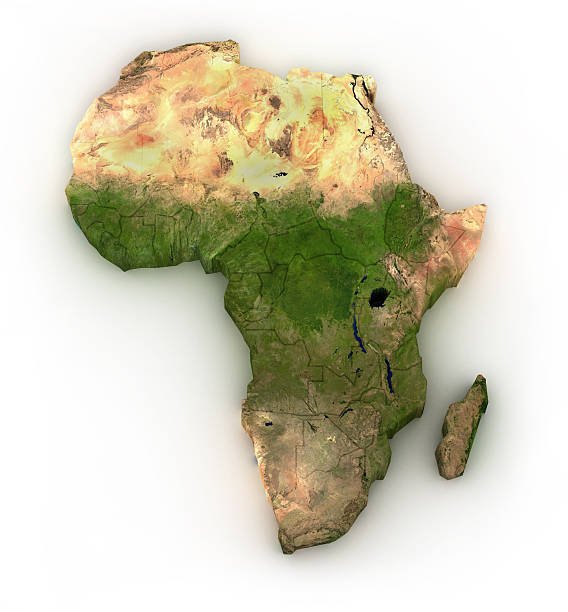
Africa is a continent of immense biodiversity, home to an extraordinary array of plants, many of which are revered as powerful herbs. Herbs found in Africa have been central to traditional medicine for millennia, offering natural remedies for a wide spectrum of ailments and contributing significantly to the cultural fabric of its diverse communities. These potent botanicals, often passed down through generations of traditional healers, represent a rich heritage of knowledge regarding natural wellness and ecological balance.
The Rich Tapestry of African Herbal Medicine
The practice of traditional African medicine (TAM) is deeply rooted in the continent's history and spiritual beliefs, utilizing an extensive pharmacopoeia of plants. This holistic approach recognizes the interconnectedness of mind, body, and spirit, with African medicinal plants playing a crucial role in healing rituals and daily health maintenance. The vast and varied ecosystems across Africa, from arid deserts to lush rainforests and savannahs, provide a unique environment for the evolution of thousands of distinct plant species, many of which possess significant medicinal properties.
Ethnobotanical studies consistently highlight the profound understanding that indigenous communities have of their local flora. This knowledge, accumulated over centuries, allows for the identification, harvesting, and preparation of specific healing herbs from Africa for targeted health benefits. While modern pharmaceuticals often focus on isolating active compounds, traditional African medicine typically uses whole plant extracts, believing in the synergistic effects of various components within the herb. This holistic perspective is a cornerstone of African traditional healing practices.
Key Herbs Found In Africa and Their Uses
The diversity of herbs found in Africa is staggering, with each region contributing its unique set of botanicals. Below are some of the most prominent and well-researched African herbs, known for their traditional uses and growing scientific interest.
Devil's Claw (Harpagophytum procumbens)
Native to the Kalahari Desert in Southern Africa, Devil's Claw is a remarkable herb renowned for its potent anti-inflammatory and analgesic properties. Traditionally, the tuberous roots of this plant have been used by indigenous San and Khoi people to treat a range of conditions, including arthritis, rheumatism, back pain, and digestive issues. Modern research supports its efficacy, particularly for joint pain and osteoarthritis, making it one of the most widely recognized African plant remedies globally. Its active compounds, harpagosides, are believed to be responsible for its therapeutic effects, offering a natural alternative for chronic pain management.
Rooibos (Aspalathus linearis)
Originating from the Cederberg region of South Africa, Rooibos, meaning "red bush," is a caffeine-free herbal tea celebrated for its high antioxidant content. Traditionally consumed by local communities for its soothing properties, it has gained international popularity as a healthy beverage. Rooibos is rich in unique antioxidants like aspalathin and nothofagin, which are associated with numerous health benefits, including cardiovascular support, improved digestion, and potential anti-cancer properties. It's often recommended for individuals seeking a natural way to reduce oxidative stress and inflammation, solidifying its place among beneficial African herbs for wellness.
Moringa (Moringa oleifera)
Often referred to as the "Miracle Tree," Moringa is widely cultivated across Africa, particularly in sub-Saharan regions, due to its incredible nutritional profile and adaptability. Virtually every part of the moringa tree – leaves, pods, flowers, and seeds – is edible and boasts a wealth of vitamins, minerals, proteins, and antioxidants. Traditionally, it has been used to combat malnutrition, purify water, and treat various ailments such as anaemia, arthritis, digestive problems, and skin conditions. As a true "superfood," moringa stands out as a powerful example of nutrient-rich African plants that offer comprehensive health support.
Aloe Vera (Aloe barbadensis miller)
While found globally, Aloe Vera has a strong historical presence and traditional use throughout Africa, where numerous species of the Aloe genus thrive. This succulent plant is instantly recognizable for its thick, fleshy leaves containing a clear gel. African communities have long utilized aloe vera for its remarkable healing properties, particularly for skin ailments like burns, wounds, and irritations. Internally, it has been used as a mild laxative and for digestive health. Its anti-inflammatory, antimicrobial, and moisturizing compounds make it a staple in both traditional and modern natural remedies, embodying the versatility of indigenous African plants.
African Potato (Hypoxis hemerocallidea)
The African Potato, though not a true potato, is a powerful medicinal plant native to South Africa. Its corms (underground stems) have been traditionally used to boost the immune system, particularly in the fight against infections and various chronic diseases, including HIV/AIDS in some traditional contexts. Research into its active compounds, particularly hypoxoside and its metabolite rooperol, suggests strong immunomodulatory and anti-inflammatory effects. This plant exemplifies the potent natural pharmaceuticals still being explored within African medicinal flora, offering hope for new therapeutic developments.
Bitter Leaf (Vernonia amygdalina)
Common across West and Central Africa, Bitter Leaf is a staple in both cuisine and traditional medicine. Its characteristic bitter taste reflects its potent medicinal properties. Traditionally, it is consumed as a vegetable or brewed into a tea to treat malaria, fever, diabetes, dysentery, and digestive issues. Scientific studies have shown its potential anti-malarial, anti-diabetic, anti-inflammatory, and antioxidant activities, validating many of its traditional uses. As one of the most ubiquitous common African herbs, its widespread use underscores its efficacy and cultural importance in daily life.
Sutherlandia (Sutherlandia frutescens)
Known affectionately as the "Cancer Bush" in South Africa, Sutherlandia is a highly revered traditional herb with a long history of use for a wide array of ailments. Indigenous communities have traditionally used it as an adaptogen to help the body cope with stress, as an immune booster, and to treat various diseases, including flu, fever, chickenpox, and even wasting diseases. Its potential anti-cancer properties are a subject of ongoing scientific investigation, and it is widely used to improve general health, appetite, and well-being, especially in patients with chronic illnesses. This makes it a significant contributor to the category of African herbs for immune support.
Scientific Validation and Modern Applications
The growing global interest in natural medicine has spurred significant scientific research into the efficacy and safety of African medicinal plants. Numerous studies are now validating the traditional uses of these herbs, identifying active compounds, and elucidating their mechanisms of action. This blend of ancient wisdom and modern science is crucial for harnessing the full potential of herbs found in Africa for a global audience.
For example, compounds from Devil's Claw are now incorporated into numerous pharmaceutical and nutraceutical products for joint health. Rooibos has found its way into mainstream supermarkets and health stores worldwide. This movement towards evidence-based traditional medicine not only provides scientific backing but also opens doors for sustainable development and ethical bioprospecting.
Challenges and Opportunities in Research
Despite the promise, challenges remain. There is a critical need for more funding for clinical trials, standardization of herbal preparations, and intellectual property protection for indigenous knowledge. Collaborations between traditional healers, ethnobotanists, pharmacologists, and local communities are vital. Such partnerships ensure that the benefits derived from African plant remedies are shared equitably, respecting the origins of this invaluable knowledge.
- Opportunity for new drug discovery: Many potent compounds remain undiscovered.
- Sustainable practices: Research can inform conservation efforts.
- Economic empowerment: Fair trade and local processing can benefit African communities.
Sustainability and Ethical Sourcing of African Herbs
The increasing demand for herbs found in Africa in global markets presents both an opportunity and a challenge. Sustainable harvesting practices are paramount to ensure that these invaluable resources are available for future generations. Over-harvesting, habitat destruction due to deforestation, and climate change pose significant threats to many wild populations of medicinal plants.
Ethical sourcing involves ensuring fair compensation for collectors and communities, supporting sustainable cultivation rather than wild harvesting where appropriate, and respecting indigenous intellectual property rights. Organizations and initiatives are working to establish certification schemes and promote responsible trade practices for African medicinal plants to prevent exploitation and ensure biodiversity conservation.
Community Involvement and Conservation Efforts
Local communities, with their deep-seated knowledge of African medicinal flora, are at the forefront of conservation efforts. Their involvement is crucial for:
- Knowledge Preservation: Documenting traditional uses before they are lost.
- Sustainable Cultivation: Developing methods for cultivating high-demand herbs.
- Habitat Protection: Protecting natural habitats where these plants thrive.
- Benefit Sharing: Ensuring that communities benefit from the commercialization of their traditional resources.
Through community-led initiatives and governmental support, efforts are being made to establish botanical gardens dedicated to medicinal plants, propagate endangered species, and educate younger generations about the importance of their herbal heritage.
How to Safely Incorporate African Herbs
While herbs found in Africa offer numerous health benefits, it is crucial to approach their use with caution and informed understanding.
- Consult a Healthcare Professional: Always seek advice from a qualified doctor or a reputable traditional healer, especially if you have pre-existing conditions or are taking other medications.
- Source Reputably: Purchase herbs from trusted suppliers who can verify the authenticity, purity, and ethical sourcing of their products. Look for quality certifications.
- Understand Dosage: Herbal remedies are potent. Adhere to recommended dosages and avoid self-medication with unknown quantities.
- Be Aware of Interactions: Some herbs can interact with prescription drugs, leading to adverse effects. Inform your healthcare provider about all herbs and supplements you are using.
- Start Small: When introducing a new herb, begin with a small dose to monitor your body's reaction.
Remember, natural does not always mean safe for everyone. The power of African plant remedies lies in their specific application and respect for their potency.
Conclusion
The continent of Africa is a living botanical treasure chest, offering a vast and invaluable pharmacopoeia of herbs. From the pain-relieving qualities of Devil's Claw to the nutritional bounty of Moringa and the antioxidant power of Rooibos, the herbs found in Africa represent a profound legacy of traditional knowledge and natural healing. As scientific research continues to validate ancient wisdom, and as global demand grows, it becomes increasingly vital to prioritize sustainable harvesting, ethical sourcing, and equitable benefit-sharing. By understanding, respecting, and responsibly utilizing these magnificent African medicinal plants, we can ensure their continued contribution to global health and preserve the rich herbal heritage of Africa for generations to come.
Enjoyed this read?
Share it with your friends and colleagues.