Which Country Has The Highest Hiv Aids Rate In Africa

BSC Insights Admin
October 01, 2026
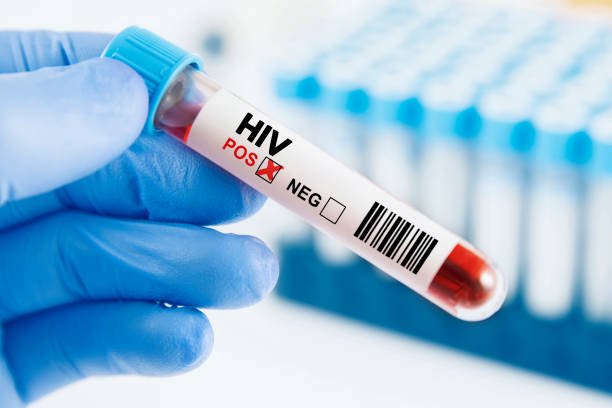
Identifying which country that has the highest HIV AIDS rate in Africa involves examining the prevalence percentages among the adult population, which currently places Eswatini at the top of the list. This Southern African nation has historically struggled with an adult prevalence rate exceeding 25 percent, making it a focal point for global health interventions and specialized epidemiological research. While the numbers remain high, the region has made incredible strides in providing antiretroviral therapy and reducing mother-to-child transmission over the last decade.
Understanding the distribution of this health crisis helps international organizations and local governments allocate resources where they are most needed. The following analysis explores the demographic landscape of the most affected nations to provide a clearer picture of the current situation.
These are the Countries that have the highest HIV AIDS rate in Africa
The epidemiological profile of the continent shows that the virus is most concentrated in the Southern African sub-region, where various socio-economic and historical factors have allowed it to spread more rapidly than in the North or West. While many of these nations have seen their life expectancy rates rebound due to the massive rollout of medication, the prevalence remains high because people are living longer with the virus. These statistics are typically measured by the percentage of adults aged 15 to 49 who are living with the condition, which gives a standardized view of the impact on the productive workforce. By looking at these specific nations, we can see a pattern of high-prevalence clusters that require sustained international support. Here is a detailed examination of the nations that currently record the most significant numbers in the region.
1. Eswatini
Eswatini is the definitive African country which has the highest HIV AIDS rate, with recent UNAIDS data indicating that approximately 27 percent of adults are living with the virus. This small, landlocked kingdom has faced a generational crisis that has reshaped its entire social structure and traditional family units. The government has responded with aggressive public health campaigns and has been successful in ensuring that nearly 95 percent of those diagnosed are on life-saving antiretroviral treatment. Despite the high prevalence, Eswatini has actually become a global success story in terms of viral suppression and the reduction of new infections among young women. The high percentage today is partly a result of successful treatment programs that allow people to live long, healthy lives, thereby keeping the prevalence numbers high even as death rates plummet. Local community leaders and the royal family have played a significant role in reducing the stigma associated with the condition, which was once a major barrier to testing and care.
2. Lesotho
Lesotho follows closely as a primary country in Africa has the highest HIV AIDS rate, with a prevalence of roughly 21 percent among its adult population. The nation's geography, characterized by high mountains and remote villages, presents unique challenges for the delivery of healthcare services to its citizens. Many men in Lesotho work as migrant laborers in the mines of neighboring South Africa, a historical pattern that has contributed significantly to the spread of the virus across porous borders. The government has prioritized integrated health services, where patients can receive testing and treatment for both tuberculosis and the virus at the same time. International partners like PEPFAR have invested heavily in Lesotho to improve the cold-chain logistics for medication and to train local nurses. The resilience of the Basotho people is evident in their high rates of testing and the growing number of men who are now participating in prevention programs. Educational initiatives in schools have also been instrumental in teaching the younger generation about protection and the importance of regular health check-ups.
3. Botswana
Botswana is a significant African country which has the highest HIV AIDS rate concerns, but it was also the first nation on the continent to provide free antiretroviral medication to all its citizens. Currently, about 20 percent of the adult population is living with the virus, a figure that has remained stable as the nation focuses on the "Treat All" strategy. Botswana’s success is largely attributed to its strong political will and the effective management of its diamond-driven economy to fund the national health system. The nation has recently achieved the 95-95-95 goals, meaning 95 percent of people know their status, 95 percent of those are on treatment, and 95 percent of those have a suppressed viral load. This remarkable achievement has turned Botswana into a laboratory for best practices in global health, attracting researchers from all over the world. The country is also a leader in preventing mother-to-child transmission, with rates now hovering near zero percent in many districts. This progress shows that high prevalence does not have to mean a high death rate when managed with transparency and fiscal discipline.
4. South Africa
South Africa has the largest absolute number of people living with the virus in the world, with over 7.8 million individuals, representing about 19 percent of its adult population. As a major country in Africa has the highest HIV AIDS rate by volume, it operates the world's most extensive public antiretroviral program, which is almost entirely funded by the national treasury. The history of the epidemic in South Africa is complex, involving years of initial denialism followed by a massive and successful scientific mobilization in the late 2000s. Today, the country has made significant strides in reducing new infections, particularly in high-risk areas like KwaZulu-Natal. The challenge remains the high rate of infection among adolescent girls and young women, who are disproportionately affected due to social and economic disparities. South Africa’s sophisticated laboratory infrastructure and research universities have allowed it to lead the way in vaccine trials and new prevention technologies like injectable PrEP. The integration of traditional healers into the formal health referral system has also helped in reaching people in more traditional rural settings.
5. Zimbabwe
Zimbabwe has seen a dramatic turnaround in its health statistics, although it still maintains a prevalence rate of approximately 12 percent. This nation was once among the most heavily affected in the 1990s, but it has since become a leader in behavioral change communication and the promotion of male circumcision as a prevention tool. Despite the economic hurdles the country has faced, the commitment to public health has remained a priority for the Ministry of Health and Child Care. Zimbabwe has successfully decentralized its treatment centers, making it easier for people in rural provinces to access their monthly medication without traveling to Harare. The use of "community-led monitoring" has allowed the government to identify gaps in service delivery and address them in real-time. Zimbabwean health workers are highly regarded across the region for their expertise and dedication, often serving as the backbone of the national response. The nation is currently focusing on reaching marginalized groups and ensuring that the most vulnerable populations are not left behind in the quest for an AIDS-free generation.
6. Namibia
Namibia records an adult prevalence rate of about 11 percent, with the epidemic being highly concentrated in the northern regions and urban centers like Windhoek. As a sparsely populated African countries that have the highest HIV AIDS rate, Namibia faces the logistical task of ensuring that medication reaches people living in very remote desert areas. The government has been very proactive in using mobile clinics and community health workers to bridge the gap between the clinics and the people. Namibia has also made significant progress in reducing the gap between men and women in terms of treatment access, which has been a major hurdle in other Southern African nations. The national strategy emphasizes the "Blue Dot" program, which provides youth-friendly services to encourage the younger population to stay informed and protected. Namibia’s stable political environment and its high literacy rate have facilitated the spread of accurate health information across the country. The nation’s focus on the "last mile" of service delivery is considered a model for other countries with similar geographic challenges.
7. Zambia
Zambia possesses a prevalence rate of roughly 11 percent, and the virus has had a profound impact on the nation’s copper-mining and agricultural sectors. The Zambian government has worked closely with international donors to build a robust supply chain for medication, ensuring that stock-outs are a rare occurrence. In cities like Lusaka and Ndola, the "DREAMS" initiative has been particularly successful in empowering young women to stay in school and protect their health. Zambia is also one of the countries in Africa that have the highest HIV AIDS rate issues regarding pediatric care, and it has responded by training more specialized pediatric nurses. The involvement of religious organizations in the national response has helped to combat the "faith-healing" narratives that sometimes discouraged people from taking their medication. Efforts are now being shifted toward reaching the "unreached" populations in the swampy regions of the north and the arid west. Zambia’s commitment to self-funded health initiatives is growing as it seeks to reduce its reliance on international aid for its long-term health goals.
8. Mozambique
Mozambique faces an adult prevalence rate of about 12 percent, with significant regional variations between the north and the south. The southern provinces, which are closer to the high-prevalence zones of South Africa and Eswatini, record much higher numbers than the northern forest regions. Mozambique’s health system has been tested by multiple natural disasters, including cyclones and floods, which often disrupt the distribution of medication and health services. Despite these challenges, the government has implemented a "Community Adherence and Support" model that allows groups of patients to take turns picking up medication for one another. This system reduces the time and cost for patients and ensures that adherence remains high even in difficult times. The rise of an insurgency in the northern Cabo Delgado province has created a new group of internally displaced people who require specialized mobile health support. Mozambique remains a critical partner for regional health security, as its transit corridors are vital for the movement of people and goods across the continent.
9. Malawi
Malawi has a prevalence rate of approximately 8 percent, which is lower than its southern neighbors but still places it among the African countries that have the highest HIV AIDS rate. The nation is famous for the "Option B+" strategy, a pioneering protocol where all pregnant women living with the virus are started on life-long treatment regardless of their immune system strength. This approach, which started in Malawi, has now been adopted globally by the World Health Organization and has saved millions of children from being born with the virus. Malawi’s response is characterized by a strong sense of community and the use of "village health committees" to manage the local health response. The country faces the challenge of extreme poverty, which can sometimes make it difficult for patients to maintain a nutritious diet required for optimal treatment outcomes. However, the government’s integration of health services with food security programs is helping to address this issue. Malawi’s success in reducing its prevalence from over 15 percent in the early 2000s to the current levels is a testament to the power of innovative public health strategies.
10. Equatorial Guinea
Equatorial Guinea is one of the few nations in Central Africa that appears on the list of African countries that have the highest HIV AIDS rate, with a prevalence of about 7 percent. While this number is lower than the Southern African nations, it is significantly higher than the average for its immediate neighbors like Gabon or Cameroon. The country’s rapid economic growth due to oil wealth has led to increased migration and urbanization, which are often drivers for the spread of the virus. Equatorial Guinea has invested in modern hospital infrastructure in the capital, Malabo, but the rural areas still lag behind in terms of testing and treatment availability. The government is working to improve its data collection systems to better understand the specific drivers of the epidemic within its borders. There is an increasing focus on addressing the cultural barriers to condom use and the need for more comprehensive sexuality education in schools. As the nation diversifies its economy, the health of its workforce remains a critical pillar of its long-term development strategy.
| Country Name | Prevalence Rate (%) | Status of 95-95-95 Goals | Primary Prevention Focus |
|---|---|---|---|
| Eswatini | 26.8% | Achieved | Viral Suppression |
| Lesotho | 20.9% | On Track | Migrant Labor Support |
| Botswana | 19.9% | Achieved | Mother-to-Child (PMTCT) |
| South Africa | 18.8% | On Track | Adolescent Girls & Women |
| Zimbabwe | 11.6% | On Track | Behavioral Change |
| Zambia | 11.1% | On Track | Supply Chain Stability |
Reasons Why These Countries Have Highest HIV AIDS Rate in Africa
1. Historical Migrant Labor Systems: One of the primary reasons why these countries in Africa that have the highest HIV AIDS rate are clustered in the south is the legacy of the mining industry. For over a century, men from across the region have traveled to South African mines, living in single-sex hostels for months at a time away from their families. This movement of people created high-risk environments for the transmission of the virus, which was then carried back to rural villages in Lesotho, Malawi, and Eswatini. This circular migration pattern acted as a "bridge" that allowed the virus to spread rapidly across vast distances before effective treatments were available.
2. Socio-Economic Disparities and Poverty: The African countries that have the highest HIV AIDS rate often exhibit high levels of income inequality, which forces many women into transactional relationships for survival. In many communities, the lack of formal job opportunities for young women makes them vulnerable to "sugar daddy" cultures where older men provide financial support in exchange for intimacy. Poverty also affects a person's ability to maintain a healthy diet and travel to distant clinics for regular check-ups. When the struggle for daily bread takes precedence over long-term health, the virus can spread undetected within the community.
3. Deeply Entrenched Gender Inequality: In several of the most affected nations, traditional patriarchal structures limit the ability of women to negotiate for safe practices or to seek medical care without their partner's permission. This strong gender imbalance means that even when women are well-informed about the risks, they may not have the social power to protect themselves. High rates of gender-based violence in the region also contribute to the spread of the virus, as trauma and physical force are significant risk factors for transmission. National programs are increasingly focusing on "engaging men" to change these harmful social norms and promote shared responsibility for family health.
4. Biological and Viral Factors: Research has shown that the specific strain of the virus most common in Southern Africa, HIV-1 Subtype C, may be more easily transmitted than strains found in other parts of the world. Additionally, the high prevalence of other untreated infections, such as tuberculosis and various parasitic diseases, can weaken the immune system and make individuals more susceptible to contracting the virus. This biological "synergy" means that once the virus reaches a certain threshold in a population, it becomes much harder to contain without comprehensive and multi-pronged health interventions. The high rate of concurrent sexual partnerships in some cultures also accelerates the "network effect" of transmission.
5. Initial Delays in Government Response: Some of the countries in Africa that have the highest HIV AIDS rate today suffered from a lack of political leadership during the critical early years of the epidemic. In South Africa, for instance, the period of "AIDS denialism" in the early 2000s delayed the rollout of medication to millions of people, allowing the virus to become deeply embedded in the social fabric. While those policies have long been reversed, the initial failure to act decisively created a massive "backlog" of infections that the current health systems are still managing. This historical context is essential for understanding why prevalence remains high even as current policies are world-class.
6. Success of Antiretroviral Programs: Paradoxically, one of the reasons the prevalence remains high in an African country which has the highest HIV AIDS rate is the incredible success of modern medicine. In years past, a high prevalence rate would naturally drop as people died from the condition, but today, people in Botswana and Eswatini are living to old age. Because people are not dying and yet new infections are still occurring (albeit at a lower rate), the total pool of people living with the virus continues to grow. This is actually a sign of a "maturing" epidemic where the focus has shifted from managing a death crisis to managing a chronic, long-term health condition.
Conclusion
In summary, while several nations face significant health challenges, Eswatini remains the specific which country that has the highest HIV AIDS rate in Africa with a prevalence of over 25 percent. The situation in Southern Africa is a complex result of history, economics, and biology, yet it is also a region where the world has seen the most remarkable progress in public health. Nations like Botswana and South Africa have proven that even the most severe epidemics can be stabilized through scientific innovation and political courage. As the continent continues to move toward its 2030 goals, the focus remains on empowering the youth and eliminating the stigma that still surrounds the virus. Ultimately, the country in Africa has the highest HIV AIDS rate today is also the one that is providing the blueprint for how the rest of the world can manage and eventually overcome this global health crisis.
Enjoyed this read?
Share it with your friends and colleagues.