Historical Sites And Monuments Found In Africa

BSC Insights Admin
September 30, 2026
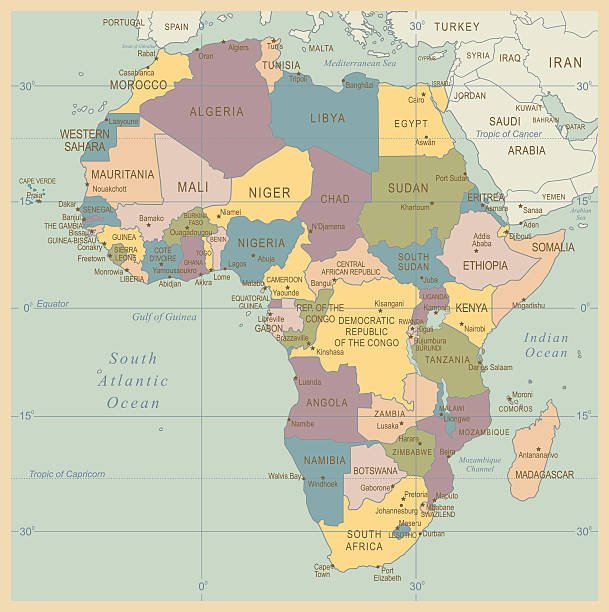
Africa, a continent rich in diverse cultures and ancient civilizations, boasts an unparalleled collection of historical sites and monuments that tell stories spanning millennia. From the towering pyramids of Egypt to the ancient rock-hewn churches of Ethiopia and the poignant memorials of South Africa, these landmarks serve as powerful testaments to human ingenuity, artistic expression, and enduring struggles. Exploring these sites offers a profound journey into the continent's past, revealing its significant contributions to global history and heritage.
The Cradle of Civilization: North Africa's Ancient Wonders
North Africa is arguably home to some of the world's most iconic and universally recognized historical sites. Its close proximity to the Middle East and Europe has meant a vibrant exchange of cultures and civilizations, leaving behind an astonishing array of architectural and archaeological treasures.
Egypt: Land of Pharaohs and Pyramids
No discussion of Africa's historical sites is complete without acknowledging Egypt. The country is a treasure trove of ancient marvels that continue to captivate historians and travelers alike. The Pyramids of Giza, including the Great Pyramid of Khufu, Khafre, and Menkaure, along with the enigmatic Great Sphinx, stand as the oldest of the Seven Wonders of the Ancient World and the only one largely intact. These monumental structures, built as tombs for pharaohs, symbolize the immense power and sophisticated engineering of ancient Egyptian civilization.
- Karnak Temple Complex: Located in Luxor, this vast open-air museum is a sprawling collection of temples, chapels, pylons, and other buildings, primarily dedicated to the Theban Triad.
- Valley of the Kings: Also near Luxor, this valley houses rock-cut tombs for pharaohs and powerful nobles of the New Kingdom, including the famous tomb of Tutankhamun.
- Abu Simbel Temples: Carved into the mountainside in southern Egypt, these two massive rock temples, built by Pharaoh Ramesses II, are masterpieces of ancient Egyptian architecture, particularly known for their dramatic rescue from rising waters due to the Aswan Dam.
These sites offer an unparalleled glimpse into the daily life, religious beliefs, and artistic achievements of one of the world's most enduring civilizations, making them essential historical monuments in Africa.
Tunisia: Echoes of Carthage and Roman Splendor
Further west, Tunisia offers a rich tapestry of Phoenician, Roman, and Islamic heritage. The ancient city of Carthage, a powerful maritime empire that rivaled Rome, now exists as a UNESCO World Heritage site featuring impressive ruins, including Roman baths, villas, and a large amphitheater. Another significant site is the Amphitheatre of El Jem, a colossal Roman amphitheater that is among the best-preserved Roman ruins in Africa, showcasing the grandeur of the Roman Empire on the continent.
Morocco: Imperial Cities and Kasbahs
Morocco's history is best explored through its imperial cities and ancient fortifications. The city of Fes, particularly its Medina (Fes el-Bali), is a living medieval city, a UNESCO site with narrow alleys, vibrant souks, and historic madrassas like the Bou Inania. The fortified village of Aït Benhaddou, a spectacular example of a ksar (fortified village) in the Ounila Valley, is another UNESCO site renowned for its earthen architecture and role as a traditional pre-Saharan habitat.
East Africa: The Cradle of Humanity and Ancient Kingdoms
East Africa holds immense significance as the cradle of humanity, with numerous archaeological discoveries tracing early human origins. It also boasts a rich history of powerful kingdoms, bustling trade routes, and unique cultural expressions.
Ethiopia: The Land of Rock-Hewn Churches and Ancient Kingdoms
Ethiopia's historical narrative is deeply intertwined with its ancient Christian heritage and powerful kingdoms. The eleven monolithic, rock-hewn churches of Lalibela, carved out of living rock in the 12th century, are a breathtaking feat of engineering and devotion, representing a "New Jerusalem." These churches are a UNESCO World Heritage site and remain active places of worship, making them vital African historical sites.
Further north, the ancient city of Aksum served as the heart of the Aksumite Kingdom, one of the most powerful empires between the 1st and 7th centuries AD. Its archaeological park includes obelisks, stelae, royal tombs, and the ruins of ancient castles, offering insights into a sophisticated African civilization that traded with Rome and Persia.
Tanzania: Swahili Coast History and Stone Town
Along the Swahili Coast, Tanzania offers sites that reflect centuries of trade and cultural exchange. The Ruins of Kilwa Kisiwani and Songo Mnara are remnants of two great Swahili trading ports from the 13th to 16th centuries, playing a crucial role in the gold, ivory, and slave trade. The architecture, including mosques, palaces, and domestic structures, reflects a unique blend of African and Islamic influences.
Stone Town of Zanzibar, a UNESCO World Heritage site, is another remarkable example of a Swahili trading town. Its labyrinthine alleys, coral stone houses, ornate doorways, and bustling markets tell stories of Arab, Persian, Indian, and European influences, making it one of the most vibrant historical places in Africa.
Southern Africa: Empires, Colonial Legacies, and Human Origins
Southern Africa's historical sites encompass ancient kingdoms, the complex legacy of colonialism, and profound insights into human evolution.
Zimbabwe: The Great Zimbabwe Ruins
The majestic stone ruins of Great Zimbabwe stand as a powerful symbol of an indigenous African civilization. This ancient city, constructed between the 11th and 15th centuries, was the capital of a powerful kingdom and a major trading center. Its impressive dry-stone walls, including the Great Enclosure and the Conical Tower, demonstrate advanced architectural skills and social organization, making it one of Africa's most significant historical monuments.
South Africa: Apartheid's Legacy and Early Human History
South Africa's history is marked by both ancient human origins and the struggles against apartheid. Robben Island, a UNESCO World Heritage site off the coast of Cape Town, is a poignant symbol of the triumph of the human spirit over adversity. It served as a prison for political prisoners, most notably Nelson Mandela, during the apartheid era. A visit here offers powerful lessons on democracy and human rights.
The Cradle of Humankind, another UNESCO site northwest of Johannesburg, is one of the world's most important paleontological sites. It comprises a group of limestone caves, including Sterkfontein, Swartkrans, and Kromdraai, where numerous hominid fossils have been discovered, pushing back the timeline of human evolution and solidifying Africa's role as the birthplace of humanity.
West Africa: Empires of Gold and Resilience
West Africa was home to powerful medieval empires that controlled vast trade networks and developed sophisticated urban centers. Its coastal regions also bear the indelible marks of the transatlantic slave trade.
Mali: Timbuktu and Djenné
Mali's ancient cities are synonymous with scholarship, trade, and architectural ingenuity. Timbuktu, once a thriving center of Islamic scholarship and trade on the Trans-Saharan route, is famous for its three ancient mosques (Djinguereber, Sankore, and Sidi Yahia) and numerous libraries containing priceless manuscripts. It stands as a testament to Africa's intellectual contributions.
The Old Towns of Djenné, renowned for their distinctive earthen architecture, especially the Great Mosque of Djenné (the largest mud-brick building in the world), represent one of the most significant archaeological sites in sub-Saharan Africa. These sites exemplify the unique mud-building traditions of the region and are crucial historical places in Africa.
Ghana: Slave Castles and Colonial Forts
Along Ghana's coast, the forts and castles of Volta, Greater Accra, Central and Western Regions stand as stark reminders of the transatlantic slave trade. Sites like Elmina Castle and Cape Coast Castle, built by European powers, served as trading posts for gold, ivory, and tragically, enslaved Africans. These fortresses are UNESCO World Heritage sites and offer a powerful, somber experience, highlighting a dark chapter in global history and the resilience of the African people.
Central Africa: Unveiling Hidden Histories
While perhaps less known for grand architectural monuments compared to other regions, Central Africa holds immense historical and archaeological significance, often characterized by ancient settlements, rock art, and cultural landscapes that speak to long-standing human presence and interaction with diverse environments.
Gabon: Lopé-Okanda Ecosystem and Relict Cultural Landscape
The Lopé-Okanda Ecosystem and Relict Cultural Landscape in Gabon is a UNESCO World Heritage site that provides critical insights into the region's past. While celebrated for its natural biodiversity, the site also contains archaeological evidence of ancient human occupation, including thousands of rock carvings and remnants of Stone Age and Iron Age settlements. This landscape showcases the transition between savanna and forest ecosystems and the cultural practices of early inhabitants, making it a unique historical site in Africa reflecting human-environment interaction over millennia.
Other regions in Central Africa, such as the Republic of Congo and the Democratic Republic of Congo, are rich in oral histories, ancient village sites, and artifacts related to powerful kingdoms like the Kongo Kingdom, whose influence spanned vast territories. While monumental architecture is less common, the region's historical significance lies in its profound cultural heritage and archaeological potential.
Preserving Africa's Priceless Heritage
The preservation of these historical sites and monuments found in Africa is paramount. Organizations like UNESCO play a crucial role in identifying, protecting, and promoting these cultural treasures. However, challenges such as climate change, urbanization, looting, and inadequate funding threaten their existence. Efforts by local communities, national governments, and international bodies are essential to ensure these legacies endure for future generations, fostering a deeper understanding of human history.
Maintaining the integrity of these sites not only safeguards physical structures but also protects the intangible heritage associated with them – the stories, traditions, and spiritual significance that make them truly unique.
Planning Your Exploration of African Historical Sites
For those eager to discover Africa's rich past, a journey through its historical sites is an unforgettable experience. Here are some tips:
- Research Thoroughly: Understand the historical context and cultural significance of the sites you plan to visit.
- Respect Local Customs: Many sites are sacred or hold deep cultural value. Dress appropriately and follow local guidelines.
- Hire Knowledgeable Guides: Local guides often provide invaluable insights and stories that enhance the experience.
- Consider Sustainable Tourism: Support initiatives that contribute to the conservation of these sites and benefit local communities.
- Prioritize Safety and Logistics: Check travel advisories, visa requirements, and transportation options well in advance.
Visiting these sites is more than just sightseeing; it's an opportunity to connect with ancient civilizations and witness the enduring spirit of the African continent.
Conclusion: A Continent of Enduring History
Africa's historical sites and monuments offer an astonishing journey through human civilization, from the dawn of humanity to powerful empires and modern struggles for freedom. These irreplaceable treasures, including the majestic Egyptian pyramids, the awe-inspiring rock-hewn churches of Lalibela, the enigmatic walls of Great Zimbabwe, and the poignant reminders of Robben Island, are not merely relics of the past but living classrooms that teach us about our shared human story. Their preservation is a collective responsibility, ensuring that Africa's profound historical narrative continues to inspire and educate the world for centuries to come.
Enjoyed this read?
Share it with your friends and colleagues.