Horses Found In Africa

BSC Insights Admin
October 27, 2026
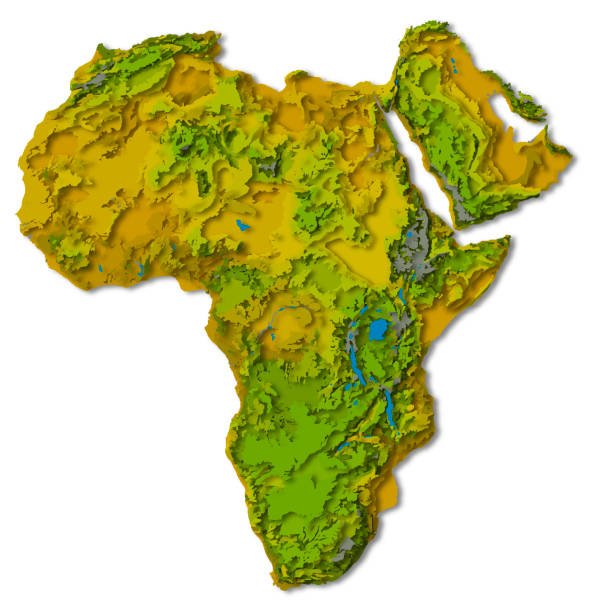
Yes, horses are indeed found in Africa, and their presence on the continent dates back thousands of years, far from being an anomaly. Often overlooked in popular discourse, the history of African horses is rich and varied, encompassing everything from ancient cavalry to unique indigenous breeds and modern equestrian sports. While some might associate equids primarily with other continents, Africa boasts a significant and historically deep connection with these majestic animals, impacting its cultures, economies, and landscapes.
This comprehensive guide delves into the fascinating world of horses across Africa, exploring their historical journey, the distinct breeds that have evolved, their multifaceted roles in societies, and the challenges and triumphs of their conservation. From the legendary Barb horse of North Africa to the resilient Basotho Pony of the south, we will uncover the enduring legacy and dynamic future of horses found in Africa, providing expert insights into their significance.
The Historical Journey of Horses in Africa
The story of horses in Africa is as ancient and complex as the continent itself, predating European colonization by millennia. Evidence suggests that horses were domesticated in Asia and Europe, but they arrived in North Africa as early as 2000 BCE, primarily through migration and trade routes connecting the Middle East to ancient Egypt.
Early Introduction and Spread
Ancient Egypt played a pivotal role in the early integration of horses. Introduced by the Hyksos during their rule (c. 1650–1550 BCE), horses quickly became indispensable for warfare, pulling chariots, and later for riding. Their utility ensured their spread westwards across the North African littoral and, albeit more slowly, southwards into the Sahara and beyond through trade and conquest.
- Ancient Egypt: Horses were crucial for military might, symbolized power and prestige.
- Phoenicians and Romans: Further solidified the presence of horses along the Mediterranean coast, bringing in new bloodlines and equestrian practices.
- Berber and Tuareg Tribes: These nomadic groups adopted horses extensively, developing skilled horsemanship and using them for raiding, travel, and cultural display across vast desert territories.
The Sahara Desert, once greener and more traversable, facilitated some early southward movements. However, the subsequent desertification and the prevalence of diseases like Trypanosomiasis (sleeping sickness) carried by tsetse flies in sub-Saharan regions created natural barriers, limiting the widespread distribution of horses in certain areas for centuries. Despite these obstacles, resilient horse populations adapted and thrived in various pockets of the continent, giving rise to unique African horse breeds.
Distinct African Horse Breeds and Their Adaptations
Africa is home to several distinct horse breeds, each a testament to centuries of adaptation to diverse climates, terrains, and human needs. These native African horse breeds showcase remarkable resilience and versatility.
North African Breeds
The Barb Horse
Perhaps the most famous and influential of all African horse breeds is the Barb horse. Originating from North Africa, particularly the Maghreb region (Morocco, Algeria, Tunisia, Libya), the Barb is an ancient breed known for its stamina, hardiness, and fiery spirit. It is characterized by:
- Physicality: Compact build, strong legs, often a slightly sloping croup, and a powerful, agile frame.
- Temperament: Intelligent, courageous, and known for its endurance, making it excellent for long-distance travel and warfare.
- Historical Impact: The Barb played a significant role in the development of many European breeds, including the Iberian horses (Andalusian, Lusitano) and, consequently, American Quarter Horses and even the Thoroughbred.
Other North African Influences
Beyond the pure Barb, various regional strains and crosses exist, influenced by Arab horses brought during the Islamic conquests, contributing to the rich genetic diversity of horses across the North African plain.
West African Breeds
West Africa hosts several lesser-known but equally significant breeds, adapted to its specific climates and agricultural practices. These include:
- Foutanké: A light, agile horse from Senegal and Mali, used for riding and light agricultural work. It's often a cross between the Barb and local ponies.
- M'Par: Found in Mali, known for its small size but great strength and endurance, vital for transport in challenging terrains.
- Domi: A sturdy, often bay-colored horse from Niger and Nigeria, used for farming and transport.
East and Southern African Breeds
Further south, different environmental pressures and cultural needs have shaped unique equine populations.
Basotho Pony
Originating in Lesotho, the Basotho Pony is a legendary breed renowned for its incredible sure-footedness and stamina in mountainous terrain. Developed by the Basotho people:
- Adaptations: Small, muscular, with strong legs and hooves, perfectly suited for navigating the rugged Drakensberg Mountains.
- Historical Role: Crucial for transport, communication, and warfare during the 19th-century conflicts, earning a fearsome reputation.
Abyssinian Horse
From Ethiopia, the Abyssinian horse is a small, hardy mountain pony, valued for its endurance and ability to work in highland conditions. They are integral to local agriculture and transport.
Nooitgedacht Pony
A more recently developed breed from South Africa, the Nooitgedacht Pony was specifically bred from the Basotho Pony to be disease-resistant and well-adapted to the South African veld, combining strength, stamina, and good temperament.
The Multifaceted Role of Horses in African Societies
Throughout history and into the present day, equids in Africa have played diverse and indispensable roles, deeply woven into the fabric of human societies across the continent.
Agriculture and Transport
In many rural areas, horses remain a vital tool for agriculture and transportation. They are used for:
- Ploughing and harrowing: Essential for crop cultivation, especially in regions where mechanized farming is not feasible.
- Hauling goods: Transporting produce, water, and building materials to and from markets or villages.
- Riding: Providing a swift and efficient means of personal transport over long distances, particularly in areas with poor road infrastructure.
Warfare and Policing
Historically, horses were paramount in African warfare, from the chariots of ancient Egypt to the cavalry of numerous empires and kingdoms. The Barb horse, in particular, was famous for its prowess in battle. Today, horses still serve in a policing capacity, especially for crowd control and patrols in challenging urban or rural environments in several African nations.
Sport, Recreation, and Tourism
Equestrianism is a growing sector across Africa. Polo, show jumping, dressage, and endurance riding are popular sports, with African riders and teams competing internationally. Furthermore, horse safaris in Africa have become a significant draw for tourists, offering a unique way to experience the continent's wildlife and landscapes, contributing to local economies and conservation efforts.
Cultural Significance and Ceremonies
Horses hold deep cultural and symbolic meaning in many African societies. They are often associated with wealth, prestige, power, and courage. In various festivals, ceremonies, and traditional displays, horses are adorned and paraded, reflecting their integral place in the community's heritage. The vibrant Fantasia in North Africa, a traditional equestrian performance, is a prime example of this profound cultural connection.
Wild and Feral Horses in Africa
While most horses in Africa are domesticated, there are notable populations of feral horses that have captured the imagination of researchers and the public alike. The most famous example is the Namib Desert horses.
The Namib Desert Horses
These remarkable horses roam the harsh, arid landscapes of the Namib Desert in Namibia. Their origins are debated but most likely trace back to abandoned or escaped cavalry horses from early 20th-century conflicts or from a diamond mine. What makes them unique is their ability to survive and thrive in one of the world's most extreme environments, often traveling vast distances to find scarce water and forage. They are a true testament to equine adaptability.
- Survival Strategy: Known for their minimal water consumption and efficient foraging habits.
- Genetic Uniqueness: Studies suggest they are a distinct, isolated population.
- Conservation Status: Monitored closely due to their unique genetic makeup and the challenges of their harsh habitat.
Other smaller feral populations exist in various countries, often descendants of abandoned working animals, contributing to the diverse tapestry of wild horses Africa has to offer, each with its own survival story.
Challenges and Conservation of African Horses
Despite their resilience and historical importance, horses in Africa face numerous challenges that require dedicated conservation efforts.
Disease Management
One of the most significant threats is disease, particularly African Horse Sickness (AHS). This viral disease, transmitted by midges, is highly fatal and endemic to many parts of sub-Saharan Africa. Controlling AHS requires vaccination programs, vector control, and strict biosecurity measures, posing ongoing challenges for horse owners and authorities.
Climate Change and Resource Scarcity
Climate change exacerbates existing problems such as drought and desertification, leading to:
- Water scarcity: Critical for survival, especially for feral populations.
- Forage depletion: Reduced grazing land impacts the health and numbers of horse populations.
- Increased competition: Horses may compete with livestock and wildlife for dwindling resources.
Habitat Loss and Human-Wildlife Conflict
As human populations expand, natural habitats shrink, leading to increased human-horse conflict, especially where feral herds graze near agricultural lands. The encroachment of development can also disrupt traditional migratory routes or grazing areas for wild and semi-wild populations.
Conservation Efforts and Sustainable Practices
Various organizations and local communities are actively working to protect African horse breeds and promote sustainable horsekeeping. These efforts include:
- Breed registries: Documenting and preserving the genetic integrity of specific breeds like the Barb and Basotho Pony.
- Veterinary support: Providing vaccinations, deworming, and general healthcare to working horses.
- Community engagement: Educating horse owners on best practices for welfare and management.
- Protected areas: Designating areas for feral horse populations, such as the Garub Pan for the Namib Desert horses.
These initiatives are crucial for ensuring the long-term survival and well-being of African horses, recognizing their ecological, cultural, and economic value.
Modern Horsekeeping and Equestrianism in Africa
The modern era has seen a resurgence and diversification of horse ownership and equestrian activities across Africa. From professional sports to therapeutic riding, horses continue to forge new paths and contribute significantly to various sectors.
Growth of Equestrian Sports
Equestrian sports are flourishing in many African countries. South Africa, for instance, has a strong tradition in horse racing and show jumping, producing world-class athletes. Countries like Morocco, Egypt, and Kenya also have active equestrian communities and host international competitions. The popularity of these sports contributes to the growth of related industries, including breeding, training, and veterinary services.
Therapeutic and Educational Programs
Beyond competitive sports, horses are increasingly utilized in therapeutic riding programs for individuals with physical or cognitive disabilities. Equine-assisted learning and therapy programs are also gaining traction, leveraging the unique bond between humans and horses to promote emotional well-being and personal development. These programs highlight the profound positive impact African horses can have on human lives.
Economic Contributions
The equestrian sector, encompassing everything from breeding and sales to tourism and related services, represents a substantial economic contribution in several African nations. Horse safaris, as mentioned earlier, draw significant tourist revenue. Local economies benefit from the employment generated by stables, farriers, feed suppliers, and event organizers. This economic activity underscores the importance of supporting and investing in the continent's equine industry.
Conclusion
In conclusion, the assertion that horses are found in Africa is not just true, but it also reveals a captivating and enduring narrative. From their ancient introduction by the Hyksos and their pivotal role in Egyptian chariots, to the development of resilient native breeds like the Barb and the Basotho Pony, horses have indelibly shaped the continent's history, culture, and economy. They continue to serve vital functions in agriculture, transport, sport, and hold deep cultural significance. While facing contemporary challenges such as disease and climate change, dedicated conservation efforts and the growing appreciation for equestrianism ensure that the legacy of African horses will persist. Their presence is a testament to their remarkable adaptability and the profound bond shared between humans and these magnificent animals across the diverse landscapes of Africa.
Enjoyed this read?
Share it with your friends and colleagues.