How Africa Became Black

BSC Insights Admin
September 30, 2026
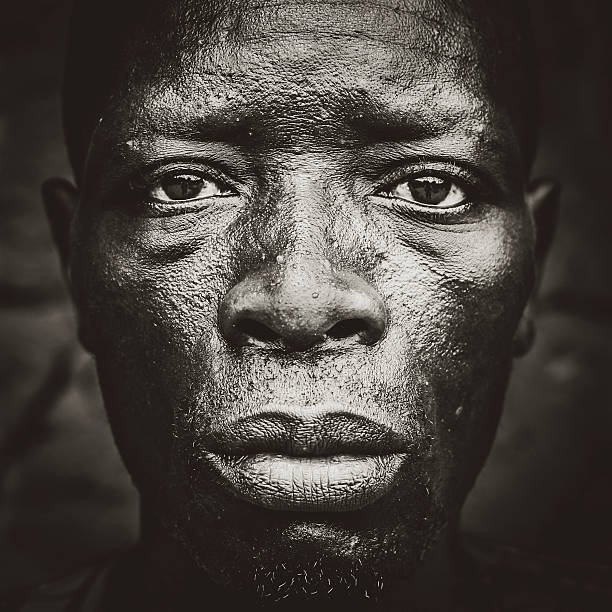
The question of how Africa became Black is fundamentally about understanding human evolution, genetic adaptation, and environmental pressures, particularly the intense ultraviolet (UV) radiation prevalent across much of the continent. The development of darker skin tones in African populations is a remarkable example of natural selection, where melanin-rich skin evolved as a crucial protective mechanism against the damaging effects of the sun, safeguarding the health and reproductive success of early humans. This evolutionary journey explains the predominant darker complexions seen across the vast majority of the African continent today.
The Evolutionary Imperative: UV Radiation and Melanin
For millions of years, the ancestors of modern humans lived in Africa, a continent largely characterized by high levels of solar radiation, especially near the equator. This constant exposure to intense ultraviolet light presented both challenges and opportunities for early human survival, driving the skin color evolution we observe.
The Role of UV Radiation
UV radiation, while essential for vitamin D synthesis, can be incredibly detrimental in excessive amounts. Its adverse effects on human biology include:
- Damage to DNA in skin cells, leading to mutations that can result in various forms of skin cancers.
- Breakdown of folate (folic acid), a vital B vitamin necessary for DNA synthesis, cell repair, and particularly crucial for reproduction and healthy embryonic development.
- Causing painful sunburns, which compromise skin integrity, increase susceptibility to infection, and impair an individual's ability to forage or hunt.
Given these significant risks, early human populations in Africa, which had lost most of their ancestral body hair, needed an effective natural sunscreen. This intense environmental pressure led directly to the development of highly melanated skin as a key evolutionary adaptation.
Melanin: Nature's Ultimate Sunscreen
Melanin is the pigment responsible for skin, hair, and eye color. It is produced by specialized cells called melanocytes, located in the epidermis (the outer layer of the skin). There are two primary types of melanin, each with distinct properties:
- Eumelanin: This type provides black and brown pigments and is highly efficient at absorbing and scattering harmful UV radiation, offering robust protection.
- Pheomelanin: This type produces red and yellow pigments and offers significantly less UV protection compared to eumelanin.
African populations living in regions with high UV exposure evolved to produce significantly more eumelanin. This higher concentration of eumelanin acts as a broad-spectrum natural filter, absorbing dangerous UV rays before they can penetrate deeper skin layers and damage critical cellular components like DNA and folate. This explains the origin of dark skin as a protective mechanism.
The Genetic Basis of Skin Color Evolution
The variation in human skin color is a complex polygenic trait, meaning it's influenced by multiple genes working in concert. While numerous genes play a role, specific genetic mutations and adaptations over millennia led to the diverse range of skin tones observed globally, with particular emphasis on darker skin in Africa due to selective pressure for human pigmentation.
Key Genetic Adaptations for Melanin Production
Many genes contribute to melanin production and distribution, but some have been identified as having a significant impact on skin pigmentation. For example, variations in genes like MC1R (Melanocortin 1 Receptor), SLC24A5, SLC45A2, TYR, and OCA2 play crucial roles in regulating the amount and type of melanin produced. In ancestral African populations, genetic variants that promoted higher eumelanin synthesis became predominant due to strong selective pressure, enhancing their ability for melanin production in Africa.
The Profound Advantages of Dark Skin in Africa
The benefits of having dark skin in high UV environments are profound and directly linked to survival and reproductive success:
- Folate Protection: Dark skin effectively blocks UV radiation, preventing the breakdown of crucial folate levels in the blood. This was vital for reproductive health, ensuring successful pregnancies and the development of healthy offspring, which directly correlates with the survival of the species.
- Reduced Skin Cancer Risk: While skin cancer can affect people of all skin tones, the high concentration of melanin in darker skin significantly reduces the risk of developing UV-induced cancers like melanoma and squamous cell carcinoma. This is a significant long-term health benefit in sunny climates.
- Protection Against Sunburn: Dark skin offers substantial protection against painful sunburns, which can lead to infection and reduce an individual's ability to hunt, gather, or perform other essential survival tasks.
This evolutionary success meant that individuals with darker skin were more likely to survive, reproduce, and pass on their genes, leading to the prevalence of darker complexions across the continent as an optimal UV radiation adaptation.
Human Migration and the Diversity of African Skin Tones
While the overall narrative explains the evolution of dark skin, it's crucial to acknowledge the immense diversity within Africa itself. Africa is the most genetically diverse continent on Earth, and this is reflected in the vast spectrum of skin tones found there, illustrating the complexity of genetic diversity in Africa.
Early Human Migration and the "Out of Africa" Theory
Modern humans (Homo sapiens) originated in Africa approximately 300,000 years ago. These early anatomically modern humans, living under intense equatorial sun, would have possessed skin rich in eumelanin, similar to many indigenous African populations today. As groups of humans began to migrate out of Africa around 70,000-100,000 years ago, they encountered different environmental conditions, including varying levels of UV radiation, leading to further adaptations.
Regional Adaptations and the Spectrum of Skin Tone within Africa
Even within Africa, there are significant variations in skin tone, reflecting localized adaptations, historical migrations, and diverse environmental factors:
- Equatorial Regions: Populations near the equator, such as many groups in Central and West Africa, tend to exhibit the darkest skin tones, which is consistent with the highest UV index levels.
- Northern and Southern Africa: Moving away from the equator, towards North and South Africa, UV levels generally decrease. Historically, populations in these regions, while still predominantly dark-skinned, can exhibit a slightly wider range of tones. Furthermore, later migrations, such as the Arab conquest in North Africa and European colonization in South Africa, introduced additional genetic diversity and lighter skin tones into these regions.
- Hunter-Gatherer vs. Agriculturalists: Different lifestyles and dietary patterns (which can influence vitamin D intake) may also have subtly influenced localized skin tone variations over millennia, contributing to the rich tapestry of African skin color evolution.
It is important to emphasize that "Black" in the context of Africa is not a monolithic racial category but a broad descriptor encompassing vast genetic, cultural, and phenotypic diversity. The gradient of skin color across Africa is a testament to thousands of years of human migration in Africa and intricate adaptation.
The Vitamin D Paradox and Environmental Balance
While dark skin is highly advantageous in high-UV environments, a fascinating evolutionary trade-off exists regarding vitamin D. Vitamin D is primarily synthesized in the skin when exposed to UVB radiation. Individuals with very dark skin require more sun exposure to produce the same amount of vitamin D compared to those with lighter skin due to the melanin acting as a natural filter.
Maintaining the Balance: Sunlight and Vitamin D
In equatorial Africa, the abundance of strong sunlight ensures that even individuals with very dark skin can synthesize sufficient vitamin D with minimal exposure. This is why dark skin benefits outweigh the increased requirement for sun exposure in these regions. However, when dark-skinned individuals migrate to regions with lower UV radiation (e.g., higher latitudes or temperate climates), they can face a higher risk of vitamin D deficiency. This highlights the delicate balance of evolutionary adaptation: a trait profoundly beneficial in one environment can become a challenge in another, necessitating dietary or supplemental adjustments.
Debunking Misconceptions About Skin Color
Understanding how Africa became Black requires moving beyond simplistic or racially charged explanations and embracing scientific understanding. Skin color is a continuous biological trait, not a definitive marker of 'race' in the traditional sense. It is a spectrum, not a series of discrete, fixed categories.
- Race vs. Ancestry: Skin color is often erroneously used as the primary identifier for 'race.' However, genetic studies overwhelmingly show that human genetic variation is continuous and that 'racial' categories are social constructs, not biological realities. Ancestry is far more complex and multifaceted than skin tone alone, reflecting deep historical connections and migrations rather than superficial categorizations.
- Not Just One Gene: As mentioned, multiple genes interact to determine skin color. It's a highly complex trait influenced by many factors, making it a sophisticated aspect of evolutionary biology of skin color.
- Dynamic Adaptation: Human skin color is not static; it continues to adapt, albeit slowly, to new environmental pressures and migrations. This ongoing adaptation underscores the dynamic nature of human evolution.
Africa's story of skin color is a powerful testament to the dynamic nature of human evolution and the incredible adaptability of our species to diverse environments, making it a crucial aspect of the history of skin color globally.
Conclusion
In summary, how Africa became Black is a compelling story of evolutionary success driven by intense natural selection. Over hundreds of thousands of years, early human populations in Africa, facing high levels of UV radiation, developed dark skin as an essential protective mechanism. This adaptation, primarily through increased production of eumelanin, safeguarded vital folate levels, reduced the risk of skin cancer, and ensured reproductive fitness. While the predominant skin tone across the continent is dark, Africa remains a crucible of human genetic diversity, showcasing a spectrum of complexions influenced by regional adaptations, historical migrations, and the delicate balance between UV protection and vitamin D synthesis. This rich tapestry of human pigmentation underscores Africa's profound role as the cradle of humanity and the dynamic interplay between genes, environment, and survival, making African populations a key subject in the study of human diversity.
Enjoyed this read?
Share it with your friends and colleagues.