How Africa Became Poor

BSC Insights Admin
September 30, 2026
How Africa Became Poor: Unraveling the Complex Roots of Underdevelopment
Africa's persistent poverty is not a simple narrative but a complex tapestry woven from centuries of historical, political, economic, and social factors. Understanding why Africa became poor requires examining deeply rooted issues ranging from colonial exploitation and poor governance to economic dependencies and environmental challenges. This article explores the multifaceted roots of African underdevelopment, providing a comprehensive overview of the forces that have shaped the continent's economic trajectory.
The Enduring Scars of Colonialism and Slavery
The journey into Africa's economic challenges must begin with its history, particularly the devastating impacts of the transatlantic slave trade and European colonialism. These periods fundamentally reshaped the continent's societies, economies, and political structures.
The Transatlantic Slave Trade: A Foundation of Loss
For over four centuries, the transatlantic slave trade systematically depleted Africa of its most vibrant human capital. Millions of able-bodied men and women were forcibly removed, crippling demographic growth and disrupting agricultural, industrial, and social development. This massive loss of human potential not only created immediate societal disruption but also had long-term generational consequences, contributing to a legacy of human capital flight and persistent poverty across many regions.
Colonial Exploitation and Artificial Borders
European colonization, which intensified in the late 19th century, further entrenched Africa's economic vulnerability. Colonial powers:
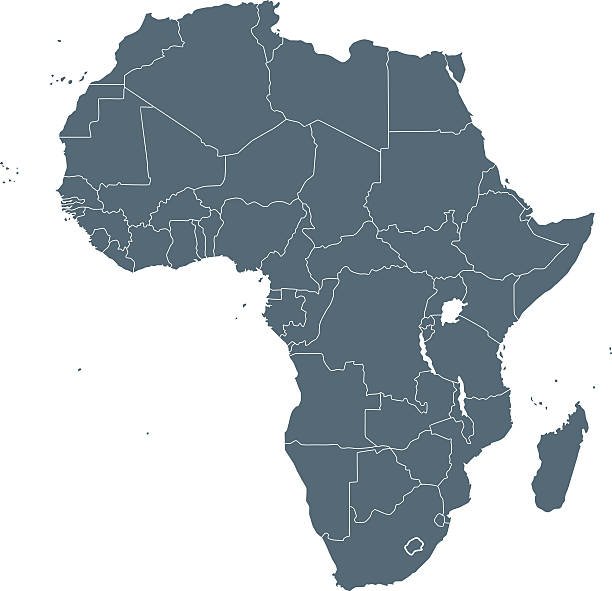
- Imposed artificial borders: These disregarded existing ethnic, linguistic, and cultural boundaries, often lumping disparate groups together or splitting cohesive ones, sowing seeds for future conflicts and political instability.
- Extracted resources: The primary focus was on raw material extraction (minerals, cash crops) for European industries, with minimal investment in local industrialization or value addition. This established a pattern of resource dependence that persists today.
- Destroyed indigenous economies: Traditional self-sufficient economies were dismantled, replaced by systems designed to serve colonial interests, often through forced labor and restrictive trade policies that stifled local entrepreneurship.
- Created weak institutions: Governance structures were built to facilitate exploitation and control, not to foster local development or democratic participation, leaving newly independent nations with fragile states and a lack of accountability.
The legacy of colonial exploitation left African nations with economies structured for export of raw materials, fragmented societies, and governing institutions ill-equipped for genuine national development. This created significant post-colonial challenges.
Governance and Political Instability: A Cycle of Underdevelopment
Upon gaining independence, many African nations struggled to build robust, inclusive institutions. This struggle has often been exacerbated by internal conflicts, widespread corruption, and persistent political instability.
Corruption and Economic Mismanagement
Widespread corruption in Africa has been a significant drain on national resources. Funds intended for public services, infrastructure, and development often end up in private hands. This:
- Diverts crucial resources from essential sectors like healthcare, education, and social welfare programs.
- Discourages both foreign and domestic investment due to unpredictability, high transaction costs, and an uneven playing field.
- Erodes public trust in government and institutions, hindering social cohesion and the rule of law.
Coupled with economic mismanagement, where leaders make poor policy decisions, misallocate resources, or fail to invest in productive sectors, corruption has directly contributed to slow economic growth and persistent poverty in Africa. A lack of accountability often allows these practices to continue unchecked.
Conflict and Civil Wars
Since independence, numerous African conflicts and civil wars have ravaged the continent. These conflicts:
- Destroy infrastructure: Roads, hospitals, schools, and productive assets are often targets, setting back development by decades and creating immense reconstruction costs.
- Displace populations: Millions become refugees or internally displaced persons, disrupting livelihoods, creating humanitarian crises, and straining neighboring countries' resources.
- Divert resources: Scarce national budgets are often spent on military expenditure rather than on critical development priorities such as health and education.
- Create instability: A climate of insecurity deters investment and impedes long-term planning, making sustained economic development in Africa exceedingly difficult.
The cyclical nature of **political instability** often leads to a brain drain, as skilled professionals flee, further weakening the continent's capacity for progress and innovation.
Economic Factors: Structural Weaknesses and External Pressures
Beyond historical legacies and governance issues, specific economic structures and global dynamics have played a critical role in limiting Africa's prosperity.
Dependence on Primary Commodities
Many African economies remain heavily reliant on exporting raw, unprocessed materials such as oil, minerals, coffee, and cocoa. This commodity dependence makes them highly vulnerable to volatile global market prices. A sudden drop in commodity prices can devastate national revenues, leading to budget deficits, reduced public spending, and economic crises. The lack of economic diversification and value addition means that African nations often miss out on the higher profits associated with processing and manufacturing their own goods.
Inadequate Infrastructure
A severe infrastructure deficit in Africa continues to hamper economic growth. Limited access to reliable electricity (**energy poverty**), poor transportation networks (roads, railways, ports), and inadequate communication systems (internet connectivity) are significant barriers. These deficiencies:
- Increase the cost of doing business, making African goods less competitive in global markets.
- Limit market access for farmers and small businesses, hindering their growth and ability to connect with larger economies.
- Hinder the delivery of essential services like healthcare and education to remote or underserved populations.
- Discourage investment in manufacturing and other high-value industries that require robust infrastructure.
Bridging this gap requires massive, sustained investment, which many nations struggle to finance independently.
Debt Burdens and Structural Adjustment Programs
In the 1970s and 80s, many African nations accumulated substantial foreign debt. To manage these debts, international financial institutions (like the IMF and World Bank) imposed **structural adjustment programs (SAPs)**. While intended to stabilize economies, SAPs often led to:
- Reduced social spending: Mandatory cuts to healthcare, education, and social welfare programs, directly impacting human development.
- Privatization: The rapid sale of state-owned enterprises, sometimes without adequate regulatory frameworks, leading to job losses and reduced public control over key sectors.
- Trade liberalization: Opening domestic markets to foreign competition, often at the expense of nascent local industries that couldn't compete.
These policies, intended to foster economic growth, often exacerbated poverty and inequality, contributing to **African debt crises** that limit fiscal space for current development initiatives.
Social and Environmental Challenges: Compounding Vulnerabilities
Human development and environmental factors are inextricably linked to economic prosperity. Africa faces significant challenges in both areas, which compound its vulnerabilities.
Health Crises and Education Gaps
Public health issues, including the prevalence of diseases like HIV/AIDS, malaria, tuberculosis, and other communicable diseases, place immense strain on healthcare systems and reduce overall productivity due to illness and premature death. High rates of maternal and child mortality persist in many regions. Simultaneously, **education disparities**, marked by low enrollment rates, poor quality schooling, limited access to higher education, and a lack of relevant skills training, limit the development of a skilled and adaptable workforce. These challenges directly impact a nation's **Human Development Index** and its capacity for innovation and sustained growth.
Climate Change and Environmental Degradation
Africa is disproportionately affected by **climate change impact Africa**, despite contributing minimally to global emissions. Increased frequency and intensity of droughts, floods, and unpredictable weather patterns severely affect **agricultural productivity**, which is the livelihood for a majority of the population, leading to chronic **food insecurity** for millions. Desertification, deforestation, and pollution further degrade natural resources, which are the backbone of many African economies. These environmental stressors exacerbate poverty and displacement, creating an urgent need for **environmental sustainability** measures.
External Factors: Global Inequities and Aid Dynamics
The global economic architecture and the nature of international assistance also play a significant role in Africa's development trajectory.
Unfair Trade Practices and Global Economic Systems
Many argue that the current global trade system is inherently unfair to developing nations. Protectionist policies and agricultural subsidies in developed countries make it difficult for African products to compete on the international market, even when they are competitive in quality or price. **Unfair trade agreements** and limited market access often mean that Africa remains primarily a source of raw materials rather than a hub for manufacturing and value-added exports. This contributes to persistent **global trade imbalances** and hinders industrialization.
Foreign Aid and its Mixed Impact
While often well-intentioned, **foreign aid effectiveness** remains a subject of intense debate. Critics suggest that aid can sometimes foster **aid dependency**, undermine local initiatives, and create parallel structures that bypass national governments, leading to inefficiencies and reduced accountability. While aid has played a crucial role in humanitarian relief and specific development projects (e.g., health programs, disaster relief), its overall impact on fostering sustainable economic growth and institutional strengthening has been mixed, sometimes burdened by conditionality and a lack of recipient ownership.
Moving Forward: Pathways to Prosperity
Despite these profound challenges, Africa possesses immense potential, evidenced by its burgeoning youth population, vast natural resources, and growing entrepreneurial spirit. Addressing the roots of African poverty requires multi-pronged approaches and a commitment to long-term strategies:
- Good Governance and Accountability: Strengthening democratic institutions, fighting corruption, promoting the rule of law, and fostering transparency are fundamental.
- Economic Diversification and Industrialization: Investing in manufacturing, technology, and services to reduce reliance on raw material exports and create diverse, sustainable job opportunities.
- Infrastructure Development: Massive, strategic investments in energy, transport, and digital connectivity are crucial to lowering business costs and improving market access.
- Human Capital Development: Prioritizing quality education, universal healthcare access, and relevant skills training to unlock the full potential of Africa's youth.
- Regional Integration: Fostering stronger economic ties, free trade, and common markets within Africa to create larger, more competitive economic blocs.
- Climate Resilience and Sustainable Practices: Adopting sustainable agricultural practices, investing in renewable energy, and implementing conservation efforts to mitigate environmental impacts.
These efforts, combined with equitable global partnerships that promote fair trade and responsible investment, are essential for unlocking the continent's vast resources and human potential.
Conclusion
The question of how Africa became poor reveals a narrative far more intricate than often portrayed. It is a story shaped by centuries of exploitation, weak governance, structural economic vulnerabilities, social disparities, environmental pressures, and an often-unfavorable global economic order. While the challenges are immense and interconnected, understanding these foundational issues is the first step towards formulating effective, sustainable solutions. Africa's future development hinges on robust governance, strategic investments in its people and infrastructure, economic transformation, and fair engagement with the global community to overcome the **complex challenges facing Africa's development** and realize its profound potential for prosperity and inclusive growth.
Enjoyed this read?
Share it with your friends and colleagues.