How Africa Is Dividing

BSC Insights Admin
October 01, 2026
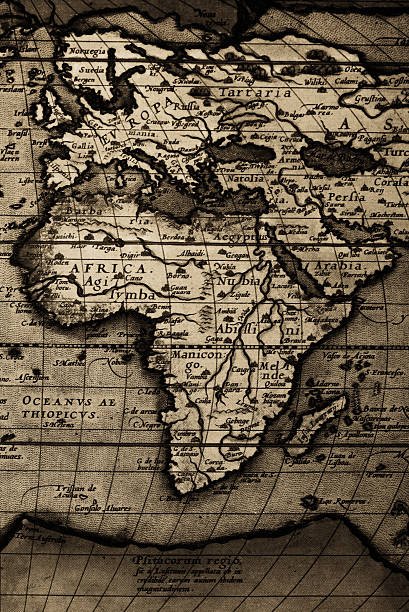
How Africa Is Dividing: Unpacking the Continent's Complex Fragmentation
Africa, a continent of immense diversity and potential, is currently experiencing multifaceted divisions across political, economic, social, and regional lines. These challenges, often rooted in historical legacies and exacerbated by contemporary pressures, contribute to varying levels of stability and development across its 54 nations, impacting the continent's progress and its aspirations for greater unity and self-determination.
Understanding how Africa is dividing requires a deep dive into the interwoven factors that contribute to its fragmentation, from colonial-era border delineations to modern-day resource competition and governance disparities. While often viewed externally as a monolithic entity, Africa is a vibrant mosaic, where internal dynamics frequently lead to both constructive competition and disruptive conflict, shaping the lives of its over 1.4 billion people.
The Enduring Legacy of Colonialism: Seeds of Division
The historical context of Africa's divisions cannot be overstated. European colonialism, particularly during the late 19th and early 20th centuries, fundamentally reshaped the continent. Arbitrary borders, drawn without regard for existing ethnic, linguistic, or cultural lines, forced disparate communities together while separating others. This colonial legacy continues to be a primary driver of modern-day instability and identity-based conflicts.
- Artificial Borders: Nations like Nigeria, Sudan, and the Democratic Republic of Congo illustrate how imposed boundaries lumped hundreds of ethnic groups together, creating fertile ground for future disagreements over resources, power, and representation.
- Resource Exploitation: Colonial powers focused on extracting raw materials, establishing economic systems that prioritized export over internal development and created dependencies that persist today. This often led to uneven development within newly formed states, fostering resentment and economic disparities.
- Divide and Rule Tactics: Colonial administrators often favored certain ethnic groups, providing them with education and administrative roles, thereby creating hierarchical structures and exacerbating pre-existing rivalries that continued long after independence.
Political Fractures and Governance Challenges
Post-independence Africa has grappled with a range of political divisions, often manifesting in governance challenges, regional rivalries, and internal strife. The struggle to establish stable, democratic institutions has been a continuous process, marked by both successes and setbacks.
Governance Models and Instability
The continent exhibits a spectrum of governance models, from nascent democracies to entrenched authoritarian regimes. This variation itself creates divisions, as countries with strong democratic institutions often enjoy greater stability and economic progress compared to those plagued by corruption, weak rule of law, and a lack of political accountability. Political instability in Africa remains a significant concern.
- Electoral Disputes: Contested election results frequently ignite social unrest and political crises, highlighting the fragility of democratic processes in many nations.
- Coups and Unconstitutional Changes: A resurgence of military coups in countries like Mali, Burkina Faso, and Niger underscores persistent challenges to civilian rule and contributes to regional instability, creating deep divisions within societies and between states.
- Ethnic and Regional Power Struggles: Political competition often takes on an ethnic or regional dimension, where access to state resources and power becomes a zero-sum game, leading to marginalization and conflict for certain groups.
Regional Blocs and Inter-State Relations
While regional economic communities (RECs) like ECOWAS (Economic Community of West African States), SADC (Southern African Development Community), and EAC (East African Community) aim to foster integration, they also highlight existing regional blocs in Africa and their inherent tensions. Differences in economic policies, political ideologies, and leadership ambitions can create rivalries and hinder broader continental unity.
- Border Disputes: Long-standing border disagreements, often a direct result of colonial partitioning, occasionally flare up, leading to diplomatic tensions or even armed conflict between neighboring states.
- Resource Competition: Disputes over shared natural resources, such as water bodies (e.g., the Nile River) or mineral wealth, can strain relations between countries, creating complex regional divisions.
Economic Disparities and Uneven Development
Economic fragmentation is another profound way Africa is dividing. Despite impressive growth rates in recent decades, wealth distribution remains highly uneven, creating significant disparities within and between nations. These economic disparities in Africa fuel social unrest and hinder collective progress.
Resource Wealth and the 'Resource Curse'
Countries rich in natural resources like oil, diamonds, and minerals (e.g., Nigeria, Angola, DRC) often struggle with the "resource curse"—where abundant natural wealth paradoxically leads to corruption, conflict, and a lack of diversified economic development. This creates a stark contrast with resource-poor nations, leading to different trajectories of development and further continental divisions.
- Unequal Distribution of Wealth: Even within resource-rich countries, the benefits of natural wealth often do not trickle down to the majority of the population, exacerbating income inequality and creating deep resentment.
- Dependency on Global Markets: Many African economies remain heavily reliant on exporting a few primary commodities, making them vulnerable to global price fluctuations and hindering industrialization and value addition.
Urban-Rural Divide and Income Inequality
A significant division exists between burgeoning urban centers and vast rural areas. Urban areas often concentrate economic opportunities, infrastructure, and services, attracting a continuous influx of people. However, this often leaves rural populations marginalized, with limited access to education, healthcare, and economic prospects. This urban-rural divide in Africa contributes to significant internal inequality.
- Access to Services: Disparities in access to electricity, clean water, healthcare, and quality education are often stark between urban and rural settings, creating a two-tiered society.
- Youth Unemployment: While a youthful population is often seen as a demographic dividend, high rates of youth unemployment, particularly in urban areas and among educated individuals, can be a source of frustration and social instability.
Barriers to Intra-African Trade
Despite efforts to promote continental free trade, intra-African trade remains relatively low compared to other continents. Non-tariff barriers, poor infrastructure, bureaucratic hurdles, and protectionist policies within individual nations create economic 'silos' and prevent the full realization of a unified African market, thereby deepening economic fragmentation.
Social and Cultural Fault Lines
Beyond politics and economics, deeply embedded social and cultural factors contribute to African fragmentation. These divisions often manifest at the community level, impacting social cohesion and sometimes leading to widespread conflict.
Ethnic and Tribal Identities
While diversity is a strength, historically, strong ethnic and tribal identities have also been sources of division, particularly when manipulated by political elites. Ethnic conflicts in Africa, such as those seen in Rwanda, Sudan, and Ethiopia, underscore how identity can be weaponized, leading to devastating humanitarian crises and deeply entrenched societal rifts.
- Identity Politics: The mobilization of ethnic groups for political ends often exacerbates tensions, leading to competition over land, resources, and political power.
- Historical Grievances: Long-standing animosities and injustices between ethnic groups can resurface, making reconciliation and nation-building challenging.
Religious Divides and Extremism
Religious differences, particularly between Christian and Muslim populations, have become more pronounced in certain regions. The rise of extremist groups like Boko Haram in West Africa, Al-Shabaab in the Horn of Africa, and various factions in the Sahel has exploited these religious divides, causing widespread displacement, violence, and deepening societal mistrust.
Language Barriers
With hundreds, if not thousands, of languages spoken across the continent, communication and administrative cohesion can be challenging. While many countries have adopted official languages (often colonial languages), the linguistic diversity within their borders can sometimes complicate national unity and public service delivery.Geographic and Environmental Factors
Geography and environmental challenges also play a role in how Africa is dividing, often exacerbating existing social and economic vulnerabilities.
- Climate Change Impacts: The Sahel region, for instance, is a hotspot for climate change impacts, with desertification and erratic rainfall contributing to resource scarcity, farmer-herder clashes, and forced migration, creating new lines of division.
- Regional Instability Hotspots: Geographically concentrated areas of persistent conflict, such as the Great Lakes region, the Horn of Africa, and parts of the Sahel, act as major fault lines, creating refugee flows and impacting the stability of neighboring states.
The Impact of Divisions on Continental Progress
These various forms of division have profound consequences for Africa's progress. They undermine efforts towards regional integration, deter foreign investment, lead to massive humanitarian crises, and divert resources from essential development projects. The cumulative effect is a continent that struggles to harness its full collective power on the global stage, despite the significant potential of its human and natural resources.
Pathways to Overcoming Divisions and Fostering Unity
Despite the pervasive nature of these divisions, significant efforts are underway, and pathways exist to foster greater unity and resilience across Africa.
- Strengthening Governance and Rule of Law: Promoting transparent, accountable, and inclusive governance is paramount. This includes upholding human rights, strengthening judicial independence, and ensuring fair electoral processes to build trust and reduce political grievances.
- Economic Diversification and Intra-African Trade: Investing in diverse economic sectors, promoting industrialization, and removing barriers to intra-African trade through initiatives like the African Continental Free Trade Area (AfCFTA) can create shared prosperity and reduce economic disparities.
- Education and Social Cohesion: Investing in quality, inclusive education and promoting narratives that celebrate diversity while emphasizing shared identity can help bridge social and cultural divides, fostering mutual understanding and respect.
- Regional Cooperation and Conflict Resolution: Robust regional mechanisms for conflict prevention, mediation, and resolution are crucial. Empowering regional bodies like the AU and RECs to address disputes proactively can prevent escalation and promote stability.
- Addressing Climate Change: Collective action to mitigate and adapt to climate change impacts is essential to prevent environmental stressors from deepening existing divisions and creating new ones.
In conclusion, how Africa is dividing is a complex narrative shaped by a confluence of historical, political, economic, social, and environmental factors. From the enduring legacy of colonialism and arbitrary borders to modern-day resource competition and governance challenges, the continent faces significant internal and inter-state fragmentation. However, by understanding these multifaceted divisions, Africa and its partners can strategically work towards fostering greater unity, building resilient institutions, promoting equitable development, and harnessing its vast potential for a more cohesive and prosperous future for all its people.
Enjoyed this read?
Share it with your friends and colleagues.