How Africa Was Colonized

BSC Insights Admin
October 09, 2026
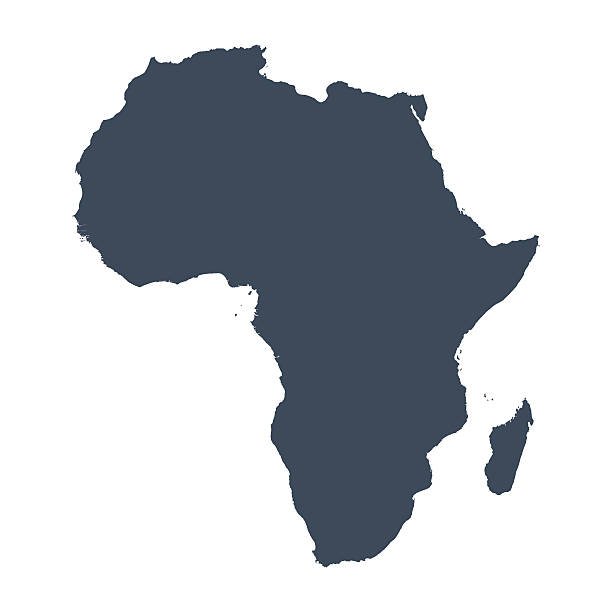
How Africa was colonized is a complex and multifaceted historical process primarily driven by European powers during the 19th and early 20th centuries. This period, often referred to as the Scramble for Africa, saw the continent partitioned among various European nations, transforming its political, economic, and social landscape irrevocably. Understanding the mechanisms, motivations, and enduring impact of colonialism in Africa is crucial to grasping the continent's contemporary challenges and triumphs.
The Pre-Colonial African Landscape: A Foundation of Diversity
Before the intense period of European colonization, Africa was a continent of immense diversity, home to thousands of distinct ethnic groups, languages, and highly developed political systems, ranging from small, decentralized communities to vast empires. Societies like the Ashanti, Zulu, Mali, Songhai, Ethiopian, and Great Zimbabwe empires flourished with sophisticated trade networks, agricultural practices, and rich cultural traditions. Early European contact, beginning as early as the 15th century, was initially focused on coastal trade, notably the transatlantic slave trade, which profoundly impacted West and Central Africa for centuries. However, direct European territorial control remained limited to a few coastal enclaves until the late 19th century.
Driving Forces: Reasons for the Colonization of Africa
The sudden and aggressive expansion into Africa in the late 1800s was fueled by a convergence of economic, political, technological, and ideological factors in Europe.
Economic Motives: Resources and Markets
- Raw Materials: The Industrial Revolution in Europe created an insatiable demand for raw materials such as rubber, diamonds, gold, copper, palm oil, and cotton, many of which were abundant in Africa.
- New Markets: European industries also sought new markets to sell their manufactured goods, viewing Africa's vast population as potential consumers.
- Investment Opportunities: Colonial ventures offered opportunities for European capitalists to invest surplus capital, promising high returns.
Political and Strategic Motives: Power and Prestige
- Nationalism and Imperial Rivalry: European nations were locked in a fierce competition for global dominance. Acquiring colonies was a symbol of national power, prestige, and a way to gain strategic advantage over rivals.
- Geopolitical Interests: Control over strategic locations, such as the Suez Canal (vital for access to Asia), fueled British interests in Egypt and Sudan.
- Balancing Power: The acquisition of colonies was often seen as a way to maintain or shift the balance of power in Europe.
Technological Advancements: The Means to Conquer
- Medical Breakthroughs: Advances in medicine, particularly quinine, enabled Europeans to survive diseases like malaria that had previously made inland Africa deadly.
- Military Superiority: The development of advanced weaponry, such as machine guns (e.g., the Maxim gun), gave European armies a decisive advantage over African forces.
- Transportation and Communication: Steamships allowed for easier navigation of rivers and coastal areas, while telegraphs facilitated rapid communication between colonial administrators and their home governments.
Ideological Justifications: The 'Civilizing Mission'
- Social Darwinism: Racist theories of racial hierarchy justified European dominance, positing that Europeans were biologically superior and had a right to rule 'lesser' races.
- The 'Civilizing Mission': Europeans often claimed they were bringing Christianity, Western education, and 'civilization' to Africa, masking their true economic and political motives.
The Scramble for Africa and the Berlin Conference
The Scramble for Africa intensified dramatically from the 1880s onward. Previously, European presence was limited. However, as the pace of claims escalated, tensions among European powers grew. To avoid conflicts and formalize their claims, Otto von Bismarck of Germany convened the Berlin Conference (1884-1885).
The Berlin Conference (1884-1885)
This conference was a pivotal moment in how Africa was colonized. Representatives from 14 European nations gathered, with no African representation, to divide the continent. Key outcomes included:
- Principle of Effective Occupation: European powers had to demonstrate 'effective occupation' of a territory (e.g., setting up administration, policing) to legitimize their claim, rather than simply claiming it on paper.
- Freedom of Navigation: Guaranteed free navigation on the Congo and Niger rivers for trade.
- Artificial Borders: The conference led to the arbitrary drawing of colonial boundaries, often disregarding existing African ethnic, linguistic, and political realities. These borders remain largely in place today, contributing to ethnic tensions and conflicts in many post-colonial African states.
Following the conference, the partition of Africa accelerated rapidly. By 1914, approximately 90% of Africa was under European control, with only Liberia and Ethiopia remaining independent.
Methods of Colonial Rule and Administration
European powers employed various methods to establish and maintain their control over African territories.
Military Conquest and Pacification
The initial phase of colonization often involved brutal military campaigns against African kingdoms and communities that resisted. Superior European weaponry, organization, and logistics typically overwhelmed African resistance, though at significant cost in lives and resources.
Treaty Making and Deception
Many territories were acquired through treaties signed with African chiefs. However, these treaties were often coercive, misunderstood by African signatories due to language barriers, or signed under duress. European powers frequently interpreted these agreements to grant them far more rights than African leaders intended.
Economic Exploitation and Resource Extraction
Colonial economies were structured primarily to serve the interests of the colonizing power. This involved:
- Forced Labor: Africans were often compelled to work on plantations, in mines, or on infrastructure projects with little or no pay. The Belgian Congo under King Leopold II is a notorious example of extreme brutality and exploitation.
- Cash Crop Production: Traditional subsistence farming was replaced by the forced cultivation of cash crops for export (e.g., cocoa, coffee, groundnuts), making African economies dependent on global commodity prices.
- Taxation: Colonial administrations imposed taxes, often payable only in European currency, forcing Africans into the labor market to earn the required cash.
Administrative Structures: Direct and Indirect Rule
European powers adopted different administrative strategies:
- Direct Rule (e.g., French, Belgian, Portuguese): Involved imposing a European administrative system and often seeking to assimilate African elites into European culture. French colonial policy, for instance, aimed at creating 'evolved' Africans who would become French citizens.
- Indirect Rule (e.g., British): Utilized existing African political structures and traditional leaders to implement colonial policies. While seemingly less disruptive, it often reinforced or created ethnic divisions and undermined legitimate local authority.
Infrastructure Development for Colonial Benefit
Railways, roads, and ports were built, but primarily to facilitate the extraction of raw materials from the interior to coastal ports for shipment to Europe, not for the integrated development of African economies or societies.
African Resistance to Colonialism
The notion that Africa passively accepted colonial rule is a misconception. African communities and leaders fiercely resisted European incursions from the outset. Early resistance often took the form of armed struggle:
- The Zulu Wars (1879): The Zulu Kingdom, despite its military prowess, ultimately succumbed to British forces.
- Maji Maji Rebellion (1905-1907): In German East Africa, a widespread uprising against forced labor and taxation, brutally suppressed by German forces.
- Ethiopia's Victory at Adwa (1896): Emperor Menelik II successfully defeated Italy, preserving Ethiopia's independence. This was a rare but significant African victory against a European power.
As direct military resistance became increasingly difficult, other forms of resistance emerged, including:
- Diplomatic Appeals: African leaders sought to negotiate or appeal to international law.
- Cultural Preservation: Efforts to maintain indigenous languages, religions, and traditions.
- Formation of Nationalist Movements: In the mid-20th century, educated African elites led mass movements demanding self-determination and eventually, decolonization.
The Enduring Legacy and Impact of Colonialism in Africa
The period of African history colonization left a profound and lasting legacy, shaping the continent's trajectory well into the present day.
Political Ramifications
- Artificial Borders: The arbitrary division of Africa created states with diverse and often conflicting ethnic groups, contributing to post-independence conflicts and political instability.
- Weak State Institutions: Colonial administrations were designed for extraction and control, not for fostering democratic governance or inclusive development.
- Authoritarian Tendencies: The centralized, often brutal, nature of colonial rule sometimes laid the groundwork for authoritarian regimes in the post-independence era.
Economic Consequences
- Economic Dependence: African economies remained largely structured around the export of raw materials and the import of manufactured goods, perpetuating dependence on former colonial powers and global markets.
- Underdevelopment: Limited industrialization, inadequate infrastructure for internal trade, and a focus on extractive industries hindered diversified economic growth.
- Resource Curse: Rich natural resources, instead of benefiting the populace, often became a source of conflict and corruption due to their ease of exploitation by external actors.
Social and Cultural Disruptions
- Ethnic Tensions: Colonial policies often exacerbated or created ethnic divisions, using 'divide and rule' tactics.
- Loss of Traditional Authority: Indigenous governance systems were either destroyed or co-opted, eroding traditional societal structures.
- Cultural Alienation: The imposition of European languages, education systems, and religions led to the marginalization of indigenous cultures and knowledge systems.
- Urbanization: New cities grew around administrative centers and ports, leading to social changes and rural-urban migration patterns.
Decolonization and Beyond
By the mid-20th century, a wave of decolonization swept across Africa, largely spurred by the weakening of European powers after World War II, the rise of Pan-Africanism, and the determined efforts of nationalist movements. While achieving independence was a monumental triumph, the newly formed African nations inherited the complex and often debilitating legacy of colonialism, grappling with the challenges of nation-building, economic development, and establishing stable political systems within borders designed by external powers.
Conclusion
How Africa was colonized is a story of global power dynamics, economic ambition, technological superiority, and ideological justifications that profoundly reshaped an entire continent. The Scramble for Africa, formalized by the Berlin Conference, dismantled pre-existing African societies and imposed a system of European control driven by resource extraction and geopolitical competition. While the era of formal colonial rule has ended, its deep and complex legacy continues to influence African politics, economies, and societies, underscoring the importance of understanding this critical period in global history.
Enjoyed this read?
Share it with your friends and colleagues.