How African Culture Is

BSC Insights Admin
October 01, 2026
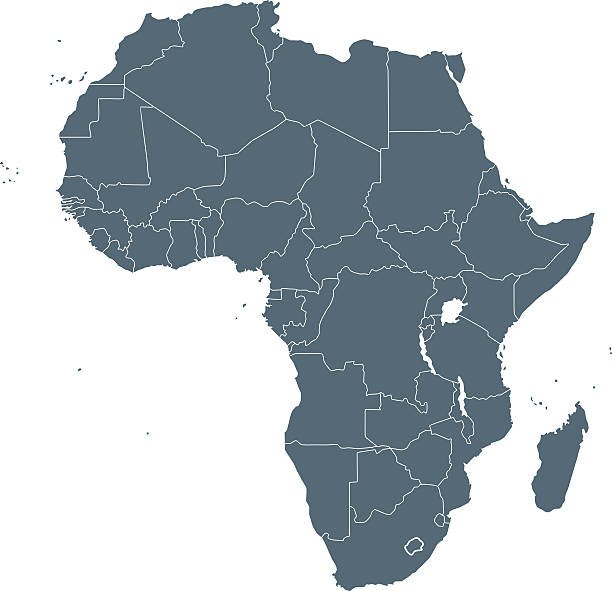
African culture is a vast, intricate, and continuously evolving mosaic defined by its immense diversity, rich historical heritage, and profound communal values. Far from being a monolithic entity, it encompasses thousands of distinct ethnic groups, languages, spiritual beliefs, artistic expressions, and social structures spread across a continent of unparalleled geographical variety.
Understanding African culture means appreciating this breathtaking kaleidoscope, where shared themes of community, oral tradition, reverence for ancestors, and a deep connection to the land often intertwine with unique regional and local customs, creating a dynamic and resilient identity that has profoundly influenced the world.
The Unfolding Tapestry of African Diversity
The sheer scale of cultural variation within Africa is arguably its most defining characteristic. With 54 recognized countries and a population exceeding 1.4 billion people, the continent is a crucible of human experience, shaped by millennia of migration, innovation, and interaction.
Geographical and Ethnic Boundaries
Africa is broadly divided into several cultural regions, each with its own historical trajectories and dominant cultural expressions:
- North Africa: Predominantly Arab-Berber, influenced by Islamic and Mediterranean cultures. Languages like Arabic and Berber are central, along with distinct culinary and architectural styles.
- West Africa: Known for its vibrant music, elaborate storytelling traditions (e.g., Griots), and powerful empires like Mali and Songhai. Major ethnic groups include the Yoruba, Igbo, Akan, and Hausa.
- Central Africa: Characterized by dense forests, unique Pygmy cultures, and Bantu-speaking groups. Artistic expressions, particularly sculpture and mask-making, are highly significant.
- East Africa: Home to pastoralist cultures like the Maasai, ancient Swahili coastal civilizations, and the origins of humanity. A blend of indigenous traditions with Arab and Indian influences.
- Southern Africa: Features diverse Khoisan, Nguni (e.g., Zulu, Xhosa), and Sotho-Tswana peoples. Rich oral histories, complex social structures, and powerful resistance movements define this region.
Each of these regions, and indeed each country and ethnic group within them, possesses its own intricate web of traditions, making any generalization about African culture inherently incomplete without acknowledging this profound diversity. For instance, the drumming traditions of West Africa differ significantly from the vocal harmonies of Southern Africa, yet both are quintessential expressions of African music and dance.
Core Pillars of African Cultural Identity
Despite the diversity, several recurring themes and foundational pillars consistently emerge across various diverse African cultures, offering a framework for understanding their richness.
Community and Family: The Heartbeat of Society
At the core of most traditional African societies is the paramount importance of community and the extended family. Individual identity is often understood within the context of the collective. This emphasis manifests in:
- Extended Family Structures: Beyond the nuclear family, aunts, uncles, cousins, and grandparents often live in close proximity and share responsibilities for child-rearing, economic support, and social guidance.
- Communal Living: Decisions are often made collectively, and resources are frequently shared. Social welfare is a collective responsibility, ensuring no one is left behind.
- Respect for Elders: Older members of the community are highly respected for their wisdom, experience, and role in preserving African heritage and knowledge. They often serve as custodians of history and tradition.
This strong sense of belonging fosters resilience and mutual support, forming the backbone of African values and social cohesion.
Spirituality and Religion: A Profound Connection
Spirituality plays a central role in African culture, guiding daily life, ethical conduct, and understanding of the cosmos. While Christianity and Islam have significant followings across the continent, indigenous traditional African religions continue to exert a powerful influence, often coexisting or blending with imported faiths.
- Ancestral Veneration: A common thread is the belief in the continued presence and influence of ancestors, who are revered as mediators between the living and the divine. Rituals and offerings are often made to honor them.
- Belief in a Supreme Being and Lesser Deities: Many traditional faiths recognize a supreme creator god, alongside numerous lesser deities, spirits, and natural forces that govern different aspects of the world.
- Rituals and Ceremonies: Life cycle events—birth, initiation, marriage, death—are marked by elaborate ceremonies that reinforce community bonds and spiritual connections.
This deep spirituality in Africa is not merely a belief system but a way of life, intertwining with morality, law, and social interaction.
Oral Tradition and Storytelling: The Living Library
Before the widespread adoption of written scripts, knowledge, history, ethics, and entertainment were primarily transmitted through oral tradition Africa. Storytelling remains a vital aspect of African culture.
- Griots and Oral Historians: In West Africa, griots are revered hereditary storytellers, musicians, and praise singers who preserve the genealogies, histories, and epic tales of their people.
- Proverbs and Folklore: Proverbs distill complex wisdom into concise, memorable phrases, while folklore, myths, and legends teach moral lessons, explain natural phenomena, and entertain.
- Performance: Storytelling is often a performative art, involving music, dance, and audience participation, making it a dynamic and engaging method of cultural transmission.
This rich oral heritage ensures that African traditions and history are kept alive and passed down through generations, fostering a strong sense of cultural identity Africa.
Art and Aesthetics: Expressions of Life and Spirit
African art forms are incredibly diverse and often serve functional, ritualistic, and symbolic purposes rather than purely aesthetic ones. They are integral to daily life, ceremonies, and spiritual practices.
- Sculpture and Masks: Carved masks and figures are central to many rituals, used in masquerades, ancestor veneration, and rites of passage. They are not merely objects but embodiments of spiritual forces.
- Textiles and Adornment: Elaborate fabrics like Kente from Ghana, Bogolanfini (mud cloth) from Mali, and Nigerian Adire tell stories, convey social status, and reflect cultural identity. Body adornment, including intricate hairstyles, jewelry, and scarification, also carries deep cultural meaning.
- Architecture: From the ancient mud-brick mosques of Djenné to the rock-hewn churches of Lalibela, African architecture showcases remarkable ingenuity and distinct regional styles.
These artistic expressions are not static; they evolve, incorporate new influences, and continue to reflect the dynamism of modern African culture.
Music and Dance: The Rhythm of Life
African music and dance are inseparable and permeate nearly every aspect of life, from celebrations and rituals to work and mourning. The rhythmic complexity, call-and-response patterns, and improvisational nature are hallmarks of African musical traditions.
- Diverse Instruments: A vast array of instruments, including drums (djembe, talking drum), string instruments (kora, ngoni), wind instruments, and xylophones, create rich soundscapes.
- Social Functions: Music and dance serve various social functions, including storytelling, healing, communication, celebration, and spiritual worship.
- Communal Participation: Often, there is no clear distinction between performers and audience; everyone is encouraged to participate through singing, clapping, and dancing, reinforcing community bonds.
The infectious rhythms and soulful melodies of African music have profoundly influenced global music genres, from jazz and blues to rock and hip-hop.
African Values and Philosophies
Underpinning many African traditions are core philosophical concepts that guide ethical behavior and social interaction. One of the most widely recognized is Ubuntu.
Ubuntu: I Am Because We Are
The Ubuntu philosophy, prominent in Southern Africa, emphasizes interconnectedness, compassion, human dignity, and the idea that a person is a person through other people. It promotes a spirit of collective humanity, generosity, and mutual respect.
Beyond Ubuntu, other widely held values include:
- Hospitality: Visitors are often welcomed with open arms and generosity, reflecting a deep-seated belief in sharing and communal welfare.
- Respect for Nature: Many African belief systems emphasize a harmonious relationship with the natural world, viewing it as sacred and integral to human existence.
- Honesty and Integrity: High value is placed on truthfulness and maintaining one's word within the community.
The Global Impact of African Culture
The impact of African culture extends far beyond the continent's borders. The transatlantic slave trade, while a horrific chapter, inadvertently spread African heritage and cultural elements across the Americas and the Caribbean, leading to the development of vibrant new cultural forms.
- Global Diaspora: African descendants in the Americas and Europe have preserved and adapted their ancestral traditions, giving rise to unique expressions of Black culture, including music genres like jazz, blues, reggae, and hip-hop, as well as distinct culinary traditions and religious practices like Candomblé and Santería.
- Art and Fashion: African art has inspired countless modern and contemporary artists worldwide. African fashion, with its bold colors, intricate patterns, and diverse fabrics, continues to influence global trends.
- Philosophy and Thought: Concepts like Ubuntu have gained international recognition for their insights into human interconnectedness and restorative justice.
The dynamism of African culture is also evident in its contemporary expressions. Modern African artists, musicians, writers, and filmmakers are telling new stories, blending traditional elements with global influences, and challenging stereotypes, thereby continually redefining what African culture is in the 21st century.
Challenges and Evolution of African Culture
Like all cultures, African culture is not static; it faces challenges and undergoes continuous evolution. Colonialism left a lasting legacy, disrupting traditional governance structures, imposing foreign languages, and altering economic systems. Today, globalization, urbanization, and the digital age bring both opportunities and pressures.
- Preservation vs. Modernization: Communities grapple with balancing the preservation of ancient traditions with the adoption of modern technologies and lifestyles.
- Youth and Cultural Identity: Younger generations navigate a complex world, often blending traditional values with global trends, creating new hybrid cultural forms.
- Language Endangerment: While many languages thrive, some smaller indigenous languages face the threat of extinction due to the dominance of colonial languages and larger regional tongues.
Despite these challenges, African cultures demonstrate remarkable resilience and adaptability. They are not merely relics of the past but living, breathing entities that continue to shape the lives of millions and contribute significantly to the global cultural landscape.
Conclusion
In summary, African culture is a multifaceted and vibrant phenomenon, characterized by its extraordinary diversity, profound communal values, rich oral traditions, and expressive artistic forms. From the intricate social structures and spiritual beliefs to the influential music and art, the continent's cultural heritage is a testament to human creativity and resilience.
Far from being a singular entity, it is a grand symphony of distinct identities and shared human experiences that continue to evolve, inspire, and deeply enrich the global human story, proving that the essence of African culture lies in its boundless variety and its enduring spirit of interconnectedness.
Enjoyed this read?
Share it with your friends and colleagues.