How African Dance

BSC Insights Admin
September 30, 2026
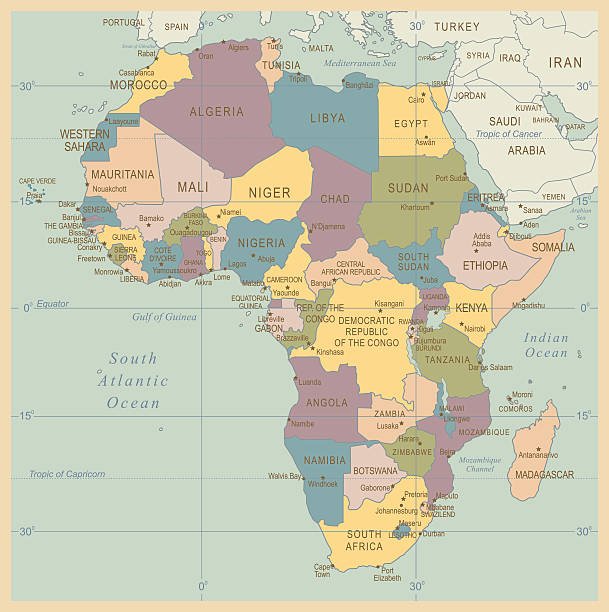
African dance is far more than just movement; it is a vibrant, multifaceted language that expresses culture, history, spirituality, and community across the diverse African continent. Understanding how African dance works involves delving into its intrinsic connection to rhythm, its foundational role in storytelling and ceremony, and its unique physical vocabulary that emphasizes groundedness, polycentrism, and communal participation. From celebratory festivals to solemn rituals, traditional African dance forms embody the very spirit and resilience of its people, serving as a powerful conduit for identity, education, and collective expression.
The Roots and Rhythms: Understanding How African Dance Works
At its core, African dance operates on principles deeply rooted in the continent's diverse cultural landscapes. It is rarely just for entertainment; instead, it serves crucial social, spiritual, and historical functions. The essence of how African dance is performed lies in its holistic approach, integrating music, song, storytelling, and visual arts (costumes, masks) into a cohesive, immersive experience.
- Communal Participation: Unlike many Western dance forms that emphasize performance for an audience, much of traditional African dance is inherently participatory. Everyone, regardless of skill level, is often encouraged to join, fostering a sense of unity and shared experience. This aspect underscores the idea that dance is a communal affair, essential for bonding and celebration.
- Rhythm and Polycentrism: Rhythm is the heartbeat of African dance. Dancers often embody multiple rhythms simultaneously, moving different body parts to different percussive patterns, a concept known as polycentrism. This complex layering of rhythms creates a dynamic, energetic, and often improvisational movement vocabulary.
- Storytelling and Expression: Many African dances are narratives in motion, conveying historical events, social commentary, moral lessons, or everyday activities like farming, hunting, or fishing. Gestures and movements are often symbolic, communicating specific meanings or emotions.
- Spiritual Connection: Dance frequently serves as a bridge to the spiritual realm, used in rituals to honor ancestors, invoke deities, or facilitate healing. The intensity and repetitive nature of certain movements can induce trance-like states, connecting participants to a deeper consciousness.
Key Elements of African Dance
To truly grasp how African dance is executed and appreciated, it's vital to recognize its foundational components:
- Rhythm and Music: The undisputed driving force. Percussion instruments like the djembe, sabar, talking drum, and xylophone (balafon) are paramount. The drummers and dancers are in a constant dialogue, with specific drum patterns signaling particular movements or changes in tempo. The intricate interplay between music and movement defines the dance.
- Body Movement: Characterized by an emphasis on the earth – movements are often grounded, low to the earth, and involve bent knees. The torso is frequently central, and isolation of body parts (hips, shoulders, chest) is common, allowing for the polyrhythmic expression. There's a raw, powerful, and often fluid quality to the movements, reflecting strength and vitality.
- Costumes and Props: Integral to the narrative and spiritual power. Costumes are often made from natural materials, adorned with shells, beads, feathers, and specific colors, each carrying symbolic meaning. Props like masks, spears, or hoes can transform a dancer into a character or represent an activity, enhancing the storytelling aspect.
- Improvisation and Call-and-Response: While many dances have traditional steps, improvisation is highly valued, allowing dancers to express individuality within the collective framework. The call-and-response structure, common in music, extends to dance, where a lead dancer might initiate a movement, and the group responds, creating a dynamic dialogue.
Diverse Forms: Exploring How African Dance Manifests Across the Continent
Africa is a continent of immense cultural diversity, and this is brilliantly reflected in the myriad forms of African dance. Each region, ethnic group, and community boasts its own unique styles, rhythms, and purposes. Understanding these variations helps illustrate the breadth of how African dance is expressed.
West African Dance Traditions
West Africa is particularly renowned for its rich and dynamic dance traditions, often characterized by high energy, complex rhythms, and strong storytelling elements.
- Djembe Dances: Originating from Mali and Guinea, these dances are inseparable from the djembe drum. They are often performed in community celebrations, rites of passage, and harvest festivals. Movements are powerful, earthy, and highly percussive, reflecting the drum's pulse. Examples include the Mandiani (Mali) and Soli (Guinea), often performed by both men and women.
- Sabar (Senegal): A highly energetic and virtuosic dance form, primarily performed by the Wolof people of Senegal. Accompanied by sabar drums, it features rapid footwork, acrobatic movements, and spirited improvisation, often seen at weddings and special events.
- Adowa (Ghana): A dignified funeral dance of the Ashanti people, characterized by graceful, controlled movements of the arms and torso, performed with solemnity to honor the deceased.
Central African Dance Traditions
Dances from Central Africa often lean towards ritualistic and spiritual significance, with movements that can be hypnotic and deeply symbolic.
- Pygmy Dances: Performed by various Mbuti and Baka pygmy groups, these often mimic animal movements or represent natural phenomena. They are frequently circular, involve intricate footwork, and are used in hunting rituals, healing ceremonies, and social gatherings.
- Mask Dances: Common across Central Africa, such as the Makishi masquerade of the Luvale people (Zambia, Angola), where dancers wear elaborate masks representing spirits or ancestors, performing specific movements to embody these entities during initiation ceremonies.
East African Dance Traditions
East African dances are diverse, often reflecting pastoral lifestyles, warrior traditions, and communal festivities.
- Kiganda (Uganda): Dances like the Bakisimba of the Baganda people are characterized by rhythmic hip movements and shoulder shimmies, reflecting joy and celebration, often performed at royal courts and festivals.
- Maasai Jumping Dance (Kenya, Tanzania): Known as "Adumu," this iconic warrior dance features men performing impressive vertical jumps from a standing position, a display of strength and agility, often performed during ceremonies like the Eunoto (warrior initiation).
Southern African Dance Traditions
Southern African dances often carry strong historical and social narratives, from resistance to celebration.
- Gumboot Dance (South Africa): Originating from miners who communicated coded messages through slapping and stomping their gumboots (Wellington boots), this dance is a powerful and rhythmic expression of resilience and cultural identity, now a popular performance art.
- Indlamu (Zulu War Dance): A powerful and athletic dance performed by Zulu warriors (South Africa), characterized by high kicks, stomping, and shield movements, symbolizing bravery, discipline, and unity, often performed at weddings and royal ceremonies.
The Cultural and Social Significance: How African Dance Shapes Communities
Beyond its aesthetic appeal, African dance plays an indispensable role in the social fabric and cultural preservation of communities. It is a living archive, a means of education, and a vital tool for community cohesion.
Rite of Passage and Ceremonies
African dance marks significant life events, guiding individuals through transitions and celebrating milestones.
- Births, Marriages, Funerals: Specific dances accompany these events, expressing joy, sorrow, or reverence. For example, funeral dances help process grief and honor the deceased's journey to the ancestral realm.
- Initiation Ceremonies: Dance is central to transitioning from childhood to adulthood, teaching moral values, social responsibilities, and the history of the community. Young initiates learn specific dances as part of their training.
Community Building and Social Cohesion
The participatory nature of how African dance is performed naturally fosters strong community bonds.
- Unity and Shared Identity: Dancing together strengthens a sense of belonging and collective identity. It reinforces shared values and traditions, bringing people together across generations.
- Conflict Resolution: In some cultures, dance has historically been used as a non-verbal means to express grievances or resolve conflicts, providing a safe outlet for emotional release and communication.
Historical Preservation and Storytelling
In societies with strong oral traditions, dance serves as a dynamic form of historical record-keeping.
- Oral Traditions: Stories of heroic deeds, significant historical events, and ancestral wisdom are passed down through generations via specific dance movements and accompanying songs.
- Cultural Education: Children learn their history, myths, and social etiquette by participating in dances and observing older generations.
Spiritual and Healing Practices
Many African dance forms have profound spiritual dimensions.
- Connecting with Ancestors, Deities: Through rhythmic movement, dancers may seek to connect with spirits, invoke blessings, or offer thanks. Sacred dances are often performed in specific locations or at particular times of year.
- Trance States and Healing: Repetitive movements and intense drumming can facilitate altered states of consciousness, believed to open channels for spiritual healing or prophetic visions, particularly in traditional healing ceremonies.
Modern Evolution: How African Dance Adapts and Influences Globally
While deeply rooted in tradition, African dance is a living, evolving art form that continues to adapt, innovate, and inspire globally. It demonstrates incredible resilience and capacity for transformation.
Contemporary African Dance
A new generation of choreographers and dancers are blending traditional aesthetics with modern techniques, creating innovative forms.
- Fusing Traditional with Modern: Artists like Germaine Acogny (Senegal) and Sidi Larbi Cherkaoui (Morocco/Belgium) draw from classical ballet, contemporary dance, and traditional African movements to create unique performance styles that speak to global audiences.
- Choreography and Performance Art: Contemporary African dance often addresses modern social and political issues, using the inherent expressive power of African movement to convey powerful messages on stage.
Global Influence and Fusion
The impact of African dance extends far beyond the continent, influencing various global dance genres.
- Hip-Hop, Jazz, and Contemporary Dance: The polyrhythmic structures, groundedness, and emphasis on improvisation found in African dance have profoundly shaped the development of jazz dance, hip-hop, and even certain contemporary techniques.
- Workshops and Cultural Exchange: African dance forms are taught and celebrated worldwide, fostering cultural exchange and appreciation. Enthusiasts from diverse backgrounds seek to learn the authentic movements and understand their cultural context.
Learning and Appreciating: Tips on How to Engage with African Dance
For those interested in exploring African dance, here are some actionable tips on how to begin your journey of appreciation and learning.
- Seek Qualified Instructors: Look for teachers who have trained extensively with traditional masters, ideally from the cultures they represent. Authenticity and cultural understanding are paramount.
- Understand the Cultural Context: Learn about the history, purpose, and symbolism of the dance. This deepens your appreciation and ensures respectful engagement with the art form.
- Listen to the Rhythms: Pay close attention to the drumming. The drums are not just accompaniment; they are the primary guide for the dancer. Learning to discern and embody the different rhythmic layers is key to understanding how African dance moves.
- Embrace the Movement: Don't be afraid to be expressive and grounded. Allow your body to move freely, engaging your core and connecting with the earth. Focus on the feeling and energy, not just perfect execution.
- Attend Performances and Workshops: Experience live performances to witness the raw energy and communal spirit. Workshops offer hands-on opportunities to learn basic steps and rhythms.
The Profound Benefits of African Dance
Engaging with African dance offers a multitude of benefits, encompassing physical, mental, cultural, and social well-being.
| Benefit Category | Description |
|---|---|
| Physical Health | African dance is an intense full-body workout. It significantly improves cardiovascular fitness, builds strength, enhances flexibility, and refines coordination and balance through complex movements and sustained energy. |
| Mental Well-being | The rhythmic and expressive nature of the dance is a powerful stress reducer. It boosts mood, enhances cognitive function by requiring memory of complex sequences, and offers a creative outlet for emotional release. |
| Cultural Connection | Learning African dance fosters a deep understanding and appreciation for diverse African traditions, history, and philosophies. It promotes empathy, breaks down cultural barriers, and contributes to the preservation of rich heritage. |
| Social Engagement | The communal aspect of African dance encourages interaction, teamwork, and a strong sense of belonging. It builds confidence, fosters social bonds, and provides an inclusive environment for self-expression. |
In conclusion, understanding how African dance functions is to appreciate a profound and dynamic art form that is intricately woven into the fabric of African societies. It is a powerful vehicle for cultural expression, historical preservation, spiritual connection, and community building. From its polyrhythmic foundations and grounded movements to its diverse regional manifestations and global influence, African dance continues to thrive as a testament to human creativity, resilience, and the enduring power of movement to tell stories, heal, and unite. Embracing this vibrant heritage offers immense benefits and a deeper connection to the rich tapestry of African culture.
Enjoyed this read?
Share it with your friends and colleagues.