How Did Africans Arrive In America

BSC Insights Admin
September 30, 2026
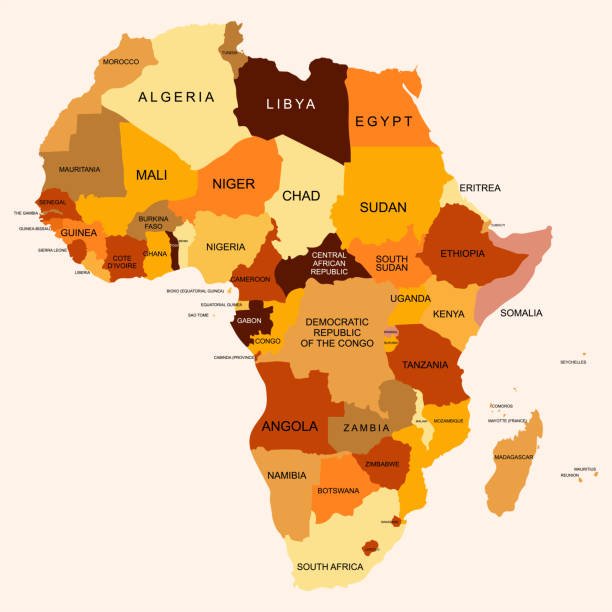
Africans arrived in America primarily through two distinct historical processes: the horrific transatlantic slave trade, which forcibly brought millions to the Americas over several centuries, and more recent voluntary immigration from various African nations.
The Transatlantic Slave Trade: A Forced Migration
The most significant and devastating means by which Africans arrived in America was the transatlantic slave trade, a brutal system of forced migration that lasted from the 16th to the 19th centuries. This immense human trafficking operation forcibly transported an estimated 10 to 12 million Africans across the Atlantic Ocean, fundamentally shaping the demographics, economy, and social fabric of the Americas.
Origins and Drivers of the Slave Trade
The transatlantic slave trade emerged as European colonial powers established vast agricultural enterprises, particularly sugar, tobacco, and cotton plantations, in the New World. These labor-intensive ventures created an insatiable demand for a permanent, exploitable workforce. Indigenous populations in the Americas were largely decimated by disease and warfare, and indentured servitude from Europe proved insufficient and unsustainable. African captives, already part of existing slave systems in West and Central Africa, became the targeted solution for European colonists due to a combination of factors, including their perceived physical resilience, agricultural knowledge, and the established trade routes along the African coast.
The Middle Passage: A Journey of Unspeakable Horrors
The journey across the Atlantic, known as the Middle Passage, was an atrocity in itself. Captives were crammed into the holds of slave ships, often chained together in inhumane conditions. Disease, starvation, dehydration, and brutal violence were rampant. It is estimated that between 15% and 25% of enslaved Africans died during the voyage, their bodies often thrown overboard. The trauma of the Middle Passage left an indelible mark on those who survived, representing an extreme form of dehumanization and suffering.
Arrival and Enslavement in the Americas
Upon arrival in the Americas, enslaved Africans were subjected to public auctions and then forced into various forms of labor, predominantly in agriculture, but also in mining, domestic service, and skilled trades. They were stripped of their names, languages, cultures, and family ties, treated as chattel property rather than human beings. The first documented arrival of enslaved Africans in what would become the United States was in August 1619, when "20 and odd" Africans were brought to Point Comfort, Virginia, marking a pivotal moment in American history.
- Caribbean Islands: Major destinations for enslaved Africans due to sugar plantations.
- Brazil: Received the largest number of enslaved Africans in South America.
- North American Colonies/United States: Primarily for tobacco, cotton, and rice cultivation.
Early African Presence Beyond Slavery
While the vast majority of Africans arrived through enslavement, it is important to acknowledge a smaller, often overlooked presence of Africans in the Americas before and during the early stages of colonization that was not directly tied to the slave trade in the same way. Some Africans traveled as explorers, navigators, or even as free individuals alongside Spanish and Portuguese expeditions. For example, Estevanico, a Moroccan explorer, was one of the first non-Native Americans to traverse the American Southwest in the 16th century, arriving as an enslaved man but eventually gaining renown for his exploration skills.
In some early colonial societies, particularly in Spanish Florida (e.g., Fort Mose), there were communities of free Africans and formerly enslaved people who sought refuge or established their own settlements. These instances, though rare compared to the overwhelming scale of the slave trade, highlight the complex and varied initial interactions between Africans and the American continent.
The Abolition Movement and Its Aftermath
The struggle against slavery was long and arduous. Africans themselves resisted enslavement in countless ways, from overt rebellions and escapes (leading to the creation of communities like the Maroons) to subtle acts of defiance and cultural preservation. Abolitionist movements gained momentum in the 18th and 19th centuries, culminating in the American Civil War and the 13th Amendment in 1865, which formally abolished slavery in the United States.
Post-Slavery Challenges and Opportunities
The end of slavery did not immediately bring equality or freedom from oppression. The period of Reconstruction saw attempts to integrate formerly enslaved people into society, but these efforts were largely undermined by racist policies, economic exploitation (e.g., sharecropping), and the rise of Jim Crow laws, which enforced segregation and disenfranchisement across the South. Despite these systemic obstacles, African Americans built institutions, fostered vibrant communities, and continued to fight for their rights.
Internal Migrations Within America: The Great Migration
Following the Civil War and continuing well into the 20th century, a significant internal migration known as the Great Migration saw millions of African Americans move from the rural South to urban centers in the North, Midwest, and West. This movement, spanning roughly from 1916 to 1970, was driven by both push and pull factors:
- Push Factors: Racial violence, pervasive discrimination (Jim Crow), economic exploitation, and lack of opportunities in the South.
- Pull Factors: Industrial jobs in Northern factories, the promise of better educational opportunities, and a hope for greater social and political freedoms, though discrimination persisted.
The Great Migration fundamentally reshaped American cities, contributed to the Harlem Renaissance, and empowered the burgeoning Civil Rights Movement, laying the groundwork for future social and political change. It represents a significant chapter in African American history and how African populations redistributed themselves across the American landscape.
Modern African Immigration to America
Since the mid-20th century, particularly after the passage of the Immigration and Nationality Act of 1965, there has been a significant increase in voluntary immigration from African countries to the United States. This modern wave of African arrivals is distinct from the historical forced migrations and is driven by a variety of factors typical of contemporary international migration.
Diversity of Modern African Immigrants
Today's African immigrants come from all corners of the continent, representing a vast array of cultures, languages, and socio-economic backgrounds. Key countries of origin include Nigeria, Ghana, Ethiopia, Egypt, Kenya, and Somalia. Their reasons for migrating are diverse:
- Economic Opportunities: Seeking better jobs, higher wages, and upward mobility.
- Educational Pursuits: Coming to study at American universities and colleges.
- Political Stability and Safety: Fleeing conflict, persecution, or instability in their home countries (refugees and asylum seekers).
- Family Reunification: Joining relatives already established in the U.S.
- Professional Opportunities: Many highly educated professionals, including doctors, engineers, and scientists, migrate for specialized roles.
These new arrivals have contributed significantly to the American economy, culture, and intellectual landscape, forming vibrant diaspora communities across the nation. They are doctors, scientists, entrepreneurs, artists, and community leaders, enriching the tapestry of American society.
The Enduring Legacy and Impact
The various ways Africans arrived in America, particularly the enduring legacy of the transatlantic slave trade, have had a profound and irreversible impact on the United States. This history has shaped racial dynamics, economic structures, political systems, and cultural expressions.
Cultural Contributions
African culture, despite immense pressure to suppress it, survived and evolved, contributing foundational elements to American culture. This includes:
- Music: Gospel, blues, jazz, rock and roll, hip-hop – all have deep roots in African and African American musical traditions.
- Cuisine: Dishes and ingredients like okra, yams, collard greens, and cooking techniques that enriched Southern and American cooking.
- Language and Dialect: The influence of West African languages on African American Vernacular English (AAVE).
- Art and Literature: A rich tradition of visual art, storytelling, and literary works that articulate the African American experience.
Social and Economic Influence
The labor of enslaved Africans built much of the early American economy, particularly in the South, creating immense wealth for slaveholders and indirectly benefiting Northern industries. The struggle for civil rights by African Americans has expanded democratic principles for all Americans, challenging the nation to live up to its ideals of freedom and equality. The ongoing dialogue about race, reparations, and systemic inequality is a direct continuation of this complex history.
In conclusion, the arrival of Africans in America is a multi-faceted historical narrative dominated by the brutal realities of the transatlantic slave trade but also encompassing earlier explorations and, more recently, voluntary immigration. From the forced voyages of millions to the self-driven migrations of modern professionals and families, Africans have continuously shaped and redefined the American experience. Understanding how Africans arrived in America is essential to grasping the full scope of American history, its challenges, and its enduring cultural richness.
Enjoyed this read?
Share it with your friends and colleagues.