How Did Africans End Up In Jamaica

BSC Insights Admin
October 01, 2026
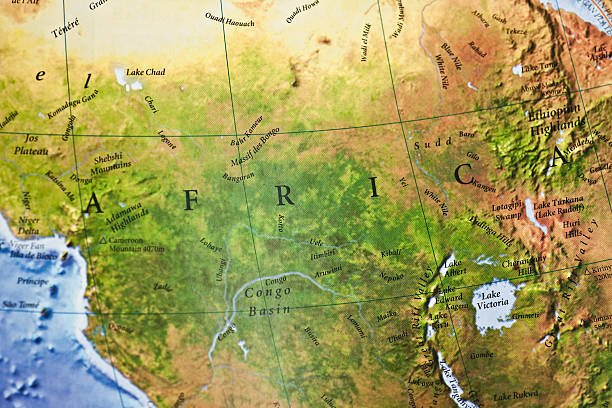
Africans primarily ended up in Jamaica through the transatlantic slave trade, a cruel system of forced migration orchestrated by European colonial powers from the 16th to the 19th centuries. This immense human tragedy saw millions of Africans forcibly removed from their homelands, transported across the Atlantic Ocean, and enslaved to provide labor for the lucrative sugar and other agricultural plantations in the Caribbean, particularly after the British took control of Jamaica.
The history of how Africans arrived in Jamaica is deeply intertwined with European expansion, the demand for plantation labor, and the brutal economic engines of colonialism. It is a narrative of immense suffering, but also of incredible resilience, cultural preservation, and the eventual struggle for freedom that profoundly shaped the island's demographics, culture, and national identity.
The Dawn of European Colonization and the Need for Labor
Jamaica's story began with its indigenous inhabitants, the Taíno people, who had developed a thriving society long before European contact. However, the arrival of Christopher Columbus in 1494 marked the beginning of a new, devastating era for the island, which he claimed for Spain. The Spanish, seeking gold and other resources, established settlements and began to exploit the Taíno population for labor.
Under Spanish rule, the Taíno population was decimated by forced labor, disease, and violence, leading to a severe labor shortage. To compensate, the Spanish began importing enslaved Africans, initially in small numbers, as early as the first decades of the 16th century. These early arrivals represented the very first instances of how Africans came to be in Jamaica, setting a tragic precedent for centuries to come.
Spanish colonization of Jamaica was relatively slow and less developed compared to other parts of their empire. However, the demand for labor on nascent cattle ranches and a few small sugar estates still required the importation of enslaved people. This early period laid the groundwork for the more intensive and devastating system that would follow.
The Transatlantic Slave Trade: A System of Brutality
The transatlantic slave trade, often referred to as the Maafa or the Black Holocaust, was the largest forced migration in human history. It involved the trafficking of enslaved Africans across the Atlantic Ocean to the Americas. The system operated primarily from the 16th to the 19th centuries, driven by the insatiable European demand for cheap labor to cultivate cash crops like sugar, tobacco, and cotton.
Origins and Capture in Africa
The journey for these enslaved individuals began in various regions of West and Central Africa, including present-day Ghana, Nigeria, Angola, and the Kongo Kingdom. European traders, often in collaboration with African intermediaries, fueled conflicts and exploited existing power structures to acquire captives. These captives were primarily prisoners of war, victims of raids, or individuals sold due to famine or debt.
- West Africa: Regions like the Gold Coast, Slave Coast, and Senegambia were major sources.
- Central Africa: The Kongo and Ndongo kingdoms contributed significant numbers, particularly as the trade expanded.
Once captured, individuals endured harrowing marches, often for hundreds of miles, to coastal slave factories or barracoons. Here, they were held in horrific conditions, awaiting the arrival of slave ships that would transport them across the ocean.
The Middle Passage: A Journey of Unimaginable Suffering
The leg of the journey from Africa to the Americas became known as the Middle Passage, a dark chapter in human history. Enslaved Africans were crammed into the holds of ships, often in chains, with minimal food, water, and sanitation. Conditions were unspeakable, leading to widespread disease, starvation, and despair.
The voyage could last anywhere from a few weeks to several months, depending on weather and destination. It is estimated that millions perished during the Middle Passage due to:
- Disease (dysentery, smallpox, scurvy)
- Starvation and dehydration
- Brutality from the crew
- Suicide attempts
The survivors arrived in the Caribbean, including Jamaica, traumatized, dehumanized, and ready to be sold into a life of brutal servitude. This was the fundamental mechanism of how Africans ended up in Jamaica, creating a demographic and cultural shift that would define the island.
British Conquest and the Sugar Revolution in Jamaica
The pivotal moment that dramatically escalated the importation of enslaved Africans into Jamaica was the island's capture by the English in 1655 from the Spanish. Under British rule, Jamaica transformed into one of the most valuable colonies in the British Empire, primarily due to the rapid expansion of its sugar industry.
Sugar cane cultivation was incredibly labor-intensive, requiring large numbers of workers for planting, harvesting, and processing. The climate in Jamaica was ideal for sugar, and the demand for this commodity in Europe was soaring. The British quickly realized that the vast profits from sugar could only be realized through an equally vast supply of cheap labor.
The Plantation Economy and Increased Demand for Slave Labor
The British established a comprehensive plantation system across Jamaica. Large estates, owned by British planters, were dedicated almost entirely to sugar production. This economic model created an insatiable demand for enslaved Africans.
Between 1655 and the abolition of the slave trade in 1807, Jamaica became one of the largest importers of enslaved Africans in the entire Caribbean. Historians estimate that well over 600,000 enslaved Africans were brought directly to Jamaica during this period, though the actual number is likely higher, considering illegal trade and unrecorded arrivals. Many more were brought indirectly through other Caribbean islands.
The profitability of sugar was directly linked to the exploitation of slave labor. Planters prioritized production over the well-being of the enslaved, leading to extremely high mortality rates and a constant need for new shipments of Africans to replenish the labor force.
Life on Jamaican Plantations: Brutality and Resistance
For those who survived the Middle Passage and were sold in Jamaica's slave markets, life on the plantations was a daily struggle for survival marked by extreme brutality, dehumanization, and relentless labor. The plantation system was designed to extract maximum labor with minimal cost, relying on violence and terror to maintain control.
Work and Living Conditions
Enslaved Africans were forced to work from dawn till dusk in the sugar cane fields, often under the scorching sun, performing arduous tasks such as:
- Planting and tending sugar cane.
- Harvesting the cane using sharp machetes.
- Processing cane in dangerous sugar mills (boiling houses, crushing mills).
Beyond sugar, they also cultivated provisions, cared for livestock, and performed domestic tasks. Housing was typically rudimentary, sanitation was poor, and nutrition was often inadequate, leading to widespread illness and short lifespans. Families were routinely separated through sales, further tearing at the social fabric.
Resistance and Rebellion
Despite the overwhelming odds, enslaved Africans in Jamaica resisted their bondage in numerous ways, from subtle acts of sabotage and cultural preservation to open rebellion. These acts of resistance were crucial in challenging the system and asserting their humanity.
Key forms of resistance included:
- Runaways (Maroons): Many escaped into the rugged interior of Jamaica, forming independent communities known as Maroon communities. These Maroons, led by figures like Queen Nanny, established their own societies, fought fiercely against British forces, and eventually secured peace treaties that recognized their autonomy.
- Rebellions: Major uprisings, such as Tacky's Rebellion (1760) and Sam Sharpe's Baptist War (1831-1832), aimed to overthrow the slave system through force. While ultimately suppressed, these rebellions sent shockwaves through the colonial administration and contributed to the growing anti-slavery sentiment.
- Cultural Resistance: Enslaved Africans preserved their cultural heritage through music, dance, storytelling, religion, and language. This cultural resilience provided a sense of identity and community in the face of brutal oppression.
The Path to Abolition and Emancipation
The brutal realities of slavery, coupled with growing abolitionist movements in Britain and sustained resistance from enslaved people, eventually led to the dismantling of the slave trade and later, slavery itself.
Abolition of the Slave Trade (1807)
In 1807, the British Parliament passed the Slave Trade Act, which abolished the slave trade within the British Empire. This meant that no new enslaved Africans could be legally brought to Jamaica. While this was a significant victory, it did not end slavery itself. Existing enslaved populations remained in bondage, and illegal trade continued for some time.
The abolition of the trade put pressure on planters to manage their existing enslaved population more sustainably, as no new influxes of labor were permitted. However, conditions often remained harsh, and the fight for total freedom continued.
Emancipation (1833-1838)
The decisive moment came with the passage of the Slavery Abolition Act by the British Parliament in 1833. This act formally abolished slavery throughout the British Empire, including Jamaica, effective August 1, 1834. However, rather than immediate freedom, the act introduced a system of 'apprenticeship,' where former slaves were required to work for their former owners for an additional four to six years, ostensibly to prepare them for full freedom.
The apprenticeship system proved to be another form of exploitation, and it was eventually abolished early, bringing full emancipation to all enslaved people in Jamaica on August 1, 1838. This date is celebrated as Emancipation Day in Jamaica, marking the official end of centuries of forced labor and brutality.
The Enduring Legacy of African Heritage in Modern Jamaica
The transatlantic slave trade and the subsequent emancipation had a profound and lasting impact on Jamaica, shaping its demography, culture, and socio-economic landscape in ways that are still evident today. The legacy of how Africans ended up in Jamaica is not merely a historical footnote but a foundational element of the nation's identity.
Demographic and Cultural Impact
Today, the vast majority of Jamaica's population is of African descent, a direct result of the forced migrations during the slave trade. This demographic reality has profoundly influenced every aspect of Jamaican life:
- Language: Jamaican Patois (or Patwa) is a creole language that blends West African grammatical structures and vocabulary with English, reflecting the linguistic heritage of enslaved Africans.
- Music and Dance: Genres like Mento, Ska, Rocksteady, Reggae, and Dancehall are deeply rooted in African rhythms, call-and-response traditions, and storytelling, often carrying messages of resilience, struggle, and spirituality.
- Religion: While Christianity is dominant, syncretic religions like Revivalism and Rastafarianism draw heavily on African spiritual beliefs and practices, connecting to an ancestral past.
- Cuisine: Many traditional Jamaican dishes, ingredients, and cooking methods have African origins, such as Ackee and Saltfish, Callaloo, and various ground provisions.
- Family and Community Structures: The strength of communal bonds and extended family networks often traces back to adaptive strategies developed during slavery.
Socio-Economic Realities
The economic and social structures established during slavery created lasting disparities. The wealth generated from sugar largely benefited European planters, while the descendants of enslaved Africans faced systemic disadvantages for generations. Addressing these historical injustices and their modern manifestations remains a crucial aspect of Jamaican development.
| Period/Date | Significance |
|---|---|
| Early 16th Century | First enslaved Africans brought by the Spanish to Jamaica. |
| 1655 | British conquest of Jamaica; rapid expansion of sugar and slave trade begins. |
| 1655 - 1807 | Peak of transatlantic slave trade to Jamaica. |
| 1807 | British Parliament abolishes the slave trade within the Empire. |
| 1834 | Slavery formally abolished in Jamaica; apprenticeship system begins. |
| 1838 | Full emancipation for all enslaved people in Jamaica. |
Conclusion
The profound historical question of how Africans ended up in Jamaica finds its answer overwhelmingly in the brutal and forced mechanisms of the transatlantic slave trade. From the early Spanish period to the intensive British sugar economy, millions of Africans were forcibly uprooted from their homelands, endured the horrors of the Middle Passage, and were enslaved on Jamaican plantations.
This immense historical trauma undeniably forged the backbone of Jamaica's population and significantly shaped its cultural fabric, economic development, and social structures. The legacy of these forced migrations is a testament to the resilience of the human spirit, with African heritage forming the vibrant core of modern Jamaican identity, culture, and national consciousness, continually reminding the world of the profound impact of this dark chapter in history.
Enjoyed this read?
Share it with your friends and colleagues.