How Did Africans Get Enslaved

BSC Insights Admin
October 07, 2026
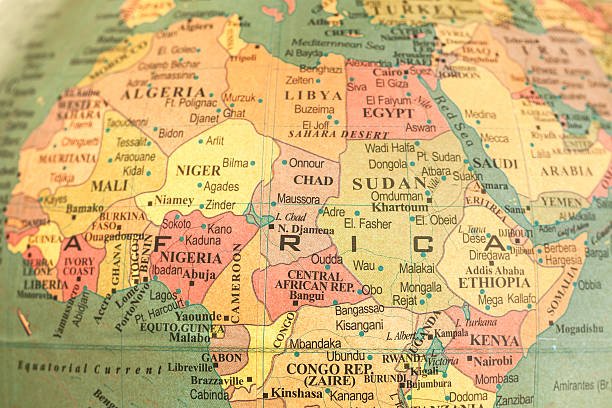
The question of how Africans got enslaved is multifaceted, rooted in a tragic confluence of pre-existing African forms of servitude, intense European demand for labor in the Americas, and the strategic exploitation of internal African political and economic dynamics. It was not a singular event but a centuries-long process driven by various factors, transforming traditional practices into the brutal chattel slavery of the transatlantic slave trade.
To understand the origins of this immense human tragedy, it is crucial to examine both the indigenous systems of slavery that existed in various parts of Africa before European arrival and the profound impact of European influence, which dramatically altered the scale, nature, and brutality of enslavement.
Understanding Pre-Colonial Slavery in Africa
Before the advent of the transatlantic slave trade, various forms of servitude and unfree labor existed across different African societies. These systems, however, generally differed significantly from the chattel slavery that emerged under European influence. They were often more akin to indentured servitude or a system of debt bondage, and rarely involved the permanent, dehumanizing status that characterized transatlantic slavery.
Characteristics of Traditional African Servitude:
- Integration into Society: Enslaved individuals were often integrated into families and communities over time, sometimes even rising to positions of power. Their descendants could often achieve full freedom.
- Sources of Enslavement: People typically became enslaved due to warfare (captives), debt, judicial punishment for crimes, or famine (selling oneself or family members for survival).
- Rights and Opportunities: Depending on the society, enslaved people could sometimes own property, marry, and their children might not inherit their enslaved status. Their labor was often agricultural or domestic.
- Not Based on Race: Enslavement was typically not based on race or skin color, but rather on factors like tribal affiliation, war capture, or social standing.
While these forms of servitude could be harsh and exploitative, they generally lacked the industrial scale, racial dehumanization, and generational permanence of the slavery introduced by Europeans. They were part of a broader social hierarchy rather than an economic system designed solely for commodity production.
The Rise of European Demand and the Transatlantic Slave Trade
The true catalyst for the massive enslavement of Africans was the insatiable demand for labor in the European colonies of the Americas, particularly for the burgeoning plantation economies. From the late 15th century, European powers, initially Portugal and Spain, followed by Britain, France, and others, began establishing colonies in the New World. These colonies required vast numbers of laborers for sugar, tobacco, cotton, and other lucrative crops.
Attempts to enslave Indigenous peoples proved unsustainable due to disease, resistance, and familiarity with the local terrain, making escape easier. European indentured servants were also costly and often died from tropical diseases or harsh labor conditions. Africans, however, were increasingly seen as a viable labor source for several reasons:
- Acclimatization: Many Africans had some resistance to Old World diseases like malaria and yellow fever, which were prevalent in parts of the Americas.
- Agricultural Skills: Many African societies had advanced agricultural knowledge, particularly in rice cultivation, which was valuable in the New World.
- Lack of Familiarity: Transported across an ocean, they were in an unfamiliar land, making escape and organization of resistance more difficult.
- Racial Ideology: Europeans developed dehumanizing racial ideologies to justify the enslavement of Africans, portraying them as inherently inferior and suited for forced labor.
This immense demand transformed existing African systems of servitude into a horrific engine of human trafficking, known as the Transatlantic Slave Trade. It connected three continents in a brutal triangular trade route: European manufactured goods to Africa, enslaved Africans to the Americas, and raw materials from the Americas to Europe.
Mechanisms of Enslavement: How Africans Were Captured
The primary methods through which Africans were captured and funneled into the transatlantic slave trade were diverse and often involved a complex interplay of internal African conflicts and external European pressures. It is a simplification to say that Europeans simply “kidnapped” Africans en masse, although direct raids did occur, especially in the early stages. More often, a system of intermediaries emerged.
Key Methods of Capture and Enslavement:
- Warfare and Raids: This was by far the most significant source of enslaved people. European traders often supplied firearms and other manufactured goods to African states and warlords, deliberately fueling existing conflicts or inciting new ones. The goal was to acquire captives, who would then be exchanged for European goods. African kingdoms would wage war against neighboring groups, selling the defeated as captives.
- Kidnapping and Abduction: While not the most prevalent method on a large scale due to the dangers Europeans faced deep inland, direct kidnapping by European or African slave raiders did occur, especially in coastal regions or areas vulnerable to sudden attacks. Small groups, women, and children were particularly susceptible.
- Judicial Processes and Punishments: In some African societies, certain crimes, ranging from minor offenses to serious transgressions, could result in enslavement as punishment. The incentive of selling people to European traders likely led to an expansion of these laws and more severe applications, with even minor infractions leading to enslavement.
- Debt Bondage: People who accumulated debts could be enslaved until the debt was paid off. With the introduction of European goods and the burgeoning slave economy, debt could be deliberately engineered or exacerbated, leading more individuals and families into servitude.
- Tribute and Taxation: Some powerful African kingdoms demanded tribute from weaker neighboring states, sometimes in the form of people, who would then be sold to European traders.
- Famine and Economic Distress: During periods of famine or severe economic hardship, individuals or families might sell themselves or their relatives into slavery as a last resort for survival, hoping for better conditions or even just food.
The common thread among these methods was the presence of a market for human beings, driven by European demand. This market incentivized various forms of coercion, violence, and exploitation that fundamentally altered African societies.
The Role of African Rulers and Merchants
The involvement of African rulers, merchants, and intermediaries in the slave trade is a complex and often debated aspect of its history. It is essential to understand that this involvement does not diminish European responsibility for initiating and perpetuating the trade, nor does it equate to a voluntary participation in their own subjugation.
Complexities of African Involvement:
- Economic Incentives: European traders offered highly desired goods, such as firearms, gunpowder, textiles, alcohol, iron bars, and tools, in exchange for enslaved people. These goods held significant economic and military value for African rulers and merchants, allowing them to strengthen their power, expand their territories, and acquire status symbols.
- Political Pressures and Power Dynamics: African kingdoms often found themselves in a precarious position. Refusing to participate could mean being cut off from valuable trade goods, particularly firearms, making them vulnerable to attack from neighboring states that *were* armed by Europeans. Some rulers felt compelled to participate defensively.
- Lack of Centralized Power: Africa was not a monolithic entity, but a continent of diverse kingdoms, empires, and communities. There was no single African authority that could collectively refuse or stop the trade. Instead, numerous independent entities made individual decisions based on their own geopolitical circumstances.
- Misunderstanding of Chattel Slavery: Early African participants might not have fully grasped the brutal, permanent, and racially dehumanizing nature of the chattel slavery that awaited their captives in the Americas. They may have viewed it through the lens of their existing, less severe forms of servitude.
- Elite Beneficiaries: While the trade devastated countless communities, some African elites and merchant classes did accrue wealth and power from their involvement. This created a vested interest in the continuation of the trade within certain segments of African society.
The narrative is not one of African nations willingly selling their people into slavery, but rather one of powerful European forces exploiting existing social structures, rivalries, and economic needs, creating an environment where participation in the slave trade became a means of survival, power, or economic gain for some, at the horrific expense of millions.
The Journey to the Americas: The Middle Passage
Once captured, Africans were marched, often for hundreds of miles, to coastal slave forts and trading posts. These arduous journeys, known as coffles, were often brutal, with many dying from exhaustion, starvation, or violence before even reaching the coast.
At the coast, they were held in horrific conditions in dungeons and barracoons, awaiting the arrival of slave ships. The subsequent voyage across the Atlantic, the Middle Passage, was a nightmarish experience. Packed tightly in the holds of ships, often in chains, enslaved people endured unspeakable suffering, disease, malnutrition, and violence. It is estimated that between 15% and 25% of Africans died during the Middle Passage, though some estimates are even higher. Those who survived faced a lifetime of brutal chattel slavery in the Americas, stripped of their identity, culture, and humanity.
The Profound and Lasting Impact
The enslavement of Africans for the transatlantic slave trade had devastating and long-lasting consequences for the African continent. It led to:
- Massive Demographic Loss: Millions of the most productive members of society were forcibly removed, impacting population growth and development for centuries.
- Economic Disruption: The focus on human trafficking disrupted traditional economies and agricultural practices, stunting economic growth and fostering dependency on European goods.
- Political Instability: The trade fueled constant warfare and internal conflicts, destabilizing existing political structures and hindering the formation of larger, more cohesive states.
- Social Fragmentation: Communities were torn apart, traditional social bonds weakened, and a climate of fear and suspicion often prevailed.
- Psychological Trauma: The intergenerational trauma of enslavement and its associated violence has left deep scars that continue to affect individuals and communities in Africa and the diaspora.
Summary: The Complex Origins of African Enslavement
In conclusion, the question of how Africans got enslaved is answered by acknowledging a complex historical process. It was fundamentally driven by the enormous labor demands of European colonial expansion in the Americas, particularly for plantation agriculture. This external demand interacted with and tragically transformed pre-existing forms of servitude in Africa. Africans were primarily captured through warfare and raids, often incited or supplied by European traders, but also through kidnapping, judicial punishments, and debt bondage. While African rulers and merchants played a role as intermediaries, their involvement was often a result of complex political and economic pressures, including the desire for European goods and the need to defend against better-armed rivals. The system culminated in the horrific Middle Passage and the dehumanizing institution of chattel slavery in the Americas, leaving an indelible mark on both continents.
Enjoyed this read?
Share it with your friends and colleagues.