How Did Africans Get To Haiti

BSC Insights Admin
September 30, 2026
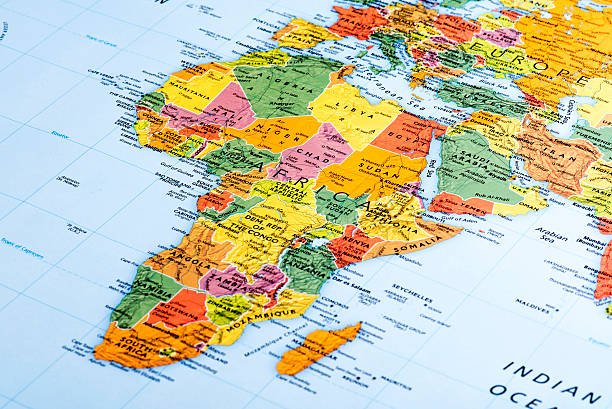
The question of how did Africans get to Haiti is deeply rooted in one of the most tragic chapters of human history: the transatlantic slave trade. Africans were overwhelmingly brought to Haiti, then known as the French colony of Saint-Domingue, forcibly by European colonial powers, predominantly France, from the late 17th century through the early 19th century. Their arrival was solely driven by the insatiable demand for enslaved labor to cultivate lucrative cash crops like sugar, coffee, and indigo on vast plantations, ultimately shaping the nation's demography, culture, and struggle for independence.
The Transatlantic Slave Trade: A Forced Migration to the Caribbean
The journey of Africans to Haiti was part of a larger, brutal system known as the transatlantic slave trade. This system forcibly transported an estimated 10 to 12 million Africans across the Atlantic Ocean, primarily to the Americas and the Caribbean, over more than three centuries. The economic engines of European empires, fueled by burgeoning plantation economies in the New World, created an immense demand for cheap, exploitable labor that they found in Africa.
Origins and European Involvement
The impetus for this massive forced migration stemmed from the European colonization of the Americas. Indigenous populations, decimated by disease and harsh labor conditions, proved insufficient for the labor-intensive plantation systems. European powers like Spain, Portugal, England, the Netherlands, and France turned their attention to Africa, establishing trading posts and fortresses along the West African coast. Here, they exchanged manufactured goods, firearms, and alcohol for enslaved individuals, often acquired through local African leaders or direct raids.
The Middle Passage: A Journey of Unimaginable Suffering
The most harrowing segment of this journey was the
Middle Passage, the sea voyage from Africa to the Americas. Crammed into the holds of slave ships in inhumane conditions, Africans faced starvation, disease, brutality, and death. It's estimated that between 15% and 25% of those who embarked on this journey perished before reaching their destination. The survivors arrived in the Caribbean and the Americas traumatized, but with an enduring spirit that would eventually fuel resistance and revolution. This brutal sea passage significantly contributed to the demography of Africans in Haiti.
Saint-Domingue: The Jewel of the Antilles and a Crucible of Slavery
The island of Hispaniola, shared by modern-day Haiti and the Dominican Republic, was a key destination for enslaved Africans. The western third of the island, Saint-Domingue, became a French colony in 1697 and rapidly transformed into the most profitable colony in the world. Its fertile plains and ideal climate made it perfect for growing sugar, coffee, indigo, and cotton. This immense agricultural wealth was built entirely on the backs of enslaved African labor.
The Demand for Labor on Plantations
The expansion of sugar cane cultivation, in particular, led to an exponential increase in the demand for enslaved people. Sugar production was labor-intensive, requiring constant work from planting to harvesting and processing. Coffee, indigo, and cotton plantations also thrived, each demanding countless hours of arduous manual labor. The conditions on these plantations were notoriously brutal, leading to high mortality rates among the enslaved population. To maintain and increase production, a constant influx of new enslaved Africans was necessary, further entrenching the system and increasing the flow of Africans to Haiti.
- Sugar Plantations: The most significant driver of slavery, requiring continuous, back-breaking labor.
- Coffee Plantations: Also highly profitable, though perhaps slightly less deadly than sugar.
- Indigo and Cotton: Smaller but still vital cash crops contributing to the demand for enslaved labor.
Diverse African Origins of Haitian Ancestry
The enslaved Africans brought to Saint-Domingue came from various regions of West and Central Africa, contributing to the rich tapestry of Haitian culture. While exact numbers for specific ethnic groups are difficult to ascertain due to the nature of the trade, historical records and cultural retentions suggest significant populations from:
- West Africa: Including peoples from what are now Senegal, Gambia, Benin (Fon, Ewe), Nigeria (Yoruba, Igbo), and Ghana (Akan).
- Central Africa: Notably peoples from the Kongo kingdom and other Bantu-speaking groups in what is now Angola and the Democratic Republic of Congo.
This diversity of origins meant that various traditions, languages, and spiritual beliefs converged in Saint-Domingue, eventually fusing to create distinct Haitian cultural expressions. The resilience and adaptability of these diverse African peoples in Haiti were crucial for their survival and future liberation.
Resistance, Rebellion, and the Haitian Revolution
Despite the overwhelming oppression, Africans in Saint-Domingue never passively accepted their fate. Resistance was constant, taking many forms, from covert sabotage and feigned illness to overt rebellion and flight.
Maroons and Early Revolts
One of the most potent forms of resistance was marronage, where enslaved people escaped their plantations and formed independent communities (maroons) in the remote mountains and forests. These maroon communities, such as those led by figures like Mackandal and Sanité Belair, not only provided refuge but also launched raids against plantations, embodying the spirit of freedom and defiance. These early acts of resistance laid the groundwork for the larger struggle that would become the Haitian Revolution.
The Haitian Revolution: A Defining Moment
The culmination of centuries of oppression and resistance erupted in the Haitian Revolution (1791-1804). This was the only successful slave revolt in history, leading to the establishment of the independent nation of Haiti. Key figures like Toussaint Louverture, Jean-Jacques Dessalines, and Henri Christophe, all of African descent, led the enslaved population in a protracted and bloody war against French, British, and Spanish colonial forces. The success of the revolution fundamentally answered the question of how did Africans get to Haiti by transforming their status from enslaved labor to free citizens, creating the world's first independent black republic and the second independent nation in the Americas.
The revolution was profoundly influenced by the shared African heritage and collective memory of the enslaved population. Their spiritual beliefs (Vodou), military tactics, and determination for freedom were deeply rooted in their diverse African backgrounds, demonstrating the incredible strength and unity forged under adversity.
The Enduring Cultural Legacy of African Ancestry in Haiti
Even after the abolition of slavery and the establishment of Haiti, the African influence remained the bedrock of Haitian identity. The forced migration of millions of Africans to Haiti created a unique Afro-Caribbean culture that thrives today.
Vodou: A Syncretic Spiritual System
Perhaps the most prominent cultural retention from Africa is Haitian Vodou (often spelled Voodoo). Vodou is a complex syncretic religion that blends the traditional African religious practices and beliefs of various West and Central African ethnic groups (such as the Fon, Yoruba, and Kongo) with elements of Roman Catholicism. It provided spiritual solace, community, and a framework for resistance during slavery, and continues to be a central pillar of Haitian life and identity.
Haitian Creole: A Language Forged in Slavery
The national language of Haiti, Haitian Creole (Kreyòl Ayisyen), is another testament to the enduring African legacy. It is a French-lexified creole language, meaning its vocabulary is primarily derived from 18th-century French, but its grammar and syntax are heavily influenced by West African languages. Creole emerged as a lingua franca among the diverse enslaved populations, allowing communication and the formation of a distinct cultural identity among Haiti African ancestry communities.
Music, Dance, and Artistic Expressions
Haitian music and dance are vibrant reflections of African traditions. Rhythms played on drums like the rada, petro, and kongo drums, along with specific dance forms, directly trace their origins to various African ethnic groups. These musical and dance traditions are not merely entertainment; they are integral to religious ceremonies, community gatherings, and storytelling, preserving a living link to the ancestors who were forcibly brought to the island. Haitian art, often rich in symbolism and color, also draws deeply from African aesthetic principles and spiritual themes.
Social Structures and Family Traditions
Beyond religion and language, many aspects of Haitian social structure, family organization, storytelling, and oral traditions also bear the indelible mark of African influence. The emphasis on communal living, respect for elders, and the importance of extended family networks resonate with traditions prevalent in West and Central Africa. These cultural retentions highlight the resilience of the enslaved people and their ability to reconstruct aspects of their heritage despite immense pressures.
Modern Haiti: The Enduring Connection to Africa
Today, Haiti stands as a testament to the strength and resilience of its African ancestors. The vast majority of the Haitian population descends directly from the enslaved Africans brought during the colonial era. This direct lineage forms the core of Haitian identity and continues to influence its politics, society, and international relations.
The narrative of Africans in Haiti is not just a historical account; it is a living legacy. It informs Haiti's unique position in the world as a nation born out of a successful slave revolt, a beacon of freedom for oppressed peoples, and a vibrant cultural hub deeply connected to its African roots. The struggles and triumphs of the past continue to shape the national consciousness and global perception of Haiti.
| Period | Event/Impact on Africans in Haiti |
|---|---|
| Late 17th Century | French colonization of Saint-Domingue begins, escalating demand for enslaved African labor. |
| 18th Century | Peak of transatlantic slave trade to Saint-Domingue; colony becomes most profitable sugar producer. Brutal conditions lead to high mortality and continuous influx of Africans. |
| 1791-1804 | The Haitian Revolution. Enslaved Africans rise up, fight for freedom, and establish the independent nation of Haiti. |
| 1804-Present | Haiti becomes the first free black republic. African cultural legacy (Vodou, Creole, music) continues to define national identity. |
Conclusion: A Legacy of Forced Migration and Unyielding Spirit
In summary, the profound and complex answer to how did Africans get to Haiti lies unequivocally in the transatlantic slave trade. Millions of Africans were forcibly removed from their homelands in West and Central Africa, subjected to the horrors of the Middle Passage, and enslaved on the brutal sugar, coffee, and indigo plantations of French Saint-Domingue. This devastating historical process not only created the demographic foundation of the Haitian people but also forged a unique and resilient culture. Despite the immense suffering, the African ancestors of Haiti bequeathed a rich legacy of spiritual beliefs, language, music, and an unyielding spirit of freedom that culminated in the world-changing Haitian Revolution, forever cementing the deep and enduring connection between Africa and Haiti.
Enjoyed this read?
Share it with your friends and colleagues.