How Did The First Africans Join Legco

BSC Insights Admin
October 07, 2026
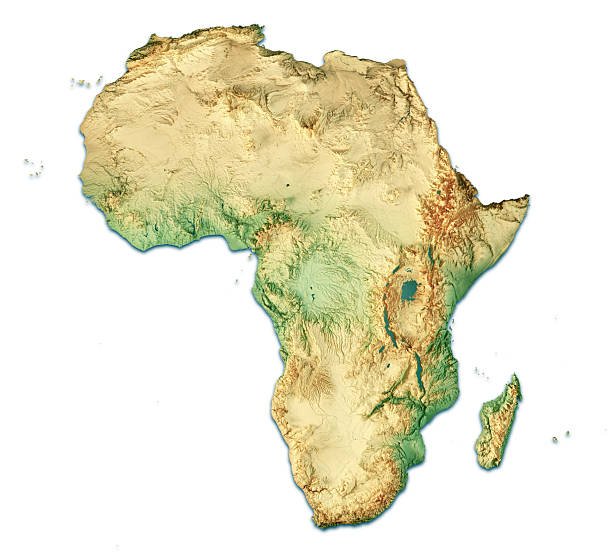
The journey of the first Africans to join colonial Legislative Councils, often referred to simply as Legco, was a pivotal and complex chapter in the history of African political representation. This momentous integration typically occurred through a combination of evolving colonial policies, the relentless advocacy of educated African elites, and the nascent stirrings of nationalist movements. Early African members often entered these councils as nominated individuals, gradually paving the way for elected representatives as demands for greater autonomy and self-governance grew across the continent.
Understanding the Colonial Legislative Council (Legco)
Before delving into the specifics of African representation, it's crucial to understand what a Legislative Council (Legco) entailed within the colonial framework. In British colonial territories, a Legco was generally the principal legislative body, responsible for advising the colonial governor and enacting local ordinances. These councils were initially dominated by European officials and settlers, with African voices largely absent or confined to an advisory, non-official capacity.
The Structure of Colonial Governance
Colonial governance in Africa typically followed a hierarchical structure. At the top was the Governor, appointed by the metropolitan power. He presided over two main councils:
- Executive Council: Responsible for administering government policies.
- Legislative Council (Legco): Responsible for making laws and advising the Governor.
Initially, membership in Legco was largely composed of official members (colonial administrators) and a small number of nominated unofficial members, often European merchants or missionaries. The idea of direct African representation was a radical concept for much of the early colonial period.
The Genesis of African Political Consciousness
The path for Africans to join Legco was forged amidst a growing political awakening. As the 19th century transitioned into the 20th, a new class of educated Africans emerged, many of whom had studied in missionary schools or abroad. These individuals, often lawyers, doctors, journalists, and educators, became keenly aware of the disparities in political power and the inherent injustices of colonial rule.
Early Advocacy and Petitioning
Long before formal entry into Legco, African intellectuals and chiefs engaged in various forms of advocacy. They:
- Wrote petitions: Addressed to colonial governors and the Crown, highlighting grievances and demanding greater inclusion.
- Formed associations: Groups like the Aborigines' Rights Protection Society in the Gold Coast (Ghana) and the National Congress of British West Africa (NCBWA) emerged, advocating for African land rights and political representation.
- Published newspapers: Used as platforms to articulate African perspectives and mobilize public opinion.
These early efforts laid the groundwork, demonstrating a capacity for organized political thought and a desire for meaningful participation in governance.
The First Crack: Nominated African Members
The initial entry of Africans into colonial Legislative Councils was predominantly through nomination rather than election. This shift began incrementally, largely in response to persistent African demands and, in some cases, the colonial administration's desire to gain a veneer of legitimacy or to gather local intelligence.
Rationale for Nomination
Colonial authorities often justified nomination as a means to:
- Incorporate 'loyal' Africans: Selecting individuals deemed sympathetic to colonial rule.
- Gain local insights: Having African perspectives, albeit filtered, on local issues.
- Manage dissent: Providing a limited outlet for African grievances without conceding significant power.
These nominated members were typically prominent chiefs, successful businessmen, or educated professionals. While their powers were limited, their presence marked a significant symbolic milestone in the struggle for African political representation.
Pioneering Nominees
Examples of early nominated African members vary across territories. In West Africa, particularly in the Gold Coast (Ghana) and Nigeria, individuals such as John Mensah Sarbah and Sir Kitoyi Ajasa played crucial roles as nominated members. Their contributions, though constrained by the colonial system, often involved advocating for educational advancement, legal reforms, and the protection of African interests.
The Push for Elected Representation: Electoral Reforms
Nominated seats, while a start, were never enough to satisfy African aspirations for genuine self-representation. The demand for elected members grew stronger, leading to gradual electoral reforms in various colonies, particularly after World War I and more significantly after World War II.
The Impact of World Wars
The two World Wars profoundly impacted colonial relationships. African soldiers fought alongside Europeans, challenging racial hierarchies and reinforcing the idea that Africans deserved equal rights and political say. The rhetoric of self-determination and democracy, espoused by Allied powers, fueled nationalist movements and made the continued exclusion of Africans from meaningful political participation increasingly untenable.
Franchise and Limitations
When elections for Legco seats were introduced, they often came with severe limitations:
- Restricted franchise: Voting rights were typically limited to a very small segment of the African population, based on income, property ownership, or educational qualifications.
- Separate electorates: In some areas, separate electoral rolls existed for Europeans, Asians, and Africans, often with unequal representation.
- Limited seats: The number of elected African seats remained small compared to the official and nominated non-African members.
Despite these restrictions, the introduction of elected seats was a critical step, allowing African political parties and individuals to directly compete for legislative power.
Key Figures and Movements Driving Inclusion
The entry of the first Africans into Legco was not a benevolent gift but the result of sustained pressure and strategic maneuvering by key individuals and burgeoning political movements. These pioneers often faced immense opposition, both from colonial authorities and sometimes from conservative elements within their own societies.
Emergence of African Nationalist Leaders
In various British colonies, charismatic leaders and organized groups emerged to champion the cause of African representation and, eventually, independence. Individuals like Herbert Macaulay and Nnamdi Azikiwe in Nigeria, J.B. Danquah and Kwame Nkrumah in the Gold Coast, and Harry Thuku in Kenya, among many others, were central to these efforts. They utilized a combination of:
- Mass mobilization: Organizing rallies and protests.
- Political parties: Forming parties to contest elections and articulate policy alternatives.
- International advocacy: Lobbying international bodies and sympathetic groups in Europe.
Their collective efforts created an undeniable momentum that colonial powers eventually had to acknowledge.
Specific Examples of Entry and Influence
Across different African territories, the timeline and specifics of African entry into Legco varied:
West Africa: A Precedent for Political Participation
British West African colonies often saw earlier and more extensive African participation in Legco compared to their East and Southern African counterparts. This was partly due to a longer history of coastal trade, the emergence of a prominent educated elite, and less significant European settler populations. For example, in the Gold Coast, elective principles were introduced for Accra, Cape Coast, and Sekondi as early as the 1920s, allowing for the election of African representatives. In Nigeria, the 1922 Clifford Constitution introduced a limited elective principle for Lagos and Calabar, paving the way for figures like Eric Moore to enter the Legco.
East and Southern Africa: Greater Settler Resistance
In colonies with substantial European settler populations, such as Kenya, Southern Rhodesia (Zimbabwe), and South Africa, the path for African entry into Legco was far more protracted and challenging. Settlers fiercely resisted any reforms that would diminish their political dominance. In these regions, African representation was often delayed, heavily restricted, or channeled through separate, often tokenistic, councils. For instance, in Kenya, it was not until the post-World War II era that direct African representation in the Legco began to gain traction, initially with nominated members, and later with a limited number of elected seats.
The following table illustrates a generalized timeline of African entry into colonial Legislative Councils:
| Period | Mode of Entry | Characteristics | Impact |
|---|---|---|---|
| Late 19th - Early 20th Century | Nomination | Very limited, often chiefs or educated elites, advisory role, non-official members. | Symbolic presence, initial articulation of African grievances, laid groundwork for future demands. |
| 1920s - 1930s | Limited Election / Nomination Increase | Introduction of limited franchise in some urban areas (e.g., West Africa), increased nominated seats elsewhere. Franchise often restricted. | Formation of early political parties, more vocal demands for representation, slight increase in African influence. |
| Post-WWII - 1950s | Expanded Election / Self-Governance Prep | Significant electoral reforms, broader (though still limited) franchise, increased African elected members, ministerial positions. | Direct challenge to colonial authority, rise of nationalist movements, transition towards internal self-government, training ground for future leaders. |
The Significance and Legacy of African Representation in Legco
The entry of the first Africans into colonial Legislative Councils was more than just a political novelty; it was a fundamental shift that had profound and lasting consequences for the future of the continent.
Training Ground for Future Leaders
For many pioneering African politicians, service in Legco provided invaluable experience in legislative procedures, debate, and the intricacies of governance. Figures who would later lead their nations to independence, such as Kwame Nkrumah of Ghana or Nnamdi Azikiwe of Nigeria, cut their teeth in these colonial assemblies. They learned to navigate complex political landscapes, build coalitions, and articulate national aspirations on a formal platform.
Legitimizing African Demands
The presence of Africans, whether nominated or elected, within the formal structures of colonial power lent an undeniable legitimacy to their demands for greater autonomy and, ultimately, independence. Their speeches and legislative efforts served as official records of African grievances and aspirations, making it harder for colonial powers to dismiss them as merely external agitators.
Paving the Way for Decolonization
The gradual increase in African representation in Legco was a crucial step in the decolonization process. It demonstrated that Africans were capable of governing, challenged racial prejudices, and created a direct channel for the transfer of power. As African majorities emerged in these councils, they transformed them from instruments of colonial rule into platforms for advocating national self-determination.
Challenges Faced by Early Legislators
Despite their achievements, these early African legislators faced immense challenges:
- Limited power: Their influence was often constrained by the Governor's veto power and the numerical superiority of official and settler members.
- Racial discrimination: They operated within a racially stratified system, facing subtle and overt discrimination.
- Balancing acts: They had to balance the expectations of their constituents with the realities of working within a colonial system.
- Lack of resources: Limited research support, office space, and financial resources compared to their European counterparts.
Their persistence in the face of these obstacles underscores their commitment to advancing African political rights.
Conclusion
The question of how the first Africans joined Legco reveals a narrative of incremental progress, strategic advocacy, and persistent struggle against colonial dominance. From initial nominations of educated elites and traditional rulers to the eventual introduction of limited electoral principles, these early entries into colonial Legislative Councils were instrumental. They not only provided a crucial training ground for future leaders but also served as powerful symbols of African political awakening and the unstoppable march towards self-governance and independence across the continent. This foundational period laid the essential framework for the democratic institutions that African nations would inherit and continue to develop in the post-colonial era, marking a definitive turning point in the continent's political trajectory.
Enjoyed this read?
Share it with your friends and colleagues.