How Did Africans Resist European Imperialism

BSC Insights Admin
October 01, 2026
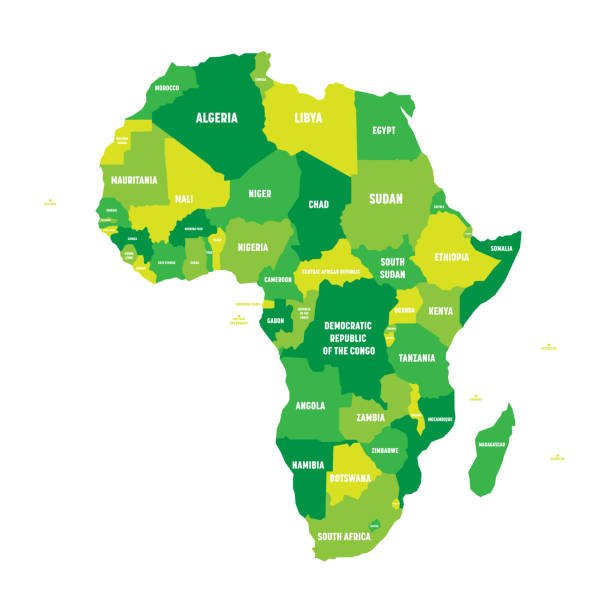
African resistance to European imperialism was not a monolithic event but a complex, multifaceted, and persistent struggle that spanned centuries, employing a wide array of strategies from direct military confrontation to subtle cultural preservation. Despite facing technologically superior forces and immense political pressure, African peoples and leaders demonstrated remarkable resilience, innovation, and determination in defending their sovereignty, cultures, and way of life against the encroaching European powers during the Scramble for Africa and subsequent colonial rule. Their resistance movements significantly shaped the continent's history, influencing the pace and nature of colonization, and ultimately laying the groundwork for the decolonization movements of the 20th century.
The Onset of European Imperialism and African Responses
The late 19th century witnessed an intensified push by European powers to colonize Africa, driven by economic motives, political rivalries, and a perceived civilizing mission. This period, known as the Scramble for Africa, led to the partitioning of the continent with little regard for existing African polities or ethnic boundaries. However, European dominance was never fully accepted without fierce opposition.
Africans reacted to this invasion with diverse forms of resistance, adapting their strategies based on local conditions, leadership, and the specific nature of the European threat. These forms of African resistance ranged from immediate, violent military opposition to long-term, non-violent acts of defiance that permeated every aspect of daily life. Understanding these varied responses is crucial to appreciating the full narrative of African agency during the colonial era.
Forms of African Resistance Against European Colonization
The methods employed by Africans to resist European imperialism were dynamic and often intertwined, reflecting a deep-seated desire for autonomy and self-determination. These can broadly be categorized into several key areas:
1. Armed Resistance and Military Confrontation
Perhaps the most direct and dramatic form of resistance was armed struggle. Many African kingdoms and communities directly confronted European invaders on the battlefield, despite often being at a disadvantage in terms of weaponry and military organization.
- Initial Military Resistance: Early resistance often involved large-scale battles where African armies, sometimes numbering in the thousands, attempted to repel invaders. A prime example is the Battle of Adwa in 1896, where Ethiopian forces under Emperor Menelik II decisively defeated an invading Italian army. This victory stands as a unique achievement, making Ethiopia the only African nation to successfully defend its sovereignty against a major European power during the Scramble.
- Guerrilla Warfare: When direct confrontation proved untenable, many African groups resorted to guerrilla tactics, using their knowledge of the local terrain to launch surprise attacks, ambush supply lines, and wear down colonial forces. Samori Touré, leader of the Wassoulou Empire in West Africa, famously waged a prolonged guerrilla war against the French for nearly two decades (1882-1898), employing sophisticated military organization and even setting up arms factories.
- Rebellions and Uprisings: Numerous major rebellions erupted across the continent. The Maji Maji Rebellion (1905-1907) in German East Africa saw a widespread uprising by various ethnic groups united by a spiritual belief in 'magic water' that would turn German bullets into water. Although brutally suppressed, it demonstrated the deep resentment against forced labor and taxation. Other significant uprisings included the Ashanti Wars against the British in Ghana, the Herero and Namaqua Genocide in German South West Africa, and the Ndebele and Shona Rebellions in Southern Rhodesia.
2. Political and Diplomatic Resistance to Imperialism
Beyond armed conflict, African leaders and emerging elites engaged in political and diplomatic efforts to resist or mitigate the impact of colonial rule.
- Treaty Negotiations: Some African leaders initially attempted to negotiate treaties with Europeans, hoping to secure favorable terms or even alliances against rival African groups, often unaware of the full implications of such agreements regarding sovereignty. However, Europeans frequently misinterpreted or deliberately violated these treaties.
- Appeals to International Law and Opinion: Educated Africans and nascent nationalist movements often appealed to humanitarian principles, international law, and public opinion in Europe and America, highlighting the injustices of colonial rule. Organizations like the Pan-African Congresses, starting in 1900, brought together intellectuals and activists from across the African diaspora to advocate for self-determination and equality.
- Formation of Early Nationalist Movements: As colonial rule solidified, political parties and associations began to emerge, particularly in urban areas. These groups, often led by Western-educated elites, initially sought reforms within the colonial system but gradually evolved into movements demanding complete independence. Examples include the African National Congress (ANC) in South Africa and the West African Students' Union (WASU) in London.
3. Economic Resistance by Africans
Africans also resisted colonial economic exploitation, which often involved forced labor, land alienation, and the imposition of cash crops at the expense of subsistence farming.
- Labor Strikes and Boycotts: Workers in mines, plantations, and urban centers organized strikes to protest harsh working conditions, low wages, and racial discrimination. Boycotts of European goods were also common, aimed at undermining colonial economies and expressing dissatisfaction.
- Refusal to Cultivate Cash Crops: In some areas, farmers resisted the colonial mandate to grow cash crops for export by instead focusing on traditional food crops, which allowed them to maintain a degree of economic self-sufficiency and avoid direct control.
- Tax Evasion and Sabotage: Colonial powers imposed taxes, often payable only in European currency, forcing Africans into the labor market. Resistance included hiding taxable goods, feigning poverty, or, in more extreme cases, sabotaging colonial infrastructure like railways or communication lines.
4. Cultural and Social Resistance Against Colonialism
Colonialism aimed not only to control land and resources but also to reshape African societies, cultures, and identities. African peoples resisted this cultural subjugation in myriad ways, often subtly but powerfully.
- Preservation of Traditional Beliefs and Practices: Despite missionary efforts to convert Africans to Christianity and suppress indigenous religions, many communities found ways to preserve their traditional spiritual beliefs, rituals, and customs, often practicing them in secret or adapting them.
- Independent Churches and Schools: The emergence of African independent churches was a significant form of cultural and religious resistance. These churches blended Christian doctrines with African spiritual elements, providing a space for African leadership and self-expression free from colonial missionary control. Similarly, independent schools provided education that prioritized African languages, history, and values.
- Language and Oral Traditions: The continued use and promotion of indigenous languages, folklore, music, and art served as a powerful means of maintaining cultural identity and transmitting historical narratives that challenged colonial perspectives. Oral traditions often celebrated past heroes and acts of resistance, inspiring future generations.
- Syncretism: The blending of African and European cultural elements, particularly in religion and art, also served as a form of resistance, allowing Africans to adapt to new realities while retaining core aspects of their heritage.
- Everyday Acts of Defiance: These included subtle acts like malingering, feigning ignorance, foot-dragging, sarcasm, and mockery towards colonial authorities. Such acts, though small, cumulatively undermined colonial authority and preserved a sense of dignity and agency among the colonized.
Key Figures and Movements in African Resistance
Numerous individuals and collective movements became symbols of the struggles for independence in Africa and the enduring spirit of resistance:
- Emperor Menelik II of Ethiopia: Masterminded the victory at Adwa, ensuring Ethiopia's independence.
- Samori Touré (Wassoulou Empire): Led a sophisticated military resistance against the French in West Africa.
- Yaa Asantewaa (Ashanti Kingdom): Led the Ashanti rebellion against the British in 1900, known as the War of the Golden Stool, demonstrating powerful female leadership in armed resistance.
- Kinjekitile Ngwale (German East Africa): The spiritual leader whose prophecies inspired the Maji Maji Rebellion.
- Mahdist State (Sudan): Led by Muhammad Ahmad, who declared himself the Mahdi, waged a successful jihad against Egyptian and British rule in the 1880s, establishing an independent state for over a decade.
- Pan-Africanism Movement: Key figures like W.E.B. Du Bois, Marcus Garvey, and later Kwame Nkrumah and Jomo Kenyatta, championed the unity and liberation of all African peoples.
- Early Nationalist Leaders: Figures such as Jomo Kenyatta (Kenya), Kwame Nkrumah (Ghana), Patrice Lumumba (Congo), and Julius Nyerere (Tanzania) played pivotal roles in organizing and leading the post-World War II independence movements, transitioning from demands for reform to outright calls for self-governance.
- Nelson Mandela (South Africa): A global icon of resistance against apartheid, a form of institutionalized racial segregation and discrimination that emerged from colonial policies. His long walk to freedom symbolized the persistent fight against oppression.
The Impact and Legacy of African Resistance
The myriad forms of African resistance against European imperialism had profound and lasting effects, despite the eventual establishment of colonial rule across most of the continent. These efforts were not in vain; they profoundly impacted the trajectory of African history and the global movement towards decolonization.
Delaying Colonization: In many instances, fierce resistance forced European powers to commit significant resources and time, delaying their conquest and sometimes altering their administrative approaches. The cost of maintaining control was often higher in areas that resisted most strongly.
Shaping Independence Movements: The experiences of early resistance, both successes and failures, became powerful narratives and inspirations for later nationalist movements. They fostered a sense of shared identity and a collective memory of struggle against oppression, which proved vital in mobilizing people for independence.
Preserving African Identity: Cultural and social resistance ensured that African identities, languages, religions, and social structures were not entirely eradicated. This resilience allowed for a stronger foundation upon which independent nations could rebuild their cultural heritage.
Contribution to Global Decolonization: African resistance, alongside similar struggles in Asia and other parts of the world, contributed significantly to the global wave of decolonization in the mid-20th century. It exposed the moral bankruptcy of imperialism and spurred international debate and pressure for self-determination.
Challenges Faced by African Resisters
Despite their bravery and ingenuity, African resistance movements faced formidable obstacles:
- Technological Disparity: European armies possessed vastly superior weaponry, including Maxim guns, artillery, and steamships, against which traditional African weapons often stood little chance.
- Internal Divisions: European powers often exploited existing rivalries between African ethnic groups or kingdoms, using divide-and-rule tactics to weaken potential united fronts.
- Disease and Logistics: While Europeans initially struggled with diseases like malaria, they eventually developed medical and logistical capabilities that allowed them to sustain campaigns deep into the continent.
- Economic Disadvantage: Colonial powers controlled trade routes and resources, limiting Africans' ability to acquire modern weaponry or sustain prolonged conflicts.
- Lack of Unified Leadership: While some regions saw unified resistance, a continent-wide, coordinated effort against imperialism was rarely feasible due to geographical barriers and diverse political structures.
Conclusion
In conclusion, Africans resisted European imperialism in myriad ways, showcasing an extraordinary depth of courage, adaptability, and an unyielding commitment to freedom. From epic armed battles and prolonged guerrilla campaigns to subtle acts of cultural preservation and the emergence of sophisticated political movements, the resilience of African people was a defining feature of the colonial era. Their diverse strategies not only challenged the seemingly monolithic power of European empires but also laid the critical foundation for the eventual wave of decolonization. The legacy of these multifaceted anti-colonial movements continues to inspire, reminding us of the enduring human spirit in the face of oppression and the profound significance of self-determination in shaping the continent's history and its future.
Enjoyed this read?
Share it with your friends and colleagues.