How To Dress For An African Wedding

BSC Insights Admin
September 30, 2026
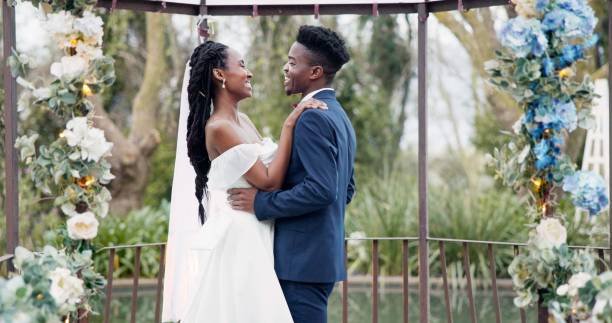
When preparing to attend an African wedding, understanding how to dress for an African wedding involves a delightful blend of cultural appreciation, vibrant aesthetics, and practical considerations. The ideal attire typically reflects the rich diversity of African cultures, often featuring bold colors, intricate patterns, and traditional fabrics, while also ensuring comfort for what can be a joyous and energetic celebration.
Embracing the Rich Tapestry of African Wedding Attire
African weddings are renowned globally for their exuberance, warmth, and deep-rooted cultural significance. Unlike Western weddings which might often lean towards subdued formality, African celebrations are an explosion of color, music, and dance. Therefore, your approach to African wedding guest attire should be one of enthusiasm and respect for the traditions of the host couple.
The Diverse Landscape of African Weddings
Africa is a vast continent with over 54 countries, each with unique ethnic groups, languages, and customs. This diversity is profoundly reflected in wedding ceremonies. While some weddings might adhere strictly to traditional customs, others might be a fusion of Western and African elements, or entirely modern. Researching the specific region or ethnic group of the couple is the first step in understanding the appropriate cultural wedding dress codes.
- Traditional Ceremonies: Often involve specific fabrics like Ankara, Kente, Aso-Oke, or Brocade, and elaborate styles such as gele (head tie) for women and agbada for men.
- Modern & Fusion Weddings: May incorporate Western formal wear with African accessories or prints, offering more flexibility.
- Destination Weddings: If the wedding is held in a specific African country, consider the local climate and customs.
Key Considerations for Selecting Your Outfit
To ensure you're appropriately and comfortably dressed, several factors should guide your choice of what to wear to an African wedding.
Understanding the Invitation & Dress Code
Always check the invitation for any explicit dress code instructions. Sometimes, the couple might specify a color theme or even a particular fabric. If no specific guidance is provided, it's wise to discreetly ask a member of the wedding party or close family for clarification. This small step can prevent any missteps and help you select the most respectful wedding guest outfits.
Climate and Venue
African climates can vary greatly, from the humid tropics to arid deserts. Most weddings are held outdoors or in venues that can be warm. Opt for breathable fabrics and comfortable footwear, especially since African weddings often involve dancing and standing for extended periods. For example, a flowy dress in cotton or silk is ideal for a hot, outdoor ceremony, while a heavier brocade might be more suitable for an evening event in a cooler climate.
Formality of the Event
Just like any wedding, the level of formality can dictate your attire. A church ceremony might call for more conservative dressing, while an evening reception could allow for more glamorous and elaborate styles. A good rule of thumb is to aim for semi-formal to formal attire, often with a vibrant twist.
Iconic African Fabrics and Their Significance
The beauty of African wedding attire often lies in its fabrics, each with its own story and cultural significance. Incorporating these can truly elevate your modern African wedding fashion.
Ankara (Dutch Wax Print)
Perhaps the most globally recognized African fabric, Ankara is famous for its bold, colorful patterns and versatility. It's a staple for Nigerian and Ghanaian weddings and can be fashioned into almost anything: dresses, skirts, suits, jumpsuits, and headwraps. It's an excellent choice for creating a striking yet comfortable look.
Kente Cloth
Originating from the Ashanti people of Ghana, Kente is a handwoven fabric known for its intricate geometric patterns and bright, contrasting colors. Traditionally reserved for royalty and special occasions, a Kente print can add a touch of regality and deep cultural meaning to your outfit, often seen in accents or full ensembles.
Aso-Oke
Hailing from the Yoruba people of Nigeria, Aso-Oke is another handwoven fabric, often characterized by its heavier texture and shimmering threads. It's frequently used for grand traditional outfits like agbadas for men and wrappers for women, especially for the bride and groom's families. Guests can incorporate Aso-Oke through headties or specific garment sections.
Other Notable Fabrics
- Brocade: A rich, often heavy, patterned fabric, frequently used for formal attire.
- Lace: Intricate and elegant, often used for sophisticated dresses and blouses.
- Adire: A tie-dye fabric from Nigeria, offering unique patterns.
- Kitenge: Similar to Ankara, popular in East Africa for its vibrant prints.
Outfit Inspirations for Women
For women attending an African wedding, the options are plentiful and exciting, allowing for both traditional elegance and contemporary flair.
Traditional Inspired Ensembles
- Ankara Dress/Skirt and Blouse: A custom-made Ankara gown or a matching skirt and blouse set offers a beautiful and authentic look. Styles range from fitted peplum tops with mermaid skirts to elegant A-line dresses.
- Wrapper and Blouse (Iro and Buba): For Nigerian Yoruba weddings, an iro (wrapper) and buba (loose-fitting top) set, often complemented by a gele (headtie) and ipele (shoulder sash), is a classic and highly respected choice.
- Boubou/Kaftan: These flowing, comfortable garments, popular in West Africa, are elegant and practical, especially in warmer climates. They can be heavily embroidered for a grand look.
Modern African Chic
If you prefer a contemporary approach, consider:
- Ankara Jumpsuits or Pantsuits: A stylish and comfortable alternative to dresses, offering a chic, modern vibe.
- Western Dress with African Accents: A formal Western-style dress in a bold, vibrant color can be perfectly acceptable. Elevate it with an Ankara or Kente headwrap, statement African jewelry, or a print clutch bag.
- Lace or Brocade Gowns: For more formal settings, an exquisitely tailored gown in lace or brocade can be stunning, often chosen in rich jewel tones.
Hair and Headwear
Headwraps, such as the Gele (Nigeria) or Duku (Ghana), are an integral part of traditional female attire and can be a beautiful way to complete your look. If you choose to wear one, ensure it's neatly tied and complements your outfit. Many salons specialize in tying elaborate geles. If a headwrap isn't for you, elegant hairstyles or braids are also appropriate.
Outfit Inspirations for Men
Men also have a range of stylish options that blend tradition with contemporary sophistication.
Traditional Male Attire
- Agbada: A grand, flowing three-piece outfit (trousers, inner tunic, and a large, open-stitched outer robe) that exudes regality. Often made from damask, Aso-Oke, or embroidered cotton. This is a very common choice for traditional African wedding outfits.
- Dashiki: A colorful tunic, often embroidered, that can be worn with matching trousers. It's a comfortable yet festive option, particularly popular in West Africa.
- Kaftan: Similar to the female boubou, a men's kaftan is a long, loose tunic often made from linen or silk, perfect for both comfort and elegance.
Modern & Fusion Looks for Men
- Tailored Suit with African Accents: A well-fitted suit in a classic color (navy, grey, black) can be elevated with an Ankara print tie, pocket square, or waistcoat.
- African Print Shirt and Trousers: A smart, collared shirt in a tasteful African print paired with tailored trousers (chinos or dress pants) is a stylish and less formal option.
- Linen Suits: For a destination wedding attire Africa in a hot climate, a linen suit in a light color (beige, light blue) offers both comfort and sophistication.
The Power of Color and Symbolism
Color plays a vital role in African culture and weddings. Don't shy away from bright and bold hues. Here's a quick guide to some common color meanings:
| Color | Symbolic Meaning | Appropriateness for Weddings |
|---|---|---|
| Red | Love, passion, strength, vitality | Highly appropriate, vibrant and celebratory |
| Gold/Yellow | Wealth, prosperity, royalty, joy | Excellent, adds a touch of luxury |
| Green | Fertility, nature, new life, harmony | Very suitable, often seen in patterns |
| Blue | Peace, harmony, love, spirituality | Calming yet elegant, good for formal wear |
| Purple | Royalty, wealth, wisdom, spirituality | Luxurious and formal, very popular |
| White | Purity, peace, new beginnings | Avoid unless specifically requested, as it's traditionally for the bride. |
| Black | Maturity, spirituality, strength | Can be formal, but best paired with bright accents to avoid a somber look. |
Embrace vibrant colors for weddings, often combined in striking patterns. The goal is to reflect the celebratory mood.
Accessorizing Your African Wedding Look
Accessories are crucial for completing your ensemble and adding personal flair.
For Women
- Jewelry: Bold gold jewelry, beaded necklaces, bangles, and statement earrings can complement traditional outfits beautifully.
- Shoes: Comfortable yet elegant shoes are key. Block heels, stylish sandals, or embellished flats are often preferred over stilettos, given the likelihood of dancing.
- Clutches/Bags: A small, embellished clutch or a bag made from an African print fabric.
For Men
- Caps/Hats: A traditional Fila (cap) can be worn with agbada or dashiki outfits.
- Footwear: Traditional slip-on shoes or polished leather shoes.
- Watches/Cufflinks: Elegant timepieces and cufflinks can add sophistication to suits.
What to Avoid When Dressing for an African Wedding
While embracing vibrancy is encouraged, there are a few general guidelines to ensure respectful attendance:
- Avoid Overly Revealing Attire: Many African cultures value modesty, especially in formal settings like weddings. Opt for outfits that cover shoulders and knees, or at least aren't excessively revealing.
- Don't Wear White (Unless Requested): Just like in many Western cultures, white is traditionally reserved for the bride. Unless explicitly stated otherwise, choose other colors.
- Steer Clear of Mourning Colors: While black can be formal, a full black outfit without any vibrant accents might be perceived as somber. Be mindful of cultural associations with specific dark colors in certain regions.
- Don't Outshine the Couple: Your goal is to celebrate, not to draw attention away from the bride and groom. While elaborate is good, ensure your attire doesn't overshadow theirs.
Concluding Thoughts on Dressing for an African Wedding
Ultimately, knowing how to dress for an African wedding is about showing respect, celebrating joy, and immersing yourself in the rich cultural experience. By choosing vibrant, comfortable, and culturally appropriate attire, you not only honor the couple and their heritage but also ensure you're fully prepared to enjoy every moment of what promises to be an unforgettable celebration. Embrace the colors, patterns, and spirit, and you'll undoubtedly be a wonderfully dressed and welcomed guest.
Enjoyed this read?
Share it with your friends and colleagues.