How To Live In Africa

BSC Insights Admin
October 01, 2026
How To Live In Africa: Your Comprehensive Guide to a Rewarding African Lifestyle
Living in Africa is a transformative experience, offering a vibrant tapestry of cultures, breathtaking landscapes, and unique opportunities. To successfully live in Africa, one must embrace its immense diversity, prepare meticulously for the practicalities, and approach the journey with an open mind and a spirit of adventure, understanding that each country and even region within this vast continent presents its own distinct environment and way of life.
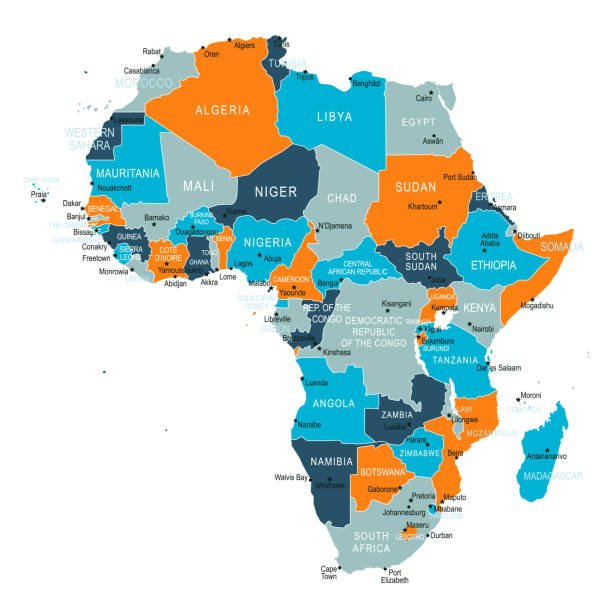
Africa, the world's second-largest continent, is not a single country but a mosaic of 54 diverse nations, each with its own history, languages, customs, and economic realities. Therefore, understanding that expat life in Africa is not a monolithic experience is the first crucial step. Whether you're considering moving to Africa for work, retirement, or a change of pace, careful research and preparation are paramount for a smooth transition and a fulfilling African lifestyle.
Understanding Africa's Immense Diversity
Before you even begin to pack, it's vital to grasp the sheer scale and variety of Africa. From the ancient pyramids of North Africa to the bustling tech hubs of South Africa, the wildlife-rich savannas of East Africa, and the vibrant markets of West Africa, each region offers a distinctly different experience. This diversity directly impacts aspects like the cost of living in Africa, available amenities, cultural norms, and even the climate you will encounter.
- North Africa: Rich in history, with a strong Arab and Islamic influence. Countries like Morocco, Egypt, and Tunisia offer Mediterranean and desert climates, bustling souks, and ancient ruins.
- West Africa: Known for its vibrant music, art, and diverse ethnic groups. Countries such as Ghana, Nigeria, and Senegal are characterized by tropical climates and dynamic urban centers.
- East Africa: Famous for its stunning wildlife, national parks, and the Great Rift Valley. Kenya, Tanzania, and Rwanda provide a unique blend of adventure tourism and emerging economies.
- Central Africa: Often characterized by dense rainforests and unique biodiversity. Countries like Cameroon and Gabon present more challenging logistics but immense natural beauty.
- Southern Africa: Offers developed infrastructure, diverse landscapes from deserts to coastlines, and a rich history. South Africa, Namibia, and Botswana are popular choices for expatriates.
Thorough research into your specific target country and even city is crucial. Consider factors like political stability, economic outlook, climate, prevalent languages, and the existing expatriate community before making your final decision.
Planning Your Move to Africa
The journey to living in Africa requires meticulous planning. From legal requirements to financial readiness, here are the key areas to address.
Researching Your Destination: Country and City Specifics
Once you've identified a region, narrow down your choices to specific countries and cities. For example, if you're interested in job opportunities in Africa within tech, cities like Nairobi (Kenya), Lagos (Nigeria), or Cape Town (South Africa) might be ideal. If a quieter, nature-focused African lifestyle appeals, perhaps a smaller town in Namibia or Botswana would be better suited. Look into:
- Political Stability: Evaluate current events and long-term trends.
- Economic Outlook: Understand job markets, business opportunities, and local cost of living.
- Infrastructure: Assess road networks, public transport, internet connectivity, and utility reliability.
- Safety and Security: Research local crime rates and safety protocols (more on this later).
- Expat Community: Many cities have active expat groups that can provide invaluable local insights.
Visa and Immigration Requirements
This is arguably the most critical step. Every African nation has specific visa and residency regulations. Do not assume uniformity. Depending on your nationality and the purpose of your stay (work, retirement, study, family reunion), the process can vary greatly. Typically, you will need:
- A valid passport with sufficient validity.
- Proof of funds to support yourself.
- Proof of accommodation.
- Health clearances or vaccinations.
- A clear criminal record.
- A job offer or business plan (for work/business visas).
Start this process well in advance, as it can be lengthy and complex. Consulting with an immigration lawyer specializing in your target country is often a wise investment.
Financial Preparation: Cost of Living in Africa and Savings
The cost of living in Africa varies dramatically. Major cities like Luanda (Angola) and Lagos (Nigeria) can be among the most expensive globally, especially for imported goods and high-end accommodation, while smaller towns or less developed nations might offer a significantly lower cost of living. Key financial considerations include:
- Housing: Rent can be a significant expense, particularly in expat-heavy areas. Research average rents for apartments and houses.
- Food: Local markets offer affordable produce, while imported goods can be costly.
- Transportation: Public transport, taxis, ride-sharing, or owning a car – assess the costs.
- Healthcare: Understand insurance requirements and the cost of private versus public medical services.
- Utilities: Electricity, water, internet, and mobile data costs.
- Education: If you have children, international school fees can be substantial.
It is advisable to have a robust savings cushion, ideally enough to cover at least 6-12 months of expenses, to navigate any unexpected challenges or delays.
Adjusting to African Life
Beyond the practicalities, successfully living in Africa means embracing its cultural nuances and building local connections.
Cultural Immersion and Etiquette
African cultures are rich and diverse, and demonstrating respect for local customs is fundamental. Politeness, patience, and a willingness to learn go a long way. Some general points include:
- Greetings: Take time to greet people properly. A handshake is common, often accompanied by inquiries about family and well-being.
- Community: Many African societies are community-oriented. Relationships are highly valued.
- Dress Code: While urban areas might be more liberal, modest dress is appreciated in many settings, especially in rural areas or places of worship.
- Time: Concepts of time can be more fluid than in Western cultures. Patience is key when dealing with administrative processes or social engagements.
Engage with locals, observe, and ask questions respectfully. This cultural immersion in Africa will enrich your experience immeasurably.
Language Learning
While English, French, Portuguese, or Arabic might be official languages in many African nations, learning a few phrases in a local language (e.g., Swahili in East Africa, isiZulu in South Africa, Yoruba in Nigeria, Wolof in Senegal) can open doors and build rapport. It shows respect and a genuine desire to connect. Even basic greetings can make a significant difference in daily interactions and your overall African lifestyle.
Building a Community
Connecting with others is vital for a fulfilling expat life in Africa. Seek out local clubs, sports groups, religious organizations, or volunteer opportunities. Online expat forums and social media groups can also help you connect with fellow expatriates who can offer advice and support. Don't limit yourself to expat circles; make an effort to befriend locals, as they can provide authentic insights and help you navigate your new environment.
Practical Aspects of Living in Africa
From finding a home to staying safe and healthy, here's a look at the daily realities.
Housing and Accommodation
Rentals are the most common option for expats. Housing standards vary widely. In major cities, you can find modern apartments and detached houses, often within secure compounds or estates with amenities like pools and gyms. In rural areas, housing might be simpler. Key considerations include:
- Security: Many expat homes feature high walls, gates, and sometimes private security guards.
- Utilities: Confirm electricity, water, and internet reliability. Power outages (load shedding) are common in some areas, so a generator or inverter is a valuable asset.
- Location: Proximity to work, schools, markets, and healthcare facilities.
- Lease Agreements: Ensure you understand the terms, including payment schedules (often required several months in advance) and maintenance responsibilities.
Transportation
Transportation options depend heavily on your location. In larger cities:
- Public Transport: Buses, minibuses (matatus, tro-tros, dallah), and shared taxis are common but can be crowded and sometimes less safe for foreigners.
- Ride-sharing Apps: Uber, Bolt, and local equivalents are increasingly popular and often safer and more convenient.
- Private Cars: Owning a car offers independence but comes with challenges like traffic, road conditions, and parking. Driving styles can be assertive, so defensive driving is crucial.
In many rural areas, public transport might be limited, and 4x4 vehicles are often necessary for navigating unpaved roads.
Healthcare and Wellness
Healthcare in Africa varies from world-class private hospitals in major cities to basic clinics in rural areas. Comprehensive international health insurance is non-negotiable for expats. Key health considerations:
- Vaccinations: Consult a travel clinic well in advance for recommended vaccinations (e.g., Yellow Fever, Hepatitis, Typhoid, Tetanus, Rabies).
- Malaria Prophylaxis: In many sub-Saharan regions, malaria is a risk. Discuss preventative medication with your doctor.
- Emergency Services: Understand how emergency services work in your area and have a plan for medical evacuations if needed.
- Medications: Bring a supply of any prescription medications with a doctor's note, and research local availability.
Maintain a healthy lifestyle, stay hydrated, and be mindful of food and water hygiene.
Safety and Security
While often sensationalized, safety in Africa is a legitimate concern in some areas, but largely manageable with common sense and awareness. Generally:
- Stay Informed: Follow local news and heed advice from local authorities and trusted expat resources.
- Awareness: Be aware of your surroundings, especially in crowded places.
- Avoid Displaying Wealth: Keep valuables out of sight.
- Night Travel: Exercise caution when traveling at night, especially alone.
- Local Advice: Trust the advice of locals and long-term expats regarding safe areas and practices.
- Home Security: Ensure your home is secure.
Most issues stem from opportunistic crime, which can be mitigated by being vigilant and sensible. Major cities often have areas that are safer or less safe, much like anywhere else in the world.
Utilities and Infrastructure
Access to reliable utilities like electricity, water, and internet can vary. In many places, power outages (often referred to as 'load shedding' or 'dumsor') are a regular occurrence, necessitating backup power solutions like generators or solar panels. Water quality can also vary, and expats often rely on bottled or filtered water for drinking. Internet connectivity has improved dramatically across the continent, with fiber optic and reliable mobile data available in most urban centers, but rural areas may still rely on satellite internet or slower connections.
Work and Business Opportunities
For those seeking employment, Africa offers a growing landscape of opportunities.
Expat Jobs
Many expats find jobs through international organizations (NGOs, UN agencies), multinational corporations, diplomatic missions, or in sectors like mining, oil and gas, finance, and increasingly, technology. These roles often come with expat packages that include housing, travel, and health benefits.
Local Employment
Finding local employment can be more challenging due to local hiring preferences and different salary expectations. However, sectors like education, healthcare, and tourism often have needs for skilled foreign professionals, particularly if they bring specialized expertise or are willing to adapt to local conditions.
Entrepreneurship
Africa is a continent of immense entrepreneurial spirit. If you have a viable business idea and are prepared to navigate local regulations and market dynamics, there are significant opportunities in emerging markets, especially in technology, agriculture, renewable energy, and services tailored to a growing middle class. Research local business laws and seek local partnerships to increase your chances of success.
Embracing the Lifestyle
Beyond the practicalities, the true reward of living in Africa lies in embracing its unique lifestyle.
Food and Cuisine
African cuisine is incredibly diverse and flavorful. From West African jollof rice to East African nyama choma, South African braai, and North African tagines, exploring local dishes is a delight. Don't be afraid to try street food from reputable vendors, visit local markets, and learn to cook some traditional meals. This is a fundamental part of African culture.
Social Life and Entertainment
Social life in Africa is often vibrant and community-focused. Weekends might involve family gatherings, visits to local markets, enjoying live music, or sporting events. Many cities offer a bustling nightlife with restaurants, bars, and clubs. Expat communities often organize their own social events and activities.
Travel and Exploration
One of the greatest perks of living in Africa is the unparalleled opportunity for travel and exploration. Witness the Great Migration in Tanzania or Kenya, explore the ancient wonders of Egypt, trek with gorillas in Rwanda, climb Mount Kilimanjaro, relax on the pristine beaches of Zanzibar, or go on a safari in Botswana. Africa offers an endless array of adventures right on your doorstep.
Challenges and How to Overcome Them
While immensely rewarding, relocating to Africa comes with its share of challenges.
- Culture Shock: Initial feelings of disorientation, frustration, or homesickness are normal. Be patient with yourself, seek support, and immerse yourself gradually.
- Bureaucracy: Administrative processes (visas, permits, utilities) can often be slow and frustrating. Patience, persistence, and a good local contact can help.
- Infrastructure Gaps: Expect occasional power outages, water shortages, or less reliable internet, depending on your location. Develop contingency plans.
- Environmental Factors: Adjusting to different climates, insects, and sometimes less hygienic conditions.
The key to overcoming these challenges is to maintain a positive attitude, be adaptable, and learn from those who have successfully navigated them before you.
Conclusion
Living in Africa is an adventure that offers unparalleled growth, cultural enrichment, and a profound connection to a vibrant continent. While it demands careful preparation, an open mind, and adaptability, the rewards of experiencing diverse cultures, stunning natural beauty, and warm hospitality are immense. By understanding its diversity, planning diligently, embracing local customs, and navigating practical challenges with resilience, you can build a truly rewarding and unforgettable African lifestyle. This comprehensive Africa living guide aims to equip you with the insights needed to make your move a success, ensuring your life as an expat in Africa is as rich and fulfilling as possible.
Enjoyed this read?
Share it with your friends and colleagues.