How To Live In Africa For A Year

BSC Insights Admin
October 02, 2026
How To Live In Africa For A Year: A Comprehensive Guide
Embarking on a year-long journey to live in Africa is an incredibly enriching and transformative experience, offering unparalleled opportunities for personal growth and cultural immersion. To successfully navigate living on this diverse continent for an extended period, careful planning and an open mind are paramount, encompassing everything from visa requirements and financial planning to understanding local cultures and ensuring personal safety. This guide provides essential insights and actionable steps to help you prepare for and thrive during your year-long stay in Africa.
Choosing Your Destination: The First Step to Living in Africa
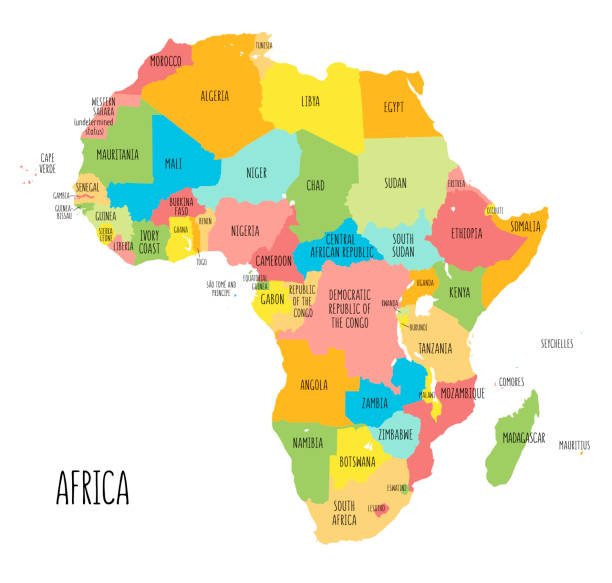
Africa is a vast continent comprising 54 distinct countries, each with its unique cultures, languages, climates, and socio-economic landscapes. Therefore, the first critical step to living in Africa for a year is choosing a specific destination that aligns with your goals and preferences. Consider factors such as:
- Purpose of Stay: Are you volunteering, working, studying, or simply seeking adventure and cultural immersion?
- Climate and Environment: Do you prefer deserts, savannas, rainforests, or coastal areas?
- Cost of Living: Expenses vary drastically from country to country. For example, countries like South Africa or Mauritius might have higher costs than parts of East or West Africa.
- Safety and Stability: Research current political and social conditions.
- Language: English, French, Portuguese, Arabic, and numerous indigenous languages are spoken.
- Visa & Immigration Policies: Requirements differ significantly.
Popular choices for long-term stays include South Africa for its developed infrastructure and diverse culture, Kenya or Tanzania for wildlife and vibrant communities, Ghana or Senegal for West African culture and stability, and Morocco or Egypt for North African history and charm. Researching specific countries and cities thoroughly will be your foundation for a successful year.
Essential Pre-Departure Planning
Visa and Immigration Requirements
Understanding and securing the correct visa is the most crucial step for long-term living in Africa. Visa requirements vary by country and your nationality. Typically, options might include:
- Volunteer Visas: If you plan to engage in volunteer work.
- Student Visas: If you're enrolling in a local educational institution.
- Work Visas: If you have secured employment.
- Long-Stay Tourist Visas: Some countries offer extended tourist visas or options to renew.
It's advisable to start the visa application process well in advance, as it can be lengthy. Consult the embassy or consulate of your chosen country in your home country for the most accurate and up-to-date information. Ensure your passport has at least six months of validity beyond your intended stay and sufficient blank pages.
Financial Planning and Budgeting
The cost of living in Africa can range from surprisingly affordable to quite expensive, depending on your lifestyle and location. Develop a detailed budget that includes:
- Accommodation: Rent (monthly), utilities.
- Food: Groceries, dining out.
- Transportation: Public transport, ride-sharing, fuel.
- Visa & Permits: Application fees, potential renewals.
- Insurance: Travel insurance, health insurance.
- Contingency Fund: For emergencies, at least 3-6 months of living expenses is recommended.
- Activities: Travel, leisure, cultural experiences.
Research average costs for your specific destination. For instance, renting a one-bedroom apartment in a city like Nairobi might cost significantly less than in Cape Town, while local produce can be very affordable in many markets. Plan how you will access your funds, such as setting up a local bank account or using international money transfer services.
Health and Vaccinations
Prioritize your health before and during your stay. Consult your doctor or a travel clinic at least 2-3 months before departure for recommended vaccinations and preventative medications. Common recommendations include:
- Yellow Fever (often required for entry to certain countries)
- Typhoid
- Hepatitis A and B
- Tetanus, Diphtheria, Pertussis (Tdap)
- Measles, Mumps, Rubella (MMR)
- Malaria prophylaxis (depending on region)
Also, secure comprehensive travel and health insurance that covers emergency medical evacuation. Familiarize yourself with local healthcare facilities and emergency services in your chosen area.
Accommodation and Logistics
Decide on your initial accommodation. Options include:
- Short-term rental: Airbnb, guesthouses for the first few weeks.
- Long-term rental: Through local real estate agents or online platforms.
- Homestays: A great way to immerse in local culture.
Consider packing appropriate clothing for the climate, sturdy shoes, essential medications, and a basic first-aid kit. A universal travel adapter is crucial for electronics.
Settling In: Arrival and Daily Life in Africa
Financial Management and Communication
Upon arrival, consider opening a local bank account, especially if you plan to work or receive regular payments. Mobile money services (e.g., M-Pesa in East Africa) are widely used and incredibly convenient for daily transactions. Purchase a local SIM card for affordable communication and internet access. Reliable internet can be found in most urban areas, though speeds and availability may vary in rural regions.
Local Transportation
Transportation in Africa varies greatly. In cities, you'll find:
- Matatus/Daladalas/Tro-tros: Shared minibuses, often the cheapest option.
- Boda-bodas/Motorcycle taxis: Quick but can be risky.
- Ride-hailing apps: Uber, Bolt (Taxify) are common in many major cities.
- Taxis: Negotiate fares beforehand.
For longer distances, intercity buses are popular. If you plan to drive, research local driving laws and the feasibility of obtaining an international driving permit.
Safety and Security
While often misrepresented, many parts of Africa are very safe for residents. However, it's wise to practice general safety precautions:
- Be aware of your surroundings, especially in crowded areas.
- Avoid walking alone at night in unfamiliar places.
- Keep valuables out of sight and use reputable transport.
- Research local advisories and political situations.
- Trust your instincts.
Connecting with the expat community in Africa can provide valuable local insights and support.
Cultural Immersion and Community Building
Understanding Local Culture and Etiquette
One of the most rewarding aspects of living in Africa long-term is the opportunity for deep cultural immersion. Africa is home to thousands of ethnic groups and languages, so embrace the learning process:
- Greetings: Learn basic greetings in local languages. Respectful greetings are highly valued.
- Dress Code: Observe local customs regarding dress, especially when visiting religious sites. Modesty is often appreciated.
- Social Norms: Patience, respect for elders, and community ties are often central.
- Bargaining: Common in markets, but always be respectful.
An open mind and a willingness to learn are your best assets. Engage with locals, ask questions, and accept invitations to participate in community events. This fosters a deeper understanding and appreciation of your new home.
Food and Drink
African cuisine is incredibly diverse and delicious. From savory stews and grilled meats to fresh seafood and exotic fruits, be adventurous and try local dishes. Ensure water is safe to drink (bottled or filtered) and practice good food hygiene to avoid stomach upsets.
Building a Community
Actively seek out opportunities to connect with others. Join local clubs, volunteer organizations, or attend cultural events. Many cities have active expat groups that can offer a sense of community and support. Engaging with locals, whether through work, hobbies, or simply daily interactions, will significantly enrich your experience.
Addressing Challenges and Making the Most of Your Year
Navigating Culture Shock and Bureaucracy
Culture shock in Africa is a common experience. You might encounter different paces of life, administrative processes that are less streamlined than you're used to, and unexpected challenges. Patience, flexibility, and a sense of humor are essential. Understand that things might operate differently, and sometimes, a relaxed approach is necessary. For bureaucratic tasks, such as extending a visa or getting a permit, be prepared for multiple visits and potentially long waiting times.
Healthcare Access and Emergencies
While some African countries have excellent private healthcare facilities, access and quality can vary. Always have your insurance information readily available. Know the location of the nearest reputable hospital or clinic. For serious emergencies, medical evacuation insurance can be critical.
Travel and Exploration
A year offers ample time to explore beyond your immediate locality. Take advantage of regional travel opportunities. Whether it's a safari in the Serengeti, hiking Table Mountain, exploring ancient pyramids, or relaxing on Zanzibar's beaches, Africa's natural beauty and historical sites are unparalleled. Plan these trips in advance, considering travel advisories and logistical challenges.
Learning a Local Language
Even learning a few phrases in a local language (like Swahili, Zulu, or French in West Africa) can significantly enhance your experience, demonstrating respect and opening doors to deeper connections with local people.
Conclusion
Living in Africa for a year is an adventure unlike any other, promising profound learning, breathtaking sights, and unforgettable connections. By meticulously planning your visa, finances, and health, and by approaching your experience with an open heart and a respectful attitude towards local cultures, you can successfully navigate the challenges and fully embrace the immense rewards. This comprehensive guide has covered the critical aspects from pre-departure preparation to daily life and cultural integration, providing a solid foundation for your transformative year. Prepare to be inspired, challenged, and forever changed by the incredible continent of Africa.
Enjoyed this read?
Share it with your friends and colleagues.